 Beginner
Wreck · Reef · Shore
USAT Liberty Wreck
Tulamben
Best Season: Apr – Nov
Difficulty
Intermediate
Difficulty level
Depth
16 ft98 ft
Depth range
Access
Access not yet documented
Documented months
Apr
Nov
Visibility
33 ft82 ft
Typical visibility
Current
Mild
Good buoyancy control advised
Temperature
79°F84°F
Water temperature
Verification status unavailable Some details may be incomplete or outdated. Confirm current conditions locally, and suggest a correction if you know this site.
Know this dive site? Suggest a correctionAbout This Dive Site
USAT Liberty Wreck: Bali's Iconic Underwater Legacy
Prepare for an unforgettable dive into history and vibrant marine life at the USAT Liberty Wreck in Tulamben, Bali. Widely regarded as one of the most accessible and captivating wreck dive sites in the world, this is a must-visit for divers of all experience levels.
A Wreck Forged by History and Nature
The story of the USAT Liberty is as dramatic as the dive itself. Originally a United States Army cargo ship built in 1918, she served during both World War I and World War II. On January 11, 1942, while transporting railway parts and rubber, the Liberty was torpedoed by the Japanese submarine I-166 in the Lombok Strait. Severely damaged, attempts to tow her to Singaraja failed as she took on too much water, leading to her being intentionally beached on the shores of Tulamben.
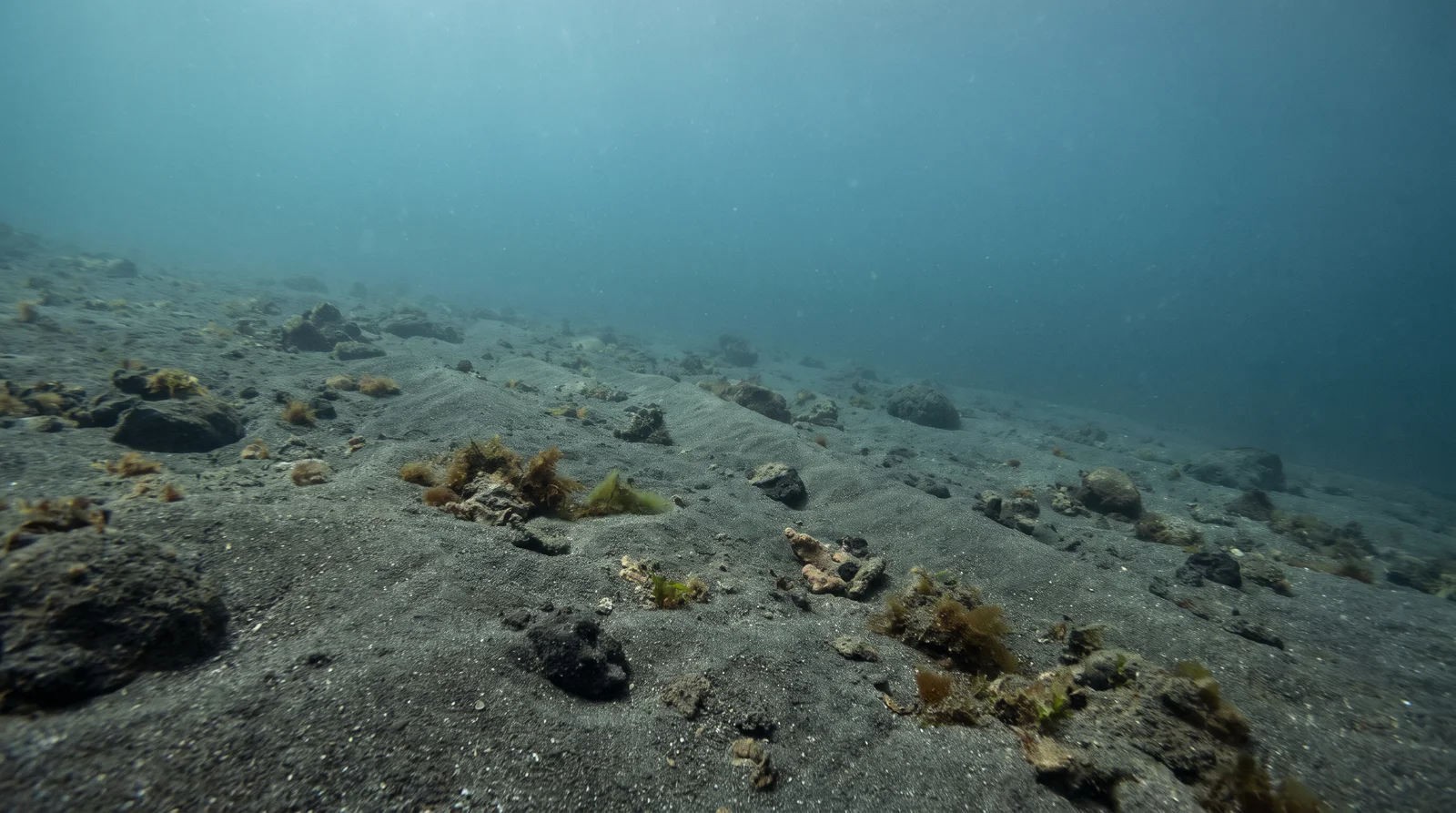
For 21 years, the 120-meter (or 128-meter) vessel lay rusting on the beach. Then, in 1963, the powerful eruption of Mount Agung, Bali's highest volcano, caused seismic tremors that pushed the entire ship off the beach and into the sea. The Liberty now rests on a sand slope, approximately 30-40 meters from shore, lying on her starboard side, parallel to the beach. This unique history makes her the only shipwreck in the world sunk by both a torpedo and a volcano.
Diving the Liberty
The USAT Liberty Wreck is renowned for its incredible accessibility, making it an ideal shore dive for Open Water certified divers and above. The wreck starts in the shallows at just 3-5 meters and slopes down to a maximum depth of 28-30 meters, with an average depth around 16-20 meters. This depth range allows snorkelers to enjoy the shallowest parts, while beginner divers can explore the mid-sections, and more experienced divers can venture to the deeper, broken stern and bow areas.
Entry is typically from Tulamben's black-pebble beach. While generally easy, divers should be aware that the shore consists of volcanic rocks and pebbles, which can be tricky, especially with waves. We recommend wearing hard-soled dive booties. Local porters are often available to assist with carrying gear, supporting the local community. Once in the water, it's a short surface swim of about 30-40 meters to the wreck.
The wreck itself is largely broken into dramatic sections, but divers can still identify features like the guns, toilets, boilers, and anchor chain. For advanced divers, there are some swim-throughs to explore, offering a chance to penetrate parts of the structure.
Thriving Marine Ecosystem
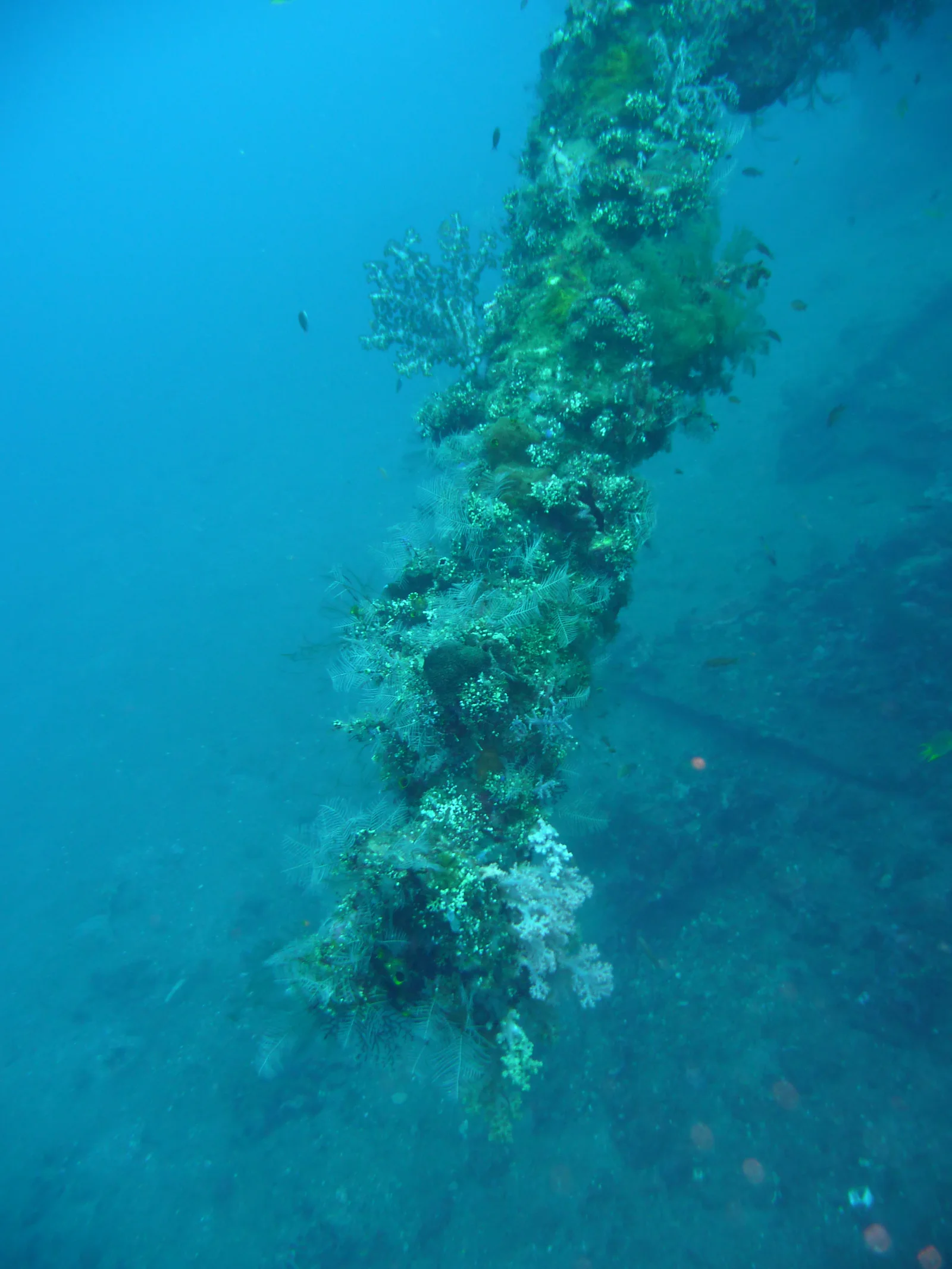
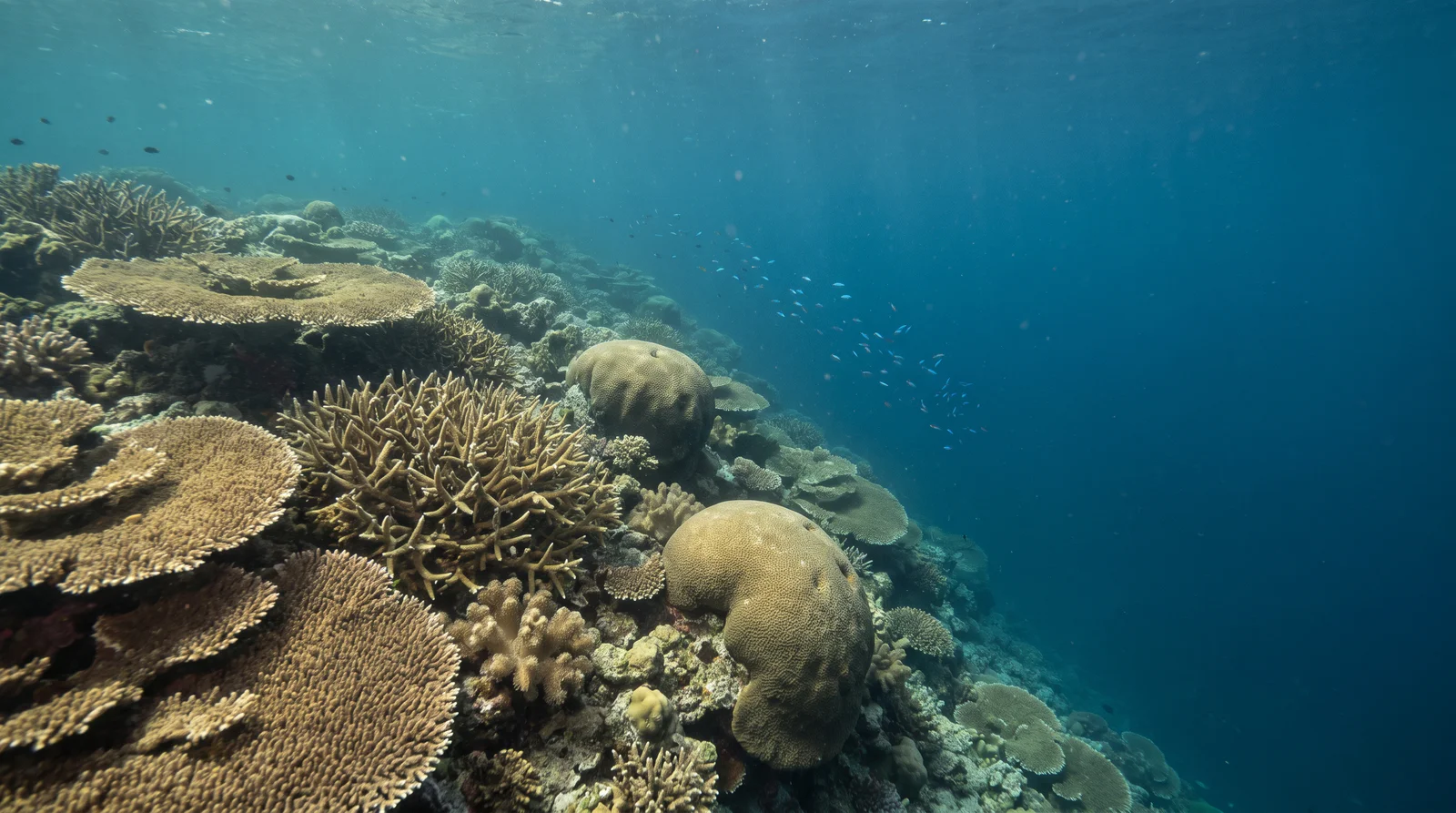
Over the decades, the USAT Liberty has transformed into a magnificent artificial reef, completely colonized by a rich tapestry of hard and soft corals, gorgonian fans, sponges, and sea anemones. This thriving ecosystem supports an astonishing biodiversity, with over 400 species of fish and numerous pelagic visitors.
During your dive, divers will find:
- Schools of Fish: Expect to be enveloped by massive, swirling schools of Bigeye Trevally (jacks) and fusiliers, especially around the cargo holds and the wreck's breaks.
- Resident Giants: Early morning dives are particularly special, as you can encounter a resident school of majestic Bumphead Parrotfish (Bolbometopon muricatum) feeding on the corals.
- Reptilian Visitors: Keep an eye out for graceful Hawksbill Turtles (Eretmochelys imbricata) cruising around the wreck and grazing on sponges.
- Macro Marvels: For macro enthusiasts, the wreck is a treasure trove. Divers can spot the elusive Pygmy Seahorse (Hippocampus bargibanti), various nudibranchs, frogfish, leaf scorpionfish, and an array of colourful critters hidden within the coral and crevices.
- Other Notable Species: You may also encounter moray eels, barracudas, reef sharks (including blacktip and whitetip), giant trevallies, sweetlips, angelfish, clownfish, octopus, cuttlefish, blue-spotted stingrays, groupers, and even the occasional Napoleon wrasse.
- Night Dives: A night dive offers a completely different experience, with nocturnal creatures emerging, including sleeping bumphead parrotfish in their cocoons, hunting lionfish, and fascinating flashlight fish.
Conditions and Safety
The USAT Liberty Wreck generally offers very favourable diving conditions. Currents are typically mild, though they can occasionally be moderate. Water temperature is pleasantly warm, ranging from 26°C to 30°C year-round. Visibility usually ranges from 10-25 meters, providing excellent views of the wreck and its inhabitants. The black volcanic sand of Tulamben provides a dramatic contrast, making the vibrant colours of the corals and marine life truly pop.
While the dive site is generally safe, divers should be mindful of potential hazards inherent to wreck diving, including sharp metal edges and the risk of entanglement in loose debris. We always recommend maintaining excellent buoyancy control to avoid disturbing the silty bottom and to protect the fragile coral growth.
The USAT Liberty Wreck is a truly unique dive site, blending rich history with an explosion of marine biodiversity. Whether you are a beginner looking for your first wreck experience or an experienced diver seeking incredible underwater photography opportunities, this iconic site in Tulamben promises a memorable adventure.
Wreck layout, disputed ship identity and shore-entry practicalities
Wikipedia places the wreck about 40 m from the beach, with the stern as its highest point at about 5 m and its lowest point at about 30 m. Neptune Scuba Diving describes the same orientation in more detail: the stern at 5 to 9 m, a broken midsection with swim-throughs from 12 to 22 m, and the bow at 25 to 30 m, which it says points roughly north-northwest and is partially buried in sand. Neptune says the feature often called the "anti-aircraft gun", at around 20 m, is actually a piece of stern winch machinery, and that guides typically cover a third to half of the wreck per dive rather than its full length.
On the ship's identity, Wikipedia says she was launched in 1918 by Federal Shipbuilding in Kearny, New Jersey, served in the US Navy in the First World War as the animal transport USS Liberty, and is often misidentified as USAT Liberty Glo. The Wannadive.net entry instead lists USAT Liberty Glo, Hog Island Hull No. 517 and SS Scooba as alternative names and describes a Hog Island ship completed after the November 1918 armistice. Neptune gives the Kearny build but says she was originally built for civilian commercial use. Wikipedia names the attacking submarine as I-66, while Neptune and Wannadive give I-166.
Neptune calls the beach entry over rolling volcanic black gravel the hardest physical part of diving the wreck and says most operators use porters to carry tanks and BCDs to the entry point. On currents, Neptune says slack water is the norm on most days, especially in the dry season, and that strong current of 2 knots or more is very rare and mostly linked to big full- and new-moon tides in the wet season; Wannadive rates the current as medium (1–2 knots).
Current Conditions
Typical current strength at this dive site
Mild
Light current that is easy to swim against. Comfortable for most certified divers.
Strength Scale
None
Mild
Moderate
Strong
Best Time to Visit
Monthly conditions and seasonal highlights — tap a month
NovBest
Peak diving season with optimal visibility, calm seas, and best marine life encounters. Notable sightings: Pygmy Seahorse.
BestGoodLess FavorablePeak
Marine Life
38 species recorded at this site
Common · Unverified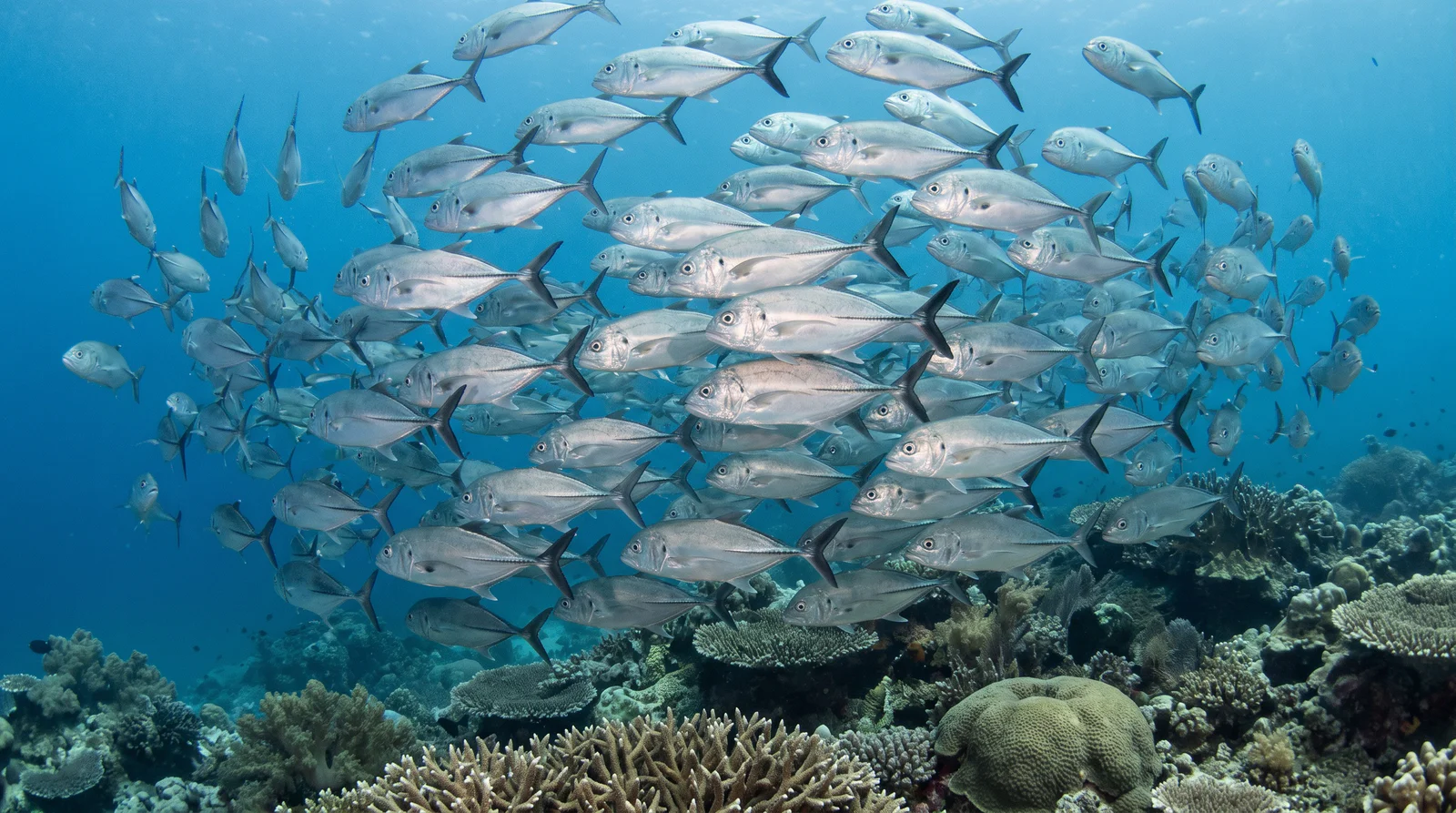
Bigeye Trevally
Caranx sexfasciatus
Site occurrence not yet documented
No dated observations available.
Abundant · Unverified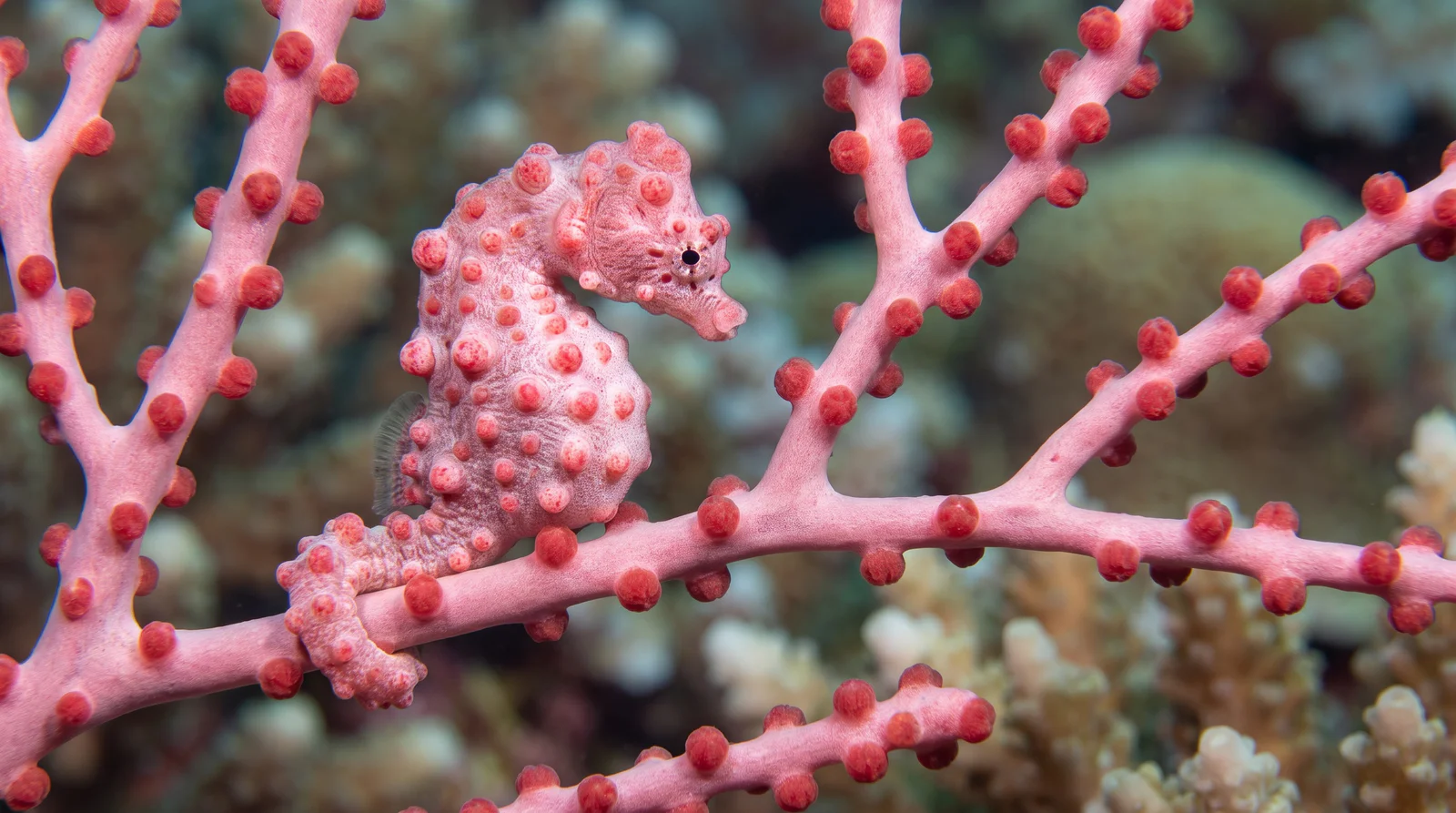
Pygmy Seahorse
Hippocampus bargibanti
Jan, Feb, Mar, Apr, May, Jun, Jul, Aug, Sep, Oct, Nov, Dec · Unverified
Site occurrence not yet documented
No dated observations available.
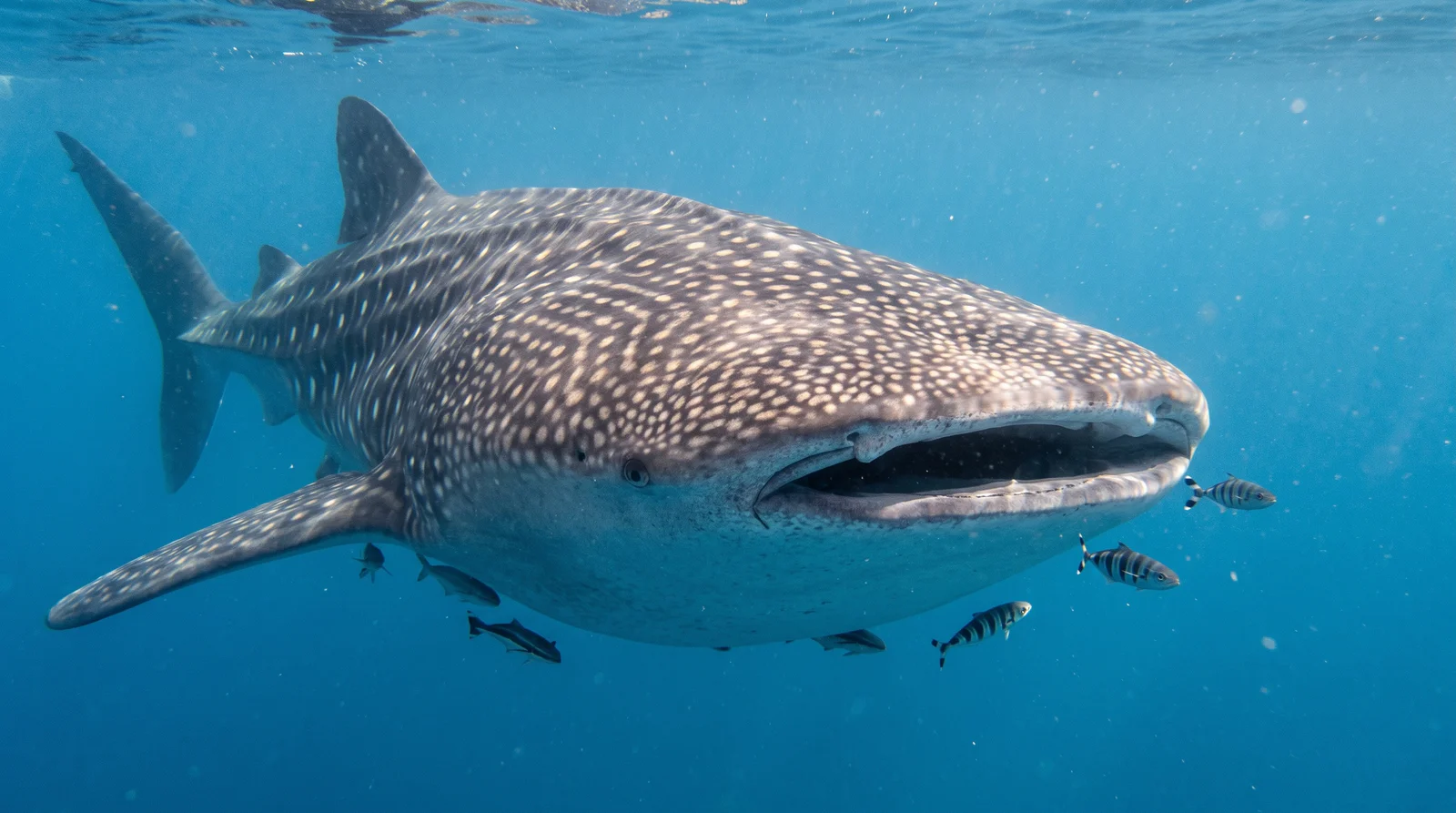
Whale Shark
Rhincodon typus
Documented site occurrence
Source reviewed on 2026-11-05 · Source: Dive Concepts · Observation date not documented
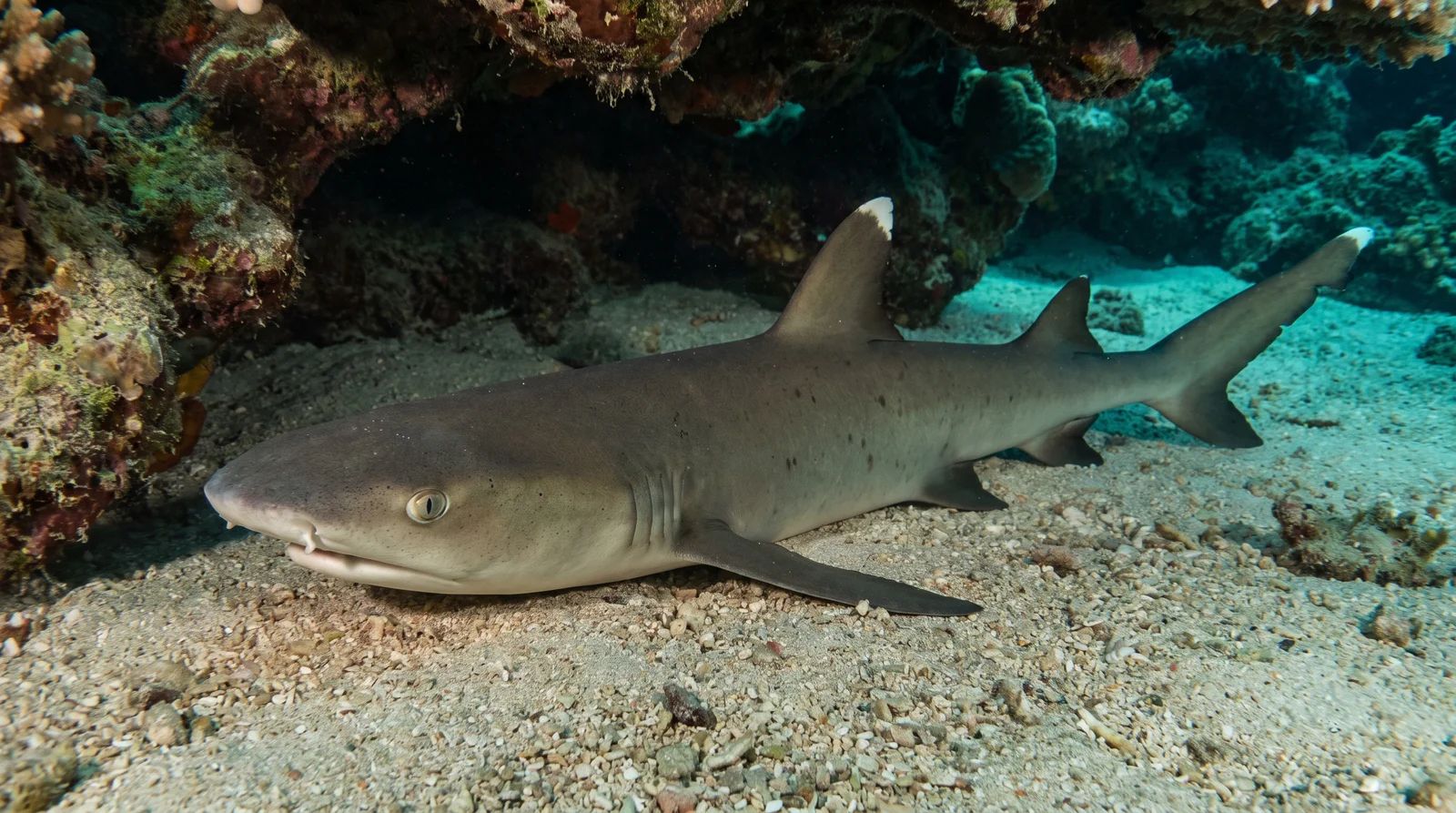
Whitetip Reef Shark
Triaenodon obesus
Documented site occurrence
Source reviewed on 2026-11-05 · Source: Dive Concepts · Observation date not documented
Common · Unverified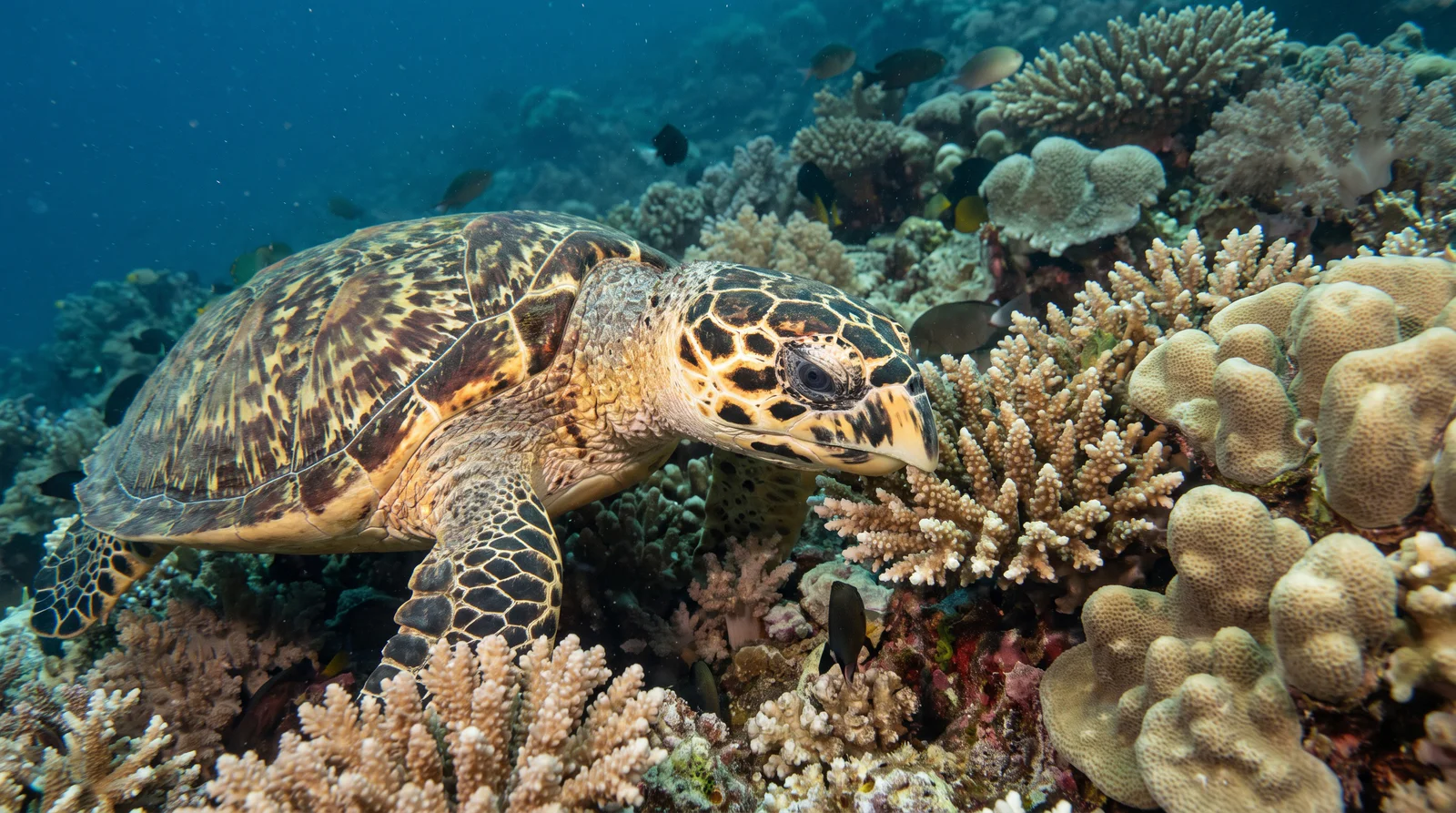
Hawksbill Turtle
Eretmochelys imbricata
Site occurrence not yet documented
No dated observations available.
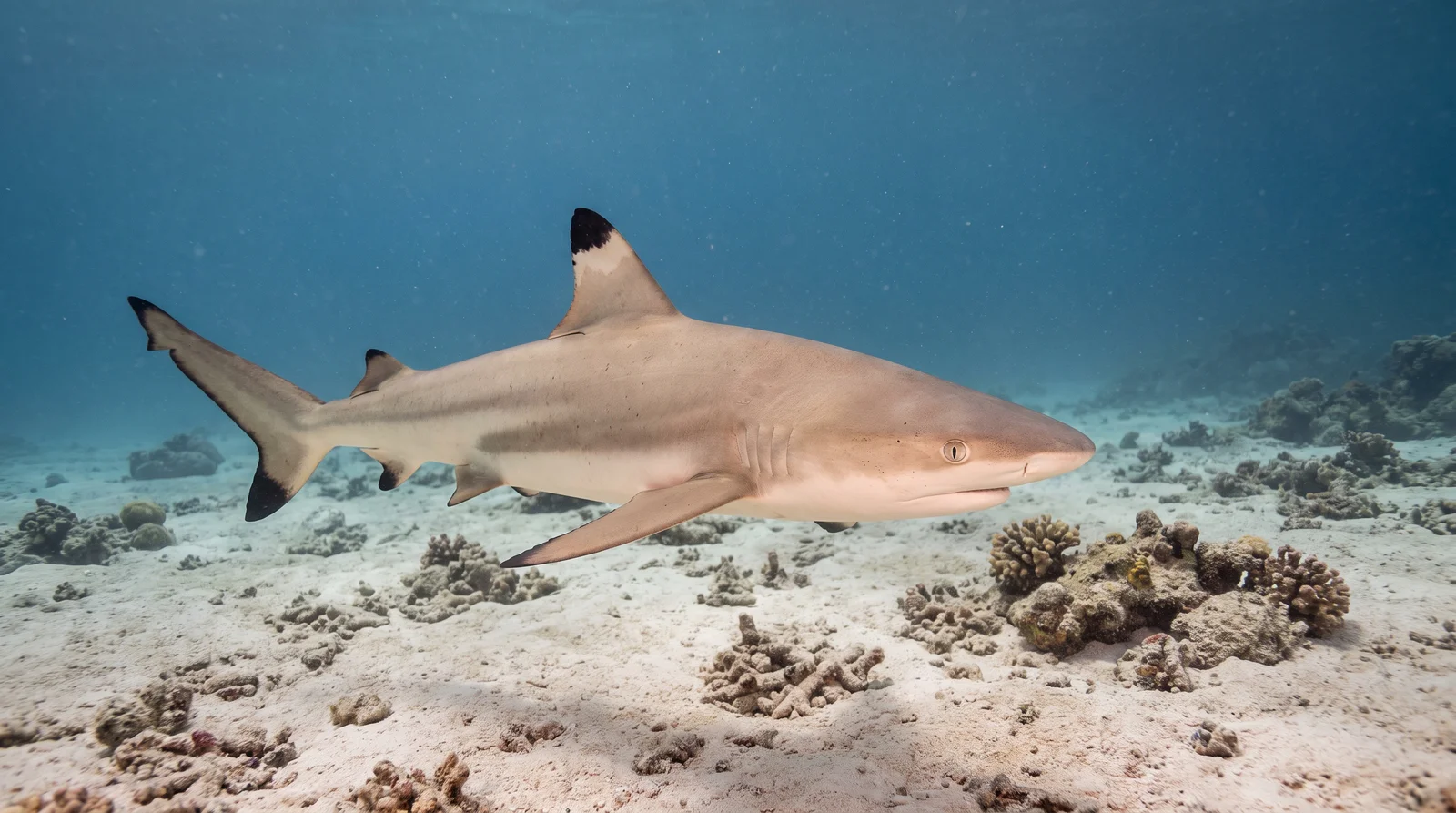
Blacktip Reef Shark
Carcharhinus melanopterus
Documented site occurrence
Source reviewed on 2026-11-05 · Source: Dive Concepts · Observation date not documented
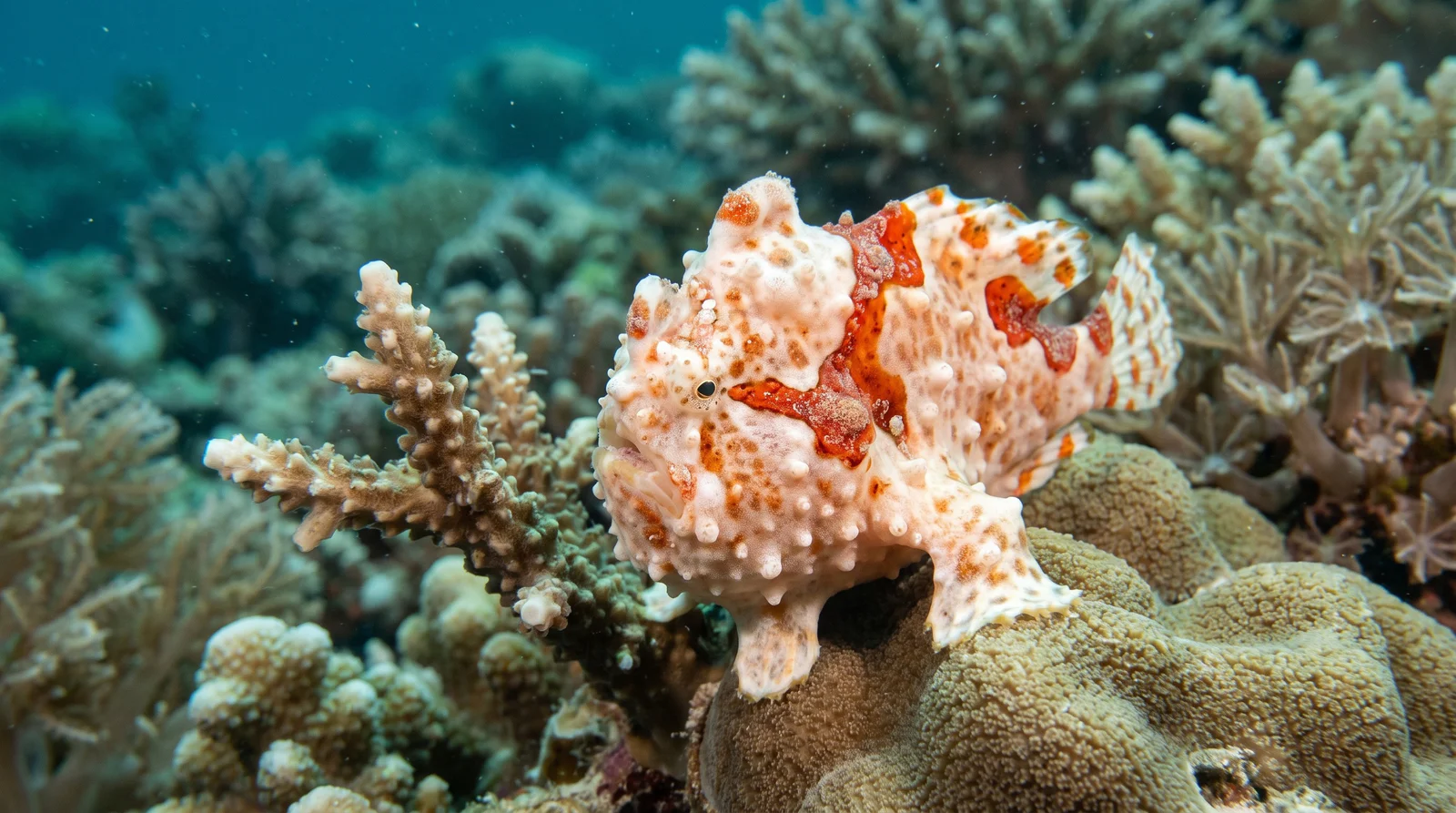
Frogfish
Antennariidae spp.
Documented site occurrence
Source reviewed on 2026-11-05 · Source: Dive Concepts · Observation date not documented
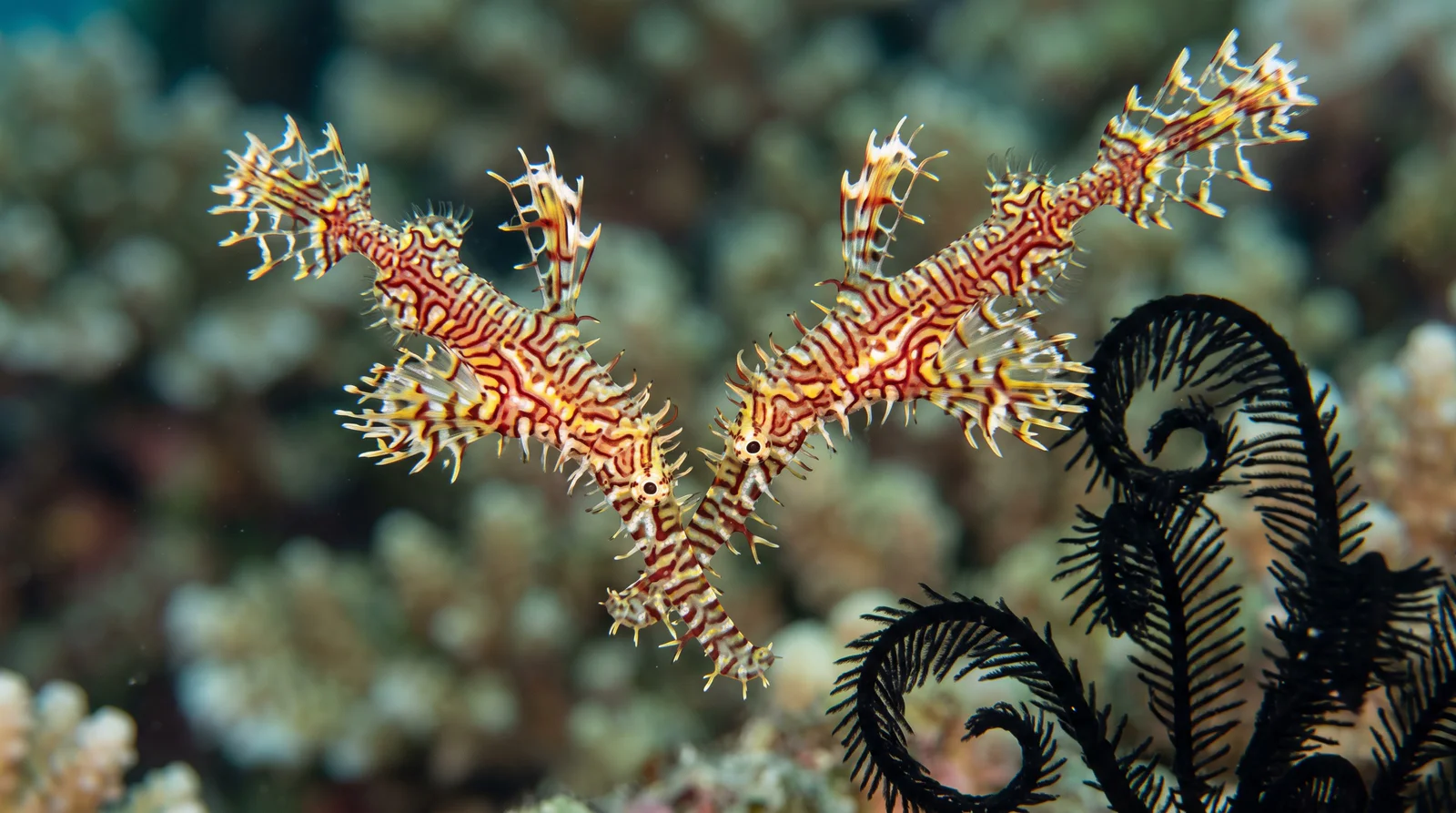
Ornate Ghost Pipefish
Solenostomus paradoxus
Documented site occurrence
Source reviewed on 2026-11-05 · Source: Neptune Scuba Diving · Observation date not documented
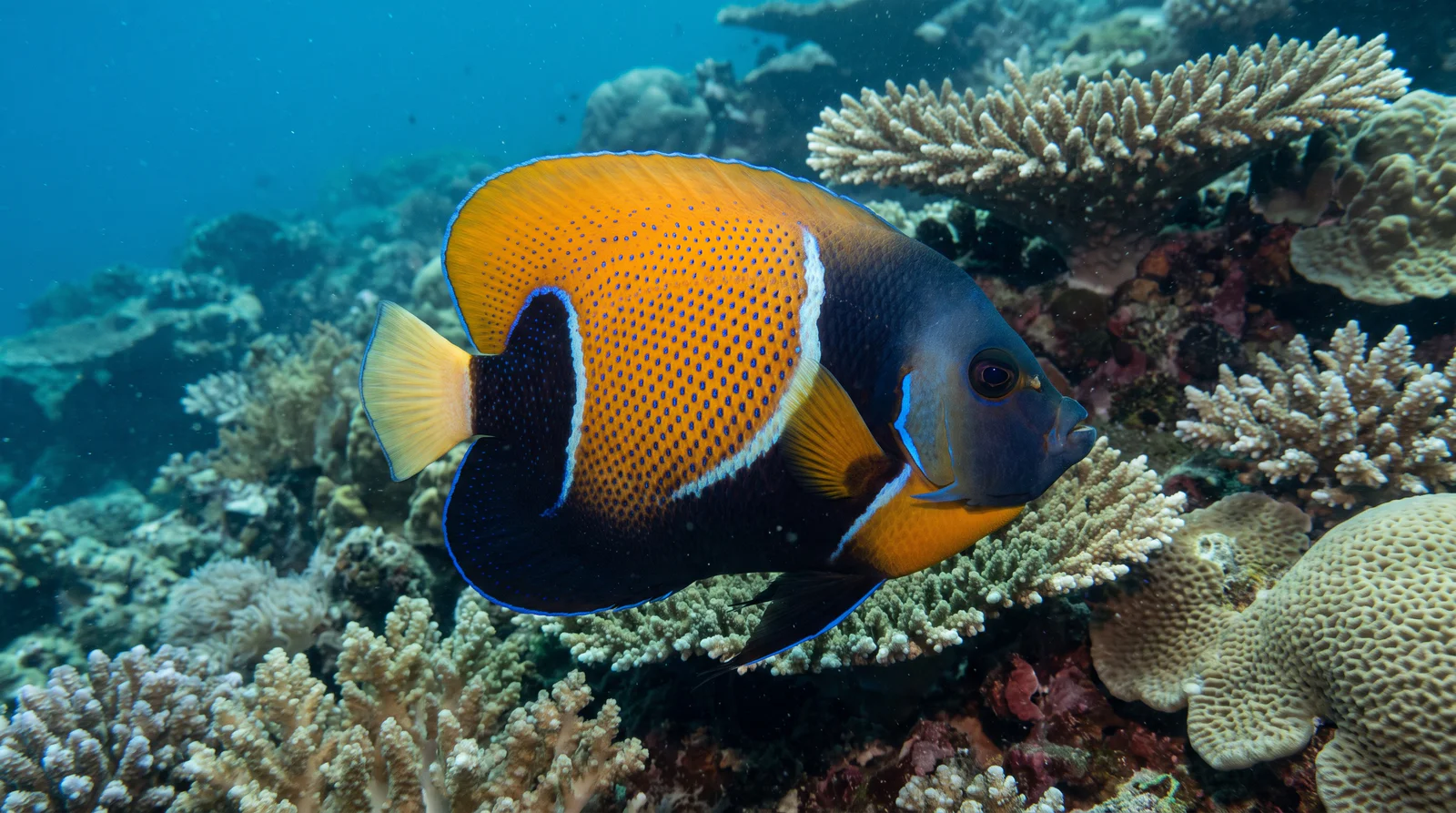
Angelfish (assorted)
Pomacanthidae spp.
Documented site occurrence
Source reviewed on 2026-11-05 · Source: Dive Concepts · Observation date not documented
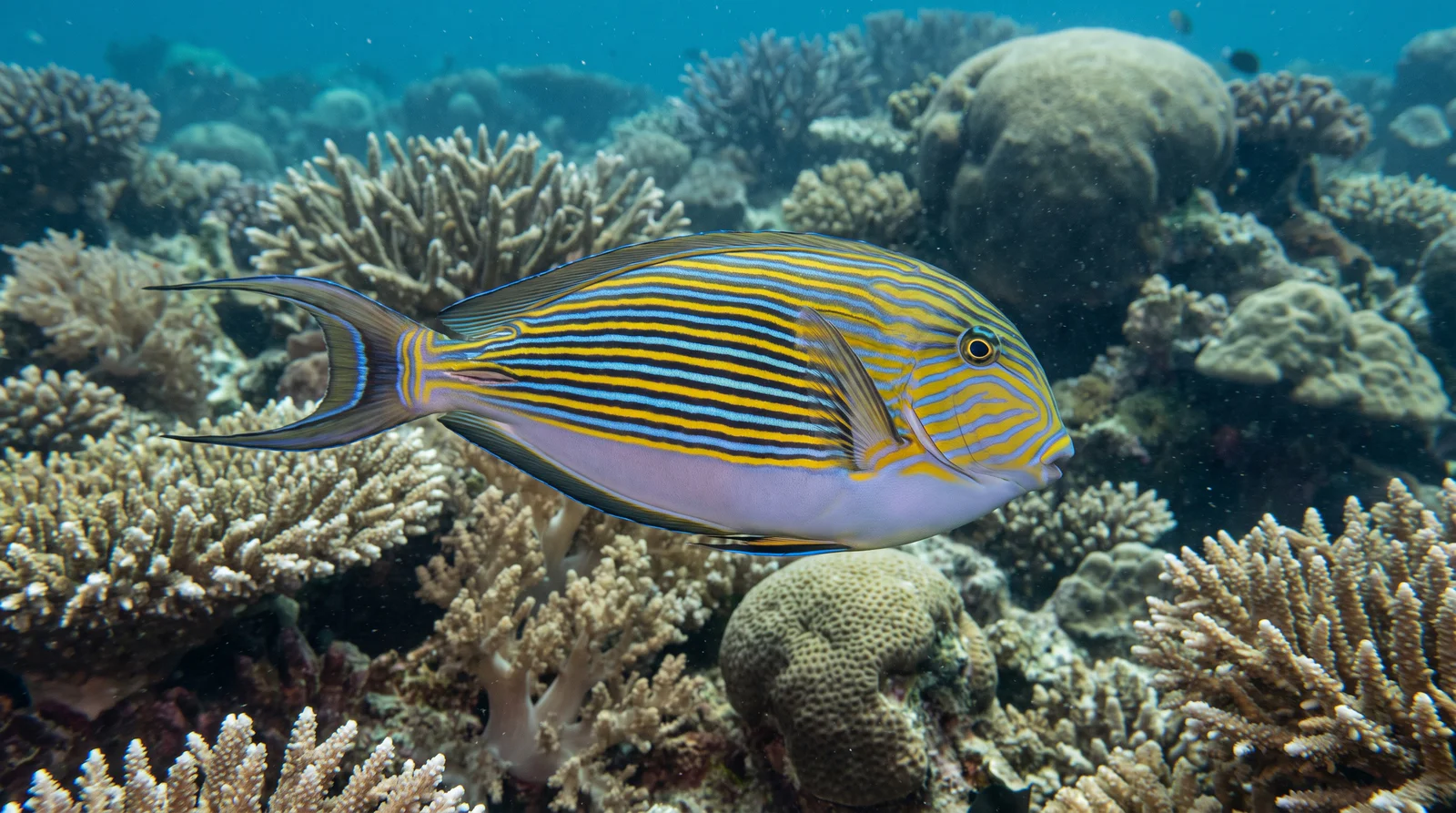
Surgeonfish (assorted)
Acanthuridae spp.
Documented site occurrence
Source reviewed on 2026-11-05 · Source: Blue Season Bali · Observation date not documented
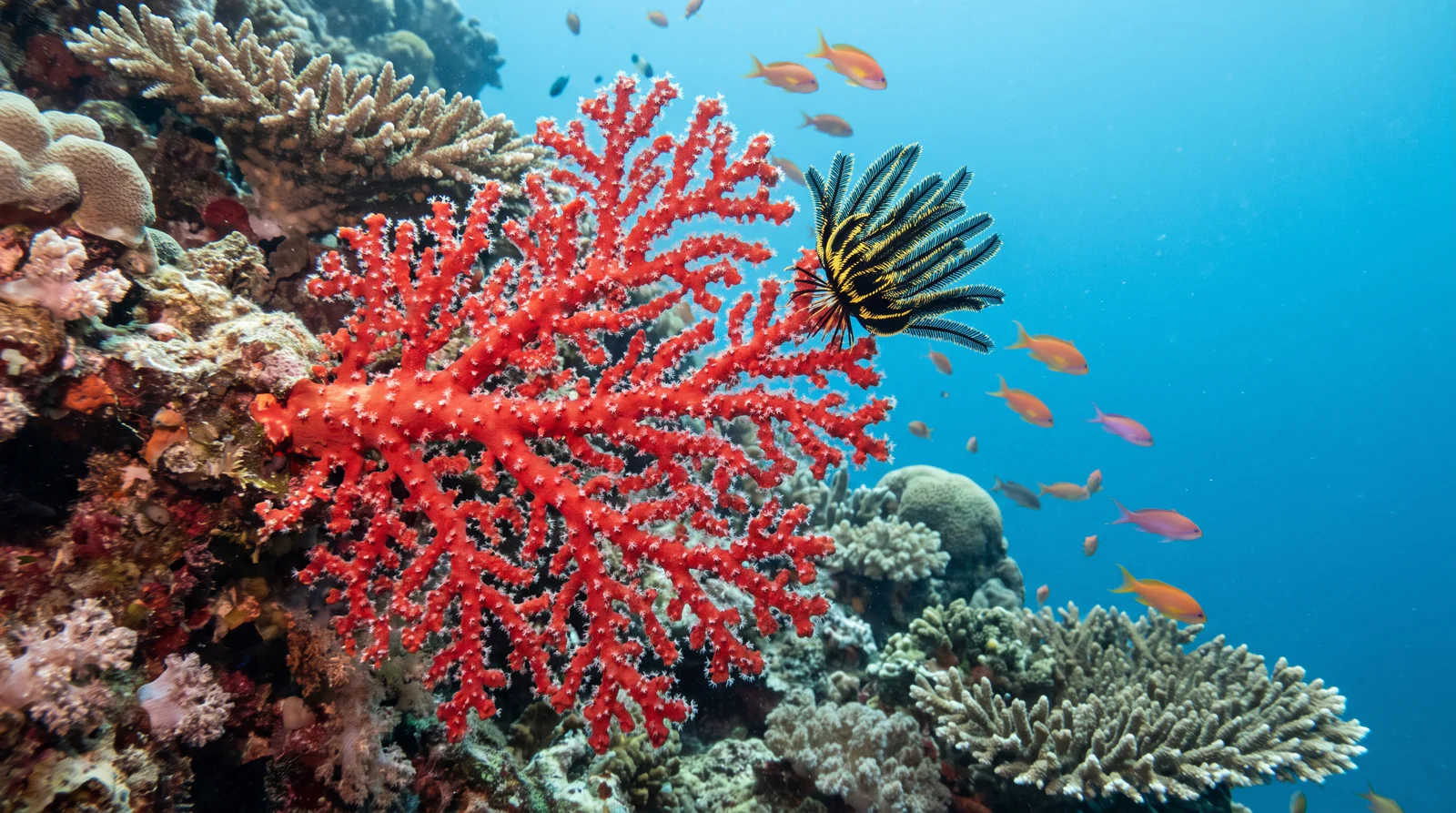
Sea Fan / Gorgonian (assorted)
Octocorallia spp. (gorgonians)
Documented site occurrence
Source reviewed on 2026-11-05 · Source: Dive Concepts · Observation date not documented
Common · Unverified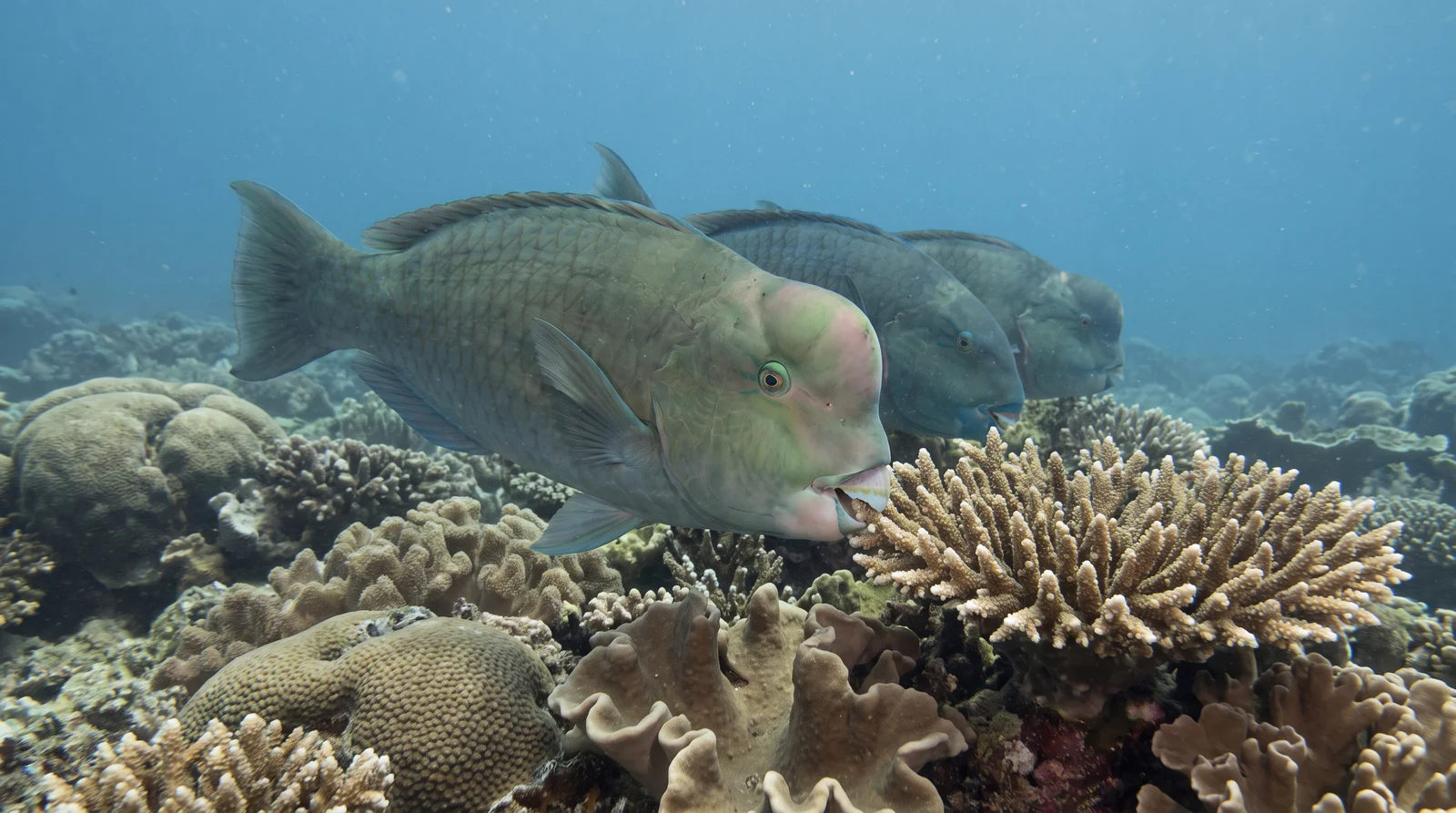
Bumphead Parrotfish
Bolbometopon muricatum
Site occurrence not yet documented
No dated observations available.
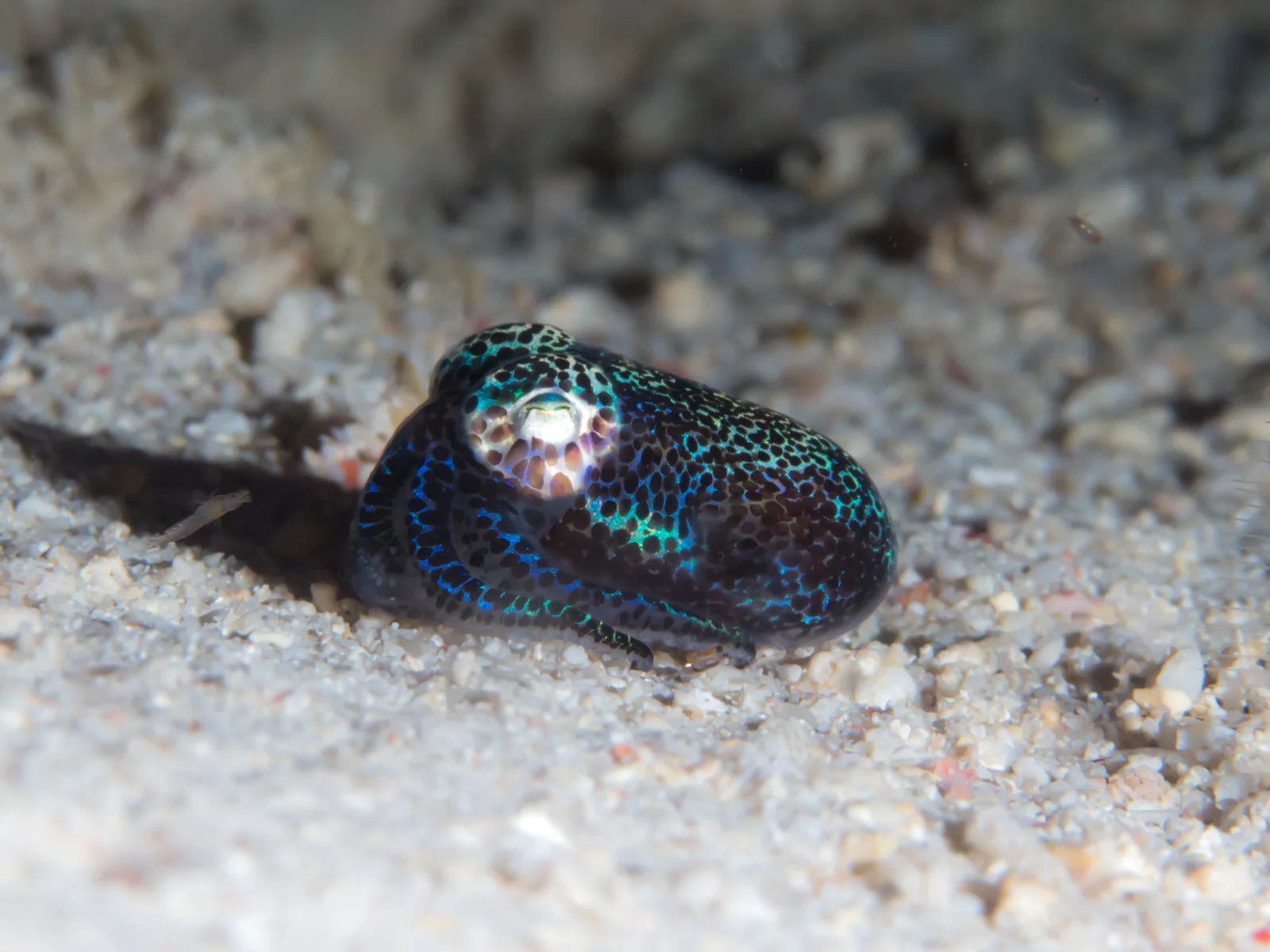
Bobtail Squid (assorted)
Sepiolidae spp.
Documented site occurrence
Source reviewed on 2026-11-05 · Source: Neptune Scuba Diving · Observation date not documented
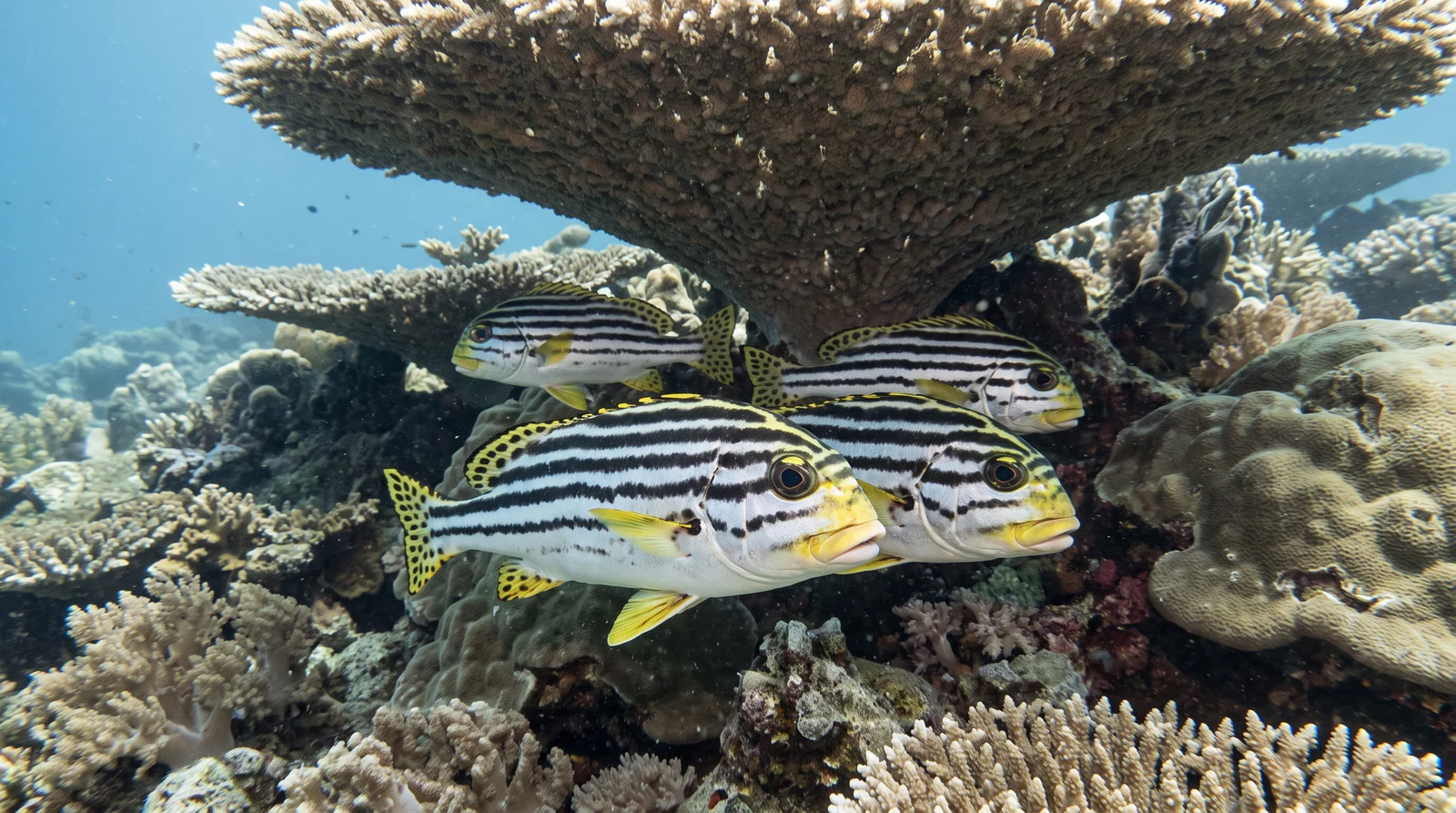
Oriental Sweetlips
Plectorhinchus vittatus
Documented site occurrence
Source reviewed on 2026-11-05 · Source: Blue Season Bali · Observation date not documented
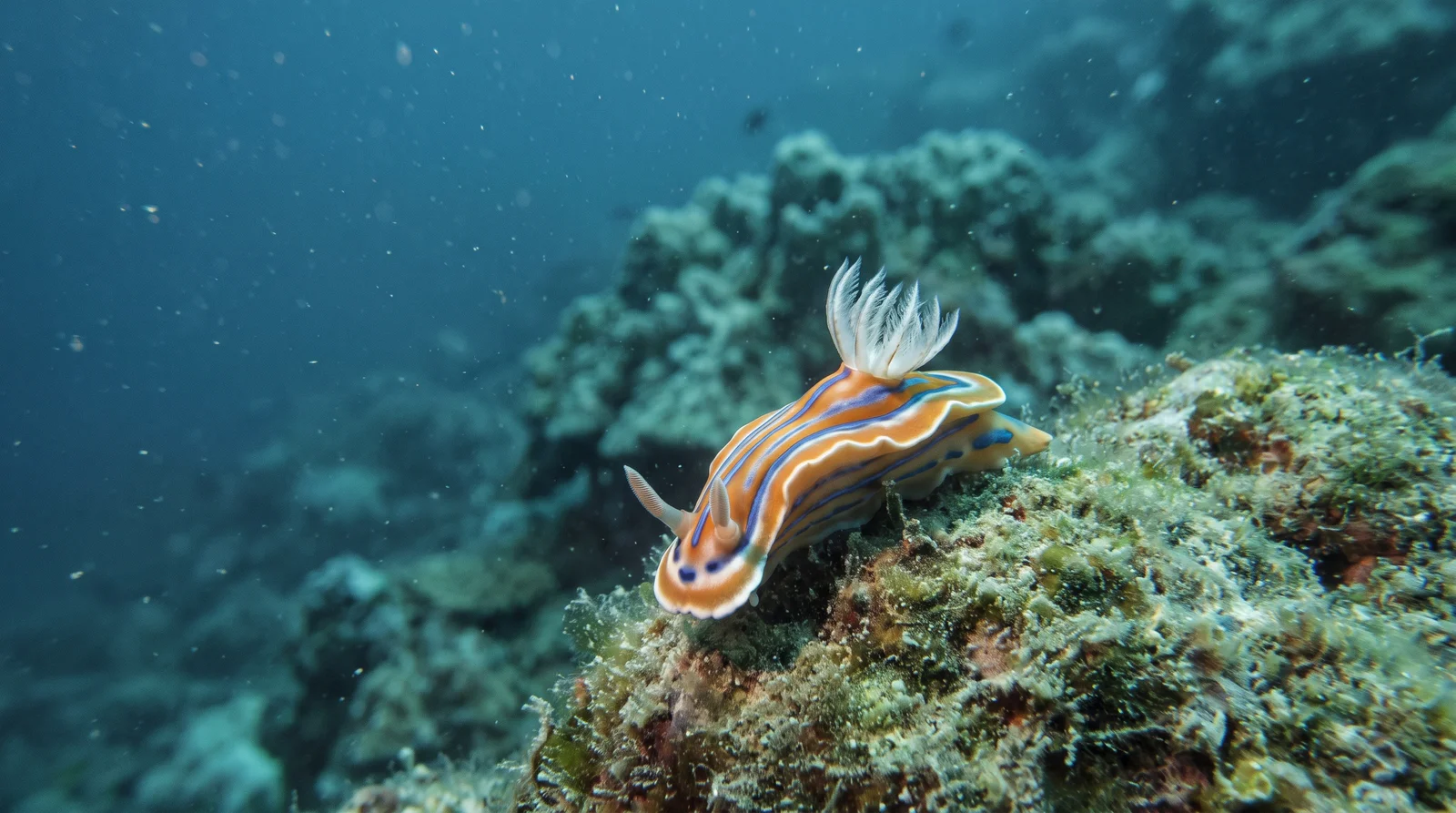
Nudibranch (assorted)
Nudibranchia spp.
Documented site occurrence
Source reviewed on 2026-11-05 · Source: Neptune Scuba Diving · Observation date not documented
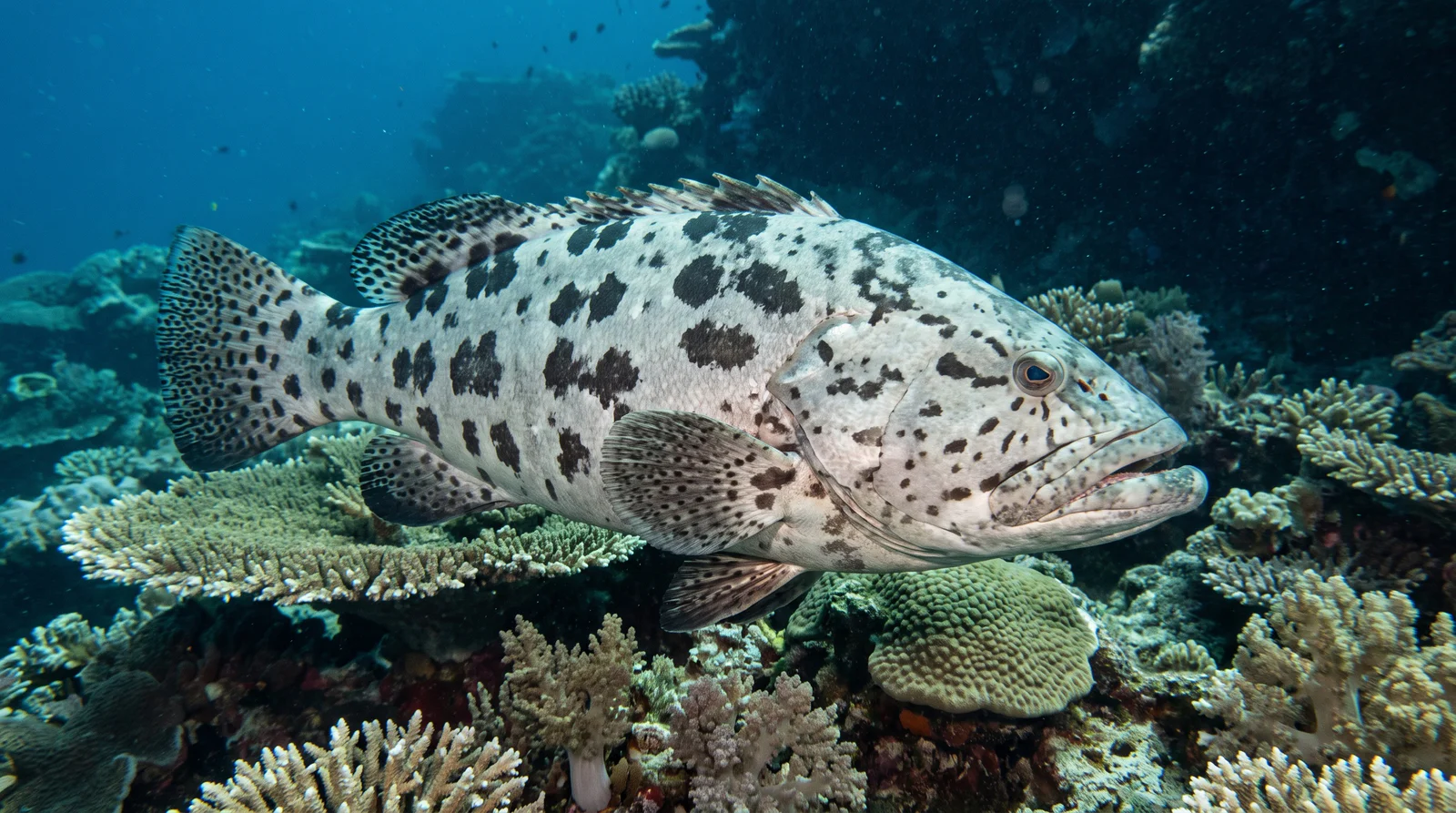
Potato Cod
Epinephelus tukula
Documented site occurrence
Source reviewed on 2026-11-05 · Source: Blue Season Bali · Observation date not documented
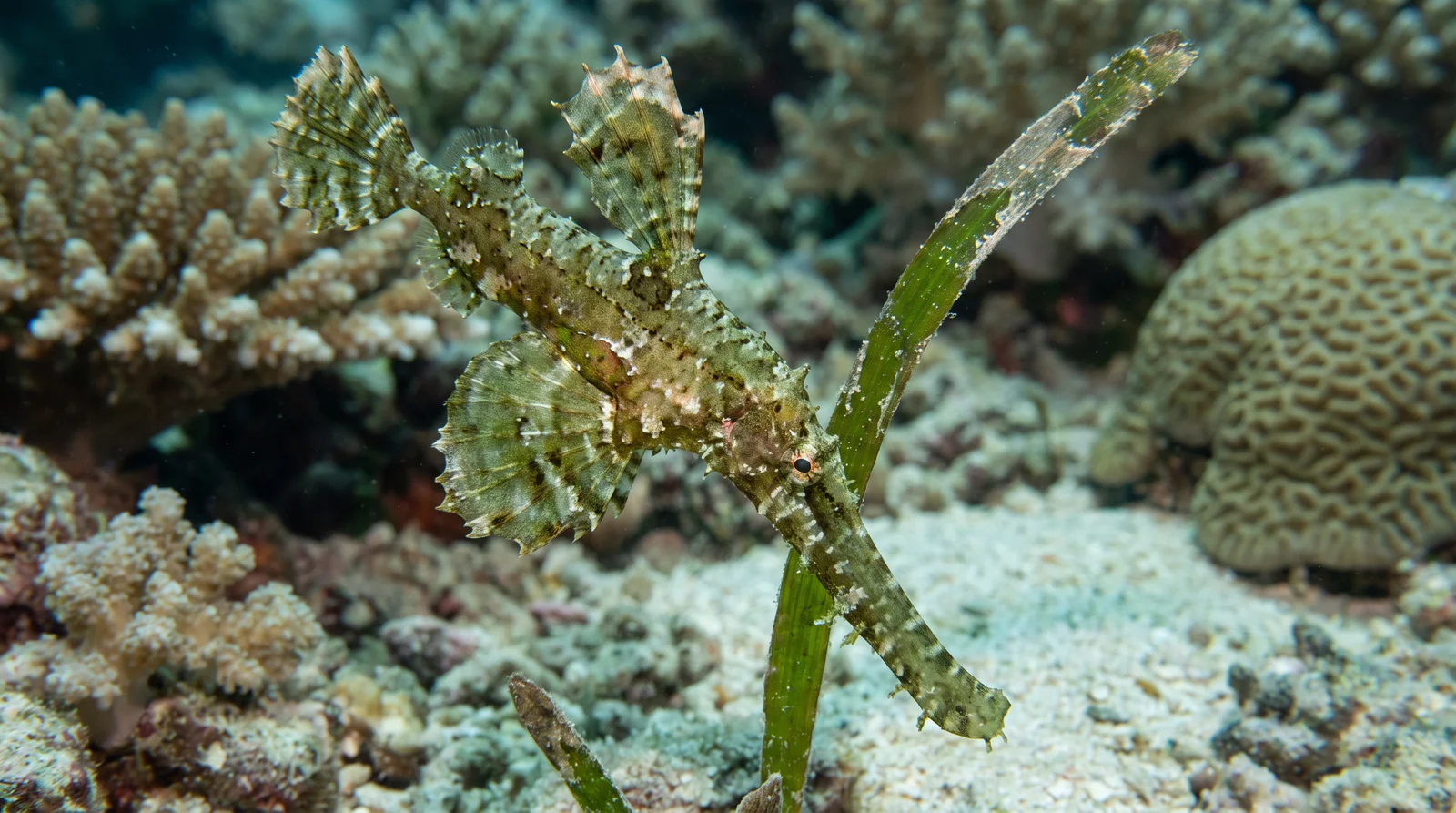
Robust Ghost Pipefish
Solenostomus cyanopterus
Documented site occurrence
Source reviewed on 2026-11-05 · Source: Neptune Scuba Diving · Observation date not documented
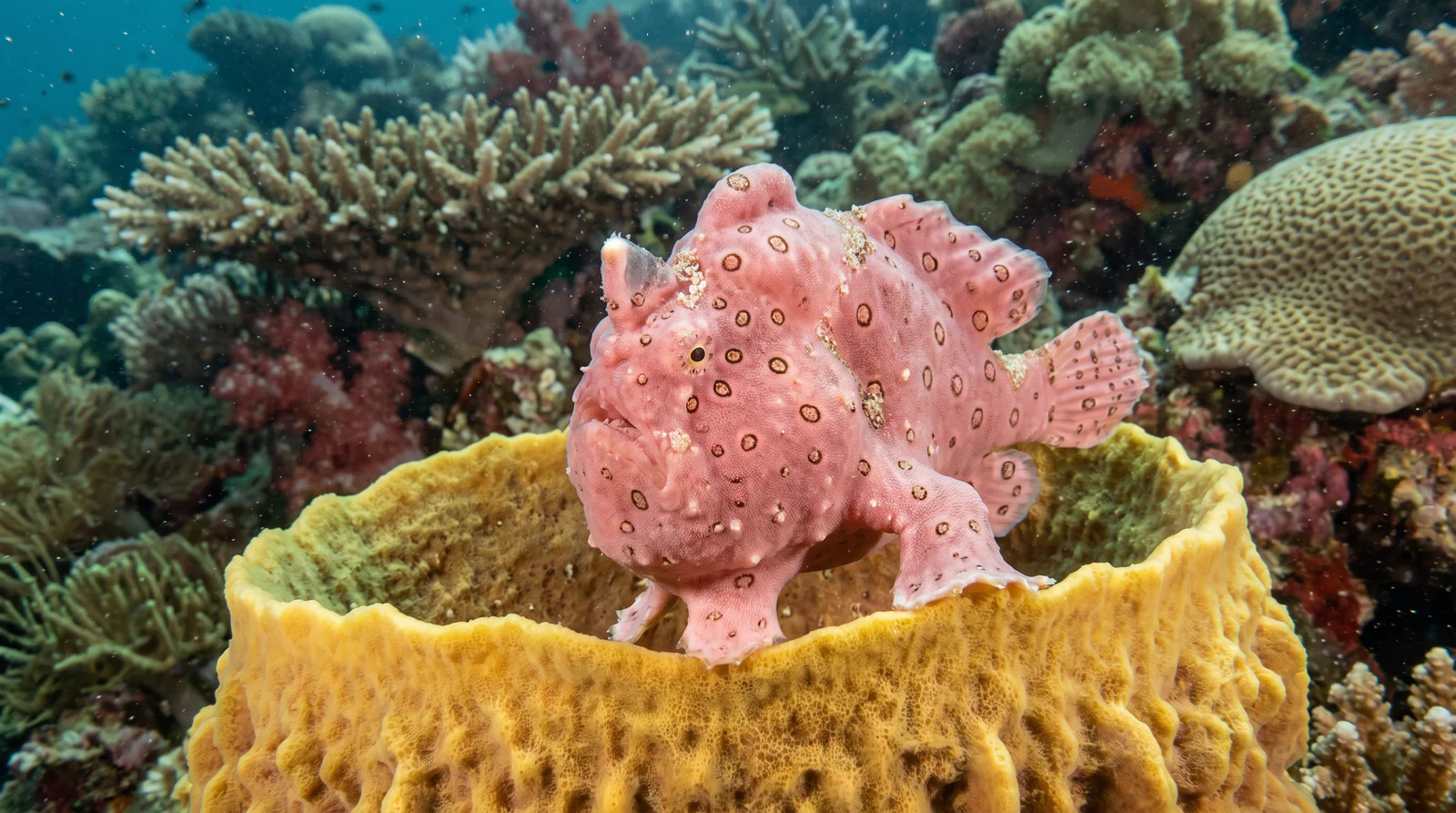
Painted Frogfish
Antennarius pictus
Documented site occurrence
Source reviewed on 2026-11-05 · Source: Neptune Scuba Diving · Observation date not documented
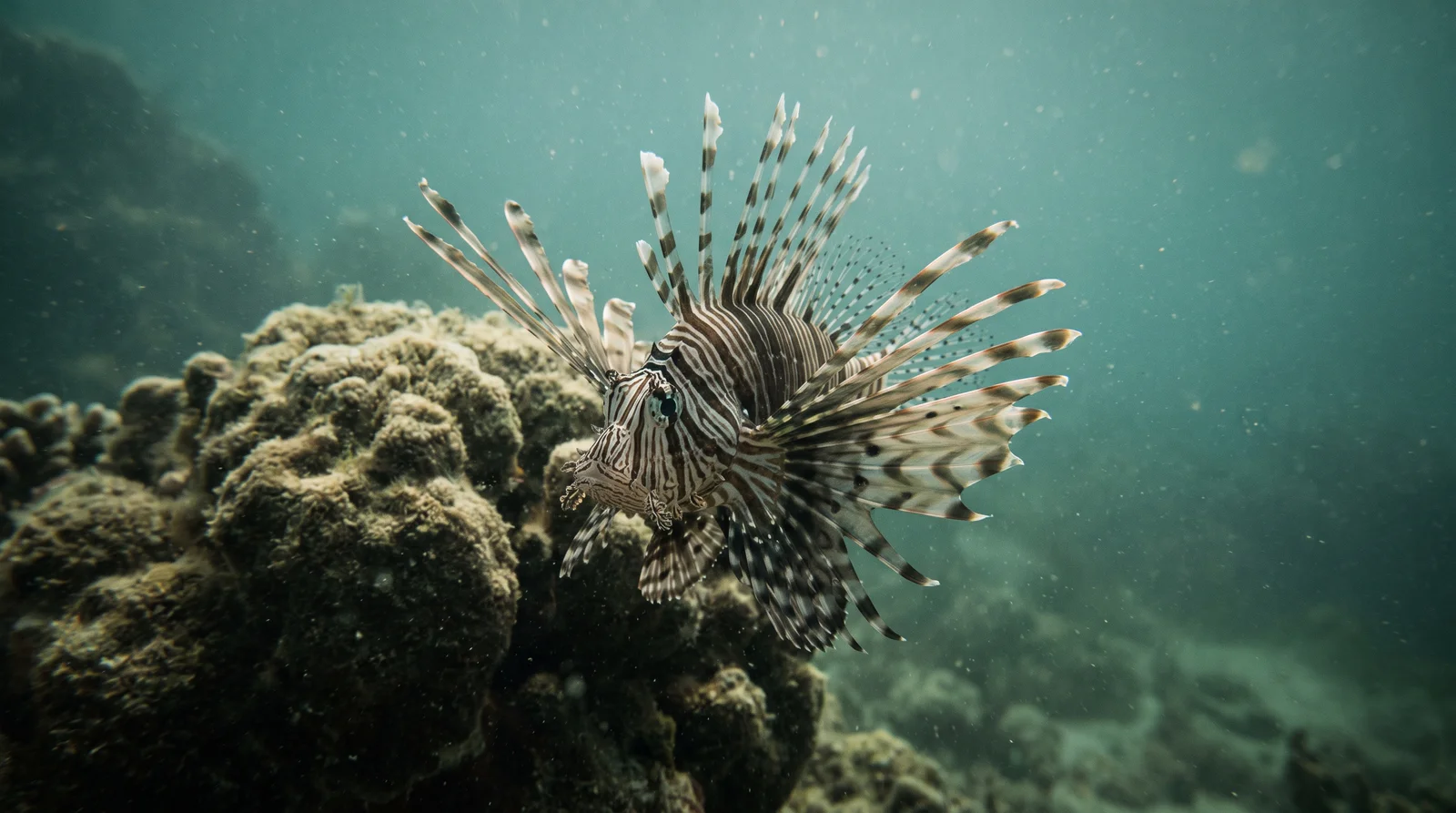
Lionfish (assorted)
Pteroinae spp.
Documented site occurrence
Source reviewed on 2026-11-05 · Source: Neptune Scuba Diving · Observation date not documented
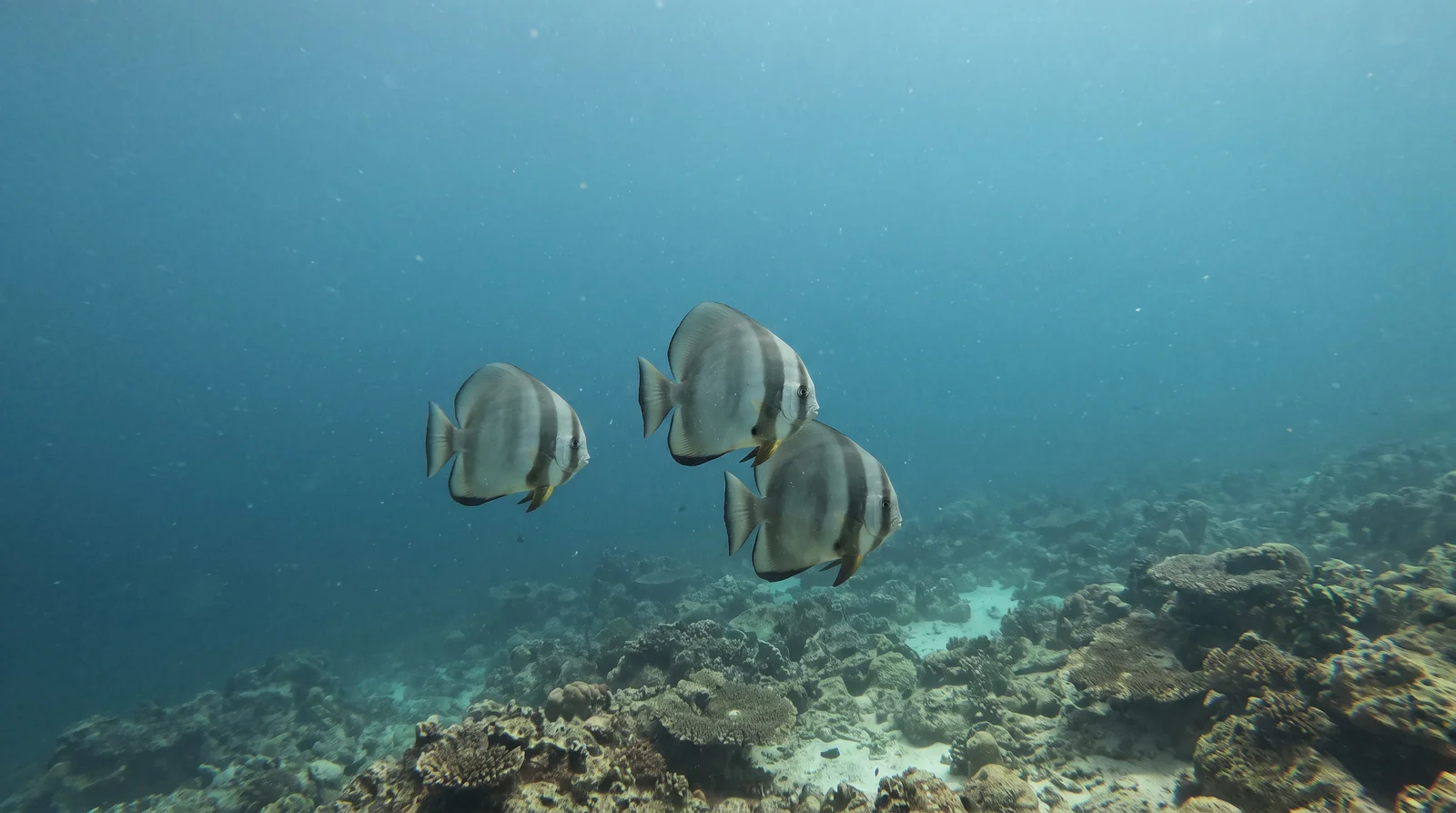
Batfish (assorted)
Platax spp.
Documented site occurrence
Source reviewed on 2026-11-05 · Source: Neptune Scuba Diving · Observation date not documented
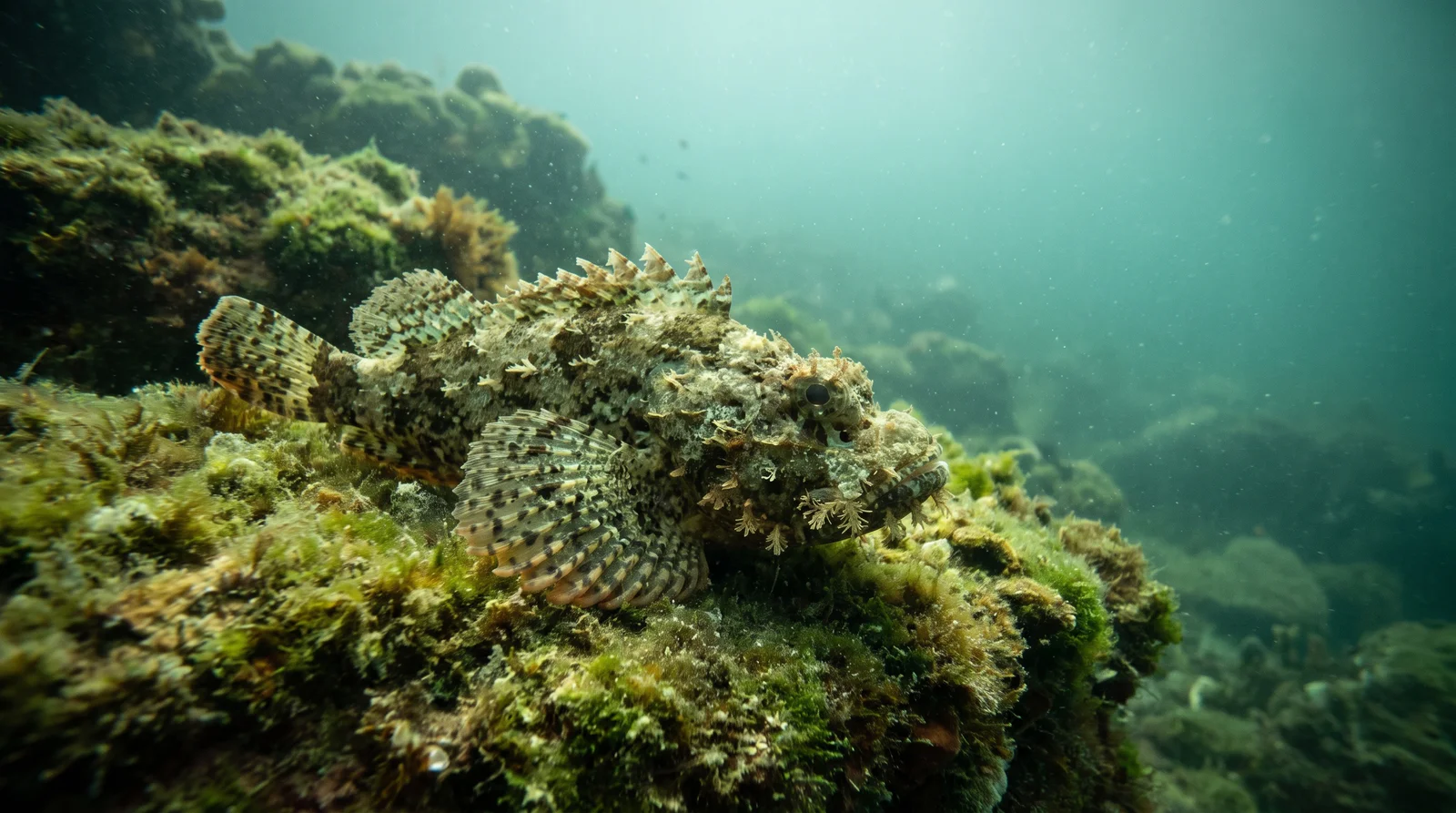
Scorpionfish (assorted)
Scorpaenidae spp.
Documented site occurrence
Source reviewed on 2026-11-05 · Source: Neptune Scuba Diving · Observation date not documented
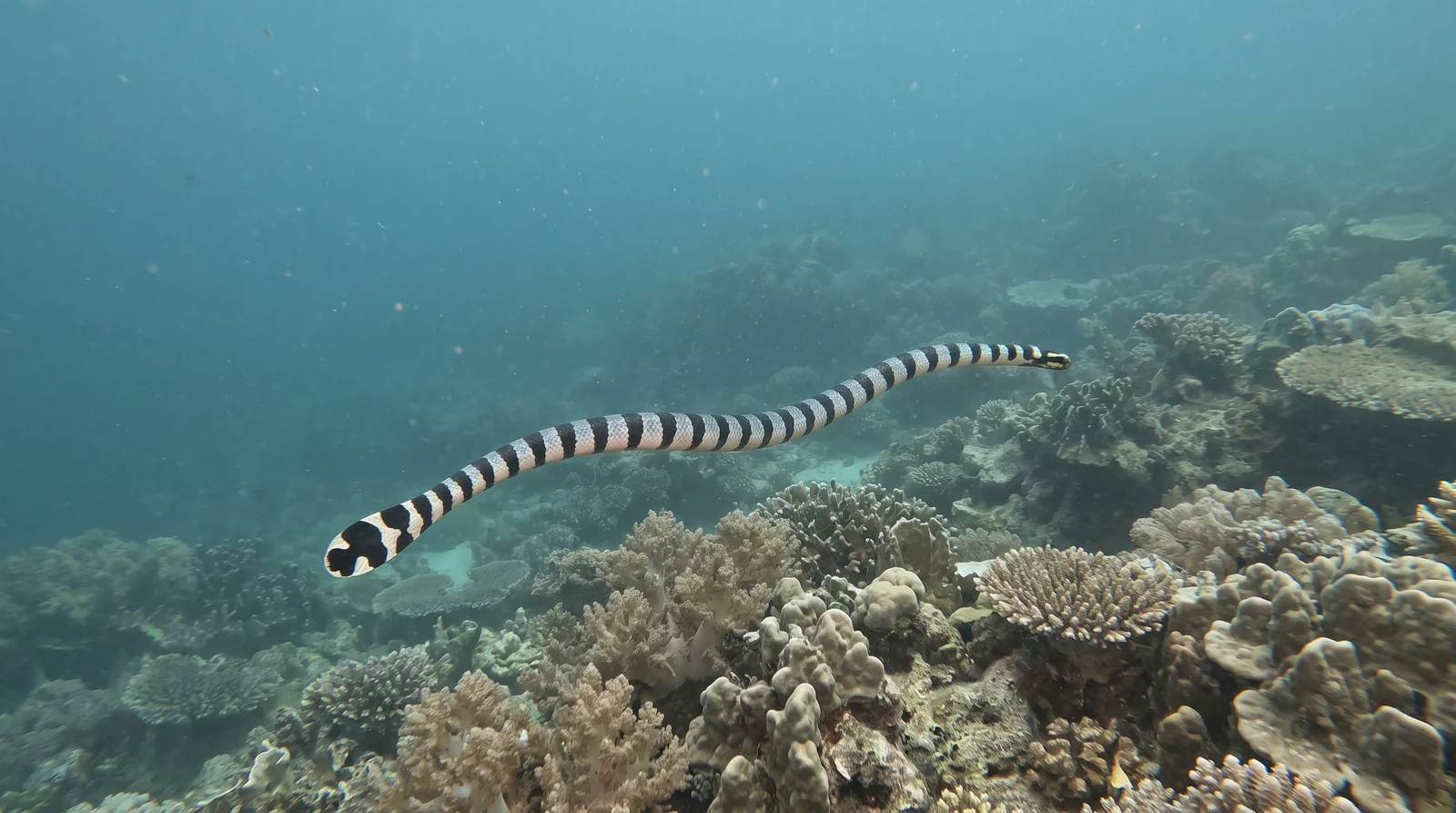
Sea Snake / Sea Krait (assorted)
Hydrophiinae spp.
Documented site occurrence
Source reviewed on 2026-11-05 · Source: Neptune Scuba Diving · Observation date not documented
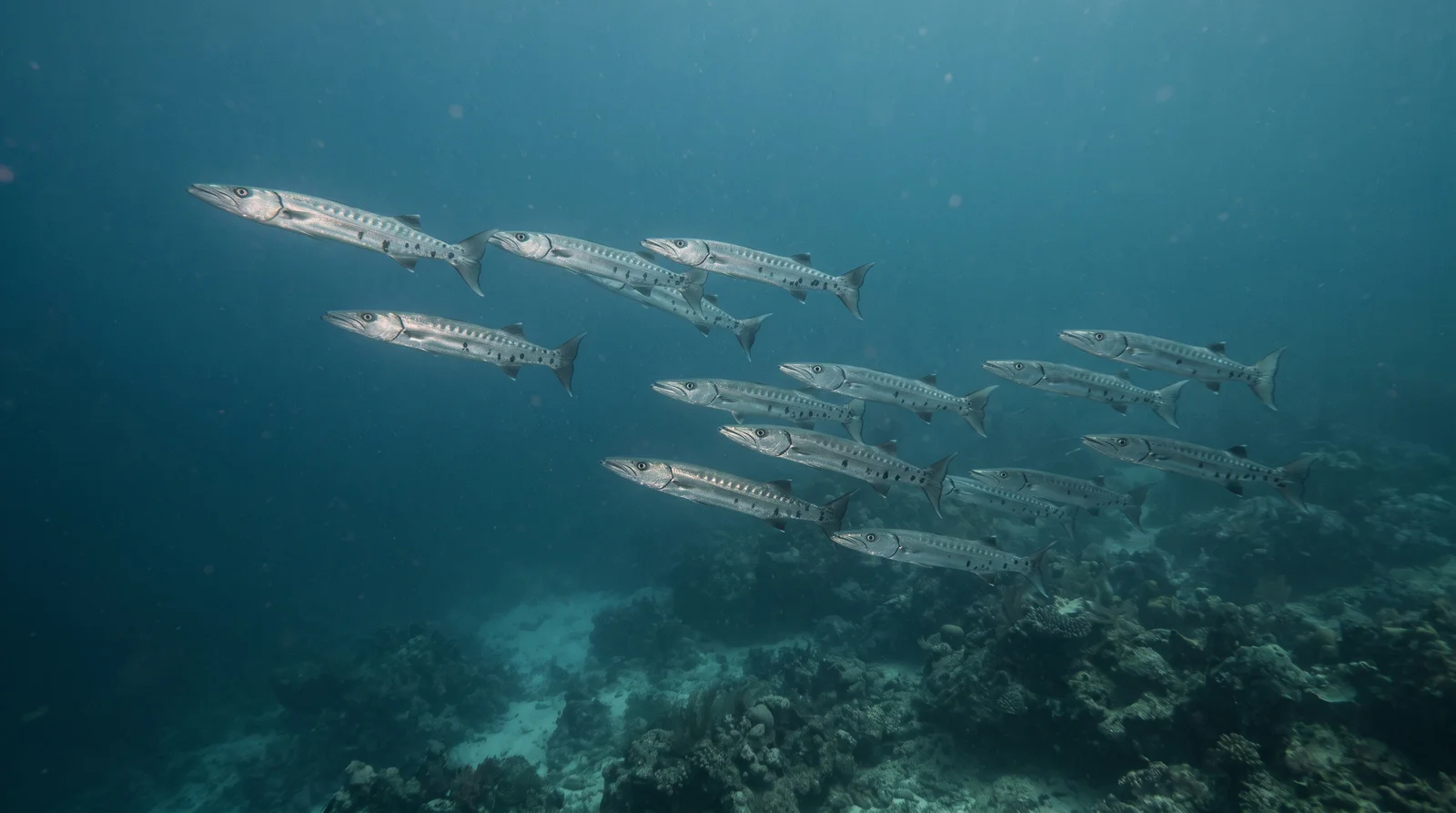
Barracuda (assorted)
Sphyraena spp.
Documented site occurrence
Source reviewed on 2026-11-05 · Source: Blue Season Bali · Observation date not documented
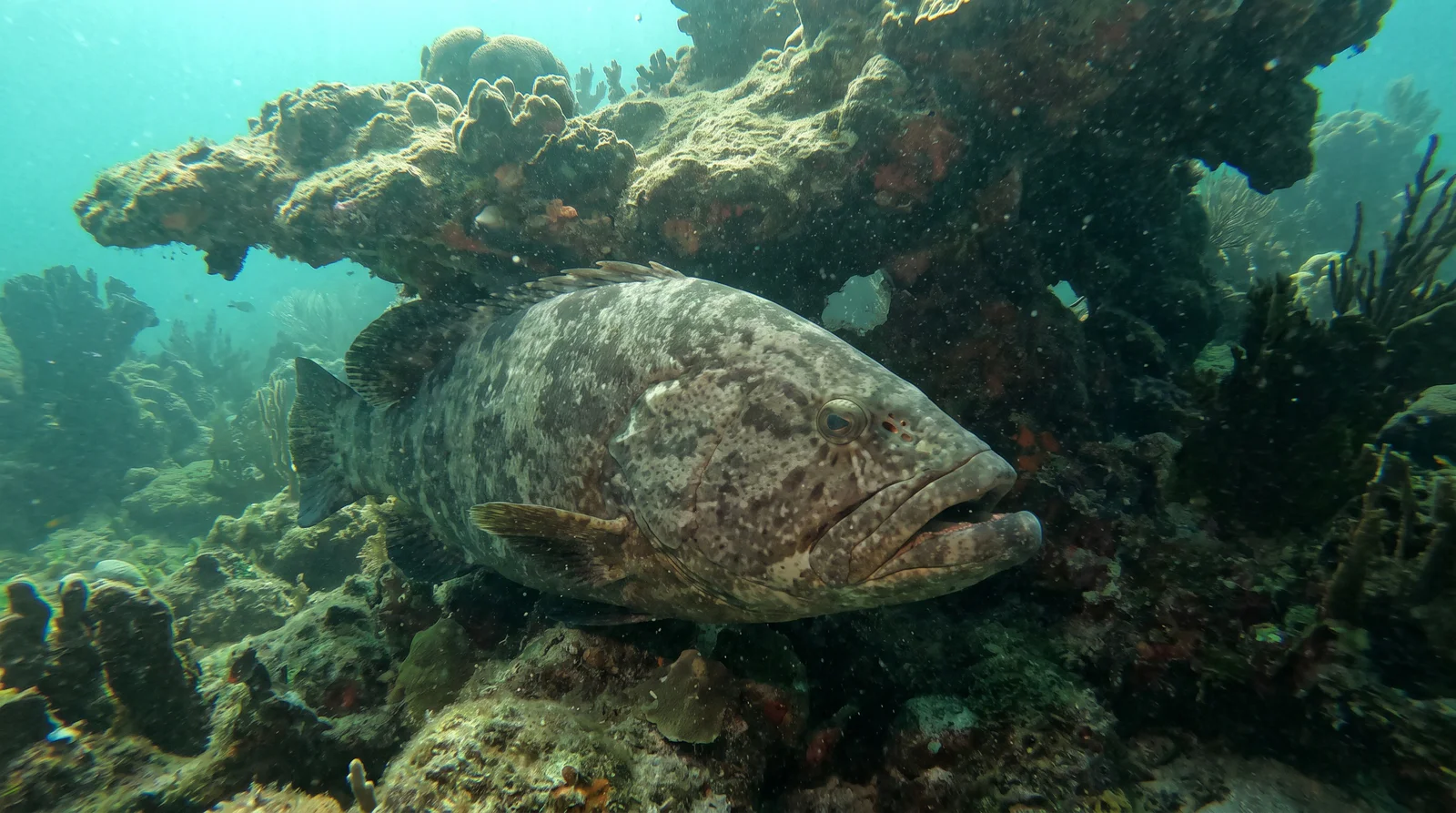
Grouper (assorted)
Epinephelinae spp.
Documented site occurrence
Source reviewed on 2026-11-05 · Source: Dive Concepts · Observation date not documented
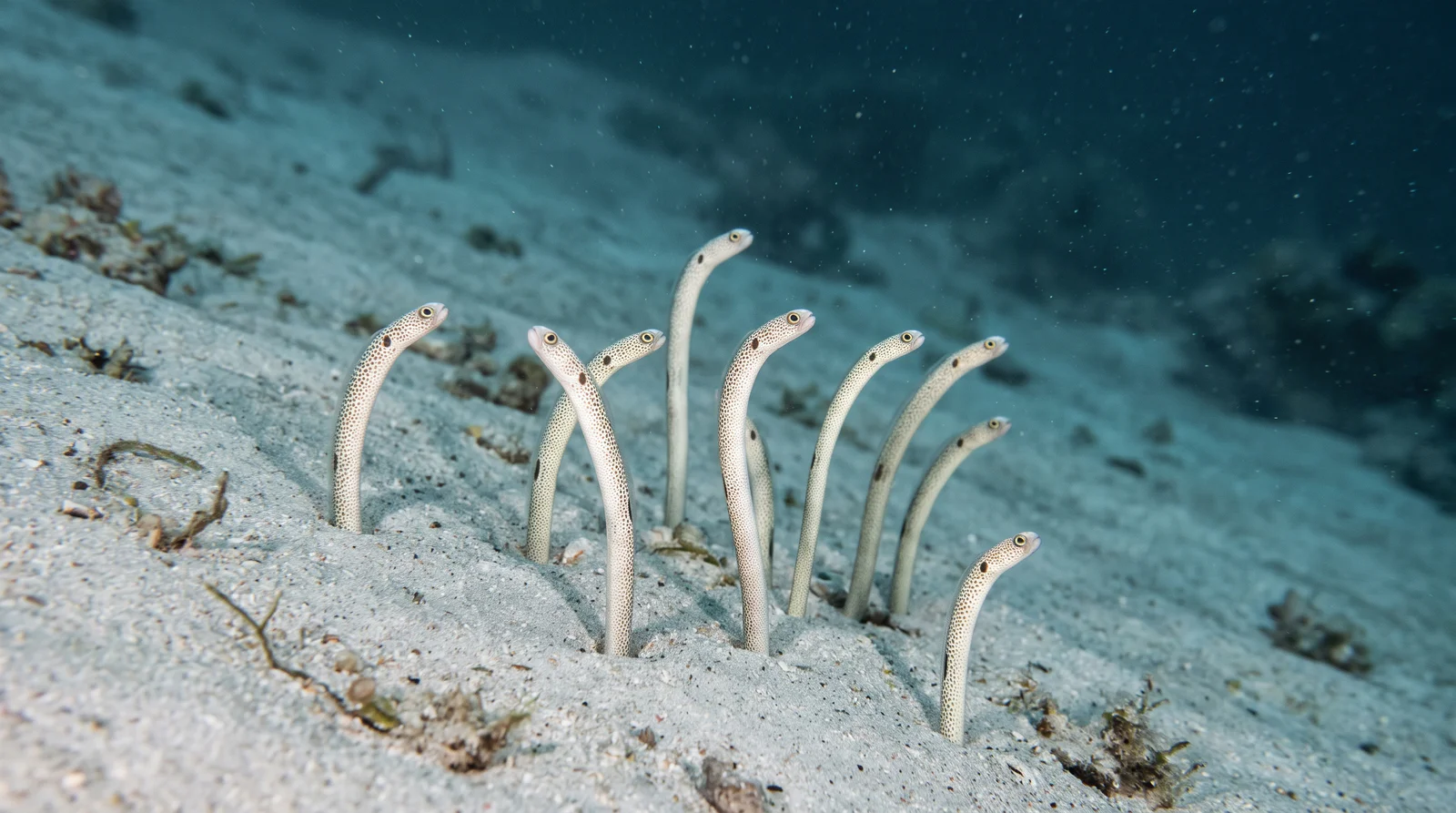
Garden Eel (assorted)
Heterocongrinae spp.
Documented site occurrence
Source reviewed on 2026-11-06 · Source: Neptune Scuba Diving · Observation date not documented
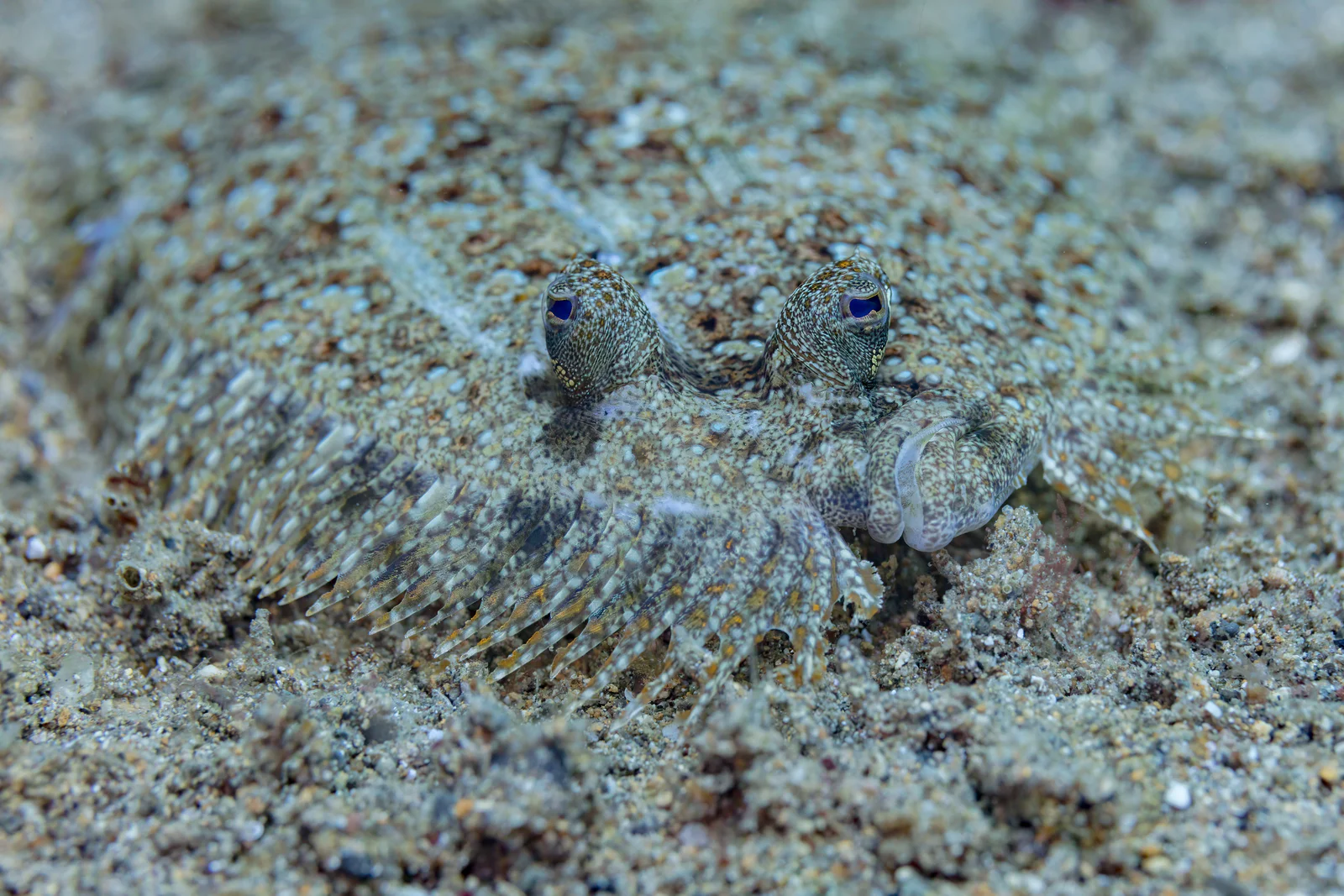
Flounders (assorted)
Pleuronectoidei spp. (flounders)
Documented site occurrence
Source reviewed on 2026-11-09 · Source: The Jakarta Post · Observation date not documented
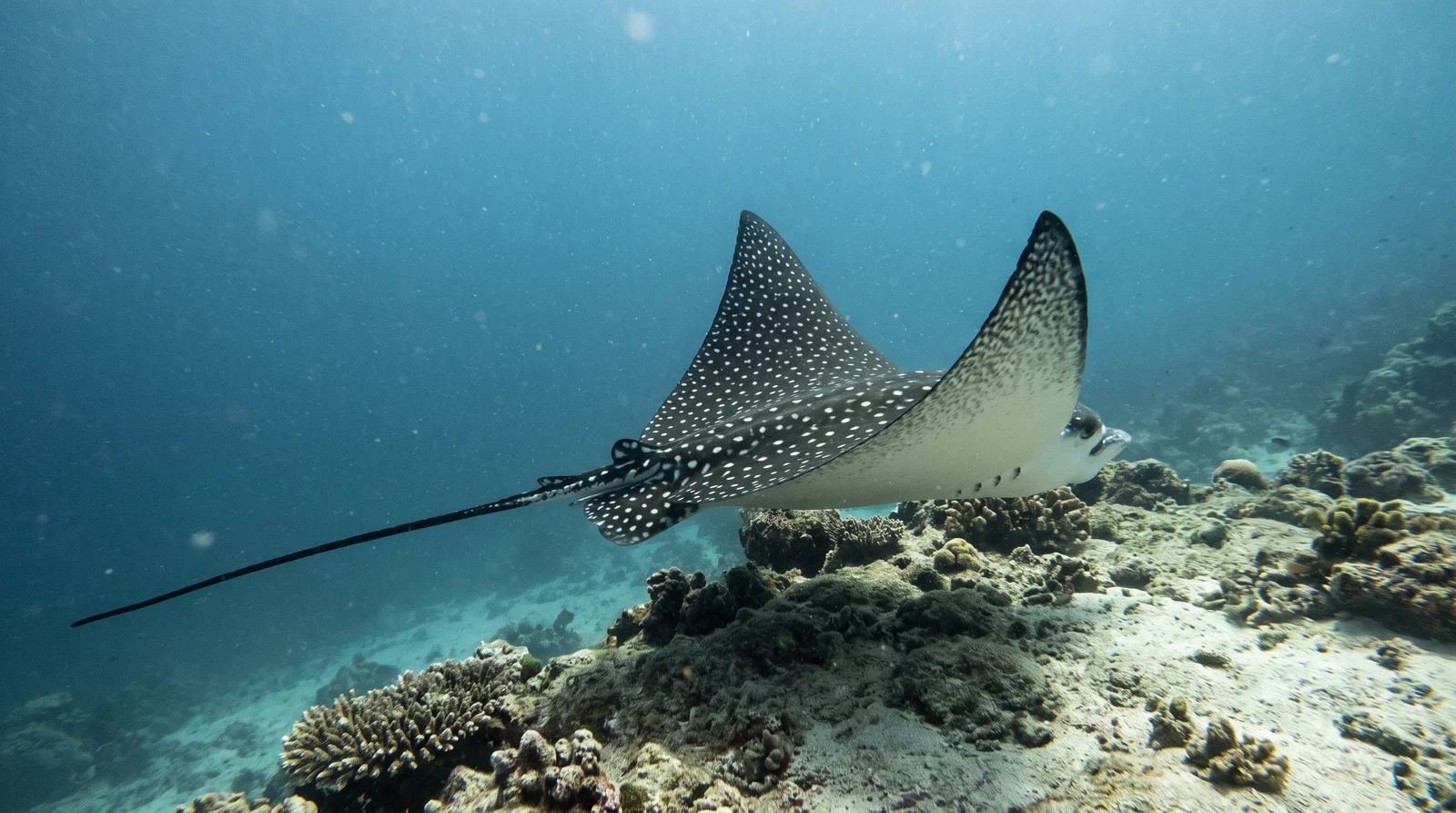
Eagle Ray (assorted)
Aetobatidae and Myliobatidae spp.
Documented site occurrence
Source reviewed on 2026-11-05 · Source: Dive Concepts · Observation date not documented
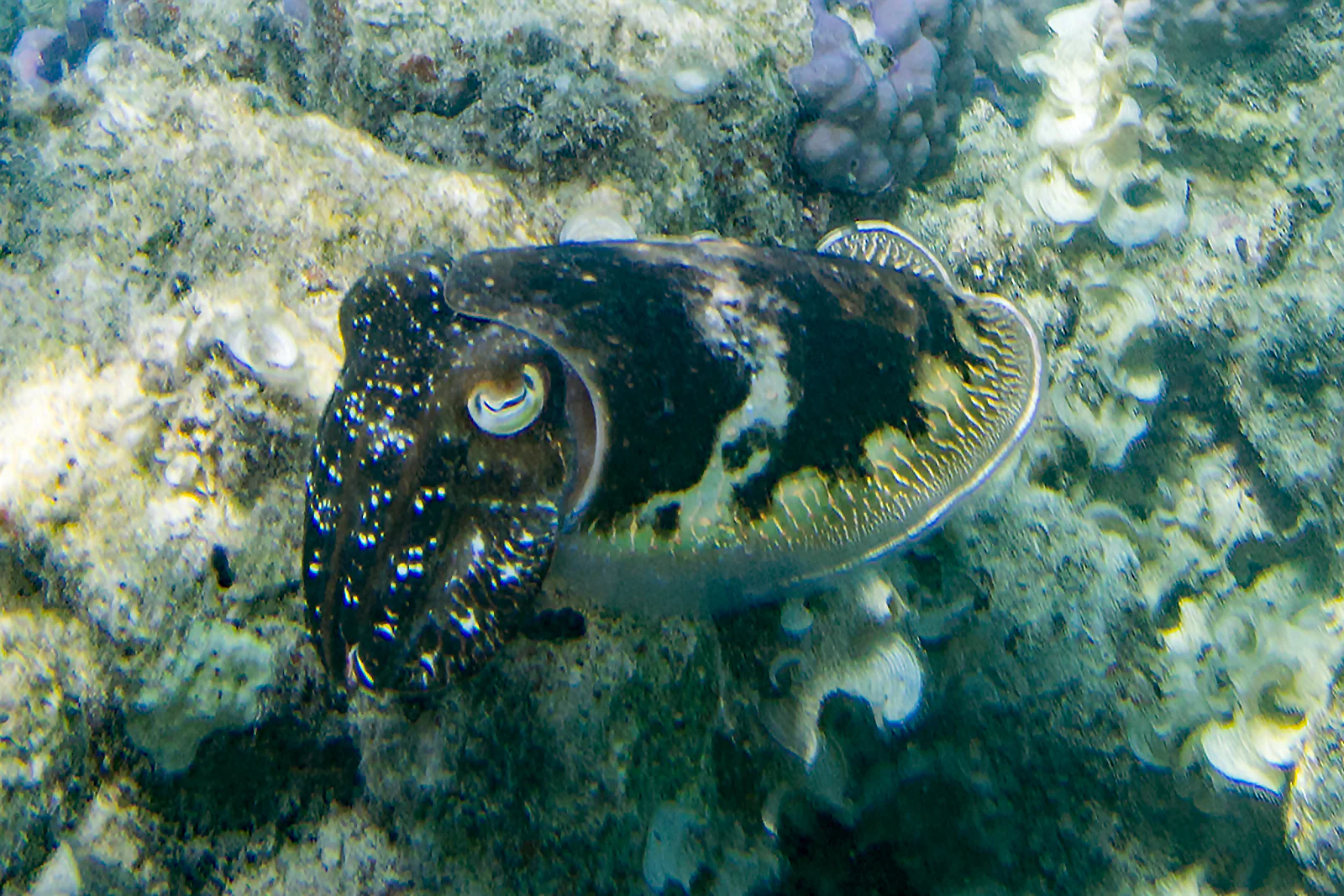
Cuttlefish (assorted)
Sepiidae spp.
Documented site occurrence
Source reviewed on 2026-11-06 · Source: Neptune Scuba Diving · Observation date not documented
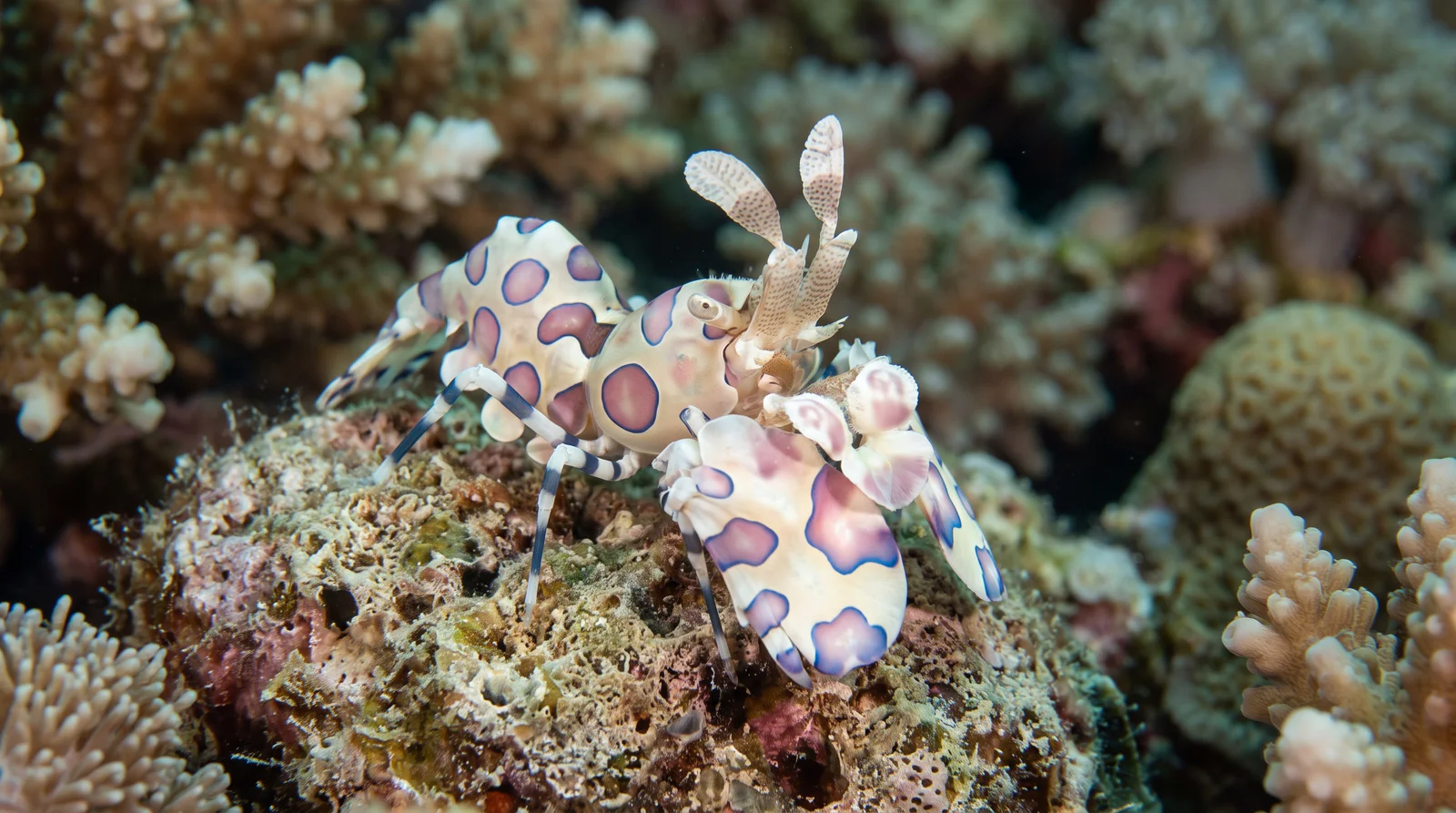
Harlequin Shrimp
Hymenocera picta
Documented site occurrence
Source reviewed on 2026-11-05 · Source: Neptune Scuba Diving · Observation date not documented
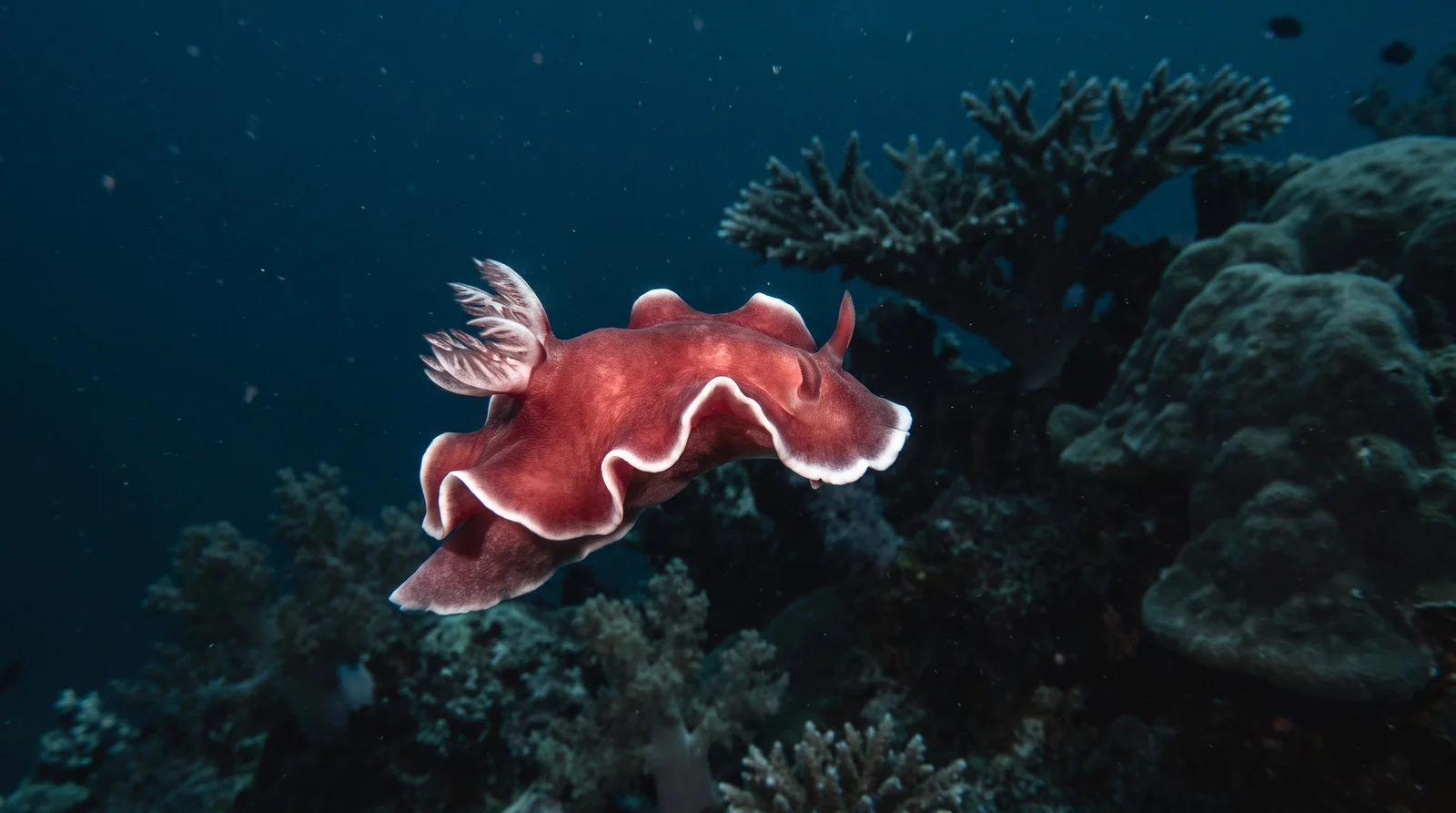
Spanish Dancer
Hexabranchus sanguineus
Documented site occurrence
Source reviewed on 2026-11-05 · Source: Neptune Scuba Diving · Observation date not documented
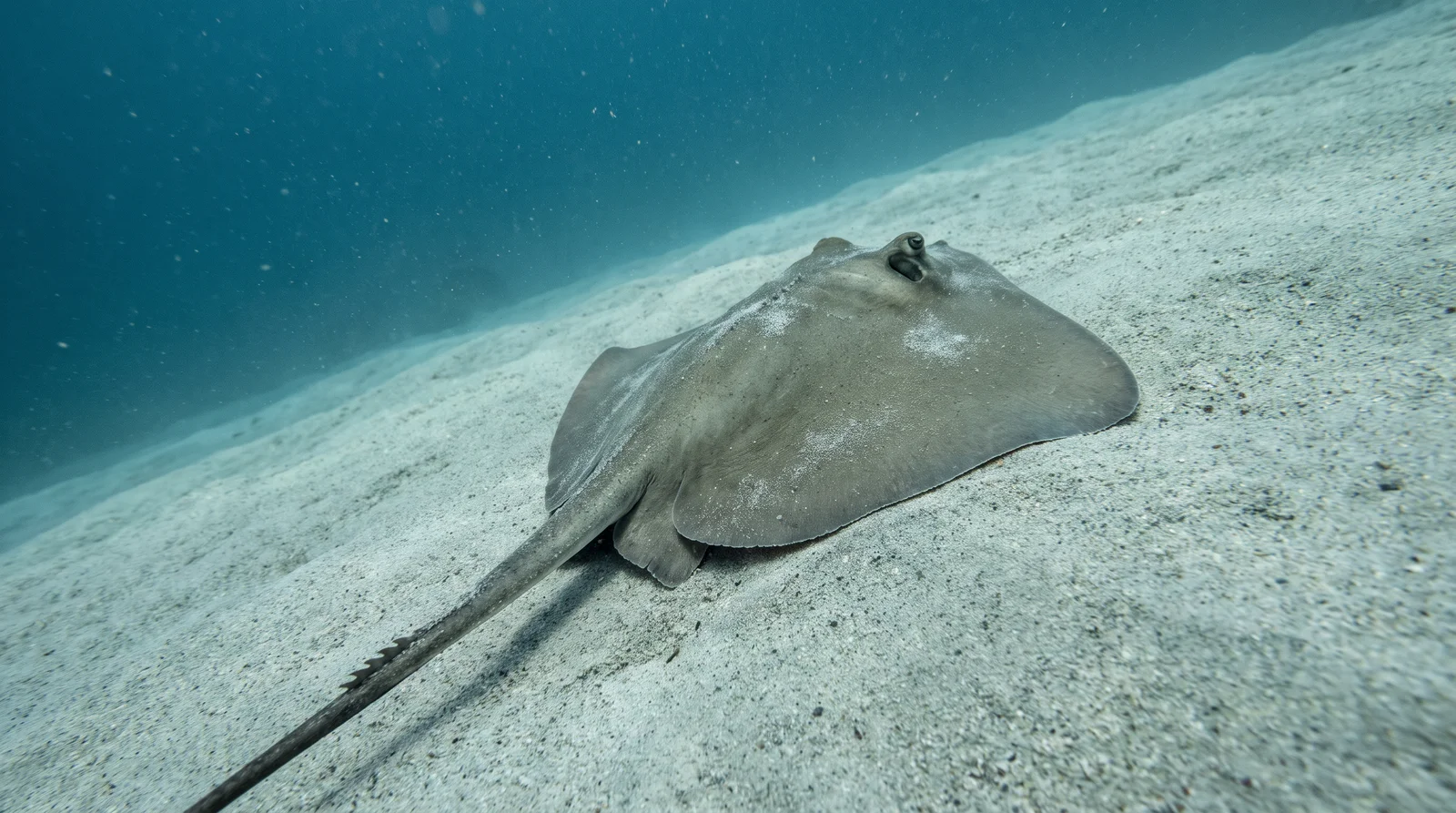
Stingray (assorted)
Myliobatoidei spp.
Documented site occurrence
Source reviewed on 2026-11-09 · Source: The Jakarta Post · Observation date not documented
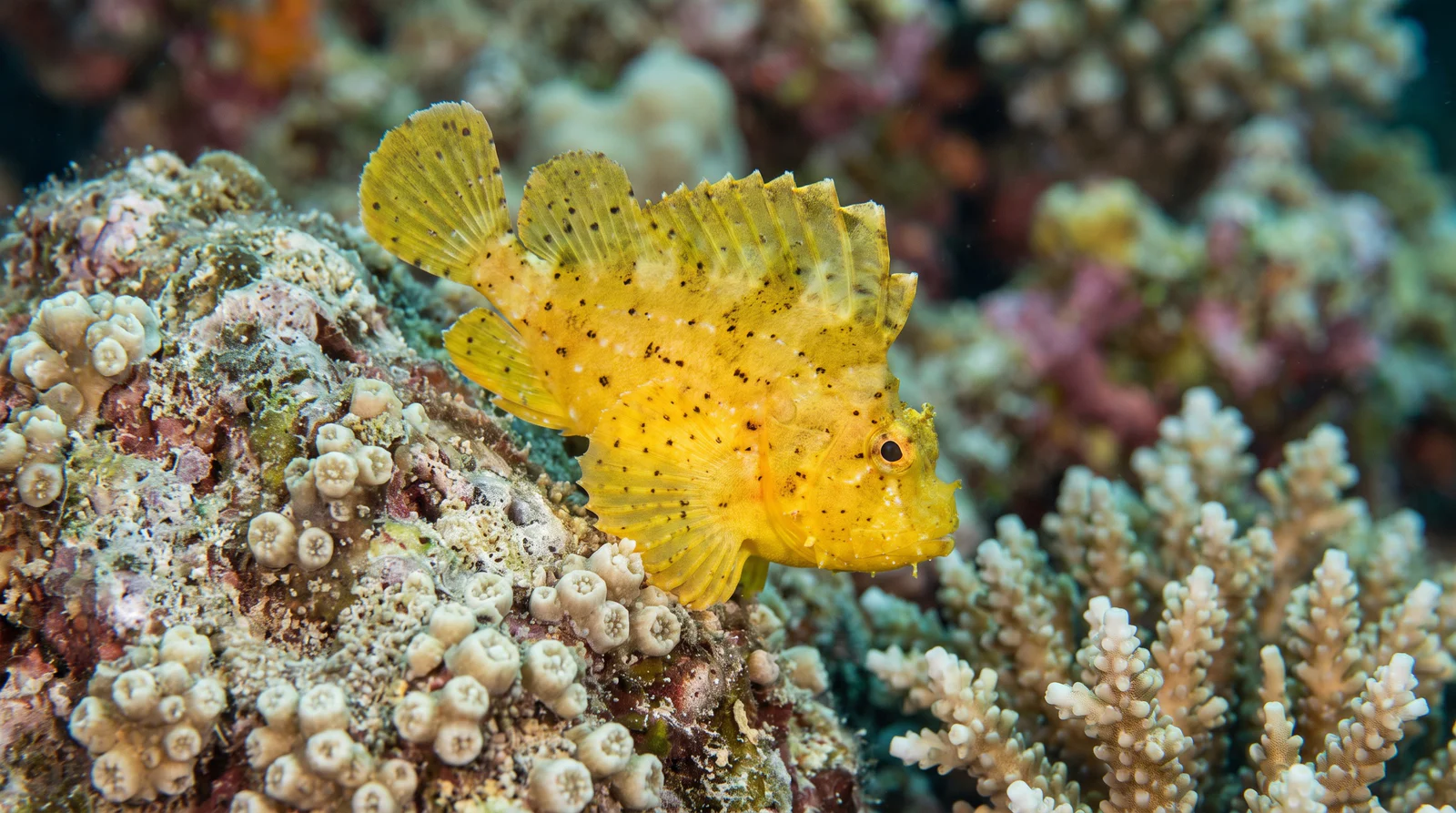
Leaf Scorpionfish
Taenianotus triacanthus
Documented site occurrence
Source reviewed on 2026-11-05 · Source: Dive Concepts · Observation date not documented
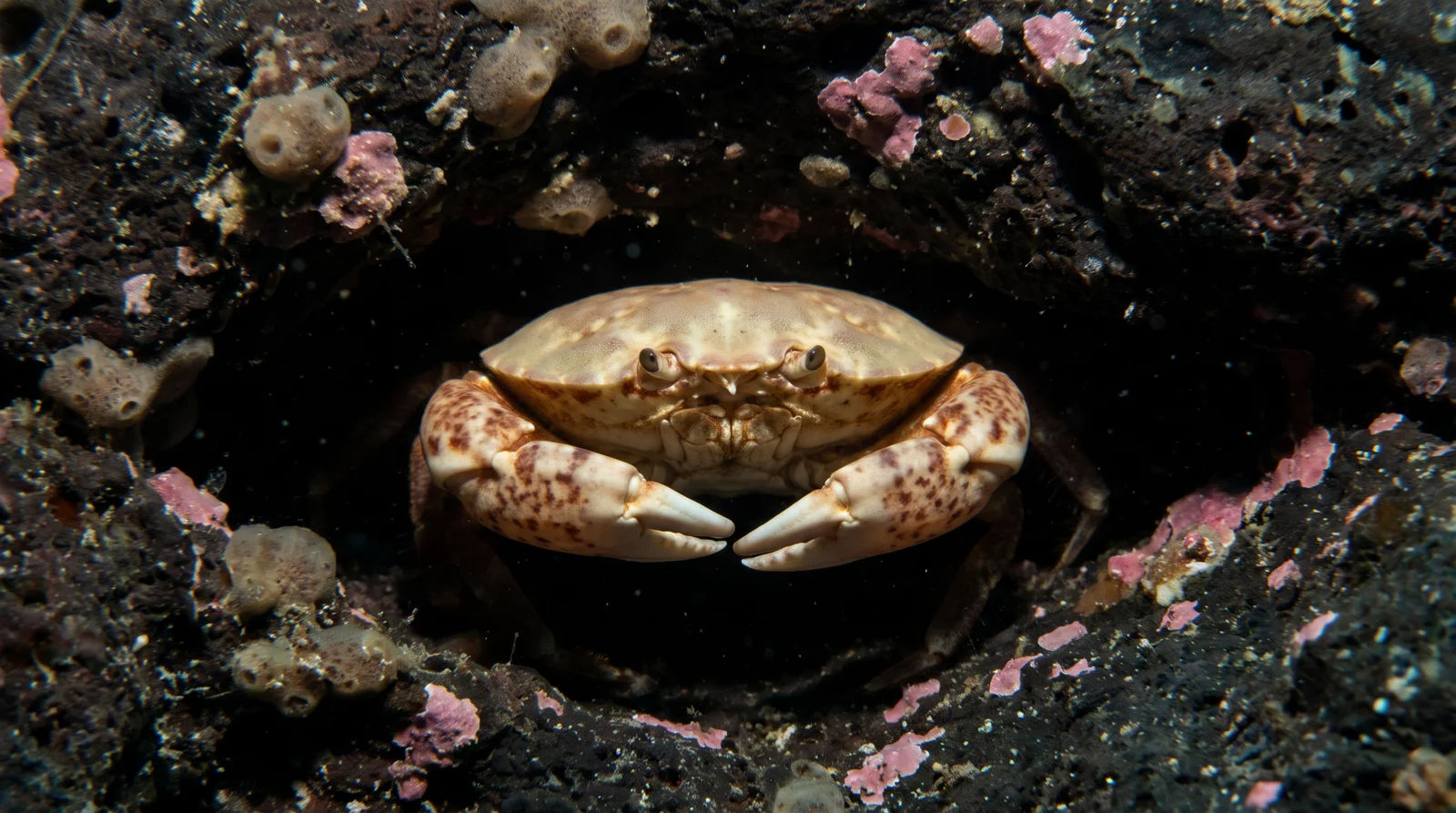
Crab (assorted)
Brachyura and Anomura spp. (crabs)
Documented site occurrence
Source reviewed on 2026-11-06 · Source: Neptune Scuba Diving · Observation date not documented
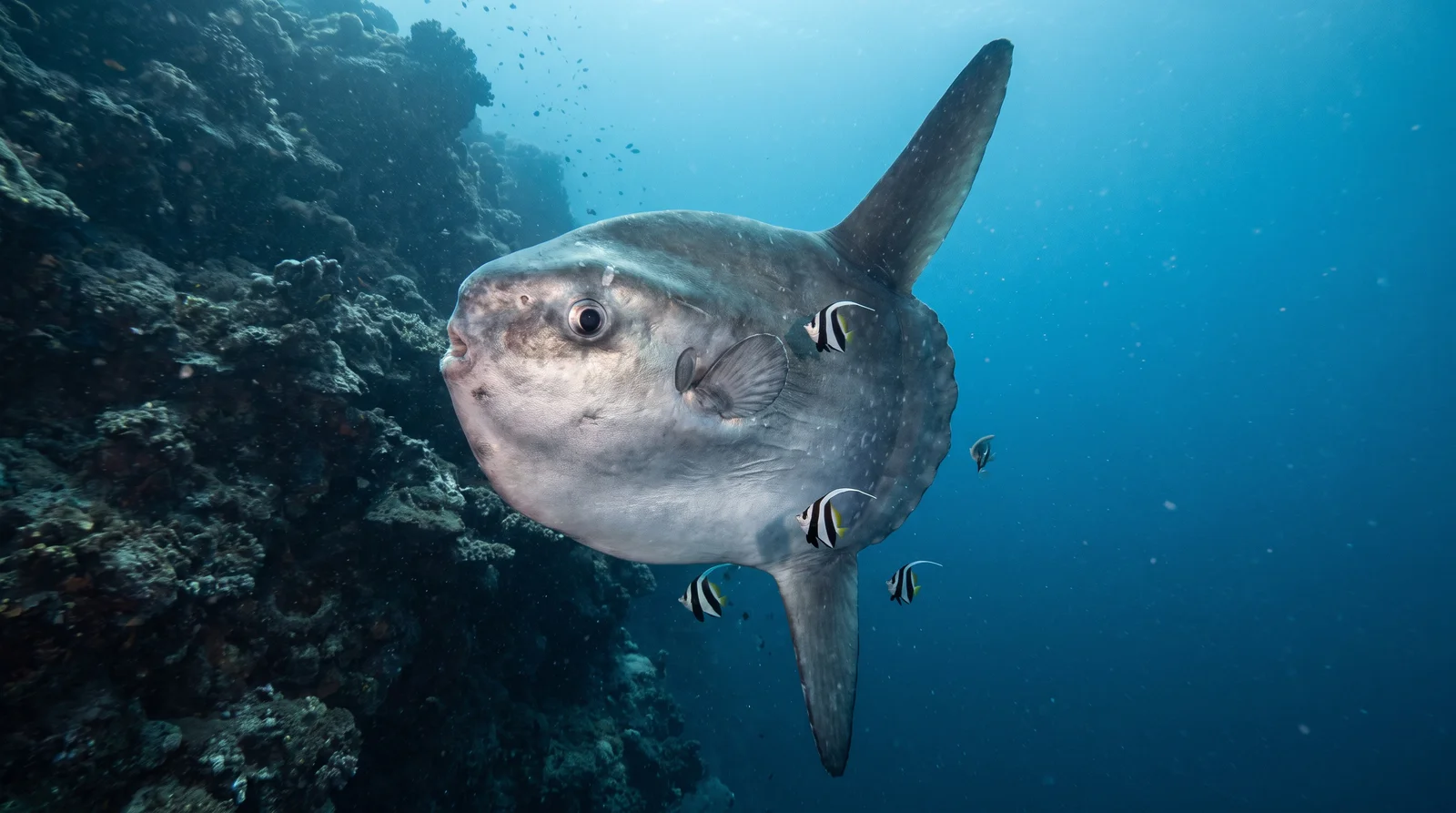
Ocean Sunfish (Mola mola)
Mola mola
Documented site occurrence
Source reviewed on 2026-11-05 · Source: Dive Concepts · Observation date not documented
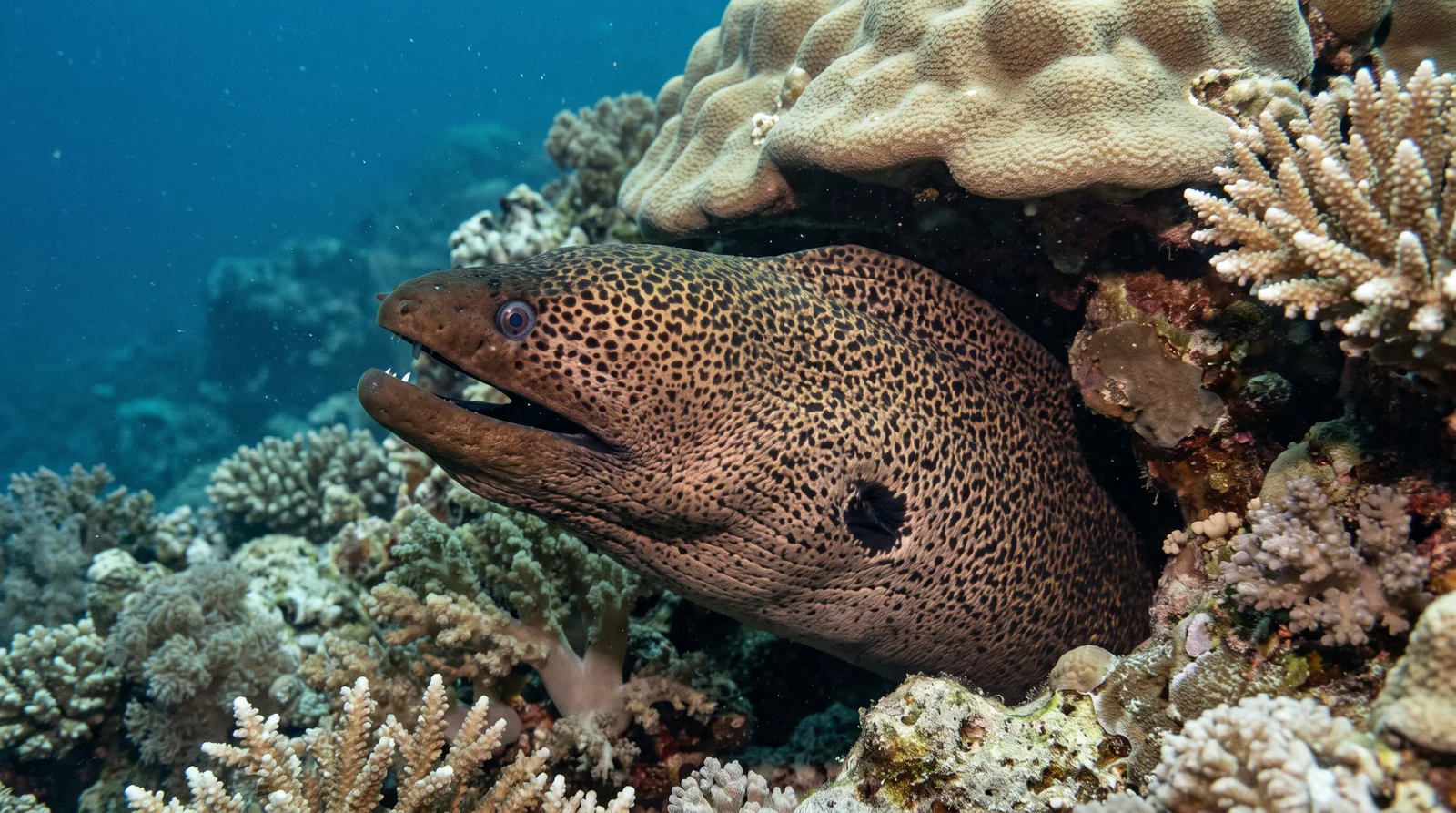
Giant Moray
Gymnothorax javanicus
Documented site occurrence
Source reviewed on 2026-11-05 · Source: Neptune Scuba Diving · Observation date not documented
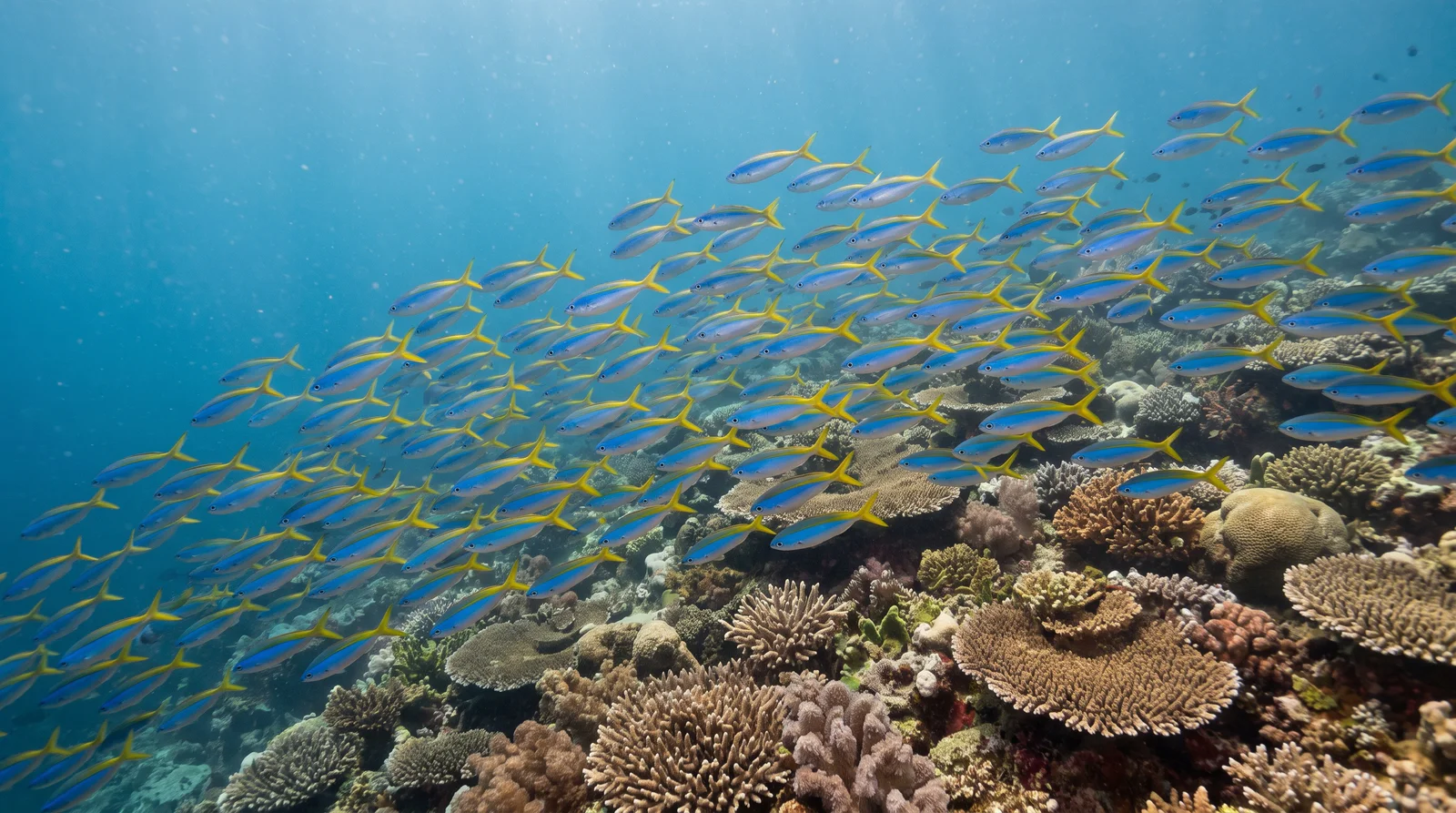
Fusilier (schooling)
Caesio spp.
Documented site occurrence
Source reviewed on 2026-11-05 · Source: Neptune Scuba Diving · Observation date not documented
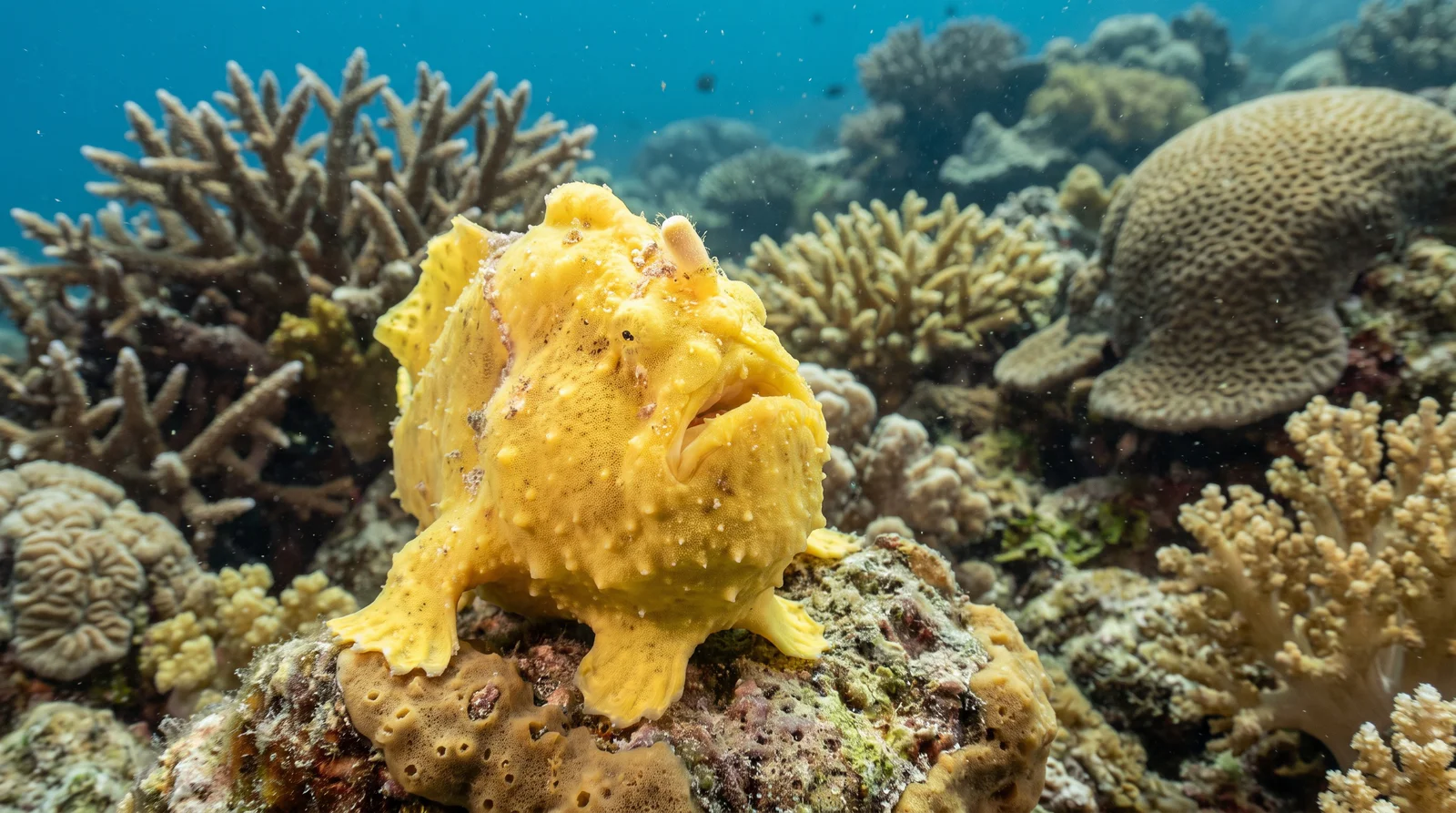
Giant Frogfish
Antennarius commerson
Documented site occurrence
Source reviewed on 2026-11-05 · Source: Neptune Scuba Diving · Observation date not documented
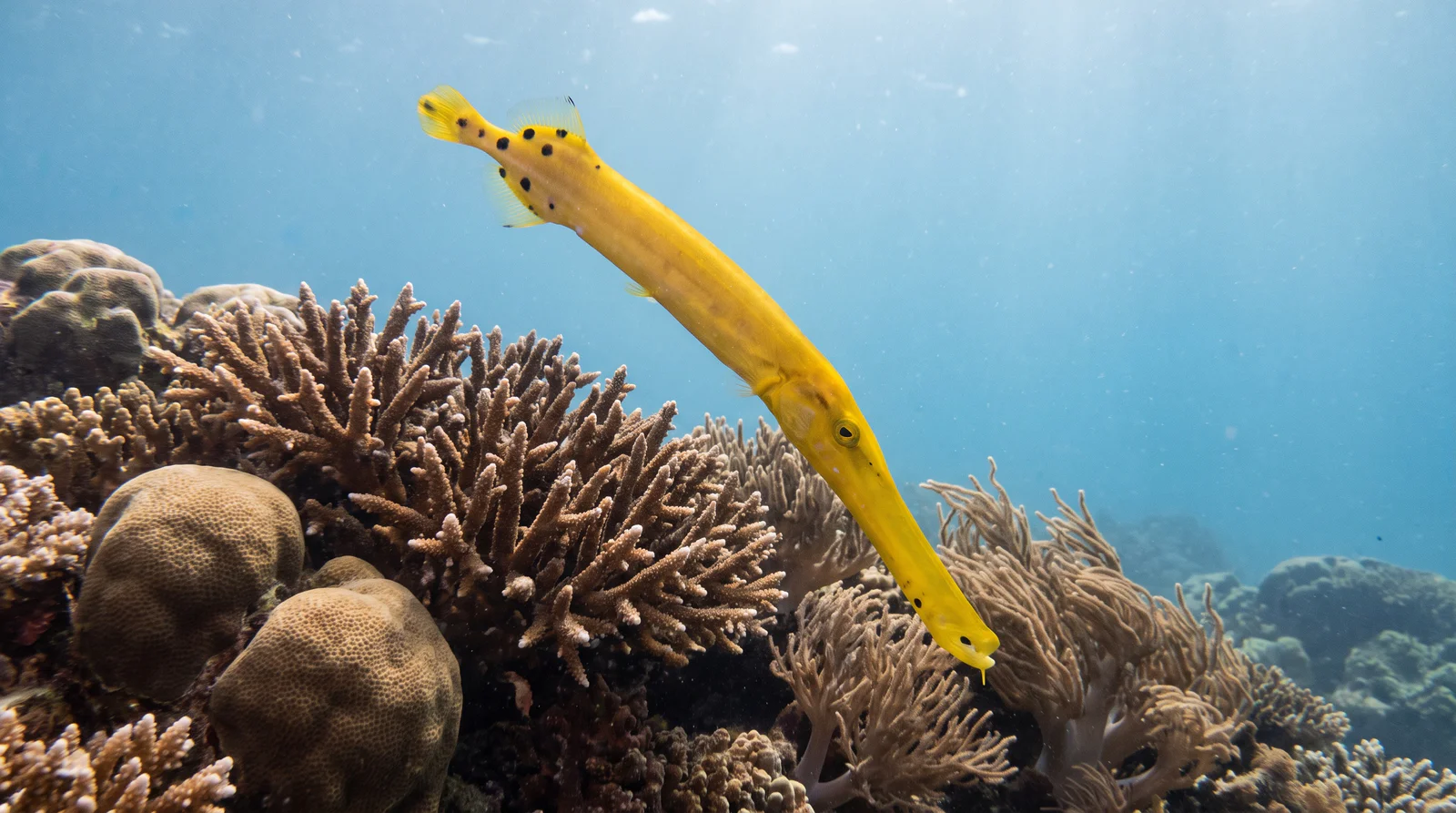
Trumpetfish
Aulostomus chinensis
Documented site occurrence
Source reviewed on 2026-11-05 · Source: Neptune Scuba Diving · Observation date not documented
Hazards & Safety
Be aware of these potential hazards at this dive site
Sharp metal
Severity: MediumExposed rusted metal on the wreck structure — avoid direct contact
Entanglement
Severity: LowFishing line snagged on the wreck superstructure
Sources
- Neptune Scuba Diving
- Wannadive.net
- Wikipedia
360° Underwater View
Immersive panoramic view of this dive site
360° panorama coming soon
Immersive underwater views will be available when panoramic imagery is uploaded
Reviews
--
0 reviews
No reviews yet. Be the first to share your experience!
Related Dive Sites
Discover other dive sites in the area
Beginner Beginner
 Beginner
 Beginner
 BeginnerBeginnerBeginnerBeginner
Depth Profile
Vertical range at this site
Minimum Depth
16 ft
Shallowest point
Average Depth
59 ft
Typical dive depth
Maximum Depth
98 ft
Deepest point
Stay Updated
Get dive site updates and tips in your inbox.
Dived USAT Liberty Wreck? Make it count.
Add it to your logbook, share your sightings, and help 0 divers plan their next descent.
Recent Community Activity
Was this helpful?