Seahorse (assorted)
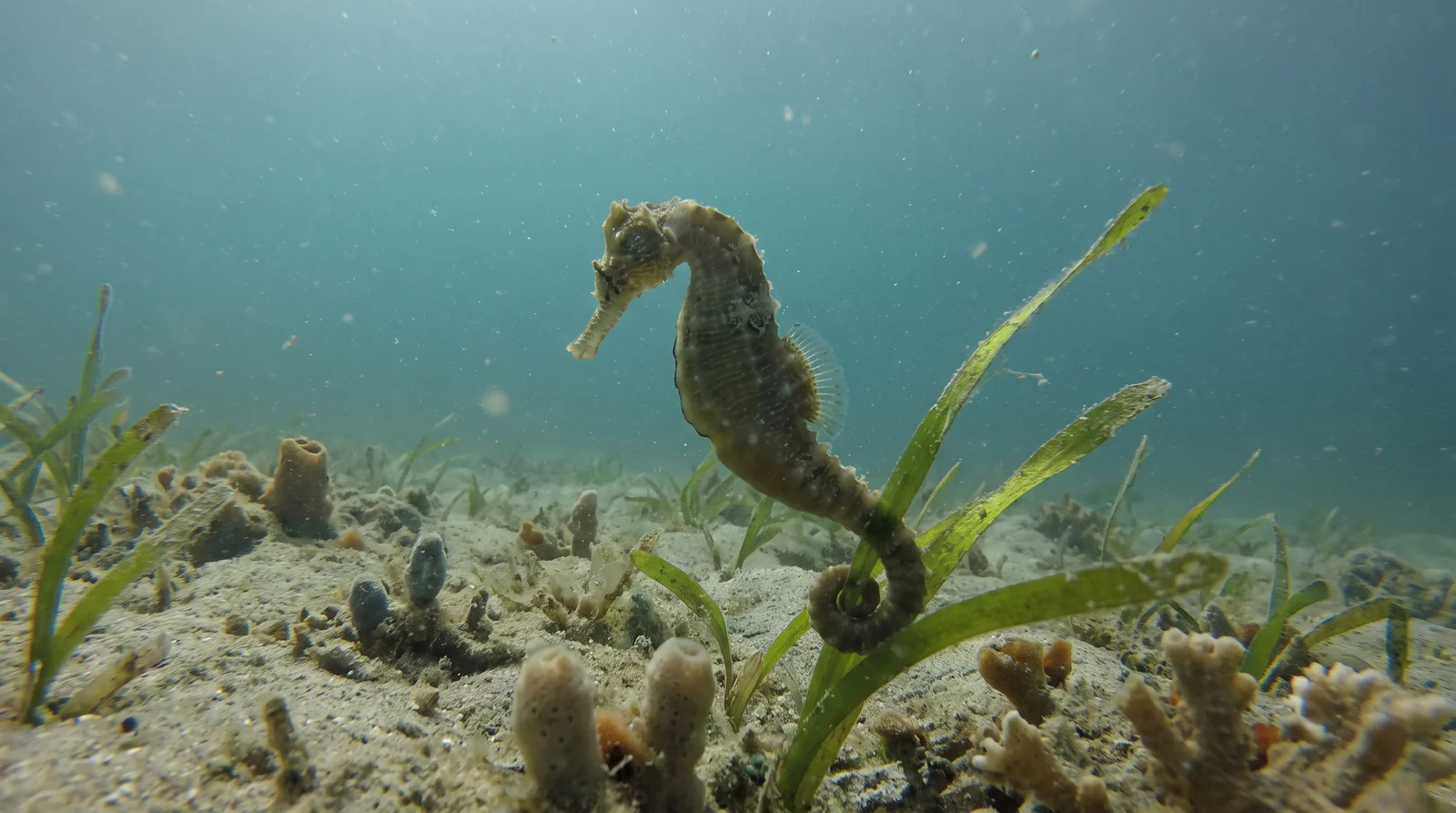 AI-generated
Image credit: AI-generated illustration · License unspecified · Source unspecified
Hippocampus spp.
About Seahorse (assorted).
"Seahorse (assorted)" is a group entry for seahorses of the genus Hippocampus, used when a sighting or source records a seahorse without naming the species. Seahorses belong to the family Syngnathidae, together with pipefishes, pipehorses and seadragons. The number of recognised species has grown with taxonomic research: a 2004 identification guide recognised 33 species and expected more to emerge. Where the animal can be identified, use the single-species entries for Common (Yellow) Seahorse (Hippocampus kuda), Thorny Seahorse (H. histrix), Tigertail Seahorse (H. comes), Longsnout Seahorse (H. reidi) or one of the pygmy seahorse entries.
Seahorses are fishes with the head set at a right angle to the body, a curved trunk and a grasping tail without a tail fin. Their skin is stretched over a series of bony plates that show as rings around the trunk and tail.
Identification
- Size: Adult height varies by species, from less than 2 cm in H. denise to about 35 cm in the big-bellied seahorse, H. abdominalis.
- Head and body features: Snout length, the crown-like coronet, and bony bumps or skin filaments on the body rings differ between species and are used for identification.
- Colour: Seahorses can change colour and grow skin filaments over time to blend in with their surroundings, so colour is a weak guide to species.
- Difficult cases: Very few species are distinctive enough to name at a glance; others, including H. kuda, can be hard to separate from similar species. Side-on photographs of the head, snout and body help later identification.
- Sexes: Mature males have a developed brood pouch; the pygmy species H. bargibanti and H. denise are exceptions, as their pouches are not obvious externally.
Conservation
All seahorse species (genus Hippocampus) are listed in CITES Appendix II, a listing agreed in November 2002 that took effect on 15 May 2004. International trade is allowed only with export permits, and exporting countries must ensure that it is not detrimental to wild populations. IUCN Red List categories vary by species. Reported threats include targeted fishing, bycatch in non-selective gear such as trawls, trade in dried seahorses for traditional medicine and curios, the live trade, and degradation of their habitats.
Where it lives.
Seahorses occur in temperate and tropical coastal waters, roughly from 50 degrees north to 50 degrees south. They are usually found among corals, macroalgae, mangrove roots and seagrasses, but some species live on open sandy or muddy bottoms, and certain species occur in estuaries or lagoons.
Habitats where divers find them include:
- Seagrass beds: Seahorses hold on to the plants with their tails and blend in with them. Loss of seagrass is a particular concern, and more research is needed on its effect on wild populations.
- Macroalgae and weed beds: Algae offer anchoring points and camouflage.
- Coral reefs: Seahorses may cling to corals, sea whips or gorgonians.
- Mangroves, estuaries and lagoons: Mangrove roots and sheltered waters are used by some species.
- Sand and mud bottoms: Some species live on open soft bottoms.
Seahorses tend to be patchily distributed at low densities. Most species studied show high site fidelity and small home ranges, at least during the breeding season, so an individual may stay in the same small area for some time. This also makes them vulnerable: seahorses are particularly susceptible to habitat degradation from human activities, and trawl gear damages the coastal habitats where many species live.
The young of some species are planktonic, entering the water column immediately after birth. How far juveniles drift is not known, but this may provide some exchange between populations.
Because seahorses favour sheltered inshore habitats, they share them with fisheries and coastal development. Conservation guidance for the genus identifies the restoration of seagrass, coral, mangrove and estuarine habitats as part of securing seahorse populations.
How it behaves.
Seahorses are slow-moving fishes that rely on camouflage rather than speed. They usually anchor themselves with their grasping tails and can change colour or grow skin filaments over time to match their surroundings, which makes them hard to spot.
Feeding
Seahorses feed on small crustaceans and other tiny animals, which they suck in through their tube-like snouts.
Reproduction
Seahorses are known for male pregnancy. The female deposits eggs into the male's brood pouch, where he fertilises, protects and nourishes them and regulates their environment. Pregnancy lasts about 9 to 30 days, depending on the species, and males go through more than one pregnancy in a breeding season. Males release about 100–300 young per pregnancy, though brood size ranges from as few as five to about 2,000 depending on the species. The young look like miniature adults and receive no further parental care.
All species studied in the wild appear to be monogamous within a breeding cycle, and many form pair bonds that last at least through the breeding season, often reinforced by daily greetings.
Underwater Encounter Behavior
Because seahorses stay attached to one spot and have small home ranges, they cannot easily move away from divers, so keeping disturbance low is the observer's responsibility. Handling should be avoided because it is likely to injure or kill the animal. Adults are presumed to have few predators because of their camouflage and unappetising bony plates and spines, although they have been found in the stomachs of large fishes such as tuna and dorado.
Diver Tips
- Do not touch or move: Never handle a seahorse or move it to a better position for a photograph.
- Control buoyancy and fins: Seagrass, algae and silty bottoms are easily damaged or stirred up.
- Limit lights and flash: Keep strobe use moderate and avoid lighting the same animal for long periods.
- Look carefully: Scan seagrass blades, algae and sea whips for a curled tail.
Where to see it.
Evidence for philippines · 7 dive sites
General range is not evidence of occurrence at a specific dive site.
Angel's Cove
Davao Gulf
Documented site occurrence
Season not yet documented
Source reviewed on 2026-10-14 · Source: Lakwatsero blog, Samal/Davao introductory-scuba trip report · Observation date not documented
Habok Habok
Sipalay
Documented site occurrence
Season not yet documented
Source reviewed on 2026-10-14 · Source: Diving Squad, "Sipalay Diving" guide (single-author first-person review) · Observation date not documented
Isla Reta
Davao Gulf
Documented site occurrence
Season not yet documented
Source reviewed on 2026-10-14 · Source: Asia Dive Site, Talikud Island page (undated; identical copy at islandsphilippines.com) · Observation date not documented
Kontiki Reef
Mactan
Documented site occurrence
Season not yet documented
Source reviewed on 2026-10-14 · Source: Joe's Scuba Shack / myscubadivinggearguide (Wayback snapshot 2025-10-06) · Observation date not documented
San Jose
Davao Gulf
Documented site occurrence
Season not yet documented
Source reviewed on 2026-10-14 · Source: PADI dive-site page (contributor: South Shore Divers) · Observation date not documented
Sunset Cove House Reef
Romblon
Documented site occurrence
Season not yet documented
Source reviewed on 2026-10-14 · Source: Sunset Cove Beach & Dive Resort · Observation date not documented
Yapak
Boracay
Documented site occurrence
Season not yet documented
Source reviewed on 2026-10-14 · Source: Alta Vista de Boracay blog (Wayback snapshot 2026-05-15) · Observation date not documented
Gallery.
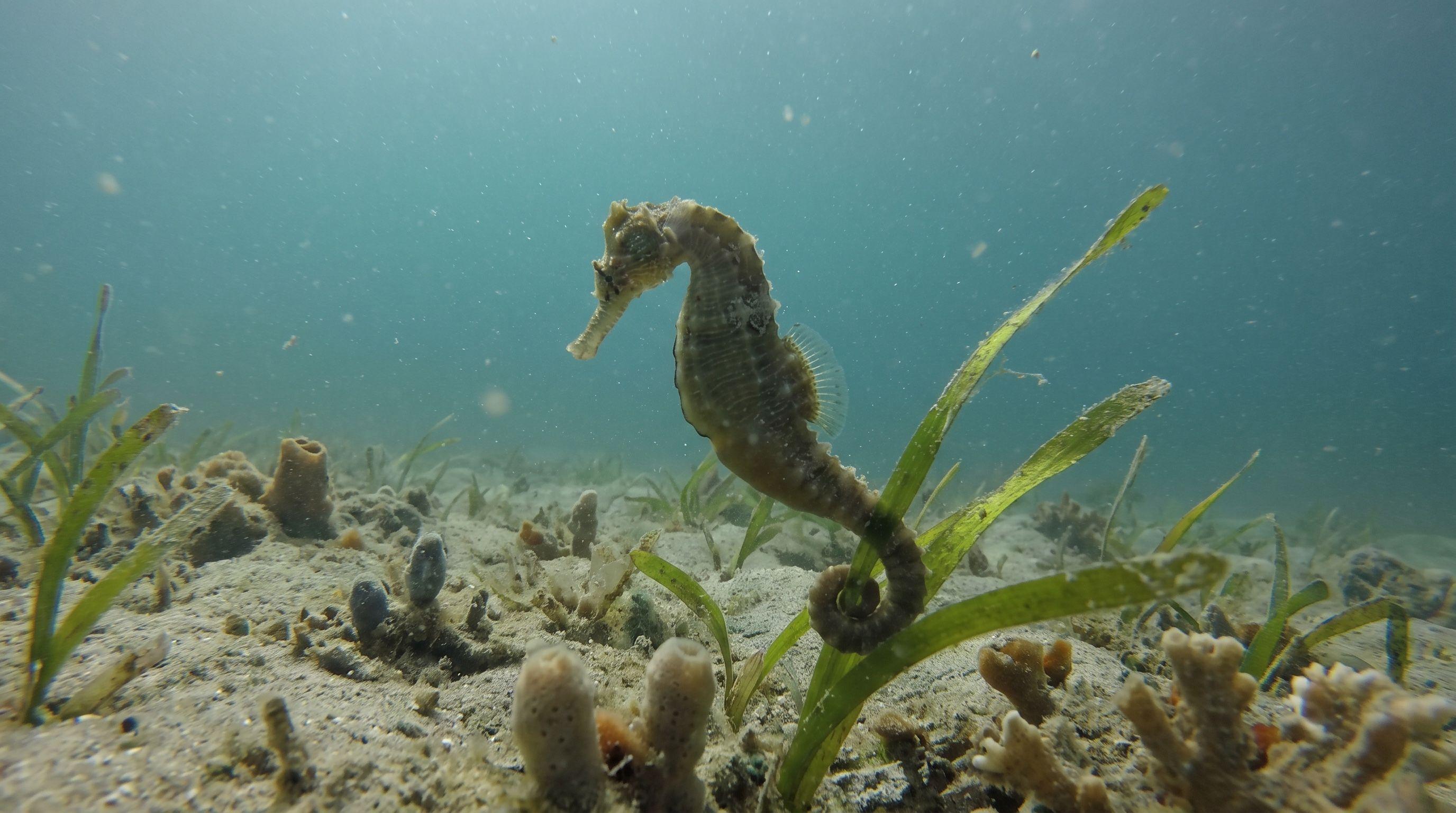 AI-generated
AI-generated illustration
Image credit: AI-generated illustration · License unspecified · Source unspecified