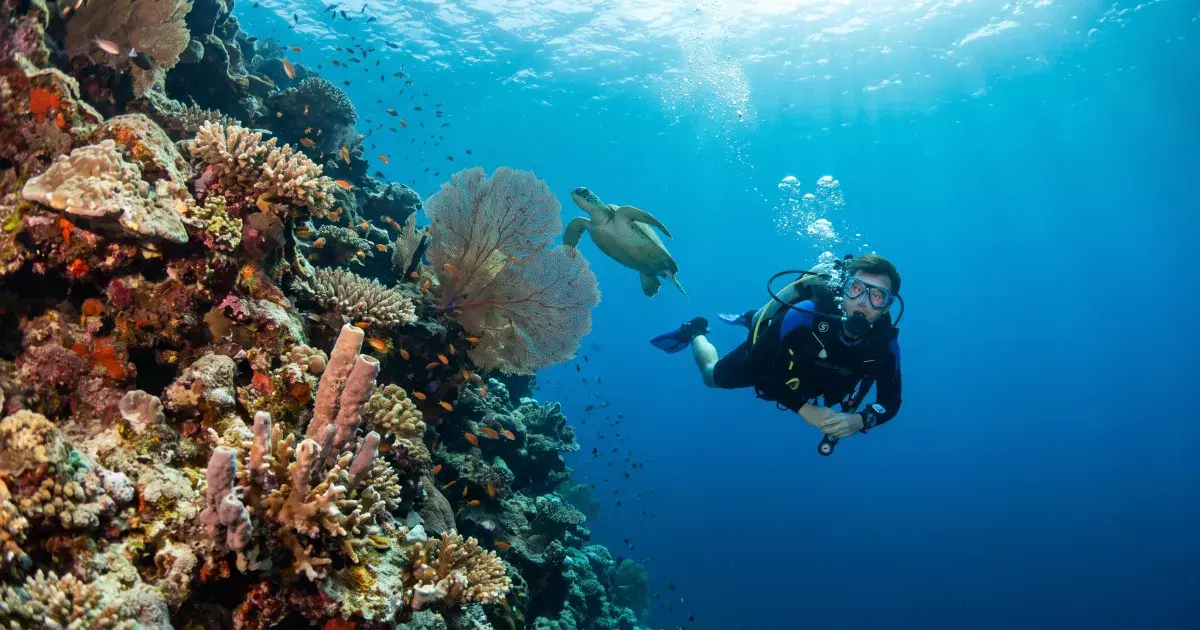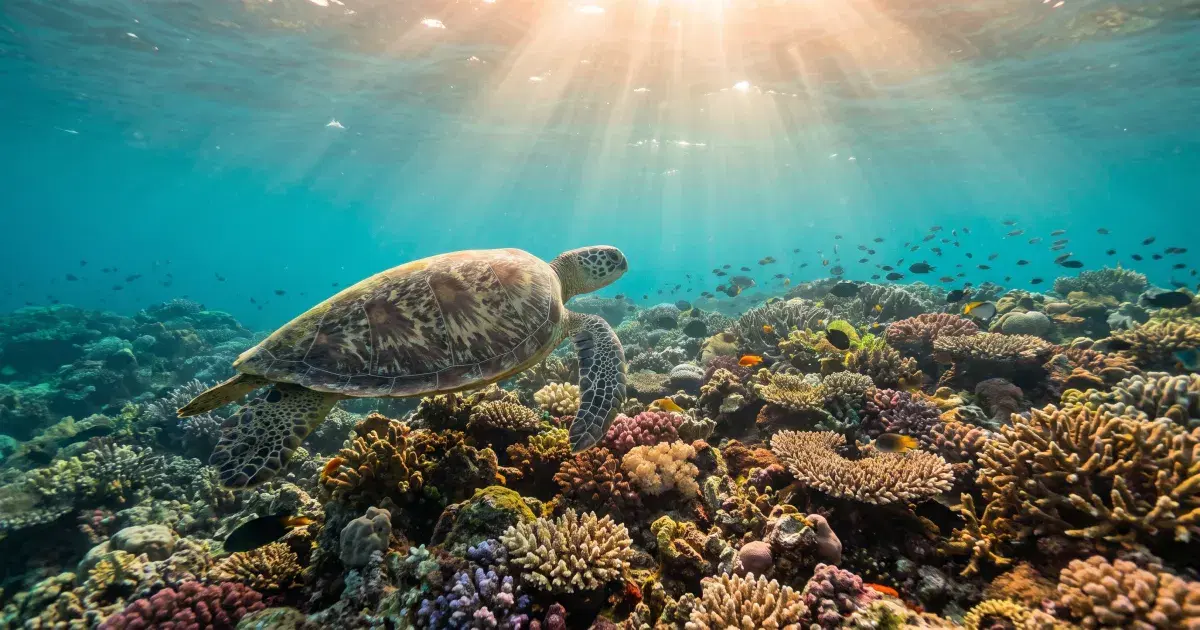
Apo Island is the Philippines' longest-running community-managed marine sanctuary, and it shows: dense coral cover, resident sea turtles you'll almost certainly see on any given dive, and a fish population that recovered dramatically once local fishing communities took over protecting it.
How did Apo Island become the Philippines' model marine sanctuary?
Local fishing communities, working with marine scientists starting in the 1980s, set aside a section of reef as a no-take zone and enforced it themselves rather than waiting for a government mandate from Manila. Fish populations and coral cover recovered within a few years, and the results were documented well enough that Apo Island Marine Sanctuary became a reference case cited across Philippine marine-protection policy since.
Is Apo Island good for beginner divers?
Yes, for most of the island's sites. Shallower reef areas sit well within Open Water limits and current is generally manageable, which is why Apo Island shows up regularly on Dumaguete-area training itineraries. A handful of deeper or current-exposed sites are better suited to Advanced Open Water divers, so ask your operator which specific sites fit your certification level.
What's the best time of year to dive Apo Island?
Months | Conditions |
|---|---|
November to May | Dry season, calmer water, generally clearer visibility |
June to October | Wet season, more rain and swell, occasional cancellations |
Apo Island dives year-round rather than on a strict seasonal window, so a wet-season trip is workable with some flexibility built in.
How do I get to Apo Island from Dumaguete or Dauin?
Dumaguete or Dauin are the usual bases, both roughly 30 to 45 minutes from Apo Island by boat depending on the departure point and sea conditions. Most resorts in either town run their own day-trip boats, so book through your accommodation rather than arranging separate transport.
What marine life will I see at Apo Island?
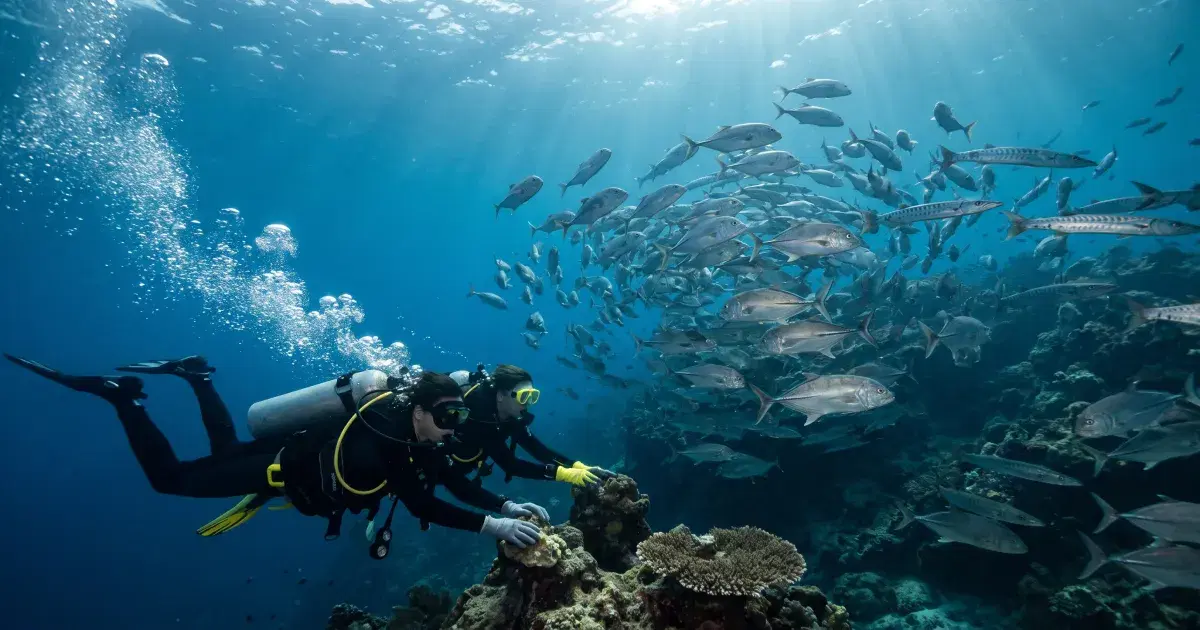
Resident green sea turtles are close to a sure thing, most divers see at least one. Dense coral cover, reef fish in high volume, and occasional sightings of banded sea snakes round out a typical dive. Apo Island is a reef and macro destination rather than a big-pelagic one, don't expect sharks or mantas here the way you might at Malapascua or Tubbataha.
What certification do I need for Apo Island's currents?
Open Water covers the island's shallower, calmer sites. A few deeper walls and current-exposed points ask for Advanced Open Water or equivalent experience, mainly because current direction can shift with the tide. Confirm site-by-site suitability with your dive operator rather than assuming one certification level covers the whole island.
How does Apo Island compare to Dauin for diving?
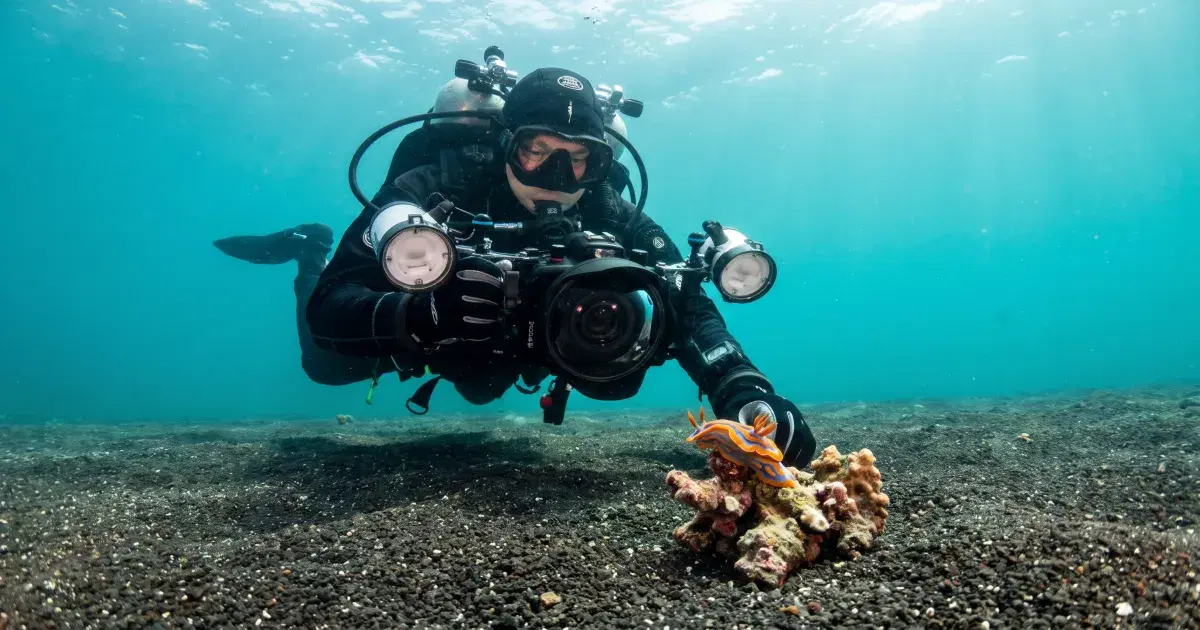
Different focus entirely. Apo Island is reef and turtle diving on a protected sanctuary; Dauin, a short distance away on Negros' mainland coast, is muck diving on black volcanic sand, small critters over coral. Most Dumaguete-area trips combine both rather than choosing one, since they're close enough to dive on consecutive days without changing base.
FAQ
What's the cost range for an Apo Island day trip? Costs vary by resort and typically include a marine sanctuary conservation fee on top of the dive fee itself; confirm the current fee structure with your operator since sanctuary fees are reviewed periodically.
Can I snorkel Apo Island instead of diving? Yes, snorkeling is a common and popular option here, particularly around the shallower turtle-sighting areas, and it's a reasonable alternative if you're traveling with non-divers.
Is Apo Island crowded? Day-trip boat traffic can get busy at popular turtle-sighting spots during peak dry-season months; an early-morning dive slot generally means fewer boats.