Wall · Pinnacle · Cave · Swim-through
The Canyon
Auch bekannt als: Pantee Aneuk Seuke — Zu diesem Namen: No source read gives a point for this site; the sources place it only in words, so this record has no map point.
Zuletzt aktualisiert:
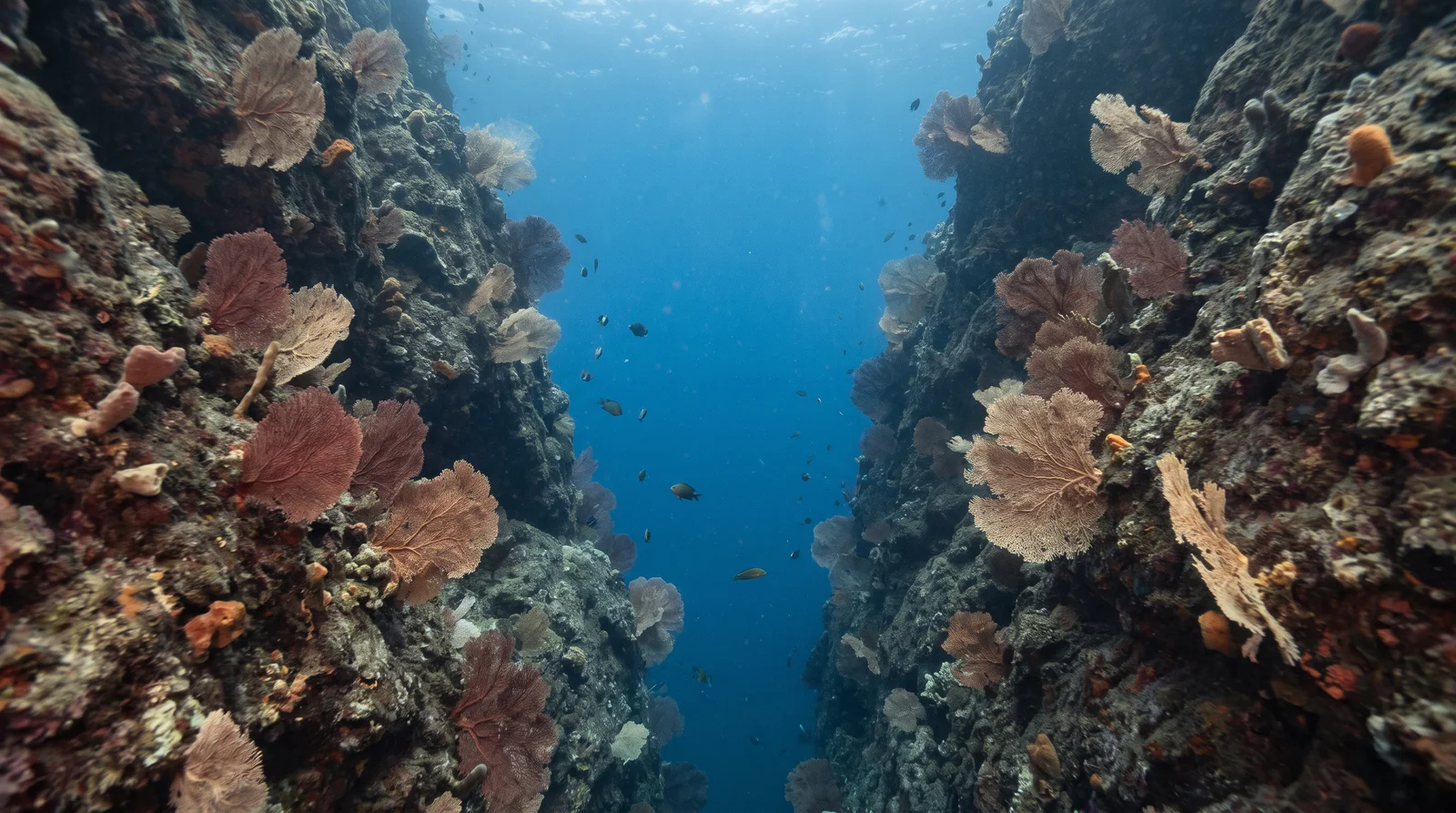
AI-generated illustration of a narrow underwater canyon between two rock walls carrying sea fans. It is not a photograph of The Canyon and is not evidence of any animal, depth or condition at the site.
Bildnachweis: AI-generated illustration · Generated for Diveity; no third-party rights · Higgsfield nano_banana_pro image generationAuf einen Blick
- Zertifizierung erforderlich
- Minimale Tiefe
- Maximale Tiefe
- Einstiegsart
- Beginn der besten Saison
- Ende der besten Saison
- Minimale Sichtweite
- Maximale Sichtweite
- Minimale Wassertemperatur
- Maximale Wassertemperatur
- Zone
Kennen Sie eines davon? Wählen Sie es aus und teilen Sie es uns mit.
Über diesen Tauchplatz
Overview
The Canyon is a split pinnacle off Pulau Weh for advanced divers: a deep gorgonian wall, a narrow canyon, a cave and an arch, with strong current at times.
Lumba Lumba Diving Centre, a dive operator on Pulau Weh, lists The Canyon among its advanced sites and calls it a dive all about topography: a descent down a deep wall, a swim through an underwater canyon filled with hundreds of gorgonian fans, and an exit under a natural arch. Underwater Asia, a dive-travel guide, describes a huge pinnacle split in two, creating a central canyon, with a cave and an arch that divers can swim through, and says Napoleon wrasse, bumphead parrotfish, turtles and barracuda are sometimes joined by sharks, eagle rays and manta rays.
How the site is dived
An account signed by a divemaster trainee in 2000, posted on the Sabang Freeport blog in 2007 under the name Pantee Aneuk Seuke or The Canyon, describes a typical dive when the current runs north: a descent in the south to a cave at around 29 m, along a gorgonian-covered wall that ends at around 40 to 45 m, an ascent over a gorgonian garden to the canyon, which it says is only 1.8 m wide at its narrowest and home to some Napoleon wrasse, and then a swim through the arch to finish on top of the reef. When there is a lot of plankton in the water, it says, the dive ends over the shallow rocks watching for manta rays.
Scuba Diver Life, in an article by Torben Lonne published in January 2019, calls The Canyon one of the top three sites on Pulau Weh. It describes large sandy patches and a deep wall covered in gorgonians that drops to around 60 m, a cave or small overhang at the start of the wall and, further east, two large rock formations between 10 and 30 m separated by two canyon channels that give relief from the current. It names dogtooth tuna, trevally, jacks, unicornfish, barracuda and often sharks, with porcelain crabs, starry puffers, scorpionfish and titan triggerfish on the wall, and says the site is best for advanced divers because of the strong currents.
Depth, current and level
This record stores the level as advanced, from Lumba Lumba and Scuba Diver Life, and the current as strong, from Scuba Diver Life alone. It stores no depth range: the sources give the depths of the cave, the rock formations and the foot of the wall, which they put at 40 to 45 m or at around 60 m, not the depths of a dive. No source gives the visibility, the water temperature or the best months for this site.
Reported dives
Stingy Nomads, a travel blog with first-hand dive logs, called it a good dive on a spectacular reef with massive gorgonian fans and thousands of Indian triggerfish, packs of giant and bluefin trevally, a honeycomb moray, a white-eyed moray, scorpionfish, octopus and titan triggerfish; it logged 31 m, 10 to 15 m visibility and 29 °C water on that dive, which are one dive's figures, not the site's range. Kapal Selam Dive Club, in a trip report written less than a year after the tsunami that struck Aceh, remembers a morning boat dive at a site it thinks was called The Canyon, with huge sea fans, approachable fish and small underwater Christmas trees, about 30 cm high, with small crabs living on them.
Name and place
RRI Sabang, in a news report of 2 October 2026, names The Canyon among the dive sites visitors choose on Pulau Weh. The sources disagree on where it lies: Scuba Diver Life puts it at the north-eastern point of the island, closest to Kilometre Zero, while a paragraph on the Padé Dive Resort in Wikivoyage's Pulau Weh article counts The Canyon among the sites found on the west coast. No source read gives a position, so this record names no side of the island and has no map point.
Sources and lineage
The 2007 blog post and Lumba Lumba's page describe The Canyon in different words, but Lumba Lumba's page repeats the blog's texts for several other Pulau Weh sites word for word, so this record counts the two as one operator's writing. None of the sources says when its description was last checked.
Nobody has verified this record in person; it was researched and written by an automated process from the sources named here.
Gefahren & Sicherheit
Beachten Sie diese potenziellen Gefahren an diesem Tauchplatz
Current
Schweregrad: Noch nicht dokumentiertScuba Diver Life says the site is best for advanced divers because of its strong currents; the canyon channels give some shelter from them.
Depth
Schweregrad: Noch nicht dokumentiertThe wall falls deep: to about 40 to 45 m in a 2000 divemaster trainee's account posted on the Sabang Freeport blog, and to around 60 m according to Scuba Diver Life.
Quellen
- Kapal Selam Dive Club
- Lumba Lumba Diving Centre
- RRI Sabang
- Sabang Freeport (blog)
- Scuba Diver Life
- Stingy Nomads
- Underwater Asia
- Wikivoyage
Bewertungen
Noch keine Bewertungen. Seien Sie der Erste, der Ihre Erfahrung teilt!
Auf dieser Seite
Meereslebewesen
18 Arten an diesem Tauchplatz registriert
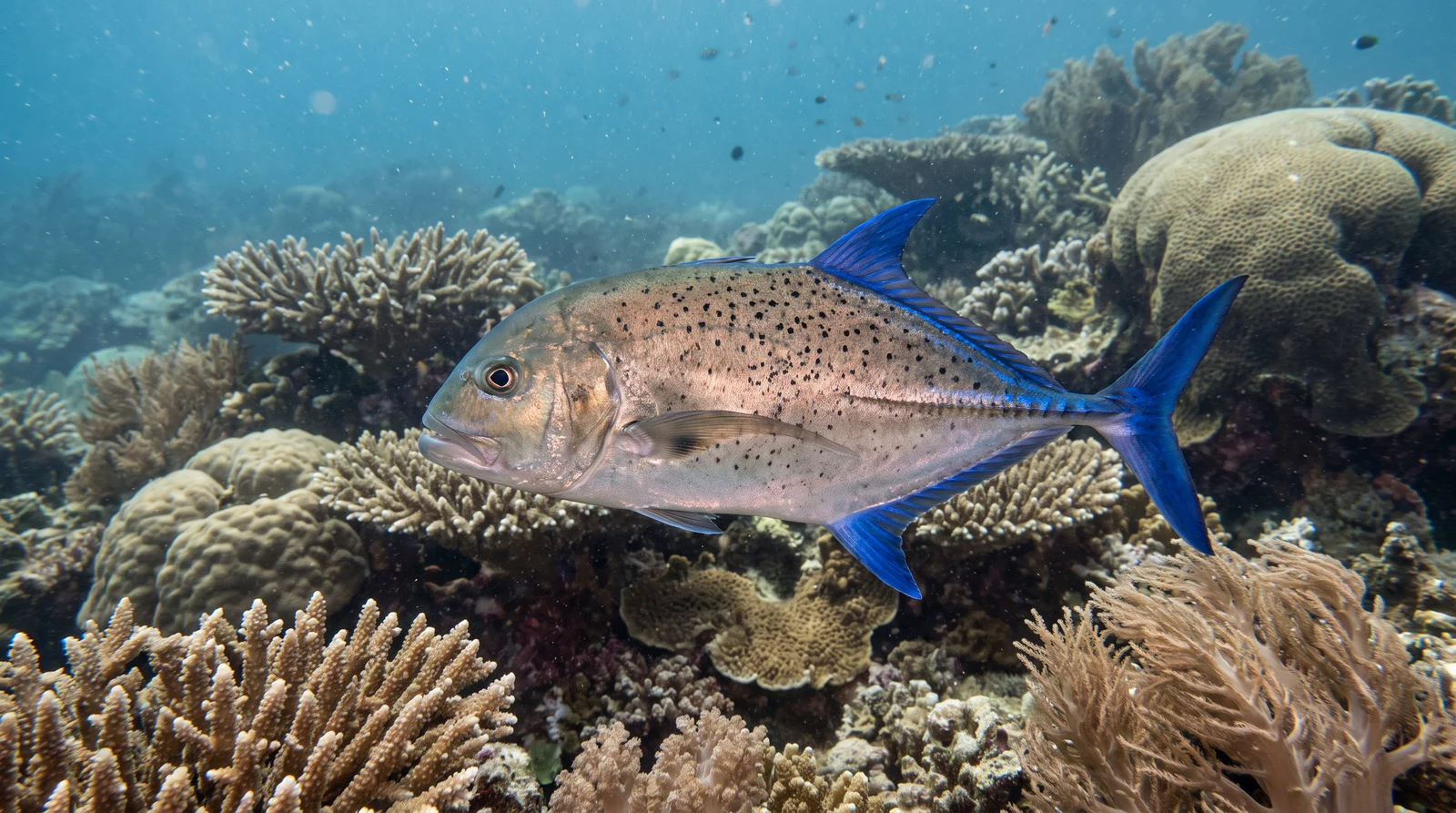
Bluefin Trevally
Caranx melampygus
Dokumentiertes Vorkommen am Tauchplatz
Quelle geprüft am 2026-11-18 · Quelle: Stingy Nomads · Beobachtungsdatum nicht dokumentiert
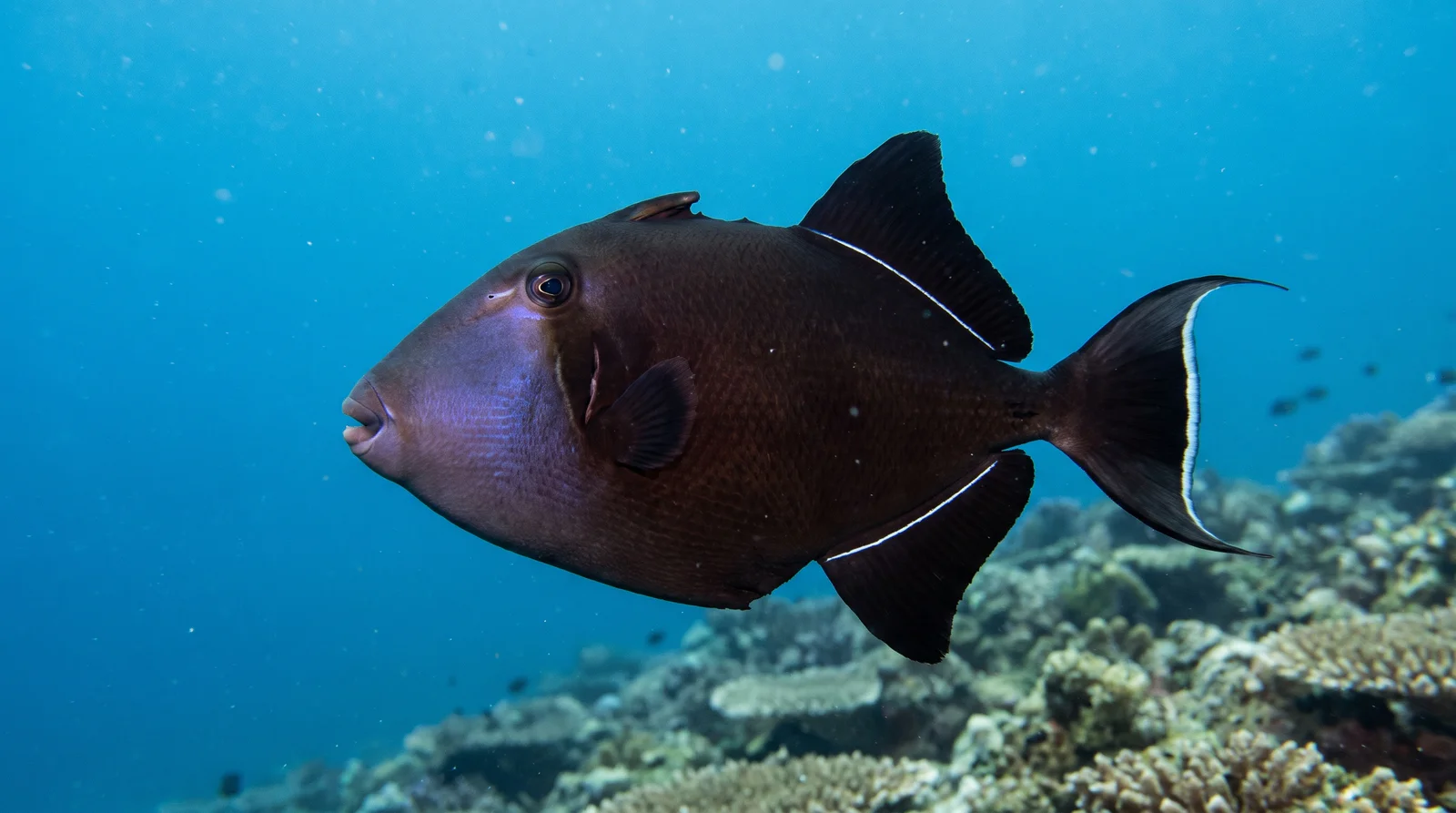
Indian Triggerfish
Melichthys indicus
Dokumentiertes Vorkommen am Tauchplatz
Quelle geprüft am 2026-11-18 · Quelle: Stingy Nomads · Beobachtungsdatum nicht dokumentiert
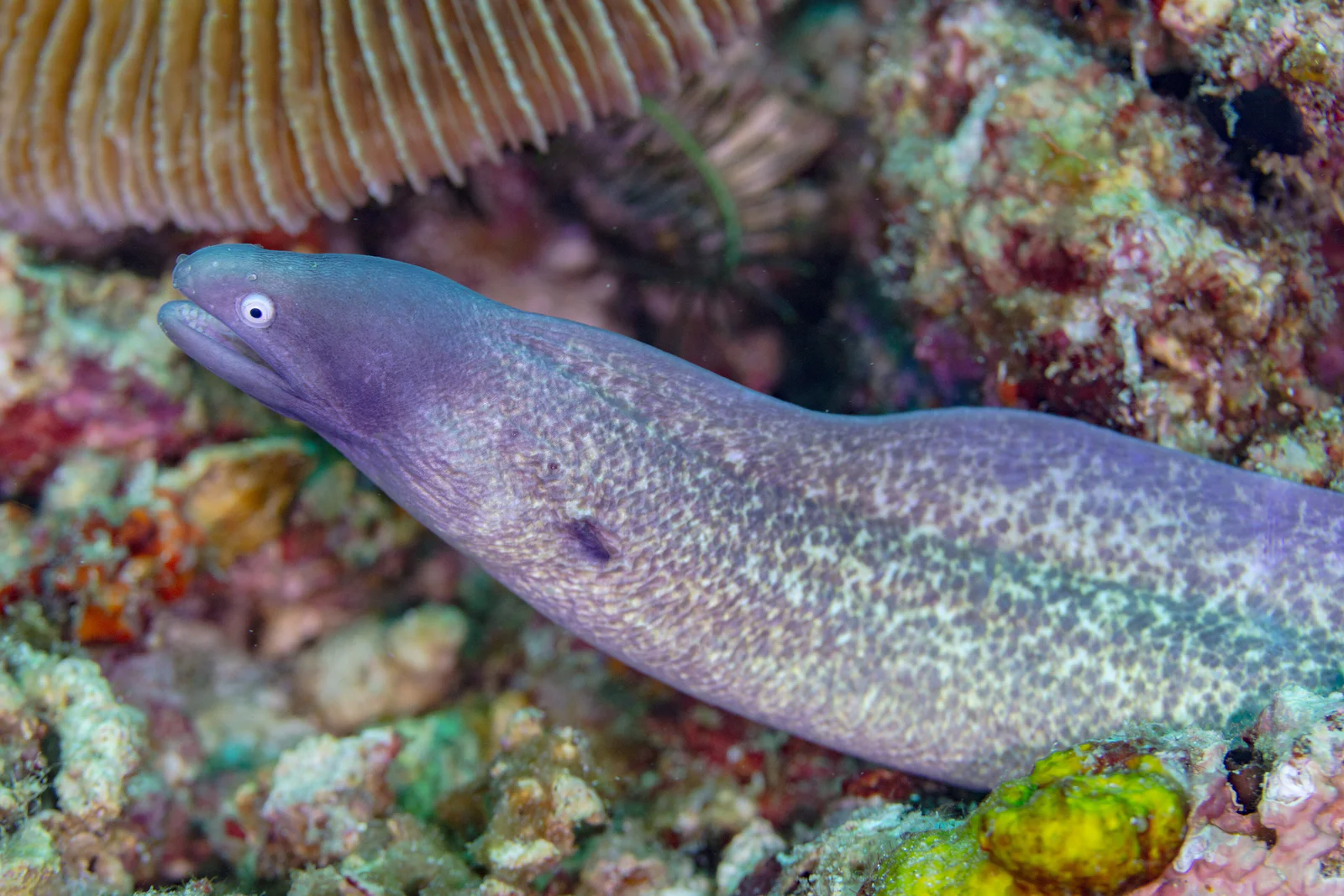
Greyface Moray
Gymnothorax thyrsoideus
Dokumentiertes Vorkommen am Tauchplatz
Quelle geprüft am 2026-11-18 · Quelle: Stingy Nomads · Beobachtungsdatum nicht dokumentiert
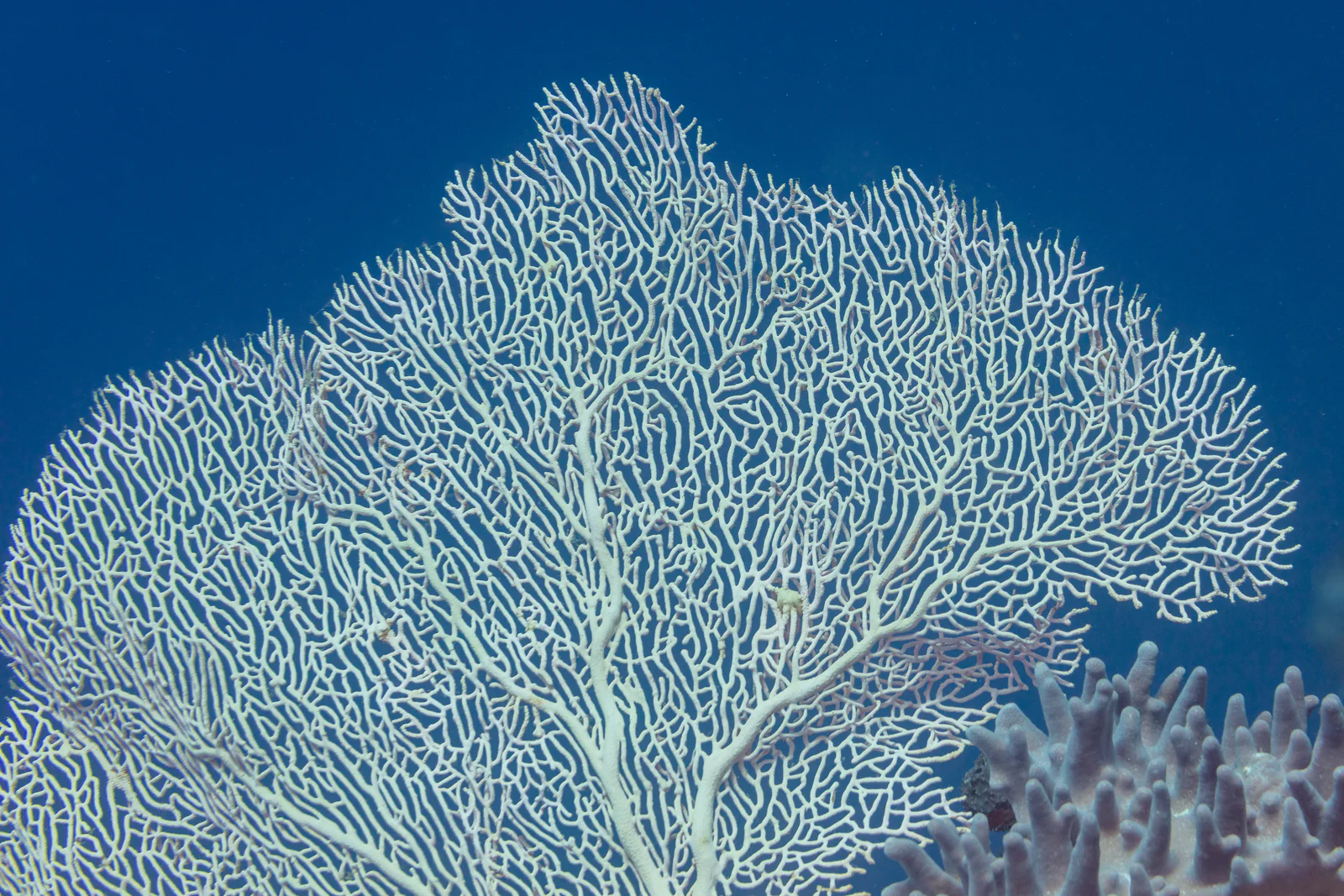
Sea Fan / Gorgonian (assorted)
Octocorallia spp. (gorgonians)
Dokumentiertes Vorkommen am Tauchplatz
Quelle geprüft am 2026-11-18 · Quellen: Lumba Lumba Diving Centre, Sabang Freeport (blog) und Stingy Nomads · Beobachtungsdatum nicht dokumentiert
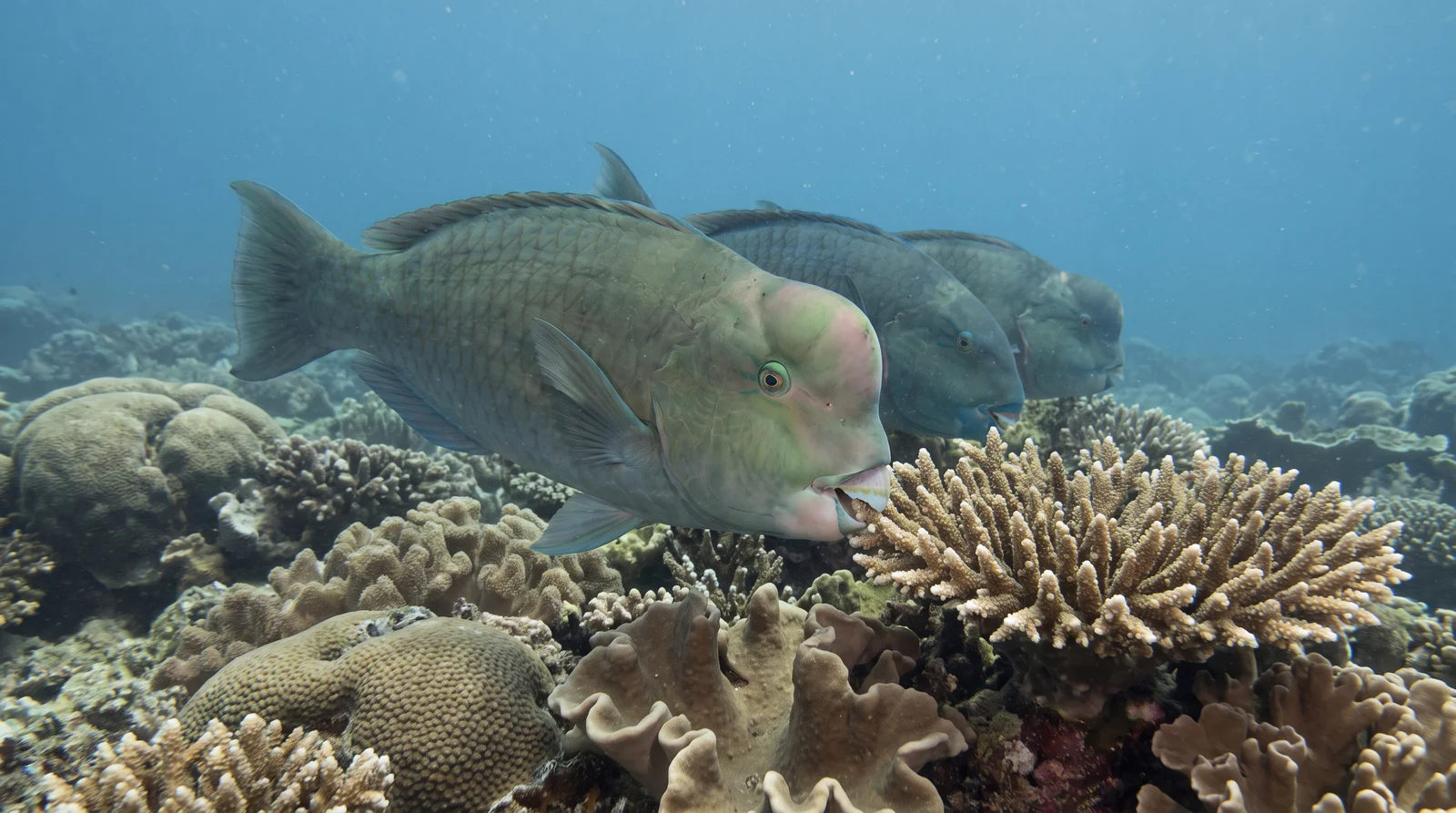
Bumphead Parrotfish
Bolbometopon muricatum
Dokumentiertes Vorkommen am Tauchplatz
Quelle geprüft am 2026-11-18 · Quelle: Underwater Asia · Beobachtungsdatum nicht dokumentiert
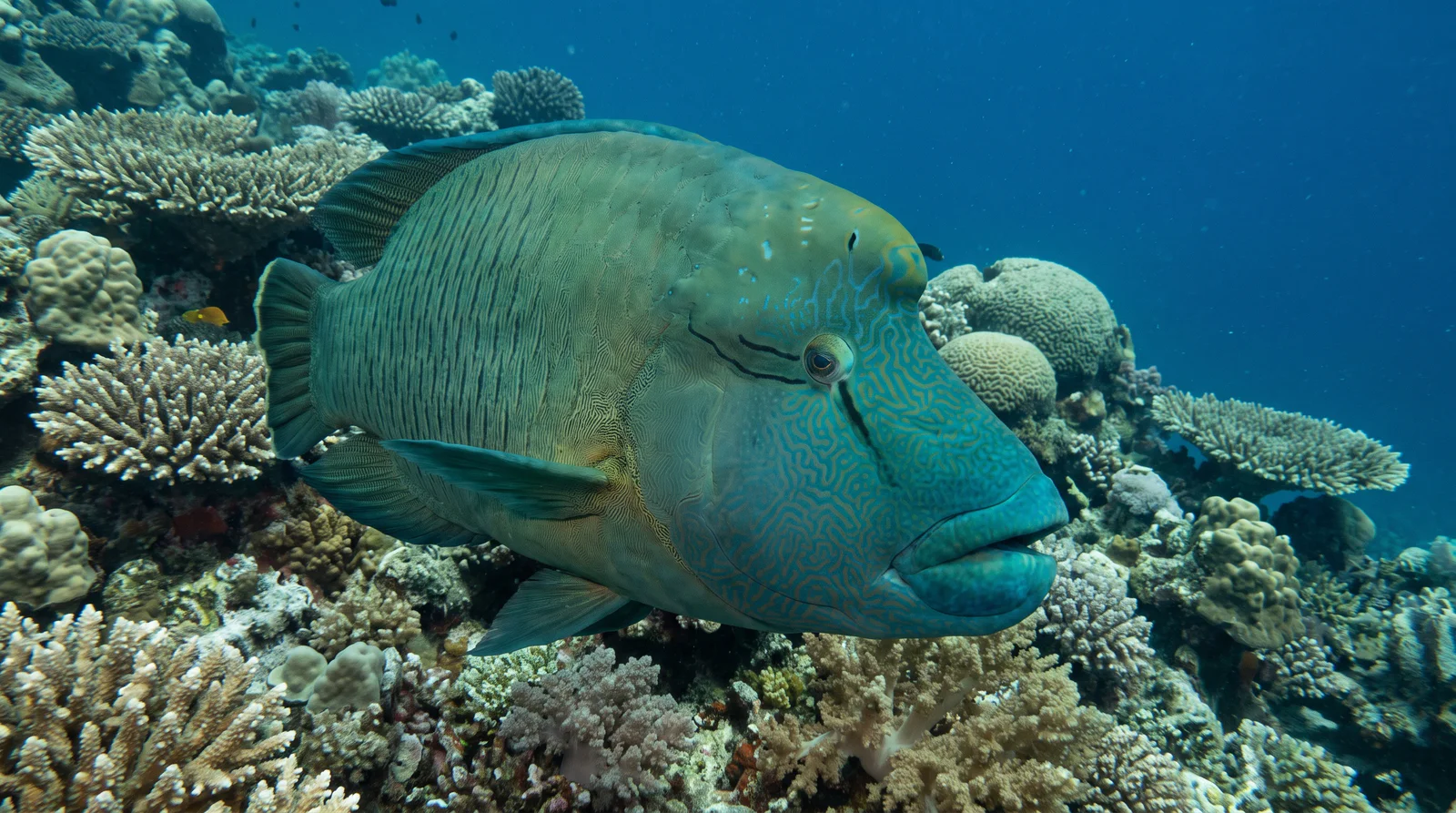
Humphead Wrasse (Napoleon)
Cheilinus undulatus
Dokumentiertes Vorkommen am Tauchplatz
Quelle geprüft am 2026-11-18 · Quellen: Sabang Freeport (blog) und Underwater Asia · Beobachtungsdatum nicht dokumentiert
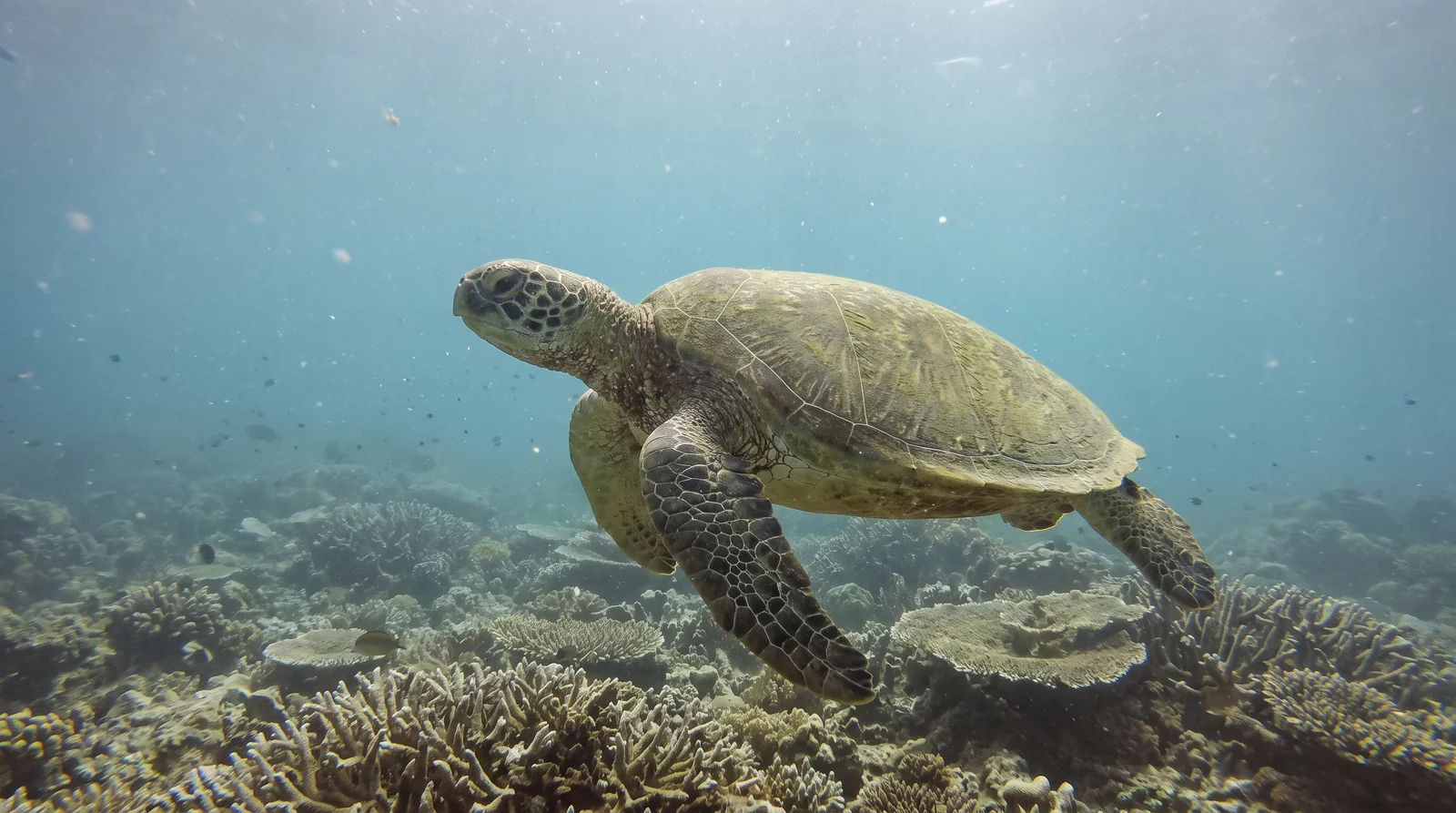
Sea Turtle (assorted)
Cheloniidae spp.
Dokumentiertes Vorkommen am Tauchplatz
Quelle geprüft am 2026-11-18 · Quelle: Underwater Asia · Beobachtungsdatum nicht dokumentiert
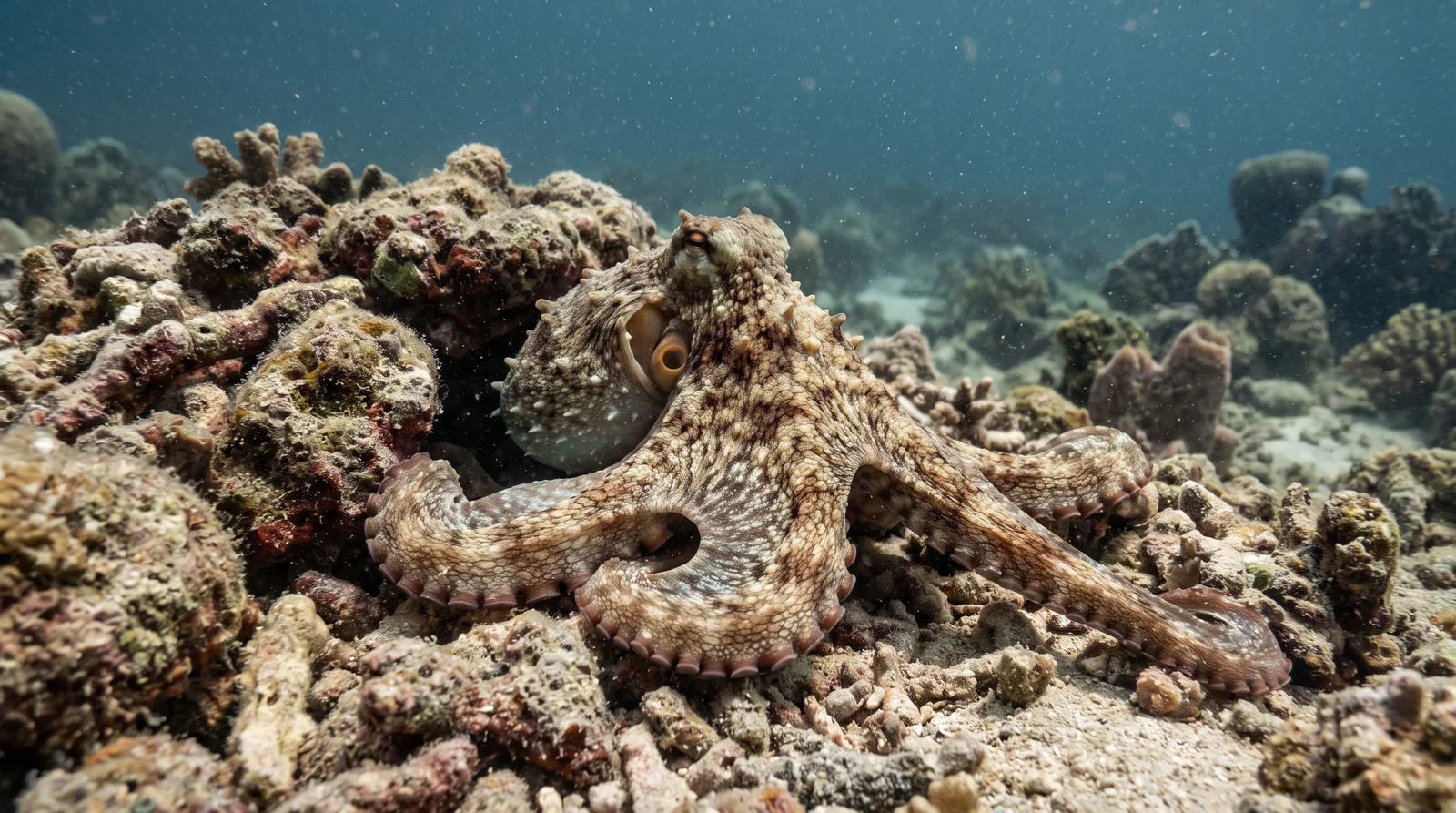
Octopus (assorted)
Octopodidae spp.
Dokumentiertes Vorkommen am Tauchplatz
Quelle geprüft am 2026-11-18 · Quelle: Stingy Nomads · Beobachtungsdatum nicht dokumentiert
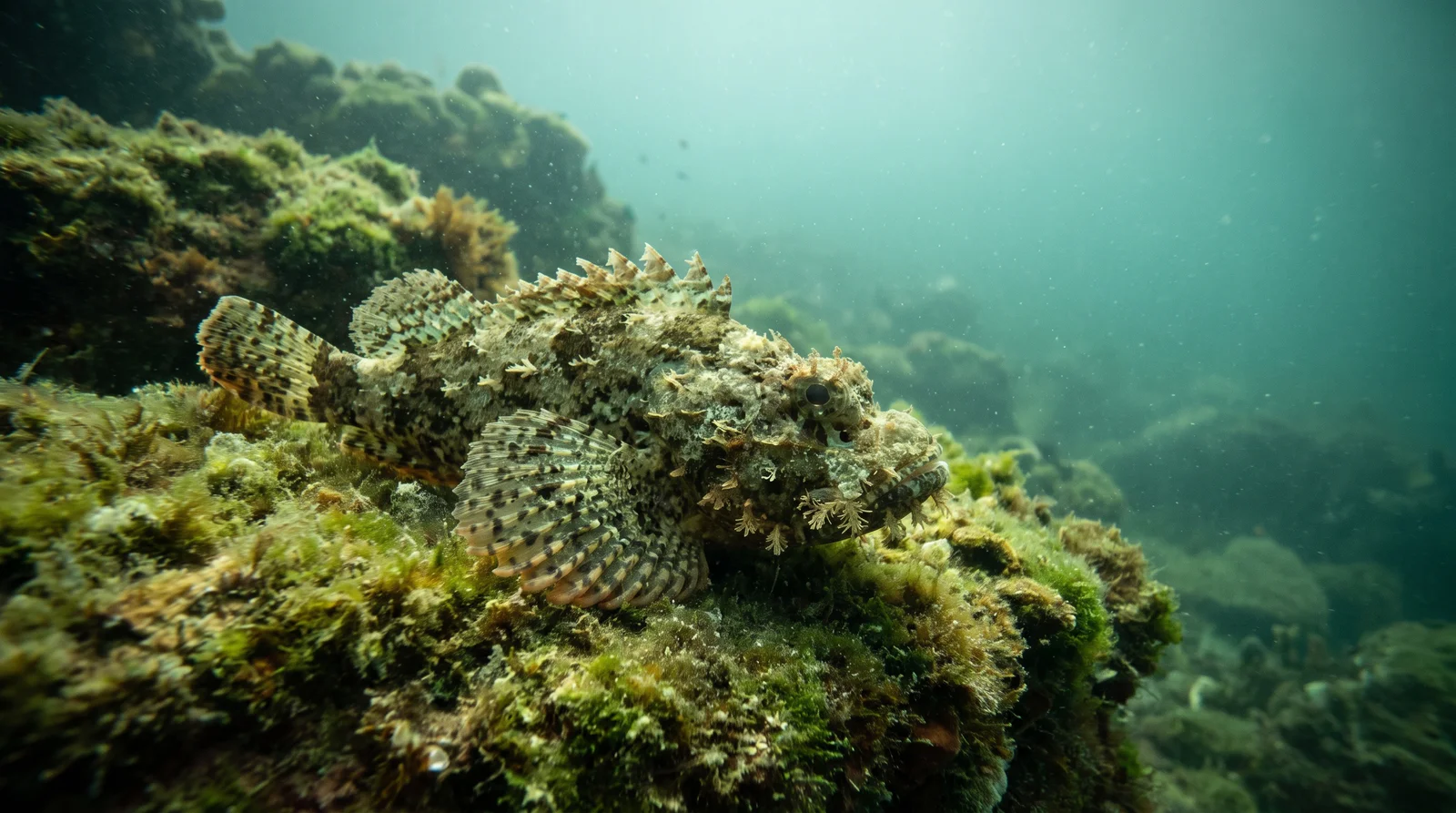
Scorpionfish (assorted)
Scorpaenidae spp.
Dokumentiertes Vorkommen am Tauchplatz
Quelle geprüft am 2026-11-18 · Quellen: Scuba Diver Life und Stingy Nomads · Beobachtungsdatum nicht dokumentiert
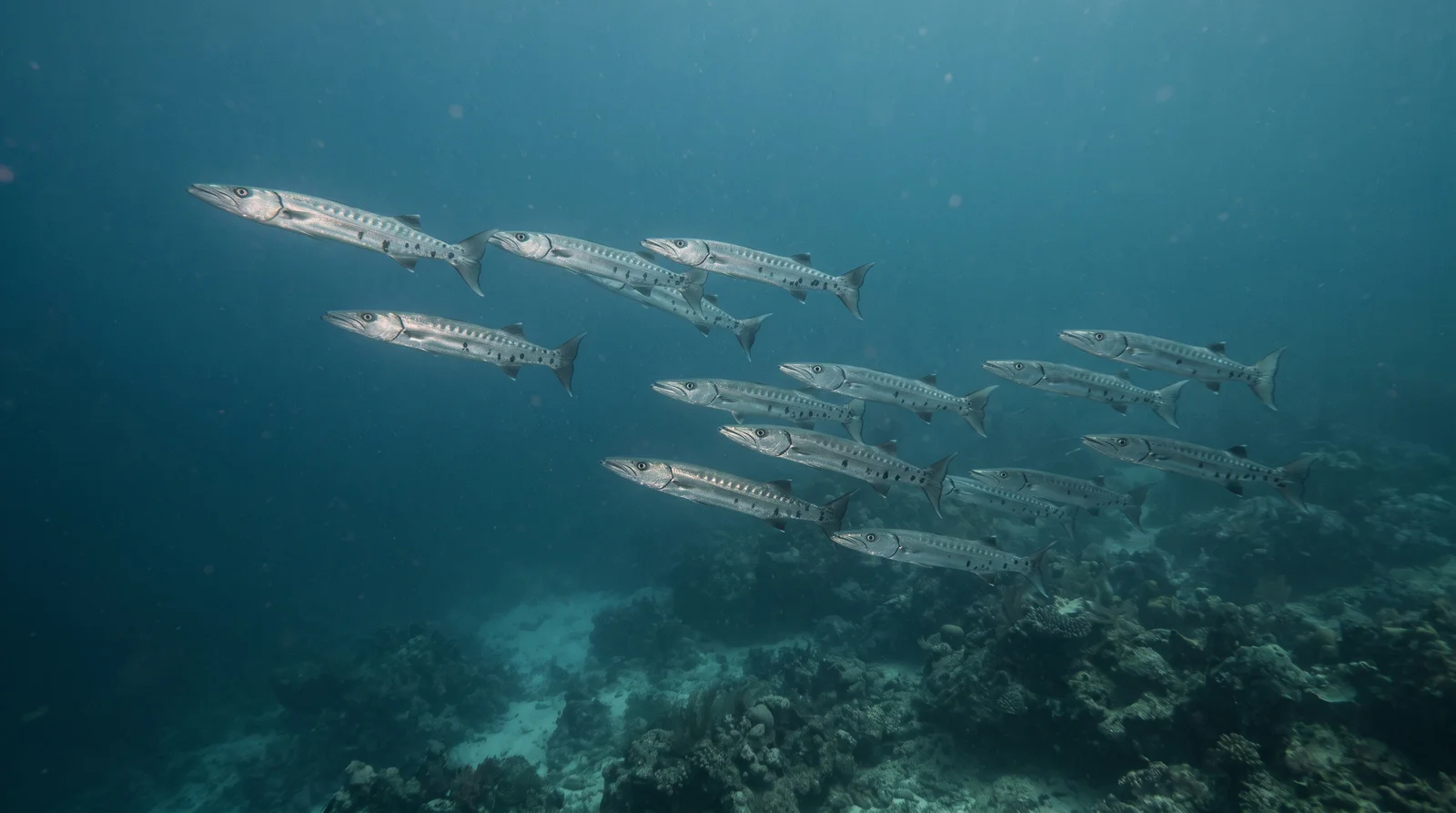
Barracuda (assorted)
Sphyraena spp.
Dokumentiertes Vorkommen am Tauchplatz
Quelle geprüft am 2026-11-18 · Quellen: Sabang Freeport (blog), Scuba Diver Life und Underwater Asia · Beobachtungsdatum nicht dokumentiert
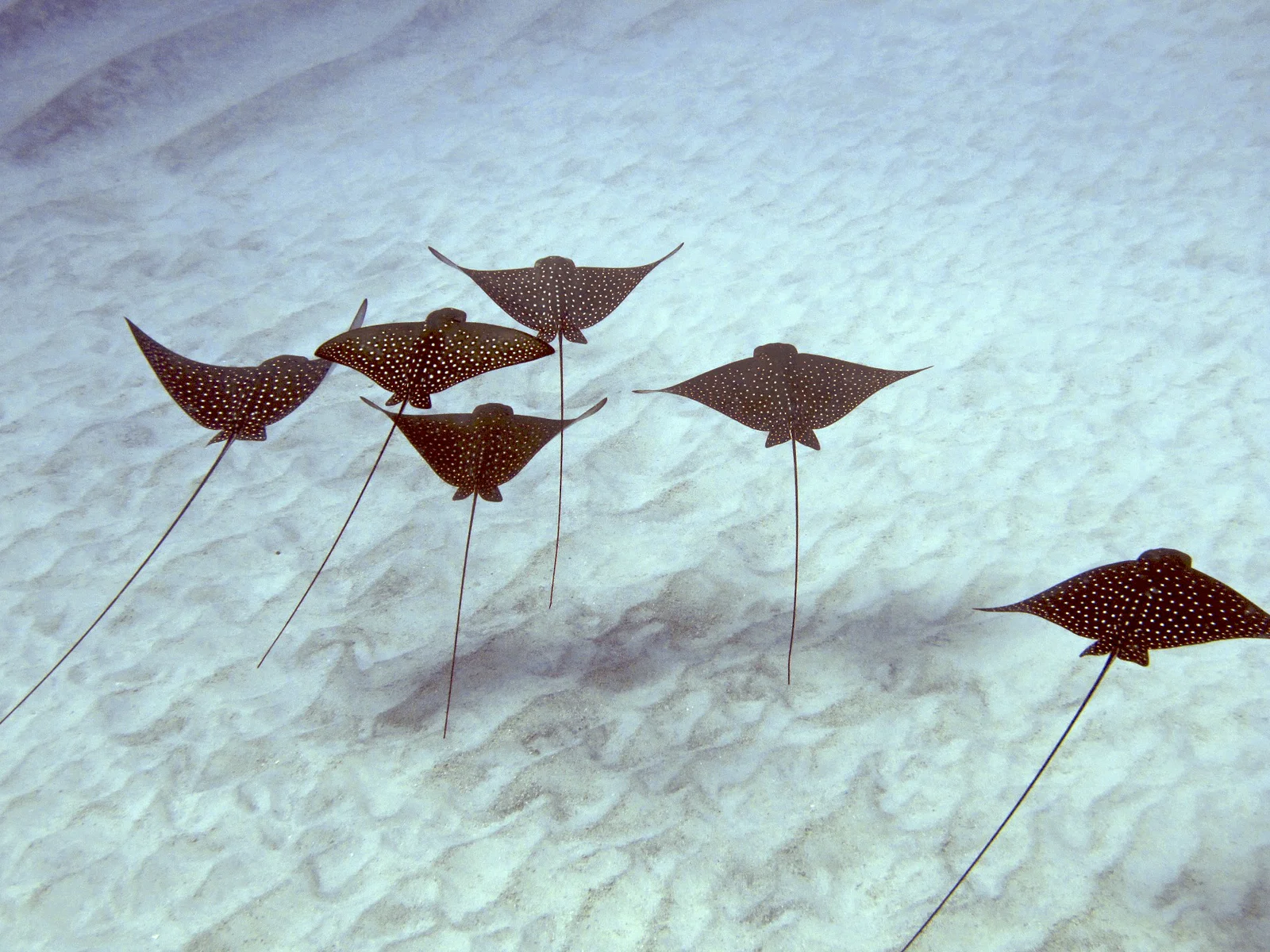
Eagle Ray (assorted)
Aetobatidae and Myliobatidae spp.
Dokumentiertes Vorkommen am Tauchplatz
Quelle geprüft am 2026-11-18 · Quellen: Sabang Freeport (blog) und Underwater Asia · Beobachtungsdatum nicht dokumentiert
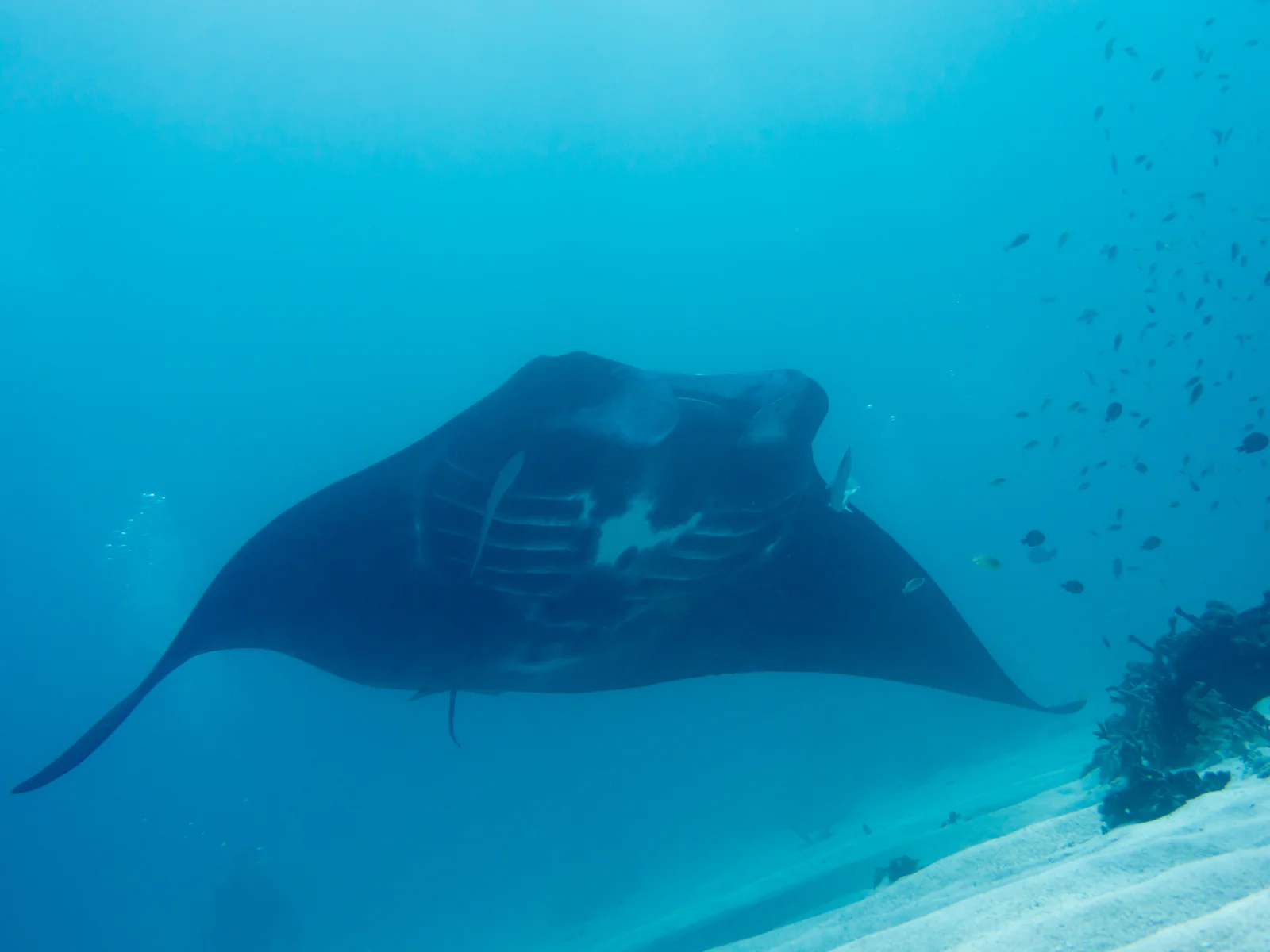
Manta Ray (assorted)
Mobula spp. (manta rays)
Dokumentiertes Vorkommen am Tauchplatz
Quelle geprüft am 2026-11-18 · Quellen: Sabang Freeport (blog) und Underwater Asia · Beobachtungsdatum nicht dokumentiert
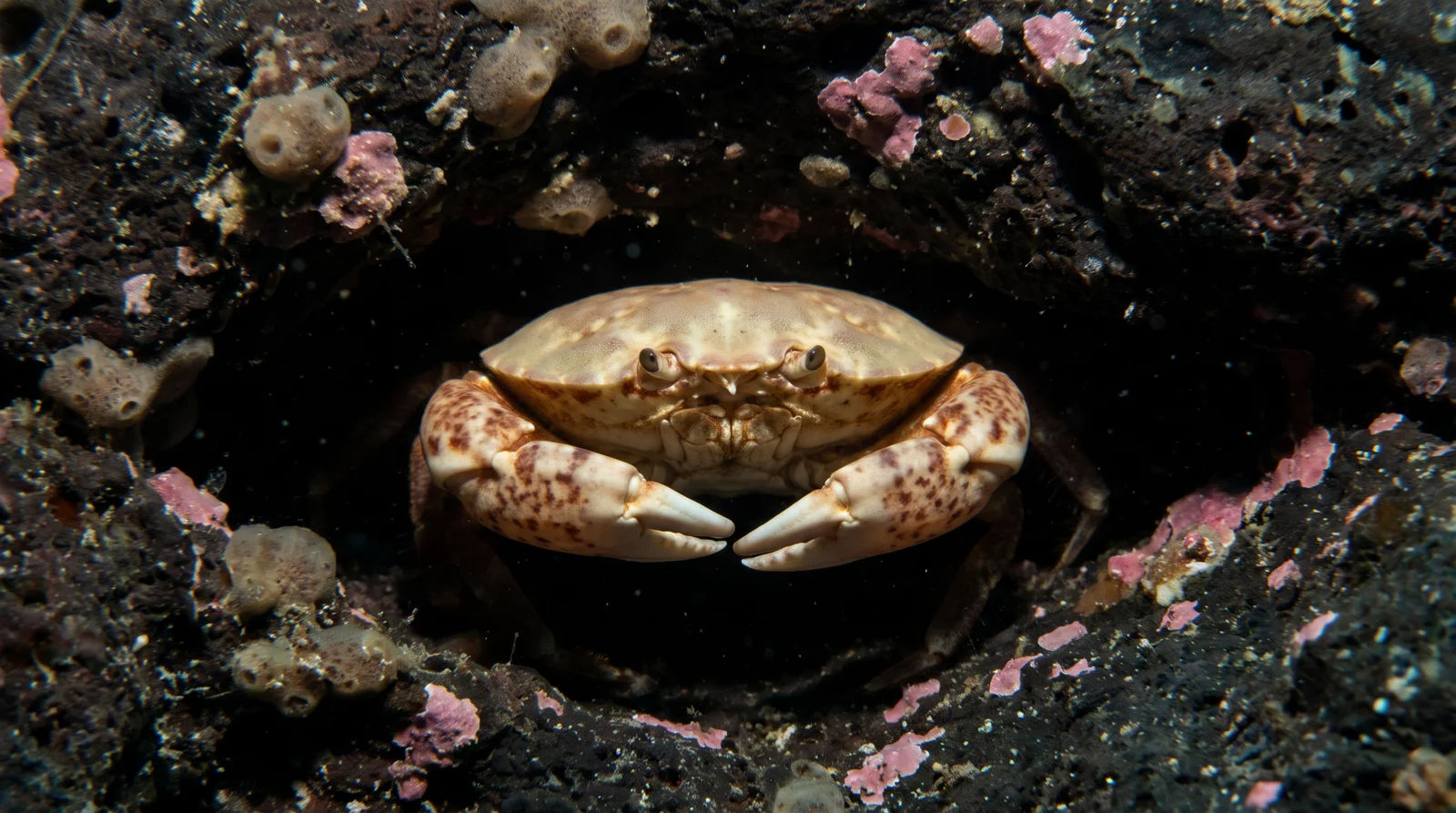
Crab (assorted)
Brachyura and Anomura spp. (crabs)
Dokumentiertes Vorkommen am Tauchplatz
Quelle geprüft am 2026-11-18 · Quelle: Scuba Diver Life · Beobachtungsdatum nicht dokumentiert
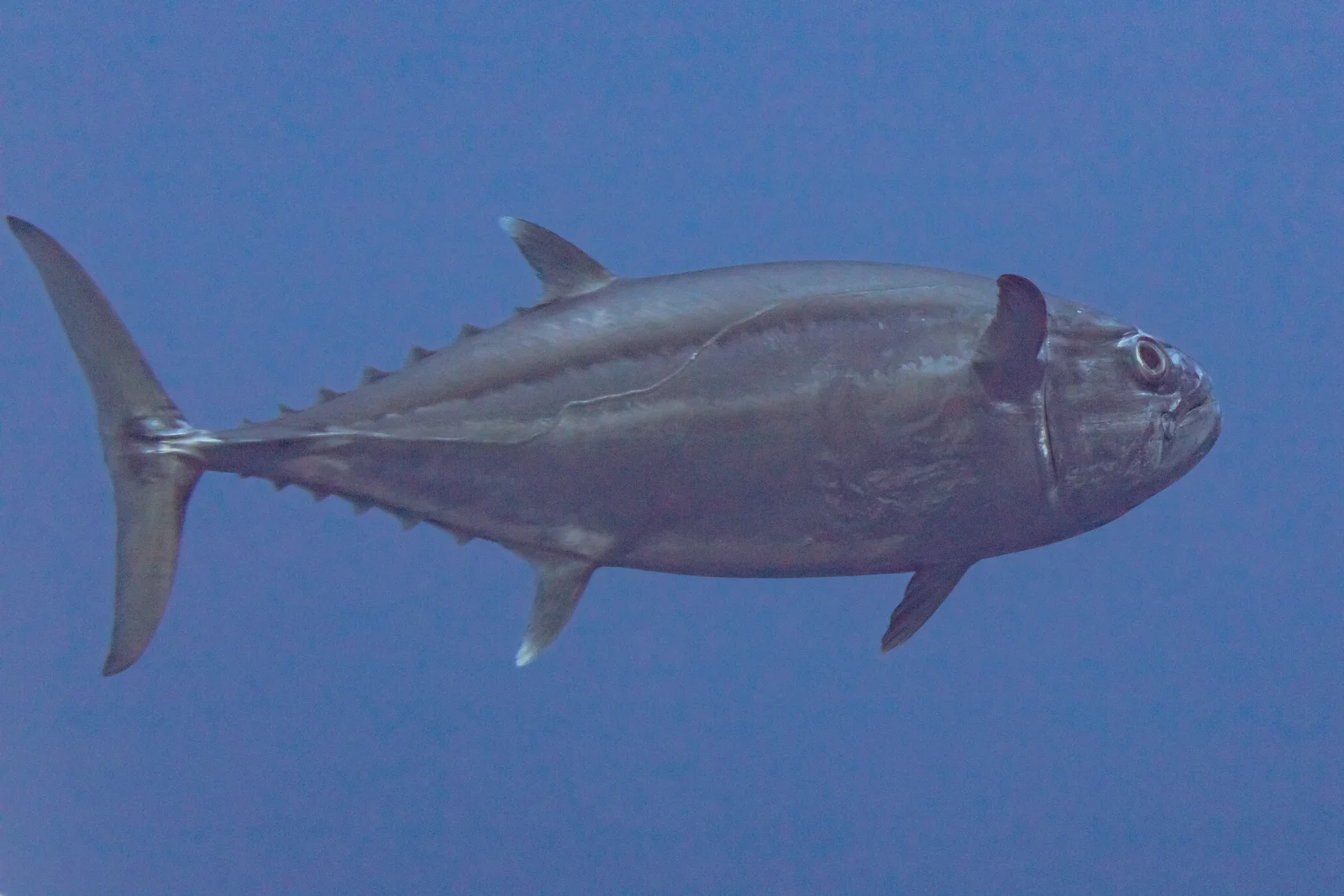
Dogtooth Tuna
Gymnosarda unicolor
Dokumentiertes Vorkommen am Tauchplatz
Quelle geprüft am 2026-11-18 · Quelle: Scuba Diver Life · Beobachtungsdatum nicht dokumentiert
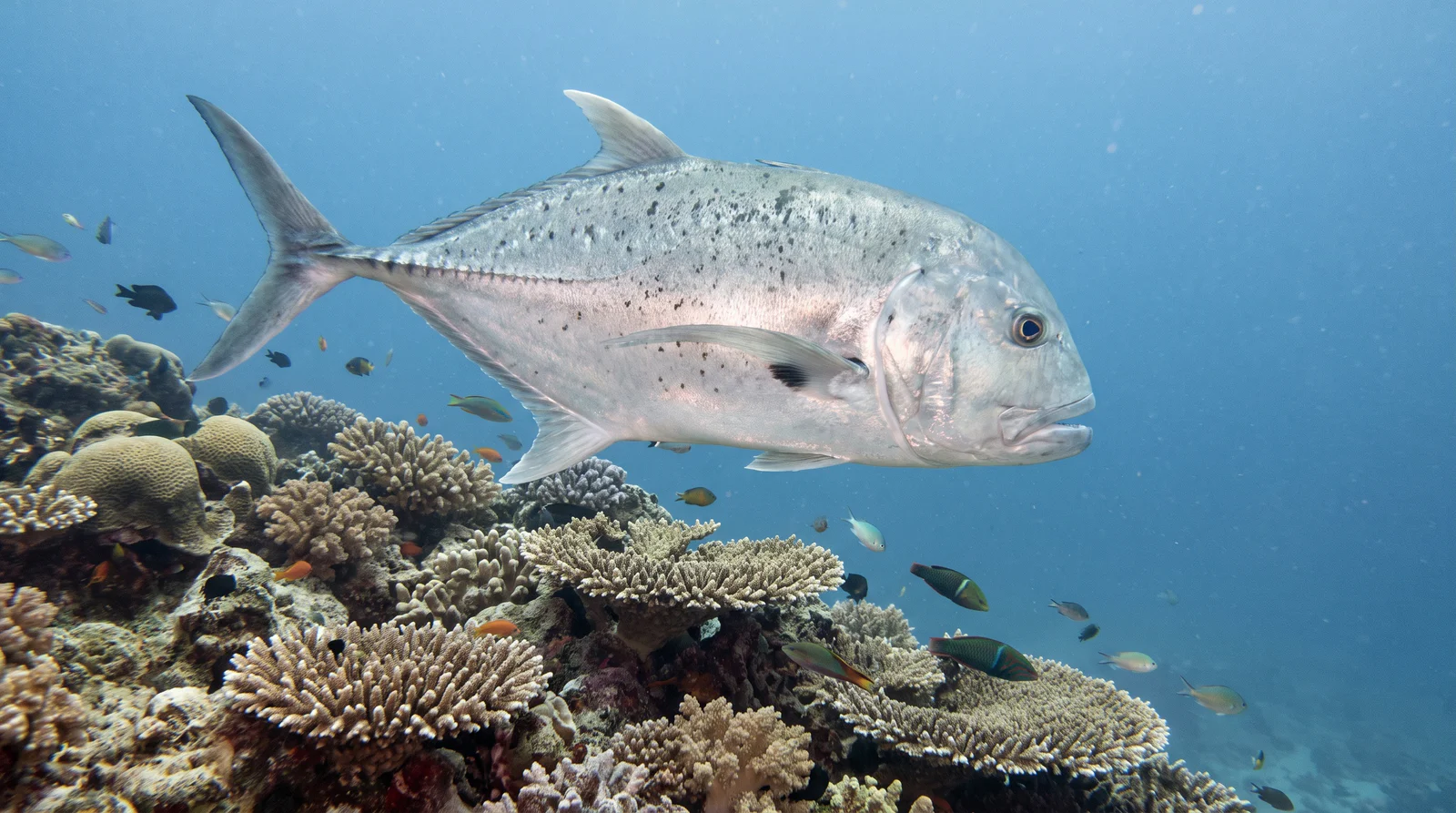
Giant Trevally
Caranx ignobilis
Dokumentiertes Vorkommen am Tauchplatz
Quelle geprüft am 2026-11-18 · Quelle: Stingy Nomads · Beobachtungsdatum nicht dokumentiert
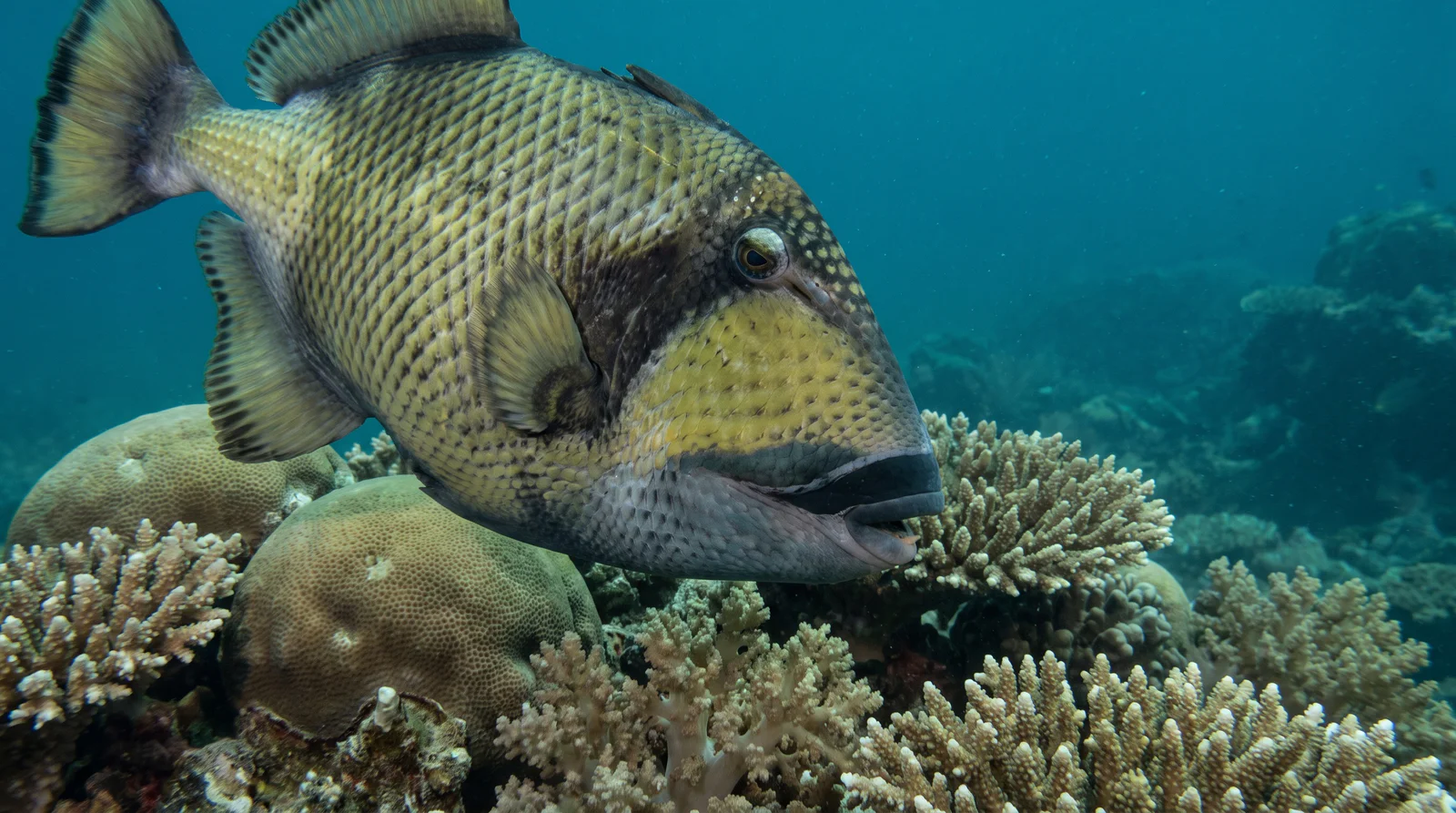
Titan Triggerfish
Balistoides viridescens
Dokumentiertes Vorkommen am Tauchplatz
Quelle geprüft am 2026-11-18 · Quellen: Scuba Diver Life und Stingy Nomads · Beobachtungsdatum nicht dokumentiert
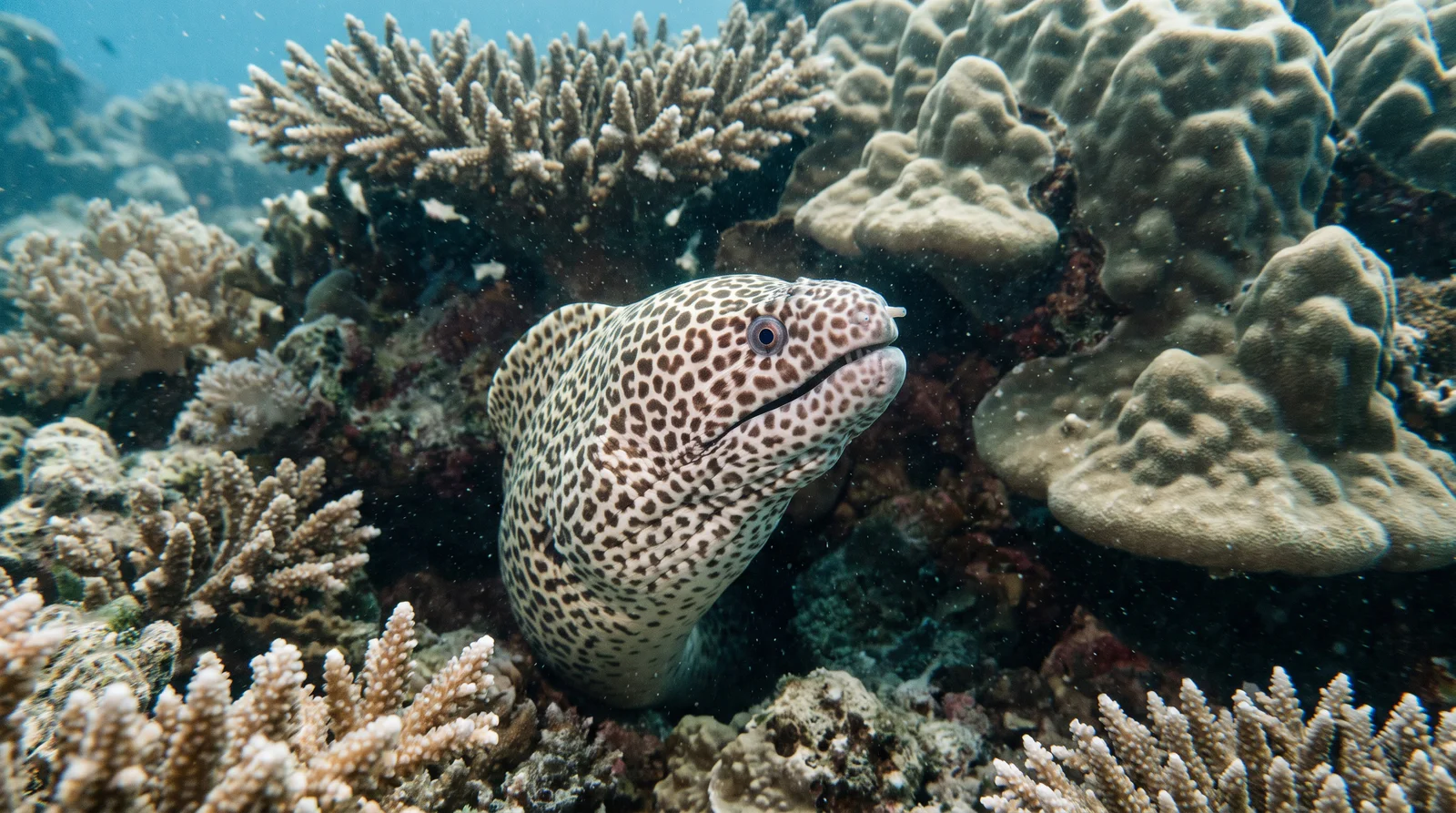
Honeycomb Moray
Gymnothorax favagineus
Dokumentiertes Vorkommen am Tauchplatz
Quelle geprüft am 2026-11-18 · Quelle: Stingy Nomads · Beobachtungsdatum nicht dokumentiert
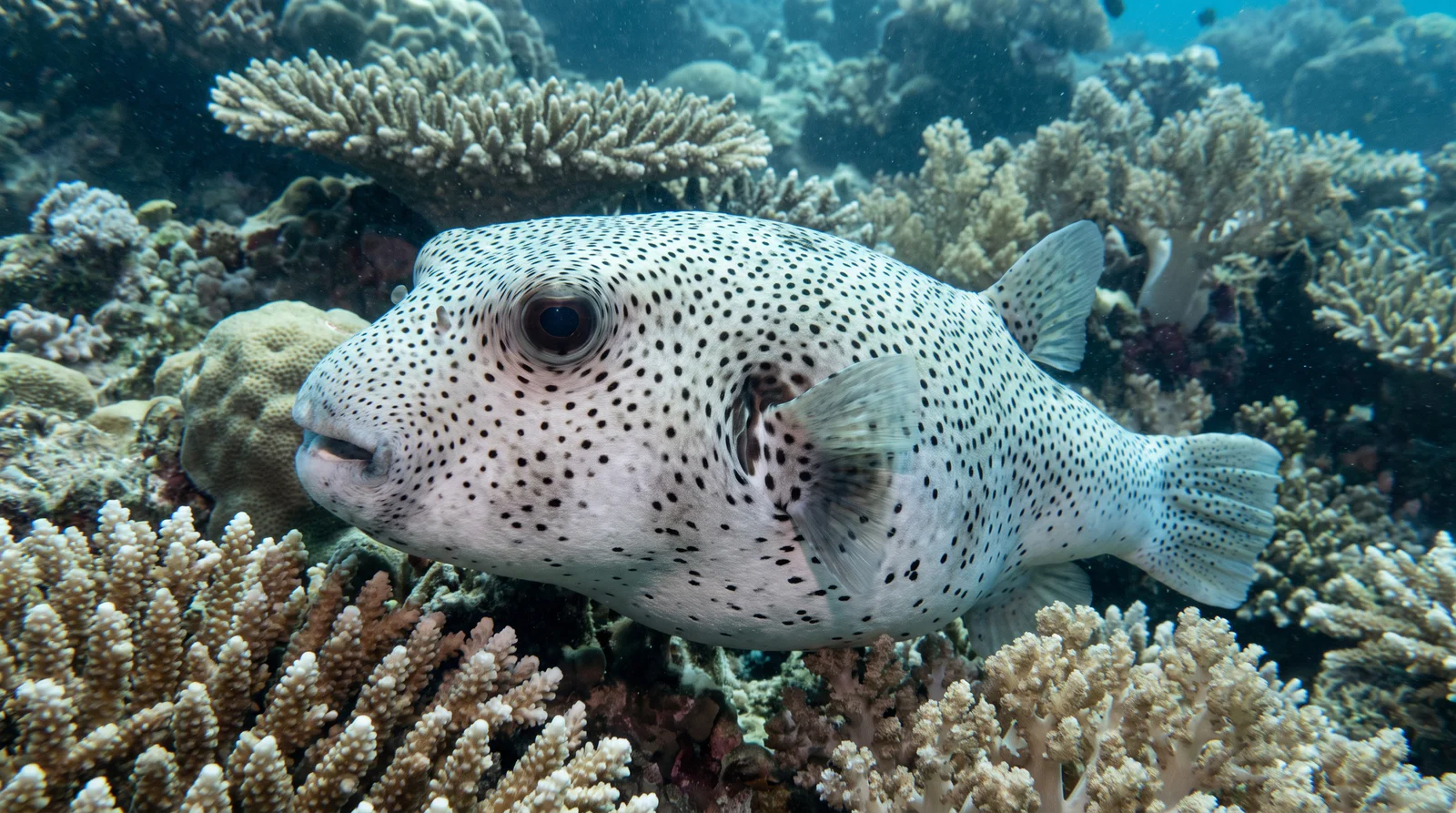
Starry Pufferfish
Arothron stellatus
Dokumentiertes Vorkommen am Tauchplatz
Quelle geprüft am 2026-11-18 · Quelle: Scuba Diver Life · Beobachtungsdatum nicht dokumentiert
Schon in The Canyon getaucht?
Protokolliere ihn, checke ein oder erzähl anderen Tauchern, was du gesehen hast.
War das hilfreich?
Bleiben Sie auf dem Laufenden
Erhalten Sie Updates zu Tauchplätzen und Tipps per E-Mail.
Related dive articles.
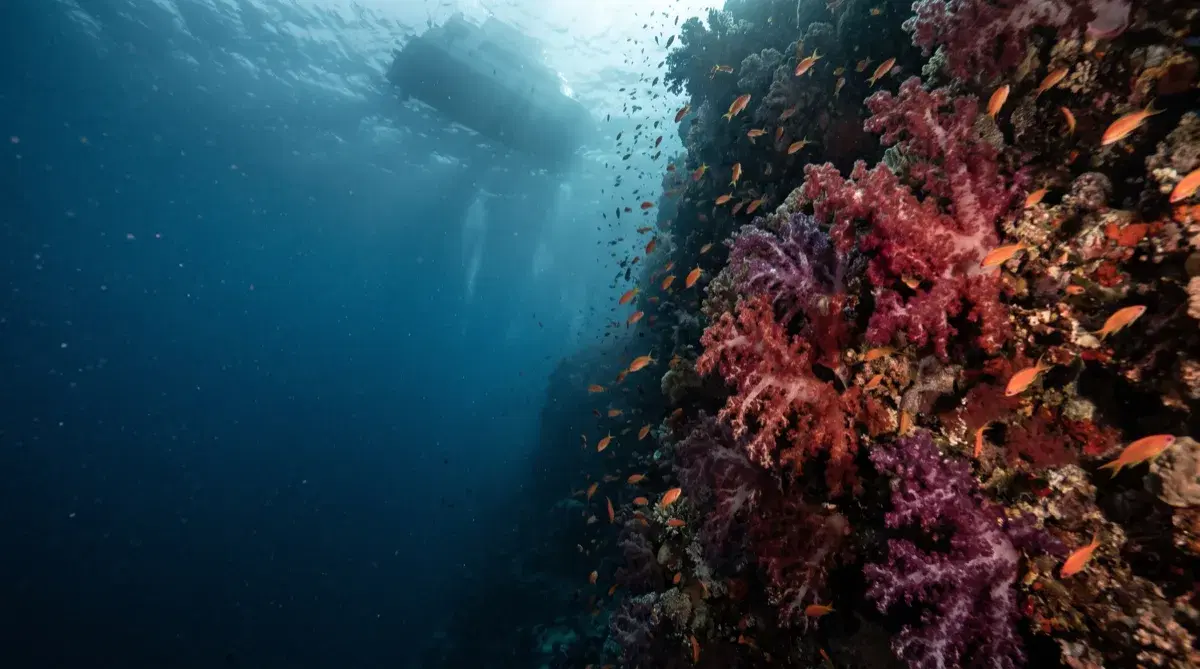
Tauchsafari im Roten Meer: Routen, Saison und Kosten
Nordroute, Offshore-Riffe oder Süden: Was Quellen zu Voraussetzungen und Haisaison einer Tauchsafari im Roten Meer sagen und was nicht dokumentiert ist.
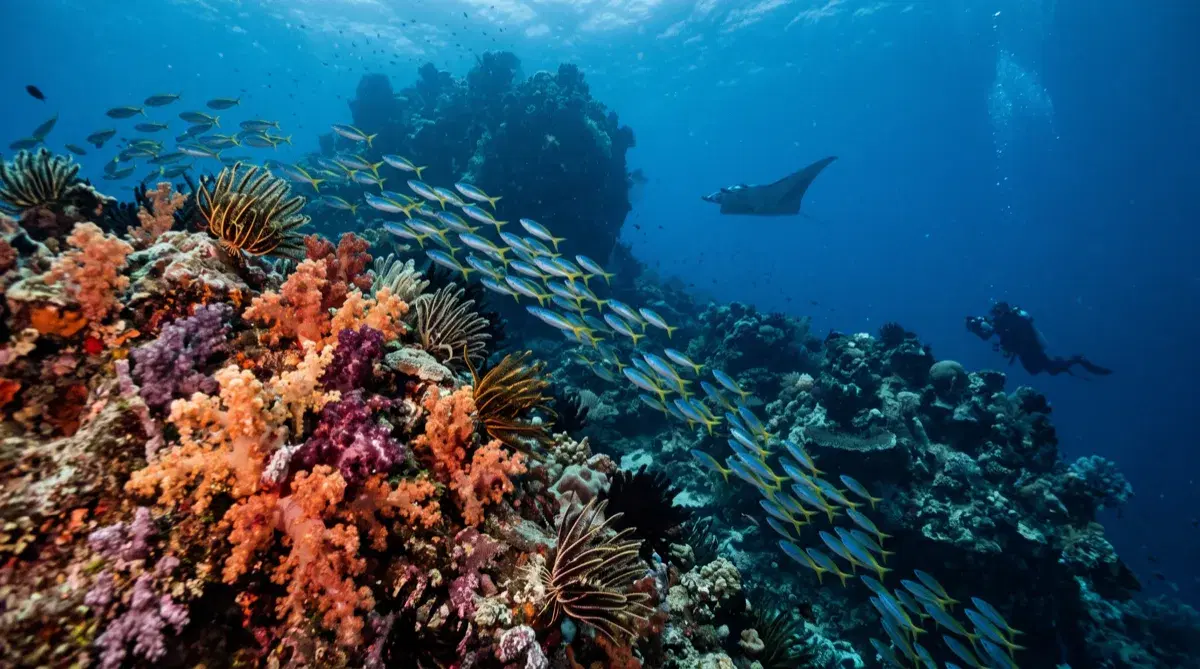
Tauchen in Komodo: Strömung, Mantas und Reisezeit
Komodo ist ein Strömungsziel. Was Nord- und Südteil unterscheidet, wann Mantas kommen und welche Erfahrung du für Castle Rock wirklich brauchst.
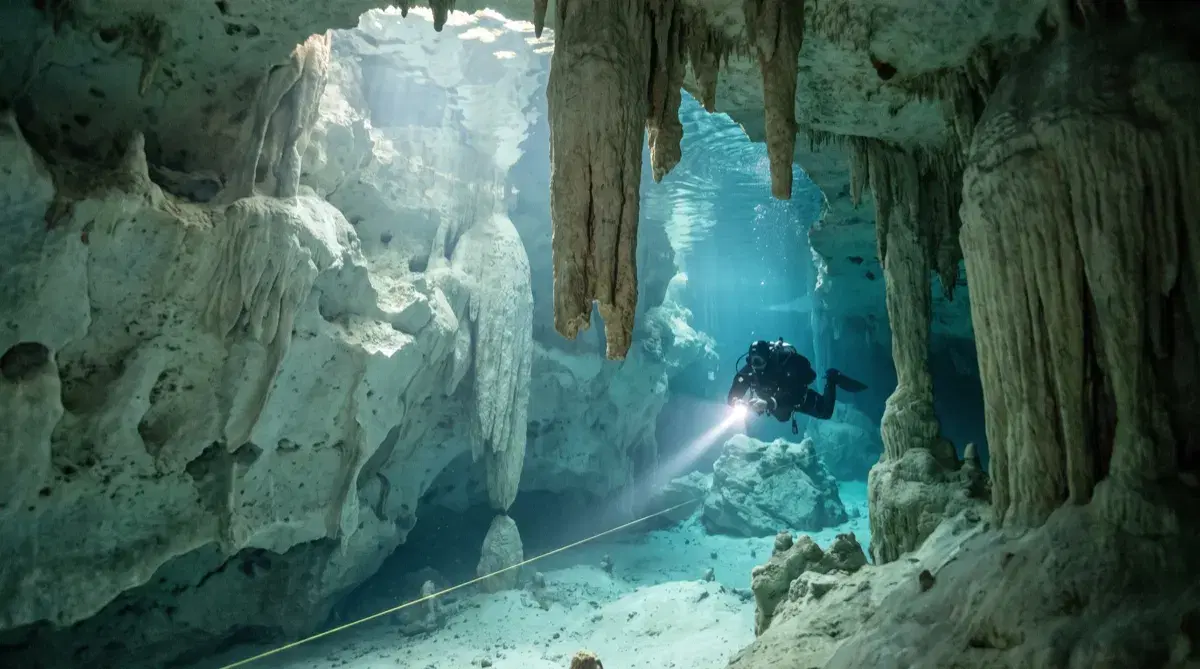
Tauchen in Mexiko: Von den Cenoten bis Socorro
Mexikos zwei Tauchküsten, von den Cenoten bis Socorro: was die genannten Quellen zu Cenotenregeln, Cabo Pulmo und Saison sagen und was nicht dokumentiert ist.