Wall · Wreck · Reef · Drift · Seamount · Drop-off
Big Brother Island
Verification status unavailable Some details may be incomplete or outdated. Confirm current conditions locally, and suggest a correction if you know this site.
Know this dive site? Suggest a correctionAbout This Dive Site
Big Brother Island: A Red Sea Pinnacle for Advanced Divers
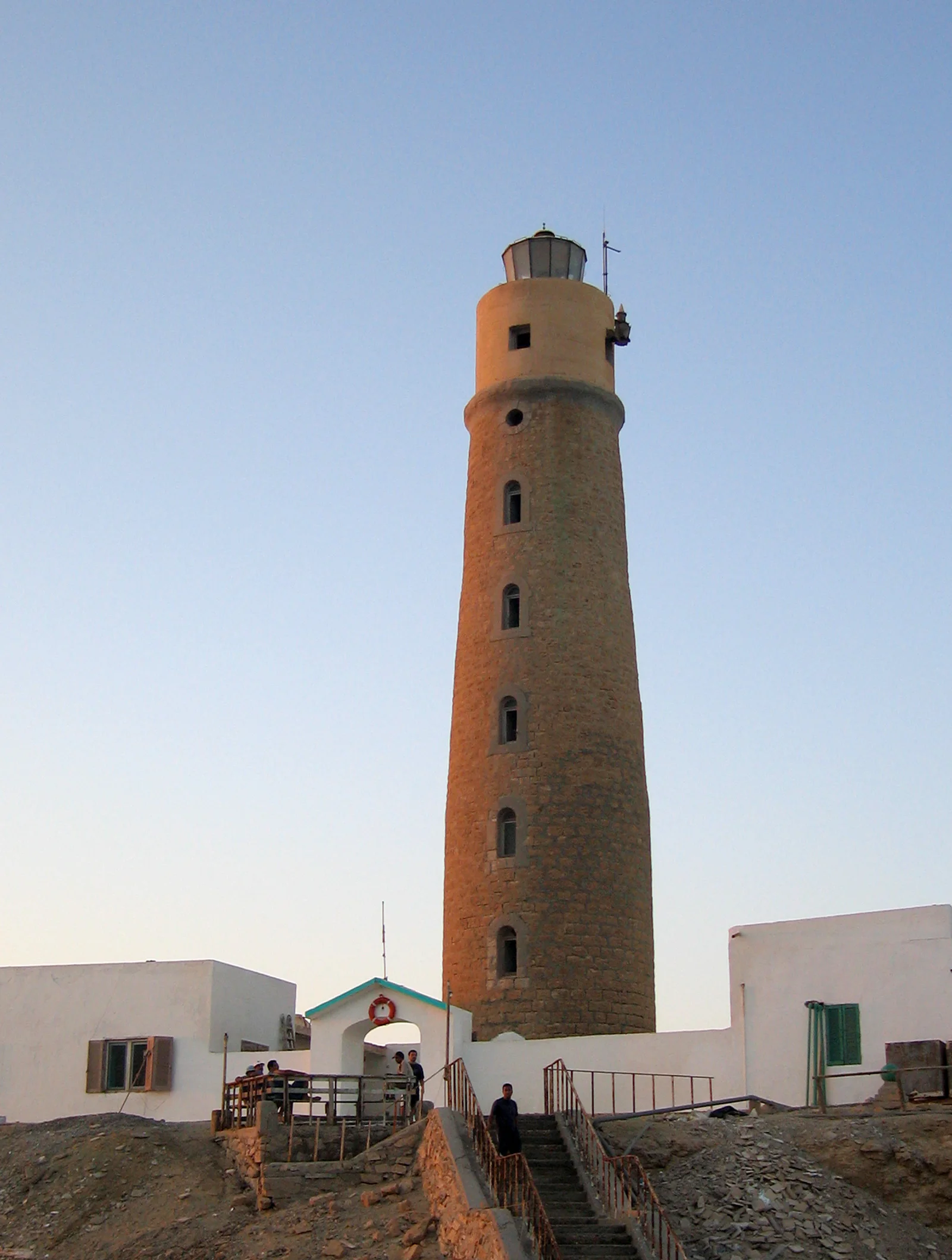
Prepare for an exhilarating liveaboard-only adventure at Big Brother Island, one of the Red Sea's most iconic and demanding dive sites. Rising dramatically from depths exceeding 800 meters, this isolated pinnacle, crowned by a historic 1883 British-built lighthouse, offers an unparalleled diving experience for those with an Advanced Open Water certification and a good level of experience.
Diving Conditions and Topography
Big Brother Island is renowned for its vibrant, current-swept walls, which are cloaked in some of the Red Sea's richest soft corals and magnificent giant gorgonians. Divers will find breathtaking drop-offs and a healthy reef system teeming with life. The strong currents, often flowing from north to south, are a defining characteristic of this dive site, nourishing the corals and attracting an abundance of pelagic marine life. Due to these challenging conditions, negative entries are often required, and divers must be proficient in drift diving and buoyancy control. Water temperatures typically range from 22°C to 30°C, offering comfortable diving conditions year-round, though cooler temperatures might be encountered in winter months.
Wrecks of Big Brother Island
Adding to the allure of Big Brother Island are two spectacular wrecks resting on its northern slope, providing a captivating blend of history and marine habitat:
- The Numidia: This 130-145 meter long British cargo steamer, carrying railway equipment, tragically ran aground in 1901 on its second voyage to India. The wreck begins as shallow as 8 meters at the bow and plunges steeply down the reef wall, with its stern reaching depths of 80 to 85 meters. Recreational divers can explore the upper sections, which are beautifully encrusted with hard and soft corals, making it challenging to distinguish between wreck and reef in some areas.
- The Aida: An Italian/Egyptian supply and troop transport ship, the 75-meter Aida sank in 1957 after striking the reef during rough weather while delivering supplies to the lighthouse crew. It rests at a steep angle, with its bow around 12-25 meters and the stern extending to 45-60 meters. The Aida is remarkably intact in parts, offering opportunities to explore its decks, mast, and hull, all now vibrant artificial reefs teeming with marine life.
It is often possible to dive both wrecks in a single dive, making for an unforgettable experience.
Marine Life Encounters
Big Brother Island is a hotspot for large pelagics, making it a dream destination for shark enthusiasts. Divers will frequently encounter curious Oceanic Whitetip Sharks patrolling the blue, a signature sight of the Brothers Islands. Keep an eye out for Scalloped Hammerhead Sharks, especially during the spring and summer months, and the graceful Pelagic Thresher Sharks, often spotted in the early mornings during cooler seasons (November to March) near cleaning stations on the southern plateau. Grey Reef Sharks and Silvertip Sharks are also common residents.
Beyond the sharks, the vibrant reef walls are home to an incredible diversity of marine life. Divers can expect to see schooling Dogtooth Tuna and Giant Trevally, along with various reef fish such as anthias, butterflyfish, angelfish, and surgeonfish. Look into the crevices for moray eels and keep an eye out for Napoleon wrasse and several species of turtles, including green, loggerhead, and hawksbill.
Important Considerations and Hazards
This dive site is strictly for advanced divers due to the strong currents, significant depths, and potential for decompression obligation. We recommend divers have a minimum of 50 logged dives and solid experience with drift and deep diving. Surface conditions can be rough, making entries and exits from zodiacs challenging. Divers must carry appropriate surface signaling devices, such as an SMB, at all times. Night dives are prohibited in this protected marine park. While thrilling, encounters with dangerous marine life, particularly sharks, should always be approached with respect and caution.
Big Brother Island promises an unforgettable experience, combining world-class wreck diving with spectacular coral reefs and thrilling pelagic encounters, making it a true bucket-list destination for experienced divers.
Current Conditions
Typical current strength at this dive site
Strong
Powerful current. Advanced certification and drift dive experience required. Follow guide instructions.
Strength Scale
None
Mild
Moderate
Strong
Best Time to Visit
Monthly conditions and seasonal highlights — tap a month
Peak diving season with optimal visibility, calm seas, and best marine life encounters. Notable sightings: Pelagic Thresher Shark, Oceanic Whitetip Shark.
Marine Life
7 species recorded at this site
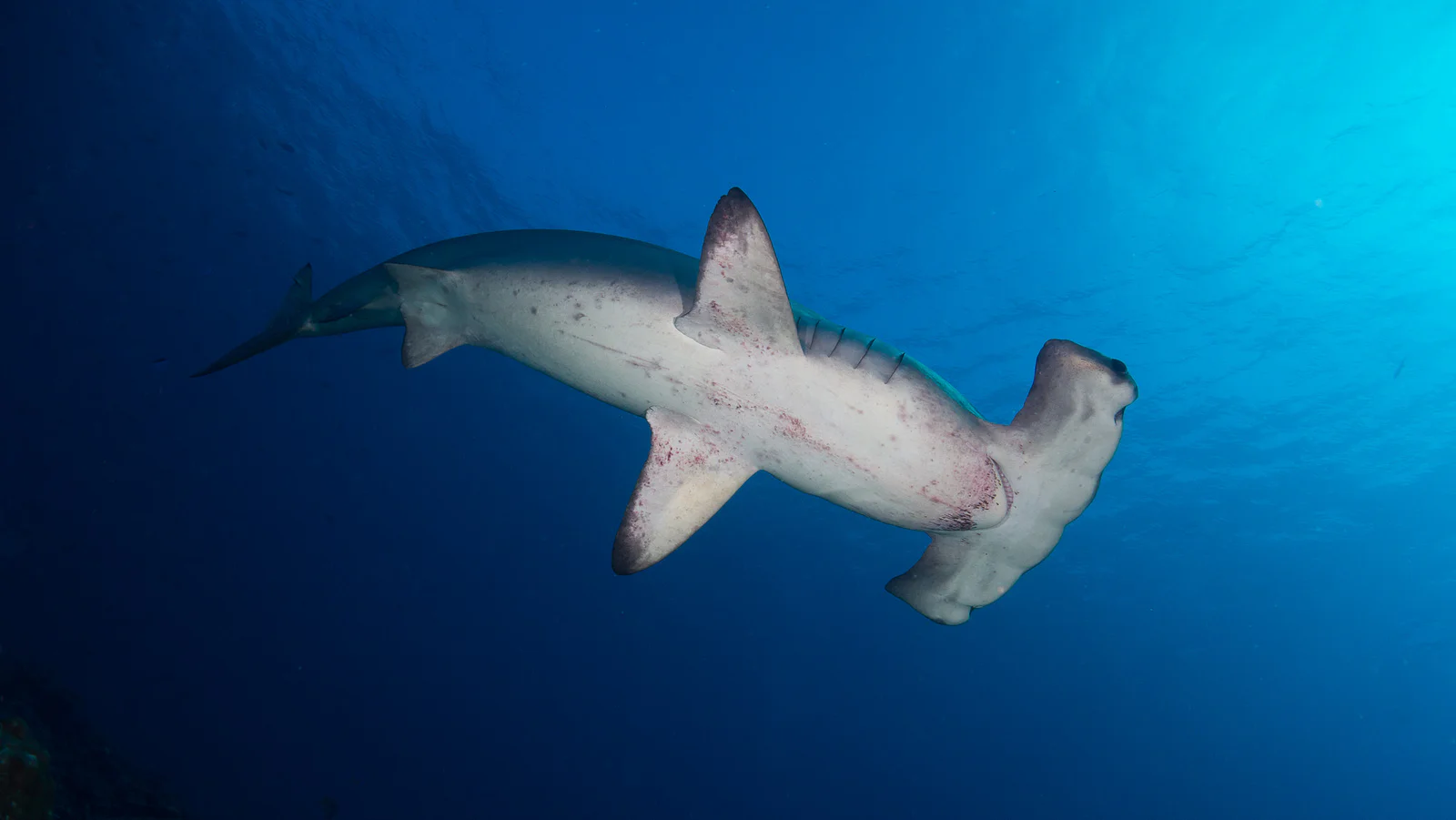
Scalloped Hammerhead Shark
Sphyrna lewini
Jun, Jul, Aug · Unverified
Site occurrence not yet documented
No dated observations available.
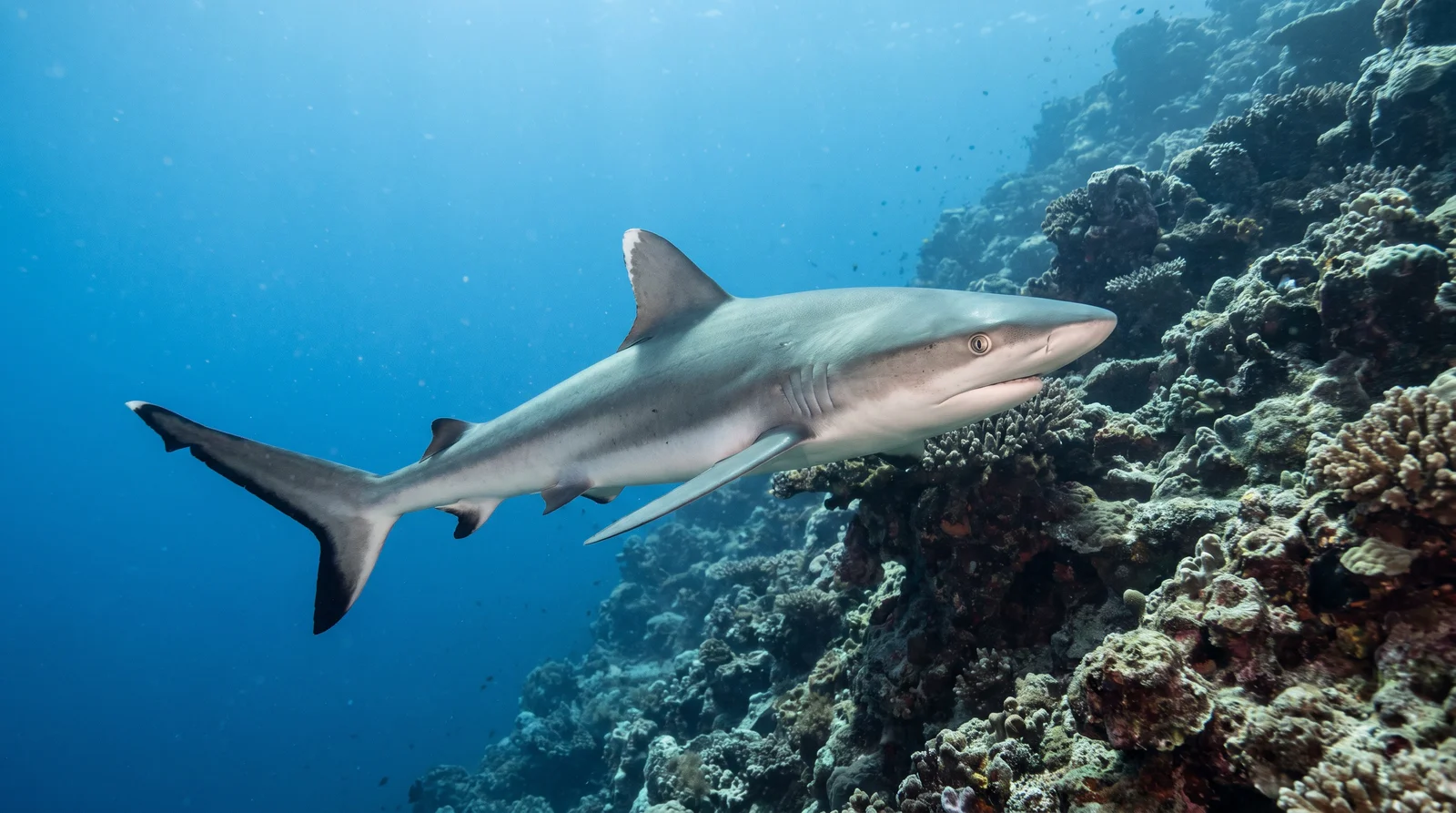
Grey Reef Shark
Carcharhinus amblyrhynchos
Site occurrence not yet documented
No dated observations available.
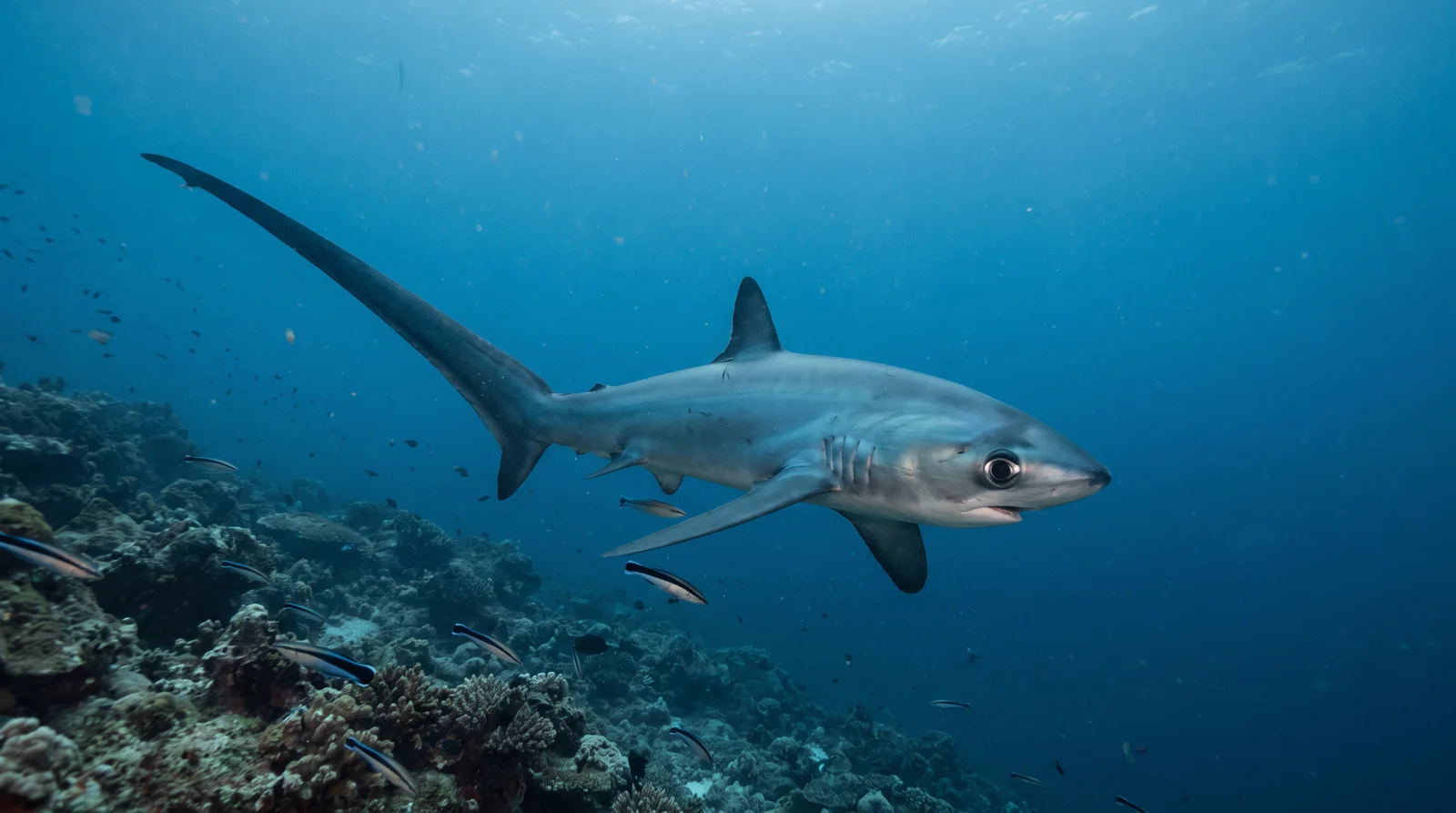
Pelagic Thresher Shark
Alopias pelagicus
Oct, Nov, Dec · Unverified
Site occurrence not yet documented
No dated observations available.
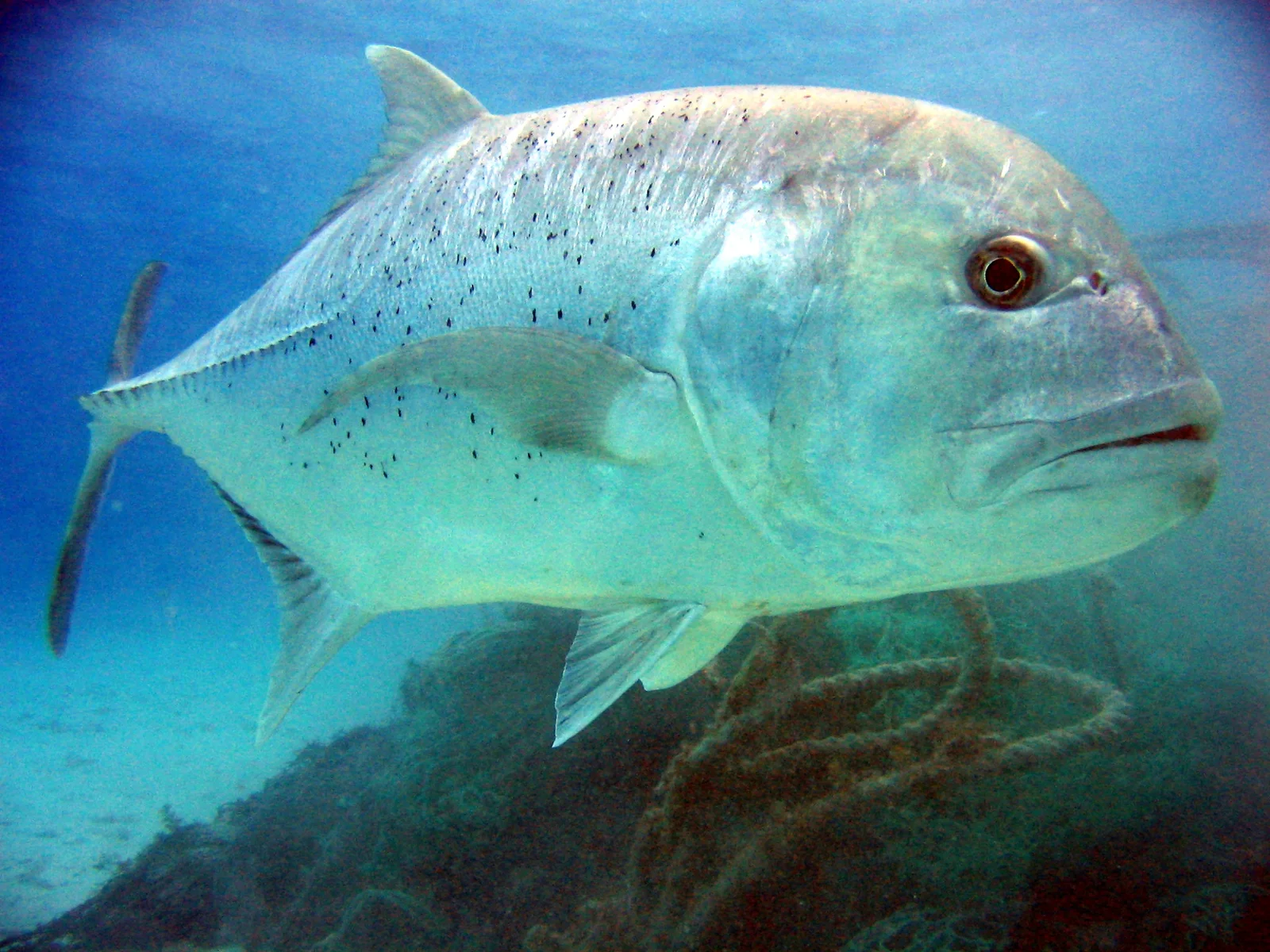
Giant Trevally
Caranx ignobilis
Site occurrence not yet documented
No dated observations available.
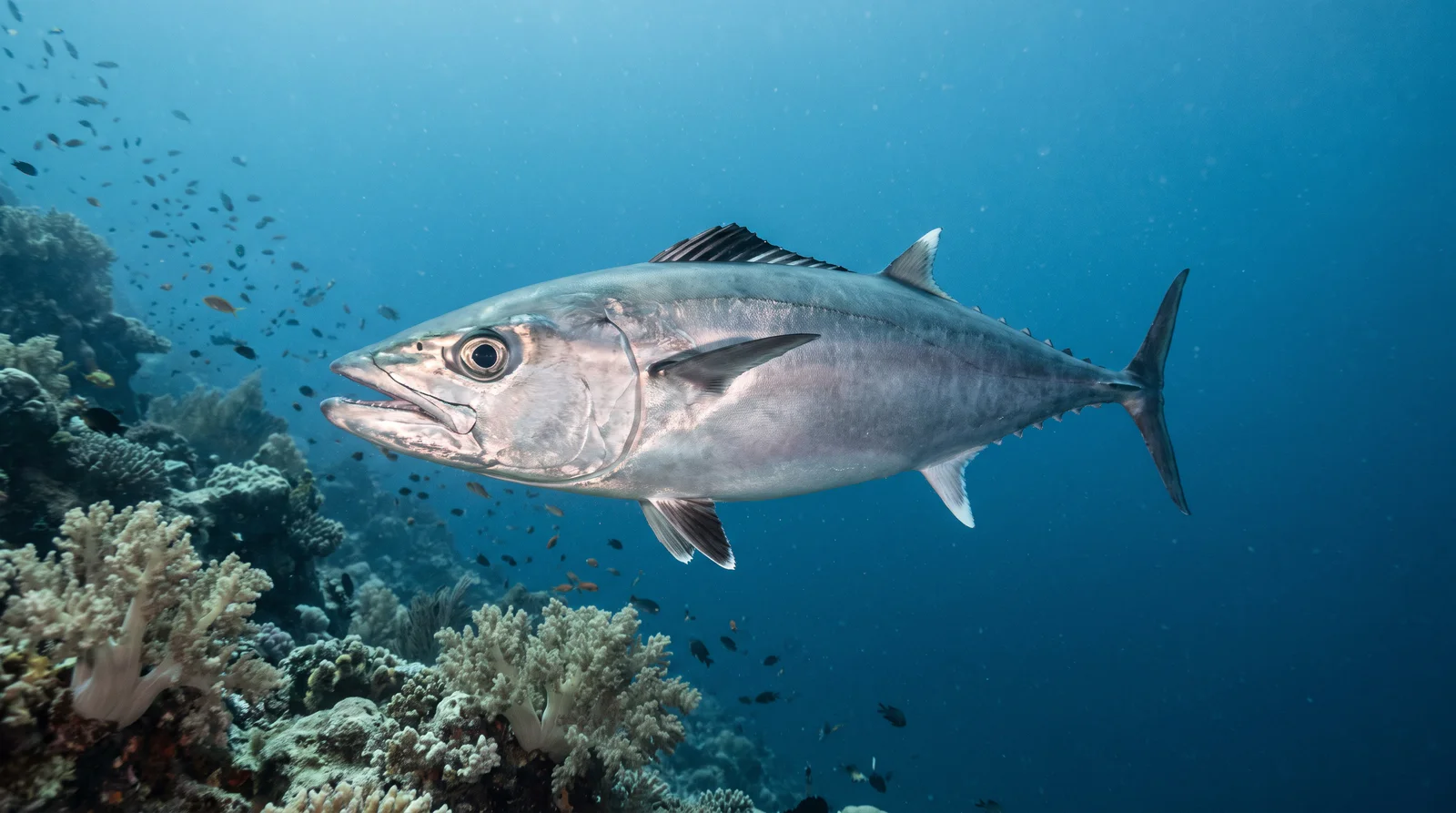
Dogtooth Tuna
Gymnosarda unicolor
Site occurrence not yet documented
No dated observations available.
Oceanic Whitetip Shark
Carcharhinus longimanus
Oct, Nov, Dec · Unverified
Site occurrence not yet documented
No dated observations available.
Silvertip Shark
Carcharhinus albimarginatus
Site occurrence not yet documented
No dated observations available.
Hazards & Safety
Be aware of these potential hazards at this dive site
Strong current
Severity: HighStrong, unpredictable currents demand drift-diving experience
Depth
Severity: HighWalls plunge to 800 m with no bottom reference
Decompression obligation
Severity: HighDeep walls and wreck profiles routinely require staged decompression
Sharp metal
Severity: MediumCorroding wreckage on the Numidia and Aida wrecks
Overhead environment
Severity: MediumWreck penetration on the Numidia/Aida requires Wreck Diver training
Dangerous marine life
Severity: MediumOceanic whitetip sharks are regular open-water visitors, Oct–Dec
Certification Required
A minimum of Advanced Open Water certification is required to dive this site.
Sources
Sources not yet documented
Source references have not yet been added to this guide. Details may be incomplete or inaccurate; confirm conditions with a local dive operator.
Know this dive site? Suggest a correction360° Underwater View
Immersive panoramic view of this dive site
360° panorama coming soon
Immersive underwater views will be available when panoramic imagery is uploaded
Reviews
--
0 reviews
No reviews yet. Be the first to share your experience!
Depth Profile
Vertical range at this site
Minimum Depth
16 ft
Shallowest point
Average Depth
98 ft
Typical dive depth
Maximum Depth
131 ft
Deepest point
Stay Updated
Get dive site updates and tips in your inbox.
Dived Big Brother Island? Make it count.
Add it to your logbook, share your sightings, and help 0 divers plan their next descent.
Recent Community Activity
Was this helpful?