Seamount · Pinnacle · Drift · Coral-garden
Crystal Rock
Komodo National Park
Advanced Open Water Certification RequiredBest Season: Apr – Nov
Difficulty
Advanced
Difficulty level
Depth
0 ft98 ft
Depth range
Access
Access not yet documented
Documented months
Apr
Nov
Visibility
49 ft131 ft
Typical visibility
Current
Strong
Good buoyancy control advised
Temperature
77°F82°F
Water temperature
Verification status unavailable Some details may be incomplete or outdated. Confirm current conditions locally, and suggest a correction if you know this site.
Know this dive site? Suggest a correctionAbout This Dive Site
Crystal Rock: A Komodo Gem for Advanced Divers
Named for its typically crystal-clear visibility, Crystal Rock is a magnificent seamount whose tip barely breaks the surface at low tide, standing as a prominent feature a short distance from its larger sibling, Castle Rock. This dive site is renowned for its exhilarating drift diving opportunities and incredible marine biodiversity, making it a must-visit for experienced divers exploring Komodo National Park.
Diving Conditions and Topography
Crystal Rock is an advanced dive site, demanding respect due to its consistently strong currents. We recommend that divers hold an Advanced Open Water certification to safely navigate these dynamic conditions. The dive site features two main peaks joined by a saddle, typically found around 20 meters deep. While the maximum depth can reach 30 meters, divers will often explore an average depth of 22 to 25 meters. Water temperatures in this northern part of Komodo National Park generally range from 24°C to 28°C, though cooler thermoclines can occasionally be encountered. Divers should also be aware of potential boat traffic in the area.
Vibrant Reefs and Pelagic Action
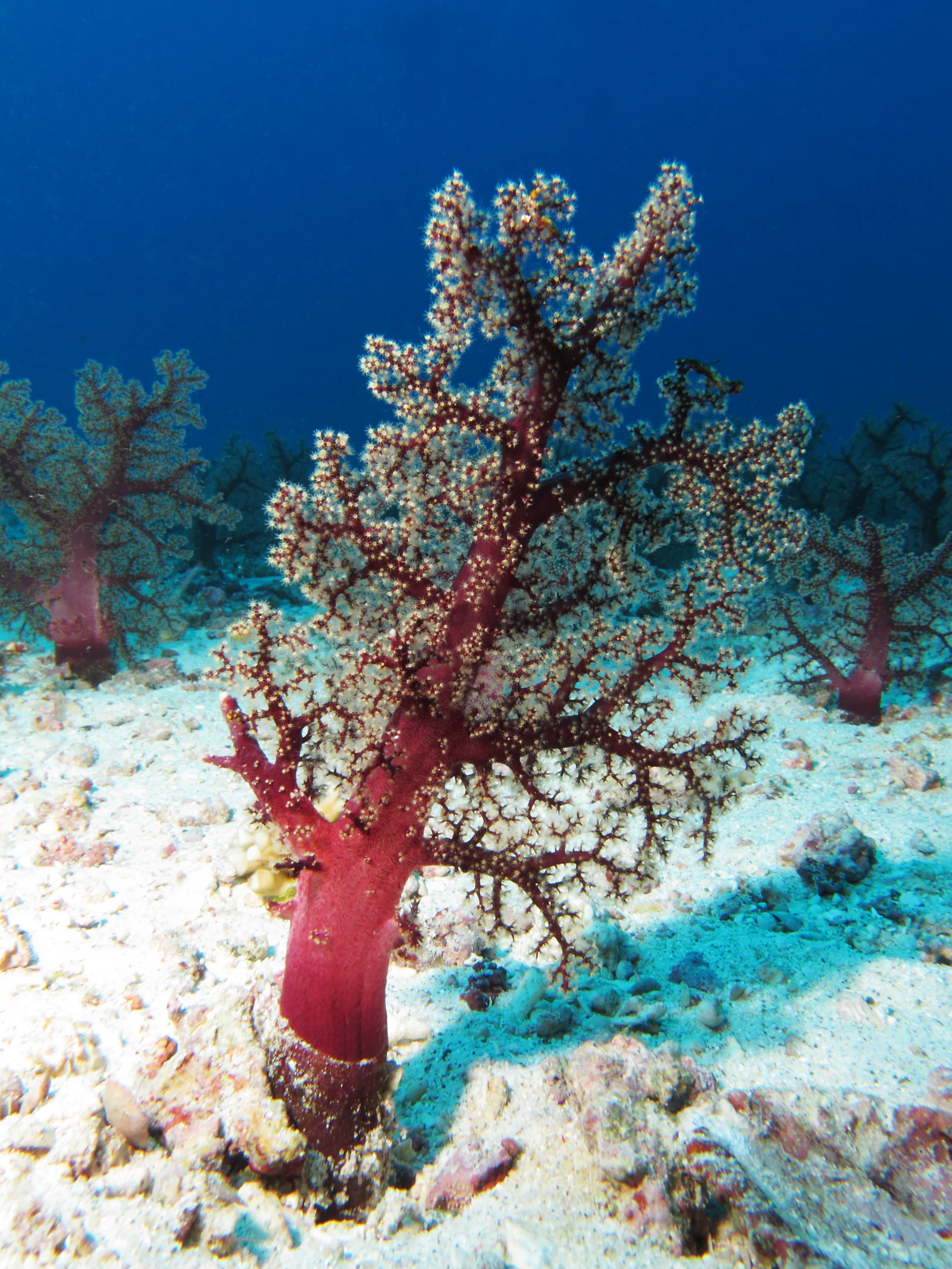
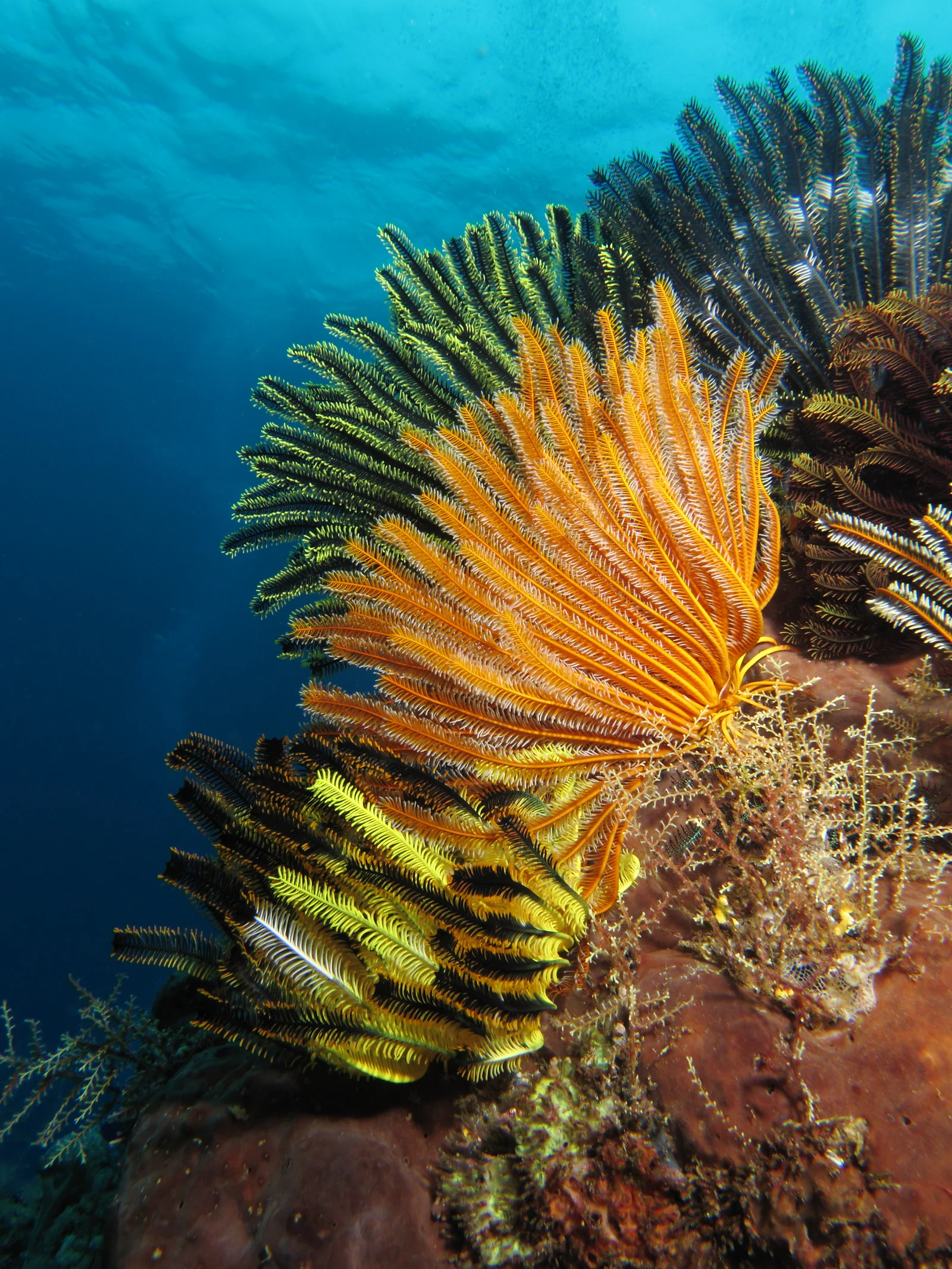
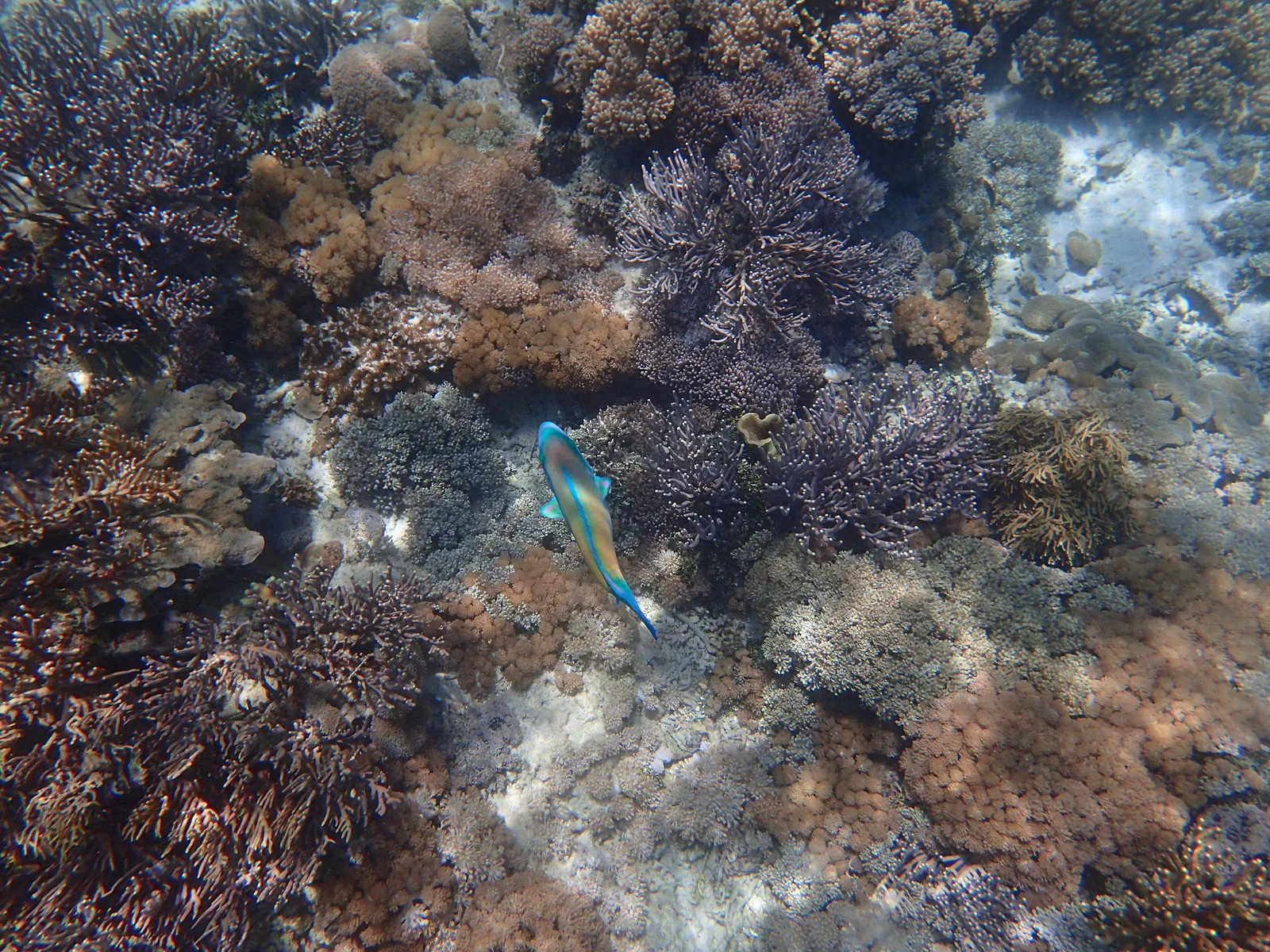
Below the surface, the seamount and its sloping walls are carpeted in some of Komodo’s most vibrant orange and yellow soft corals, alongside giant sea fans and barrel sponges. These healthy reefs provide a stunning backdrop for the abundant marine life that thrives here. Divers can expect thrilling encounters with large pelagic species attracted by the nutrient-rich currents.
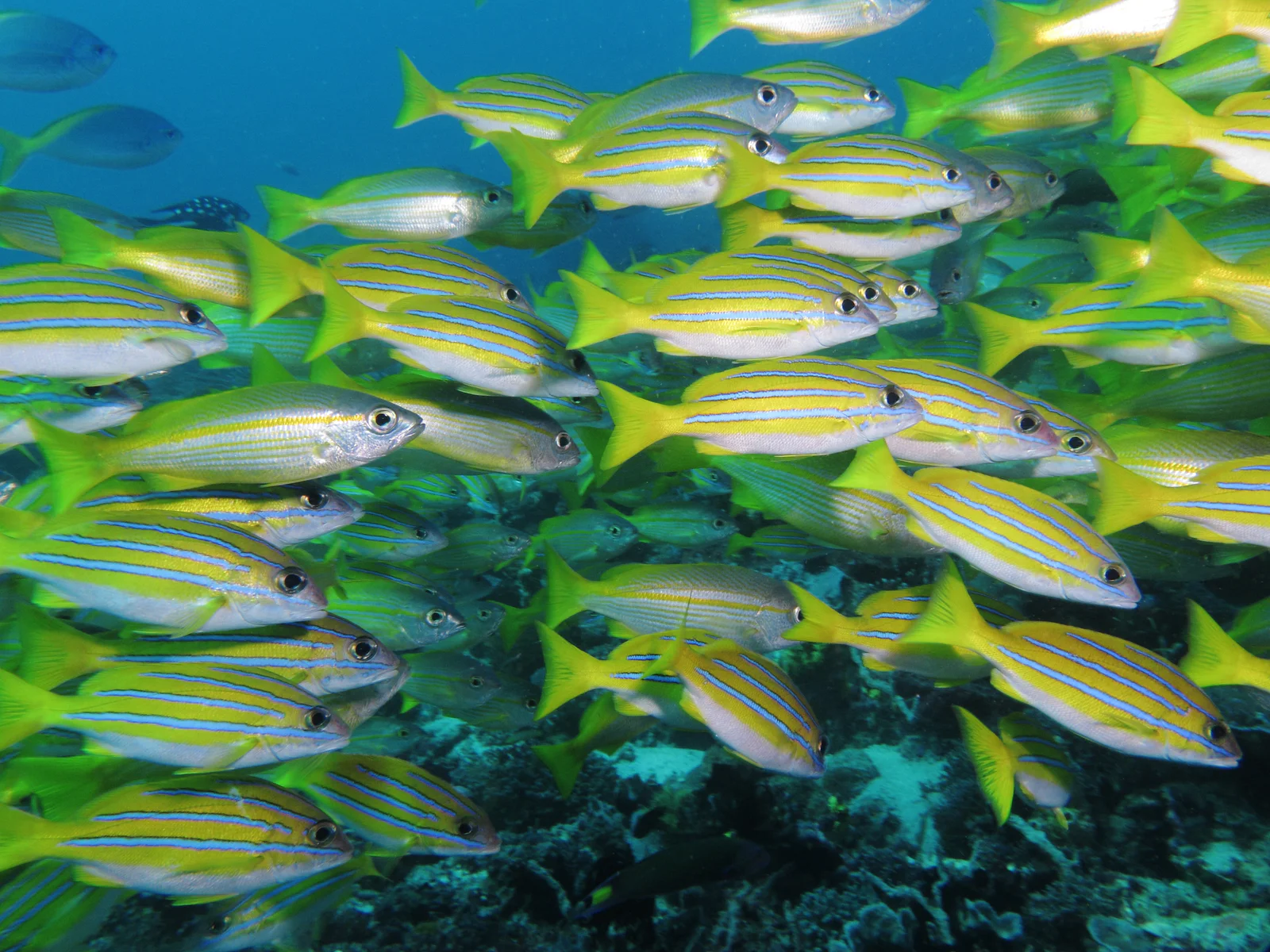
You can encounter numerous sharks, including Grey Reef Sharks (Carcharhinus amblyrhynchos), Whitetip Reef Sharks (Triaenodon obesus), and Blacktip Reef Sharks (Carcharhinus melanopterus). Keep an eye out for the fascinating whitetip "nursery" often found around 17 meters, where juvenile sharks rest under plate corals. Giant Trevally (Caranx ignobilis), Dogtooth Tuna (Gymnosarda unicolor), and Narrow-barred Spanish Mackerel (Scomberomorus commerson) frequently sweep through the blue, often in large schools. Spotted Eagle Rays (Aetobatus narinari) are also common visitors, gracefully gliding through the currents.
Macro Wonders and Reef Dwellers
Beyond the exhilarating pelagic action, Crystal Rock also offers delightful discoveries for those with a keen eye for macro life. Divers will find Humphead Wrasse (Cheilinus undulatus) cruising the reef, while clouds of colorful Sea Goldies (anthias) (Pseudanthias squamipinnis) shimmer over the corals. For macro enthusiasts, the site is particularly famous for its Pygmy Seahorses (Hippocampus bargibanti), often found expertly camouflaged within the gorgonian fans. Nudibranchs, octopuses, and various small crabs and shrimps also add to the site's incredible diversity.
Crystal Rock truly offers the perfect combination of adrenaline-pumping action and intricate macro life, making it a highlight for any advanced diver visiting Komodo National Park.
Features reported around Crystal Rock
Starfish describes Crystal Rock, which it also calls Batu Gili Lawa Laut, as a rock that is submerged at high tide. Teresa Zubi writes that the trick is to stay where there is enough current to see big fish, but not so much that divers must hold on. She describes a small plateau on one side that makes descending and ascending easier, though it is not always accessible because of the current, and notes that its former staghorn and table corals had become broken coral by the time of writing. Further down, at roughly 15 to 22 metres, she reports a small valley of large coral blocks where a large group of yellow Oriental sweetlips and a pair of barramundi cod resided. She also reports seeing a few pygmy seahorses on Muricella sea fans, without placing them in the valley. Residency notes from a 2013-era account are not confirmation that the same animals are there now.
La Galigo places Crystal Rock about 300 metres from Castle Rock and says that, sitting a little back in the shelter of Gili Lawa Laut, it tends to have weaker surface currents than its neighbour; it adds that snorkellers can look down on the often-exposed tip at low tide. Its route ends at the main rock on the eastern side, a sheltered nook with a coral garden where the group hides from the current while raising its profile. Dragon Dive Komodo times its dives to slack or falling tides and also finishes by spiralling up the main rock to the sheltered shallow side, where it reports orange and purple soft corals.
The operator depth figures do not agree. La Galigo's text gives a 30 metre maximum while its own summary box gives 25 metres, and Dragon Dive lists 0 to 40 metres or more. Dragon Dive reports dry-season visibility often of 30 to 40 metres; that is an operator description rather than a measured average.
Advanced Open Water
Current Conditions
Typical current strength at this dive site
Strong
Powerful current. Advanced certification and drift dive experience required. Follow guide instructions.
Strength Scale
None
Mild
Moderate
Strong
Best Time to Visit
Monthly conditions and seasonal highlights — tap a month
OctBest
Peak diving season with optimal visibility, calm seas, and best marine life encounters.
BestGoodLess FavorablePeak
Marine Life
10 species recorded at this site
Rare · Unverified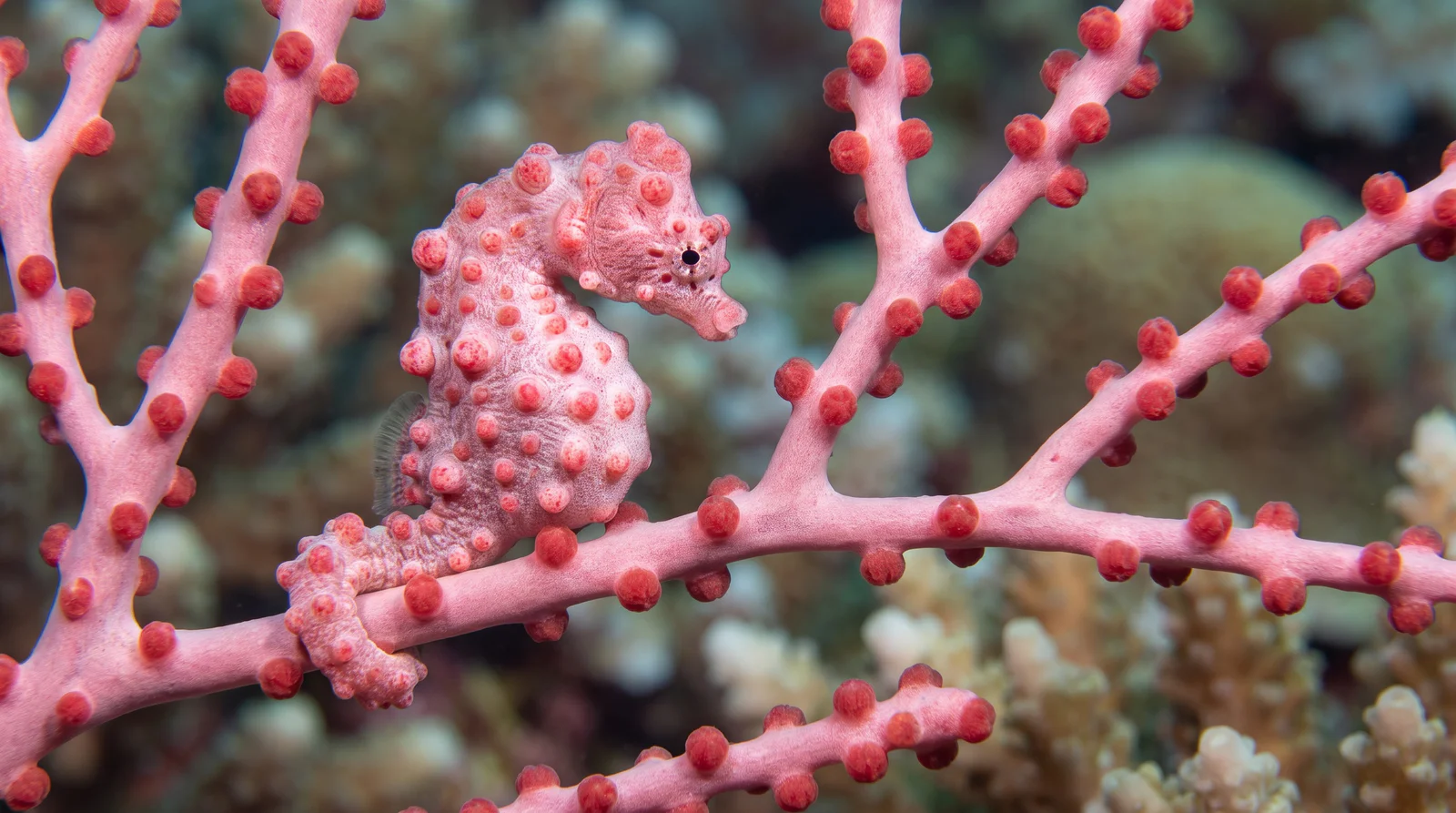
Pygmy Seahorse
Hippocampus bargibanti
Site occurrence not yet documented
No dated observations available.
Common · Unverified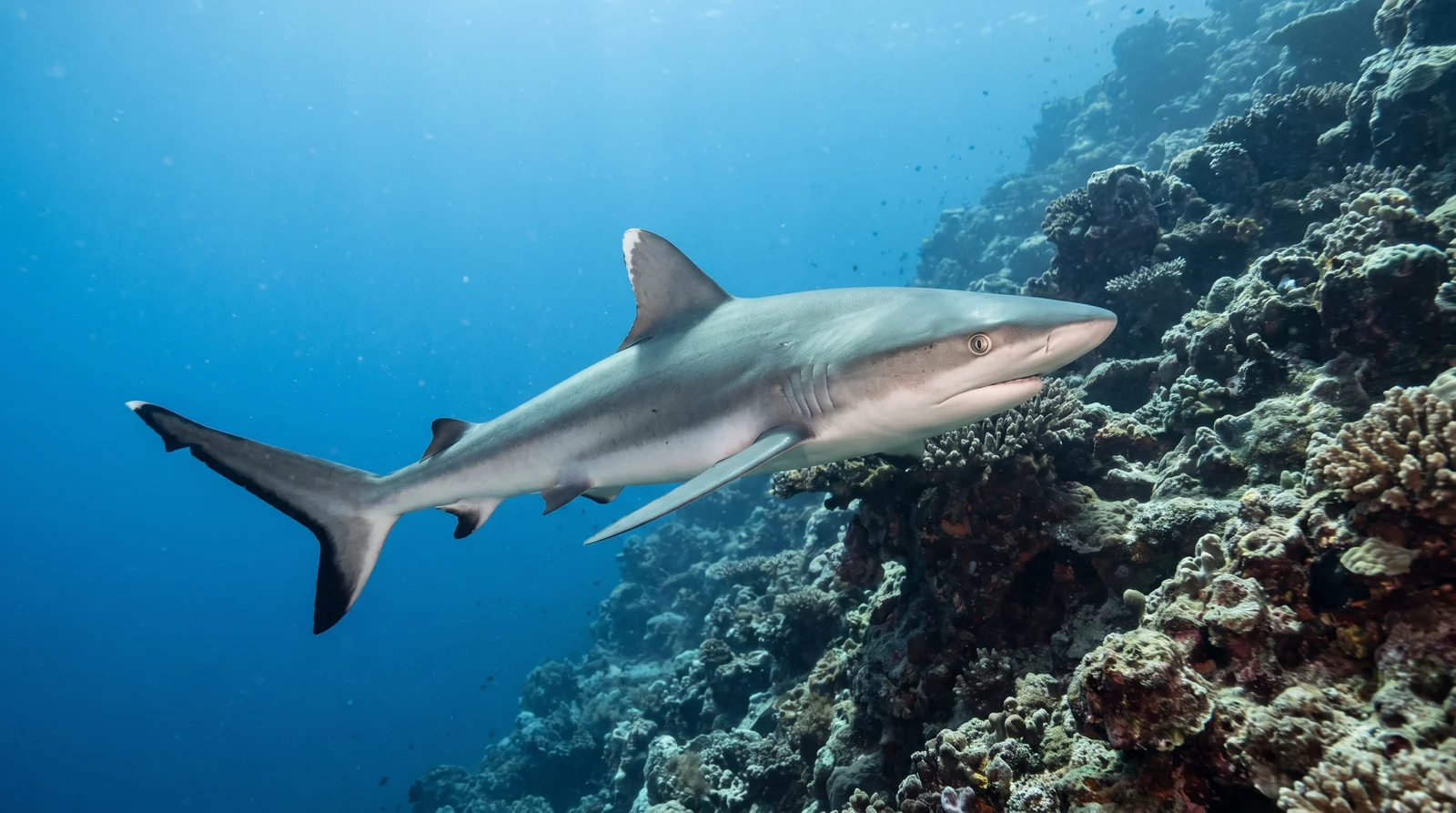
Grey Reef Shark
Carcharhinus amblyrhynchos
Site occurrence not yet documented
No dated observations available.
Common · Unverified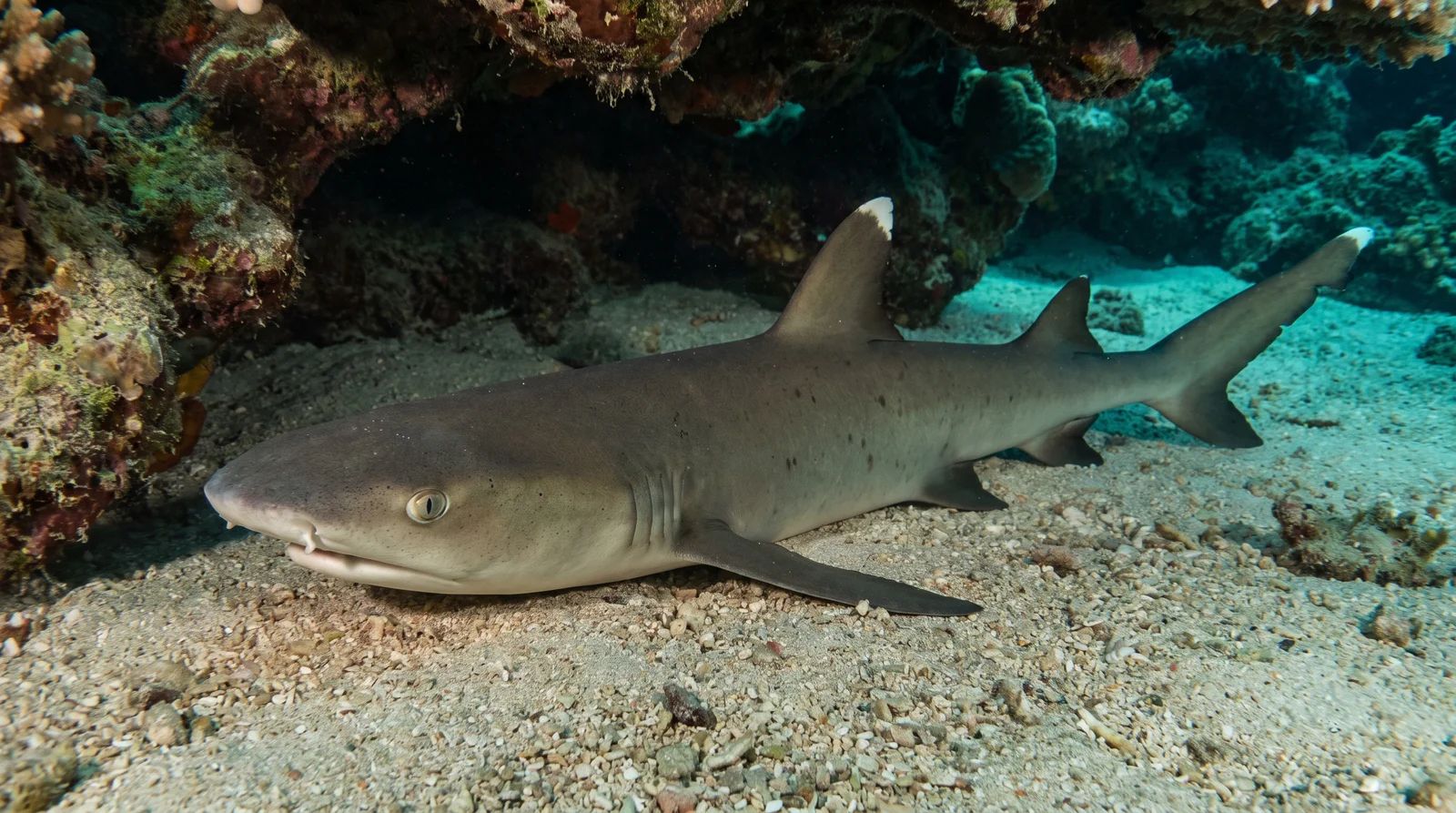
Whitetip Reef Shark
Triaenodon obesus
Site occurrence not yet documented
No dated observations available.
Occasional · Unverified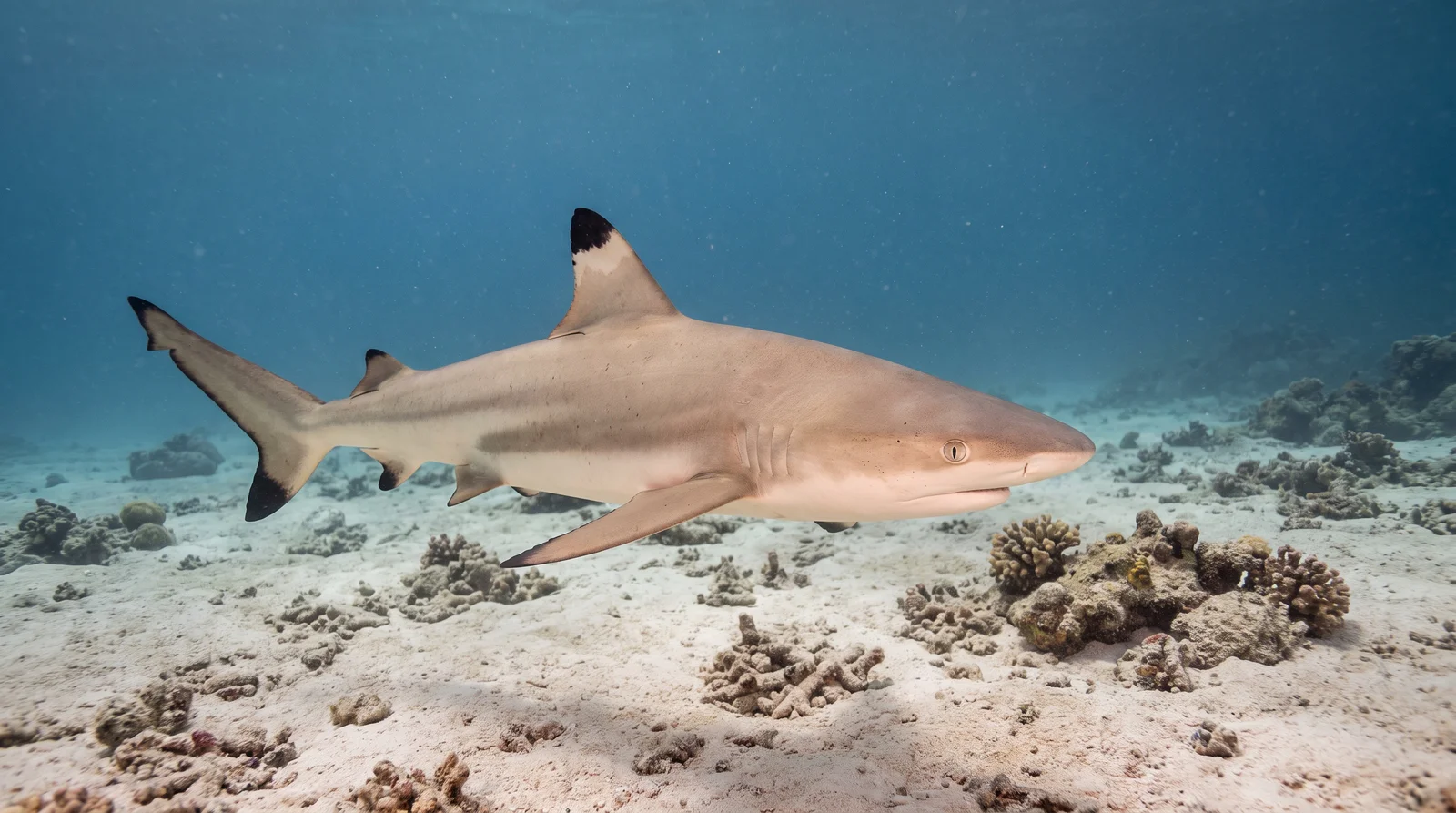
Blacktip Reef Shark
Carcharhinus melanopterus
Site occurrence not yet documented
No dated observations available.
Occasional · Unverified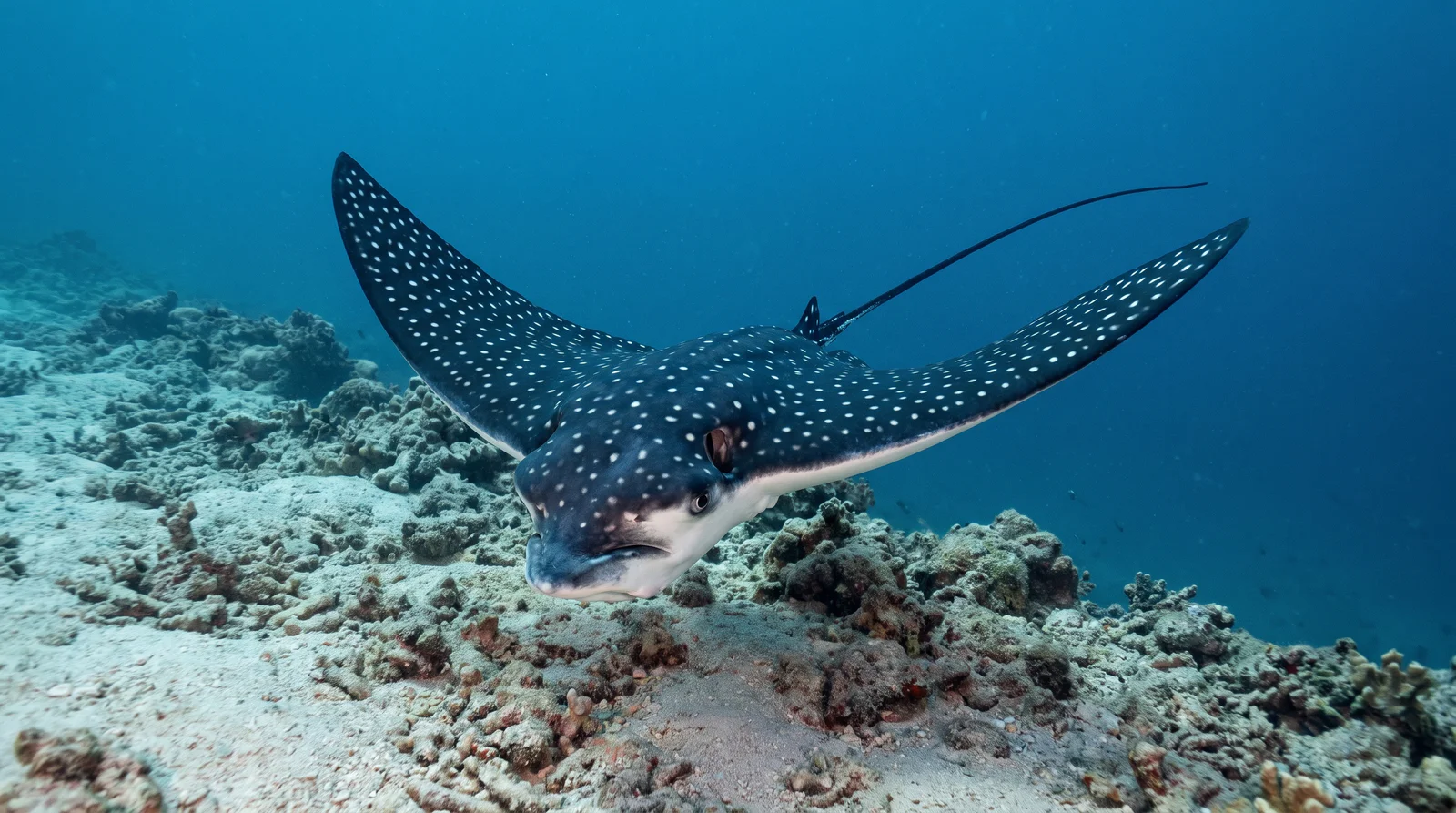
Spotted Eagle Ray
Aetobatus narinari
Site occurrence not yet documented
No dated observations available.
Occasional · Unverified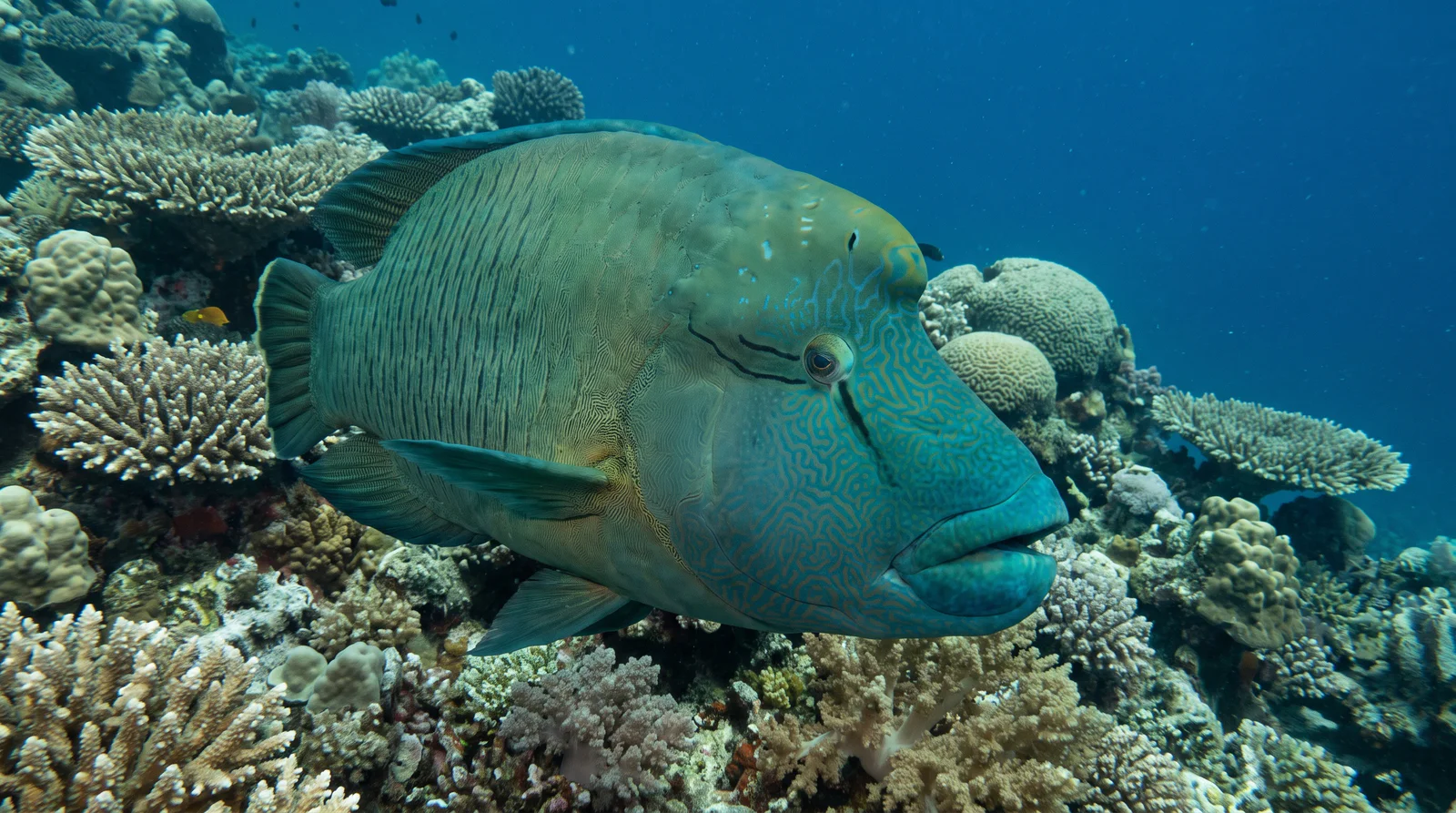
Humphead Wrasse (Napoleon)
Cheilinus undulatus
Site occurrence not yet documented
No dated observations available.
Common · Unverified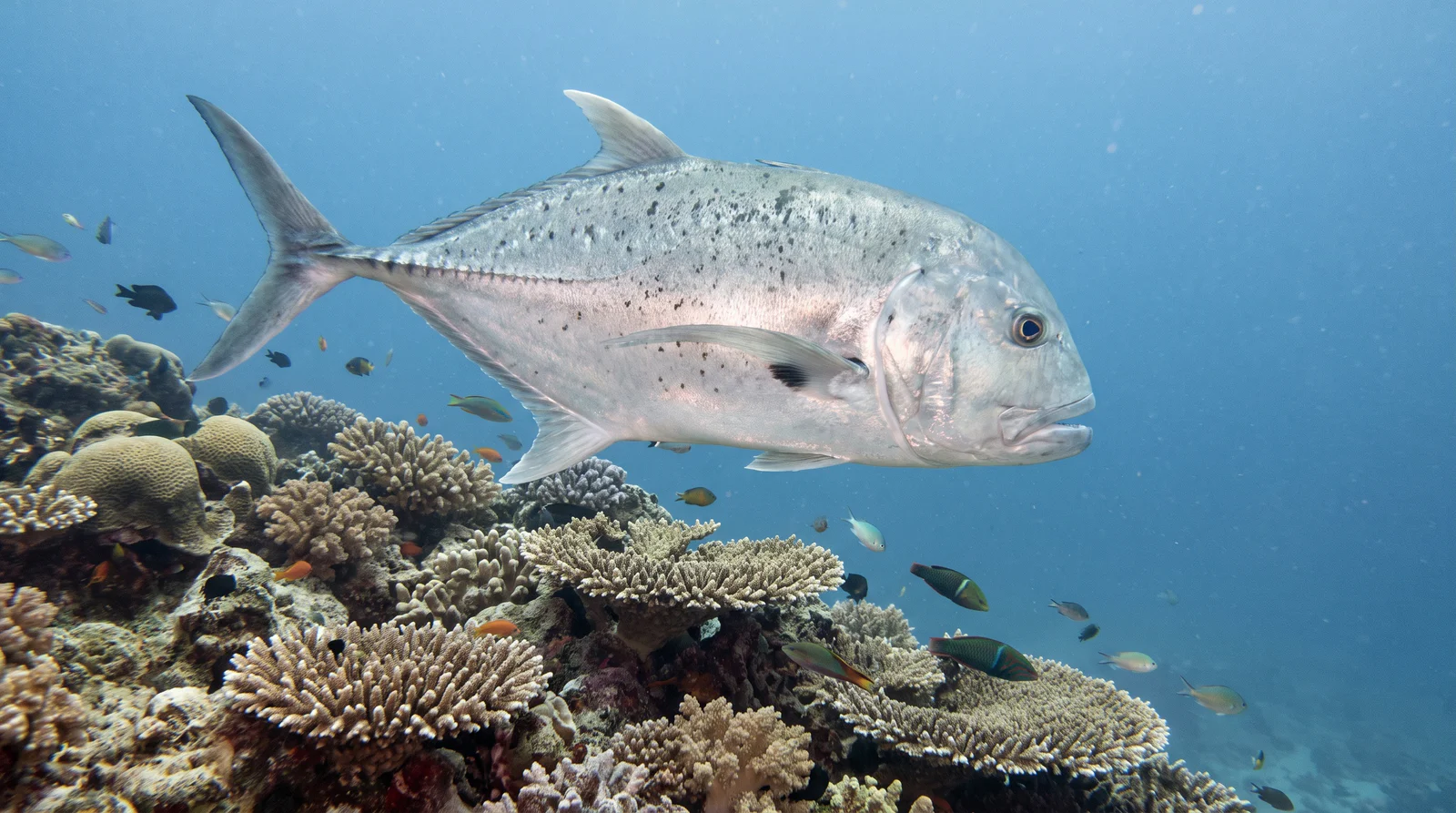
Giant Trevally
Caranx ignobilis
Site occurrence not yet documented
No dated observations available.
Abundant · Unverified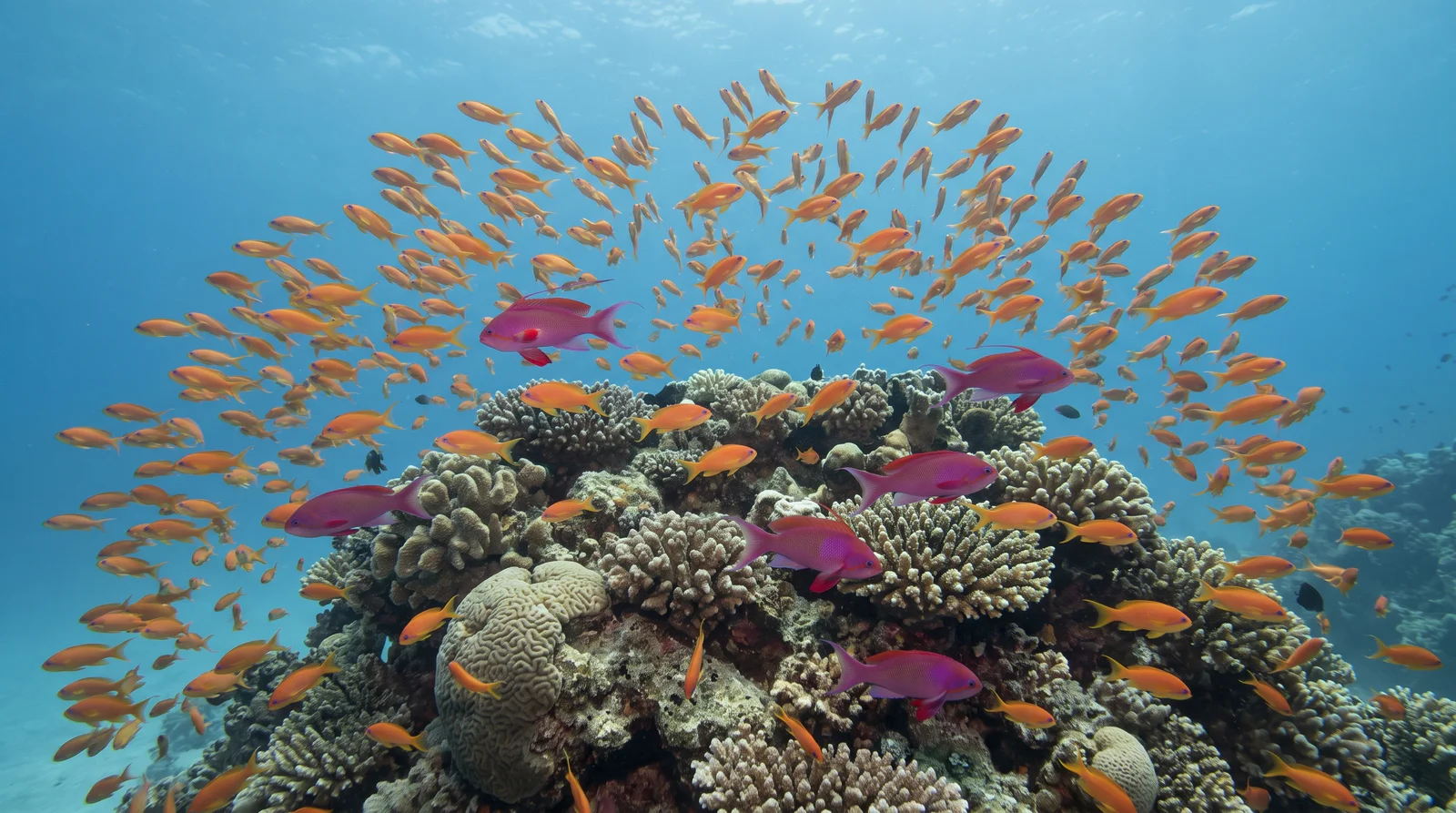
Sea Goldie (anthias)
Pseudanthias squamipinnis
Site occurrence not yet documented
No dated observations available.
Common · Unverified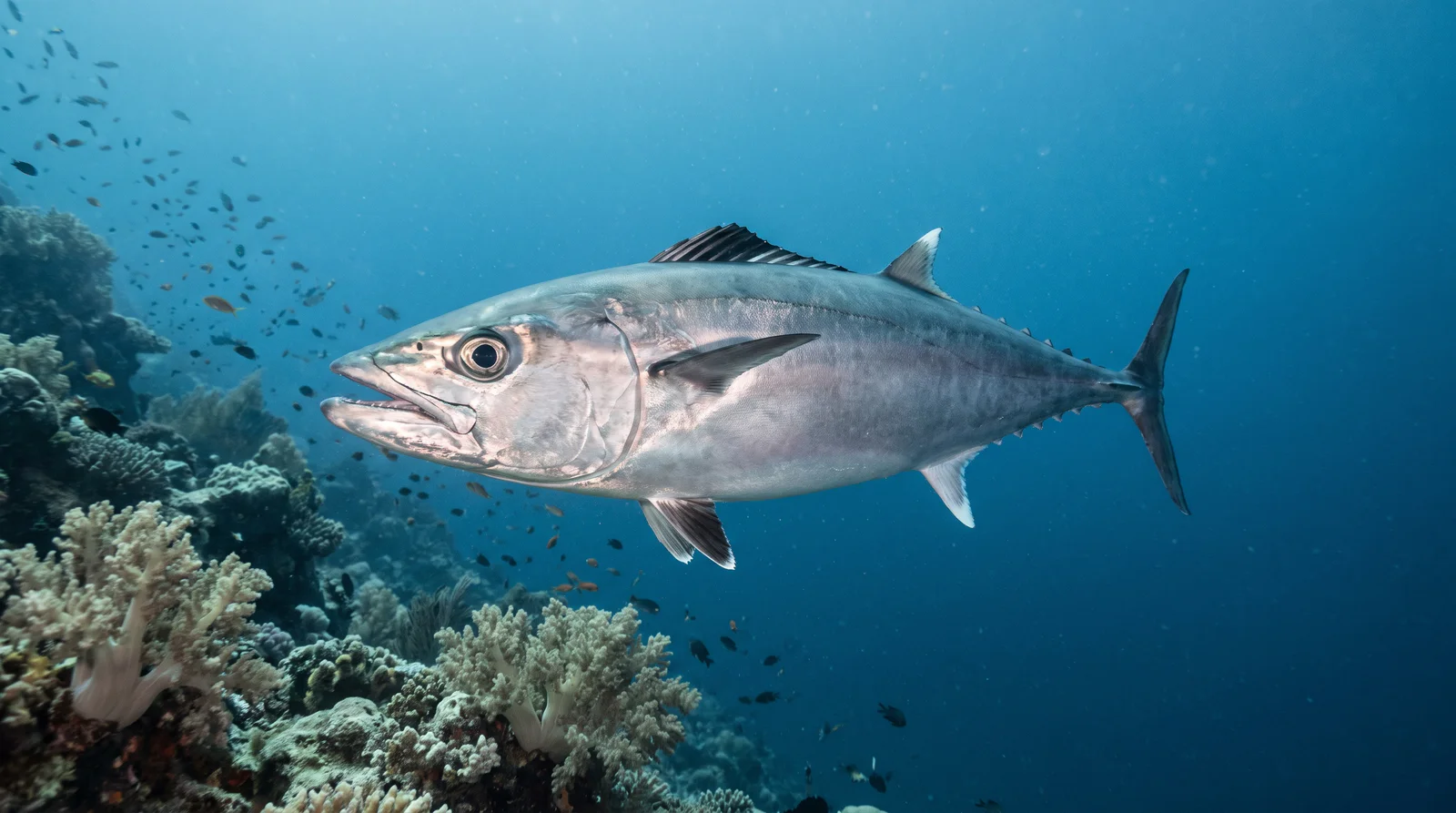
Dogtooth Tuna
Gymnosarda unicolor
Site occurrence not yet documented
No dated observations available.
Occasional · Unverified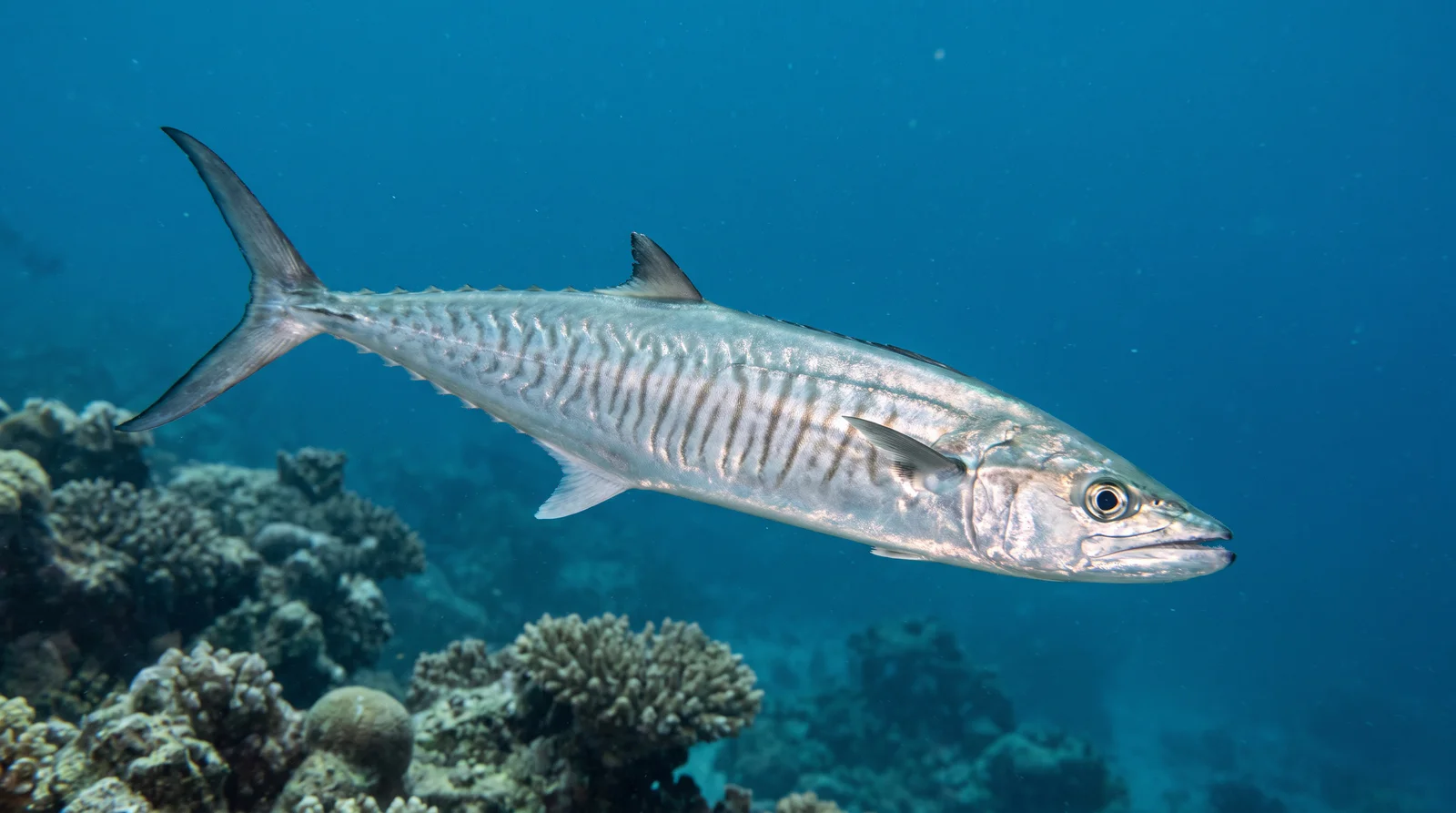
Narrow-barred Spanish Mackerel
Scomberomorus commerson
Site occurrence not yet documented
No dated observations available.
Hazards & Safety
Be aware of these potential hazards at this dive site
Strong current
Severity: HighFierce tide-dependent current, slack-timing required
Current
Severity: MediumNegative entry through blue water
Boat traffic
Severity: MediumEmergent rock surface chop and pickup traffic
Certification Required
A minimum of Advanced Open Water certification is required to dive this site.
Sources
- Dragon Dive Komodo (Labuan Bajo)
- La Galigo Liveaboard
- Starfish (Teresa Zubi)
360° Underwater View
Immersive panoramic view of this dive site
360° panorama coming soon
Immersive underwater views will be available when panoramic imagery is uploaded
Reviews
--
0 reviews
No reviews yet. Be the first to share your experience!
Related Dive Sites
Discover other dive sites in the area
 Advanced
 Advanced
 Advanced
 Intermediate
 AdvancedAdvancedAdvancedAdvancedIntermediateAdvanced
Depth Profile
Vertical range at this site
Minimum Depth
0 ft
Shallowest point
Average Depth
72 ft
Typical dive depth
Maximum Depth
98 ft
Deepest point
Stay Updated
Get dive site updates and tips in your inbox.
Dived Crystal Rock? Make it count.
Add it to your logbook, share your sightings, and help 0 divers plan their next descent.
Recent Community Activity
Was this helpful?