 Advanced
Cavern · Swim-through · Reef · Wall
Hole in the Wall
Puerto Galera
このダイブサイトについて
エスカセオポイントの短いトンネル
キャプテン・グレッグスの海図は、ホール・イン・ザ・ウォールをエスカセオポイントの小さな水中丘を貫く短いトンネルと説明しています。この特徴は、ザ・キャニオンズへのルートに時々含まれると記されています。この関連性は、2つのリストが同じダイブであることや、すべてのツアーが両方を訪れることを意味するものではありません。
オペレーターは10~20mのプロフィールを示し、潮汐によって大きく変動する可能性のある状況を説明しています。これらは計画の参考であり、現在の予報や推奨ルートではありません。
開口部と周囲のリーフ
アクションダイバーズは、スイムスルーを12mに位置付け、サイト紹介で最大深度を15mとしています。開口部の深さとダイブプロフィールの範囲は異なるものを説明しています。どちらもキャプテン・グレッグスのより広い10~20mの記述を、新たに測定されたサイト境界で置き換えるものではありません。
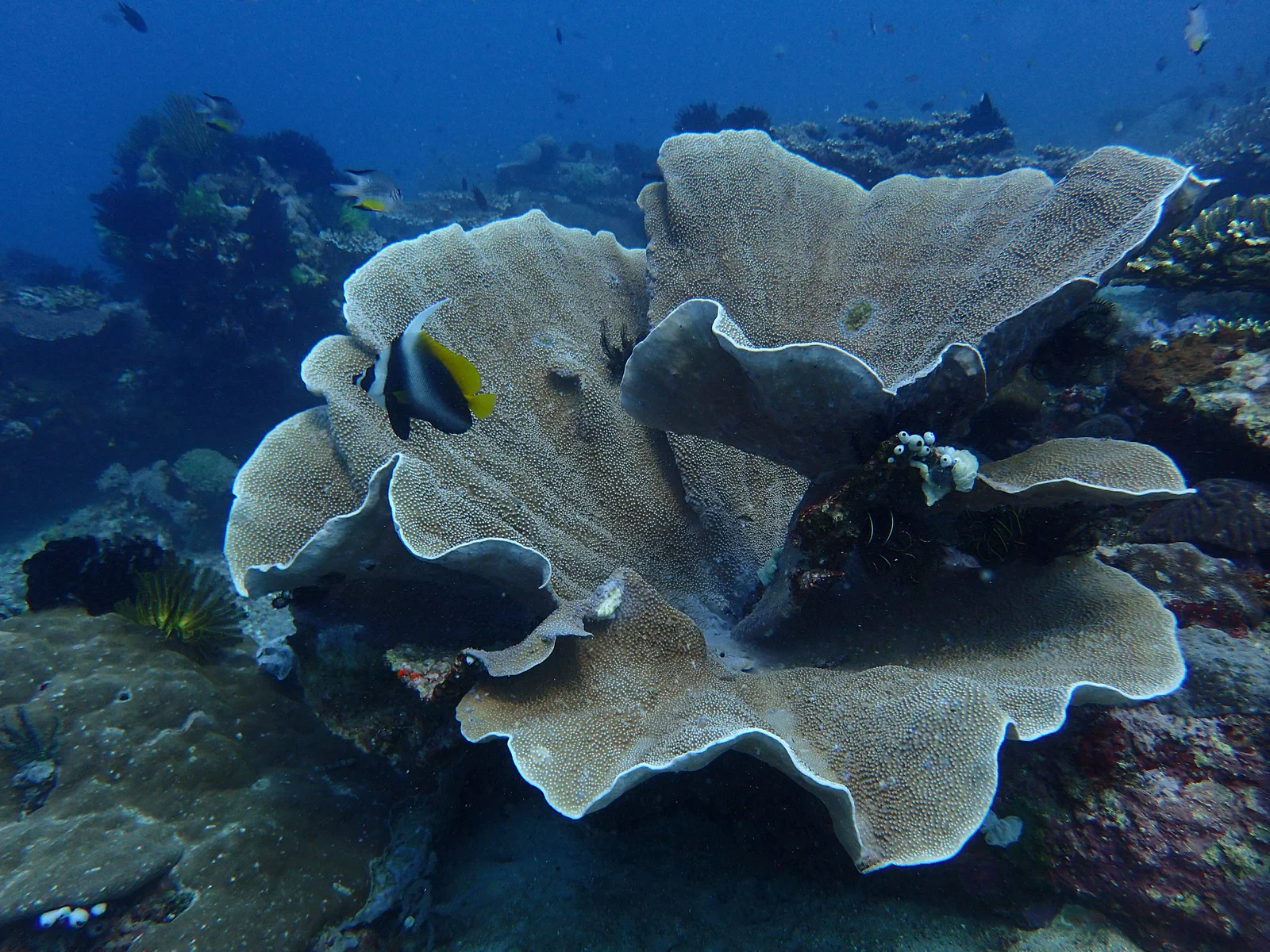
カサレイのホール・イン・ザ・ウォールセクションは、トンネルの壁にヒドロ虫、丘の上にソフトコーラル、その先にムチ状のサンゴがあると報告しています。また、通路には時折ミノカサゴ類やカサゴ類がいるとも報告されています。これらの詳細は、現在のクリアランスや状態を確認するのではなく、開口部周辺のリーフの状況を説明するものです。
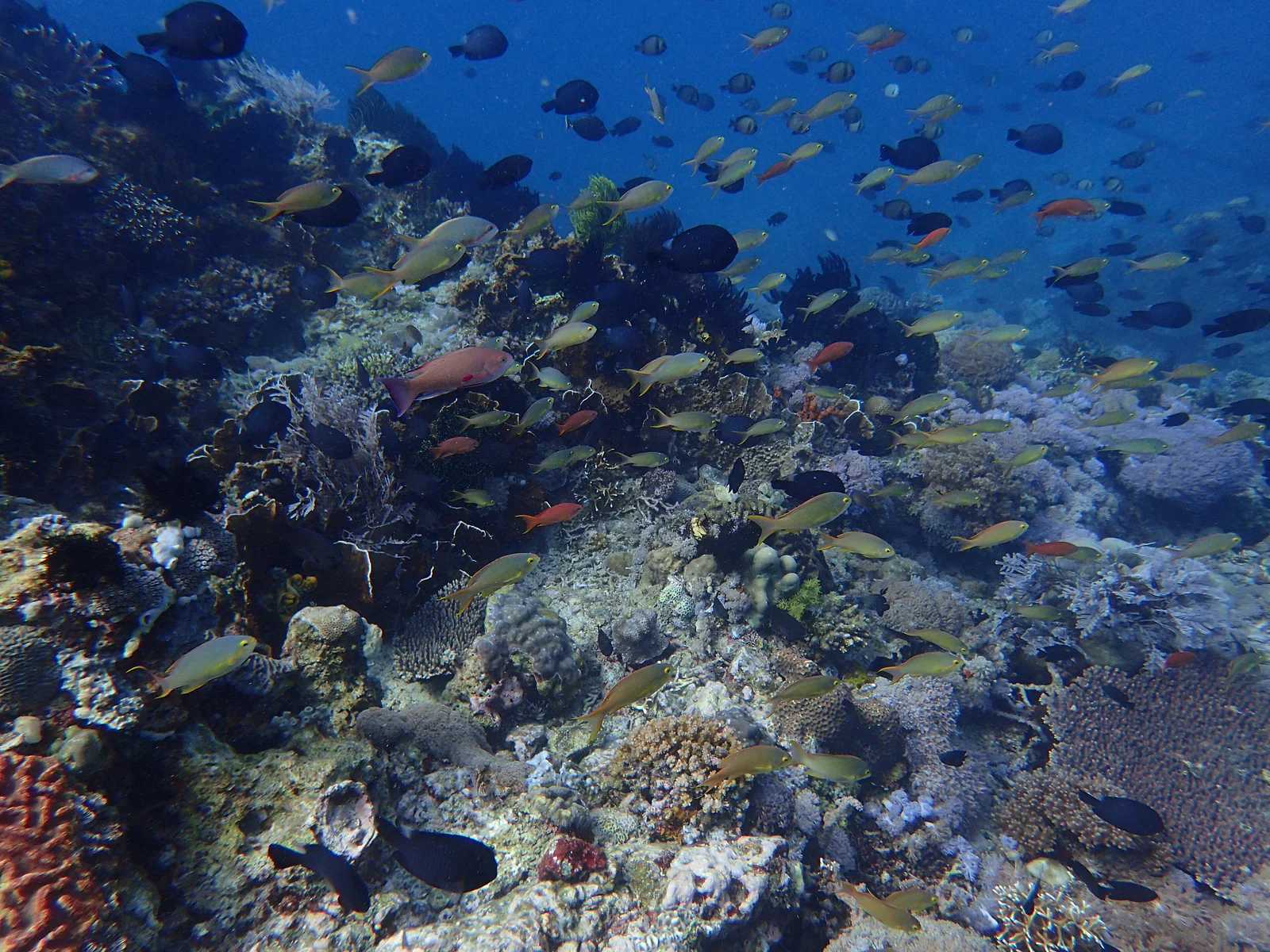
アクションは、報告されている群れをなす魚の中に、フエダイ類、ドラマー、コショウダイ類、ツバメウオ類を挙げています。また、ホール・イン・ザ・ウォールをザ・キャニオンズの出発点、またはウェスト・エスカセオのドリフトの一部として説明しています。これらのルートの関連性は、同じサイト名で販売されている2つのツアーが異なる理由を説明するのに役立ちます。予約が丘と開口部に焦点を当てているのか、それともその先のドリフトを含むのかを確認してください。
名前の由来となった開口部以外にも目を向ける
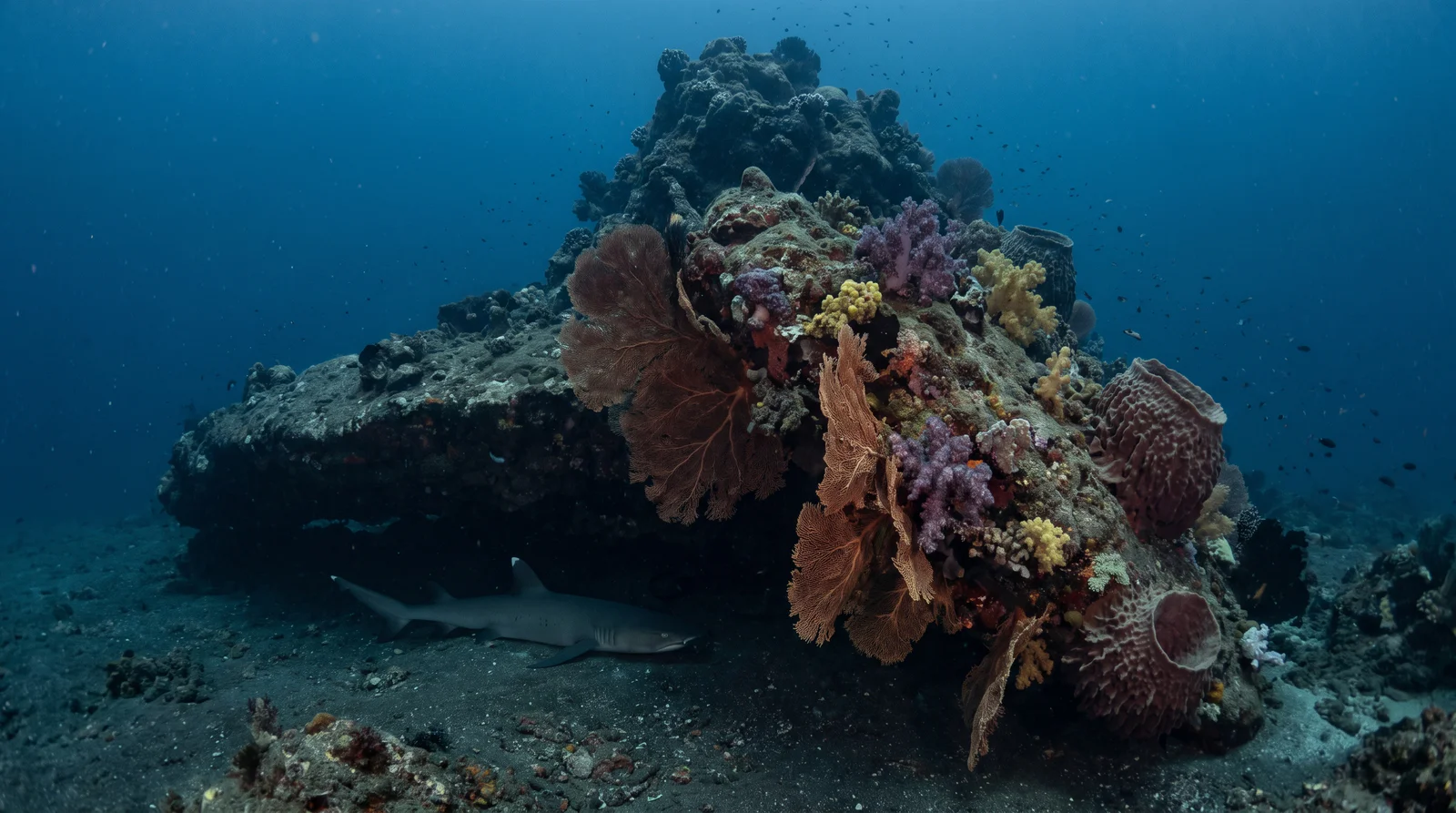
マルコ・ヴィンセントの名を挙げたセクションでは、岩礁のサンゴ礁形成にバスケットスポンジ、小さなウミウチワ、ウミシダ、チューブワームが記述されています。また、18mにある白いゴルゴニアンファンを持つ小さな洞窟と、12mにある名前の由来となった穴を区別しています。これらの報告された特徴を区別することで、開口部へのすべての言及を同じ場所として扱うことを避けます。どちらの説明も、現在のアクセス、クリアランス、またはどちらかの特徴に入るための適合性を確立するものではありません。
適切なツアーの選択
計画されたダイブが開口部を通過するのか、その外に留まるのか、それとも別の場所に進むのかを尋ねてください。意図された深度と、トレーニングおよび最近の経験に関するオペレーターの要件を確認してください。海図のオープンウォーターのラベルだけでは、閉鎖された通路やその先のキャニオンズルートへの適合性を確立するものではありません。
証拠の限界
開口部の現在の状態、寸法、およびアクセス手配は、ここでは独立して検証されていません。現在の視界、水温、野生生物との遭遇も同様です。オペレーターの様式化された地図をナビゲーション座標の導出に使用すべきではありません。
カサレイの名を挙げた記述は、強い上げ潮の流れがあるときの下降流について特に警告しています。これは、すでに指摘されている一般的な潮汐変動に垂直方向の潮流の懸念を加えるものです。その説明は安全な潮汐窓を確立するものではなく、現在の現地評価を置き換えるものでもありません。
まだ独立した照合は行われていません。 · Action Divers · Capt’n Gregg’s · Casalay Boutique Villas & Dive Resort · Marco Vincent Dive Resort
短い説明
難易度
難易度
過去の情報 — 未確認
Earlier listing classification: intermediate; the intended route and current suitability remain unverified.
この過去の情報については、現地のダイビング事業者に確認してください。
ご存知ですか?教えてください難易度レベル
水深
最小水深
過去の情報 — 未確認
Earlier listing: 5 m; not verified for this route.
この過去の情報については、現地のダイビング事業者に確認してください。
ご存知ですか?教えてください最大水深
過去の情報 — 未確認
Earlier listing: 30 m; not verified for this route.
この過去の情報については、現地のダイビング事業者に確認してください。
ご存知ですか?教えてください水深範囲
アクセス
記録のある月
透明度
最小透明度
過去の情報 — 未確認
Earlier listing: 15 m; not verified for this route.
この過去の情報については、現地のダイビング事業者に確認してください。
ご存知ですか?教えてください最大透明度
過去の情報 — 未確認
Earlier listing: 25 m; not verified for this route.
この過去の情報については、現地のダイビング事業者に確認してください。
ご存知ですか?教えてください一般的な透明度
水温
最低水温
過去の情報 — 未確認
Earlier listing: 26 °C; not verified for this route.
この過去の情報については、現地のダイビング事業者に確認してください。
ご存知ですか?教えてください最高水温
過去の情報 — 未確認
Earlier listing: 30 °C; not verified for this route.
この過去の情報については、現地のダイビング事業者に確認してください。
ご存知ですか?教えてください水温
必要な認定
過去の情報 — 未確認
Earlier listing stated a certification prerequisite; current operator requirements are unverified.
この過去の情報については、現地のダイビング事業者に確認してください。
ご存知ですか?教えてください海洋生物
5 このサイトで記録された種
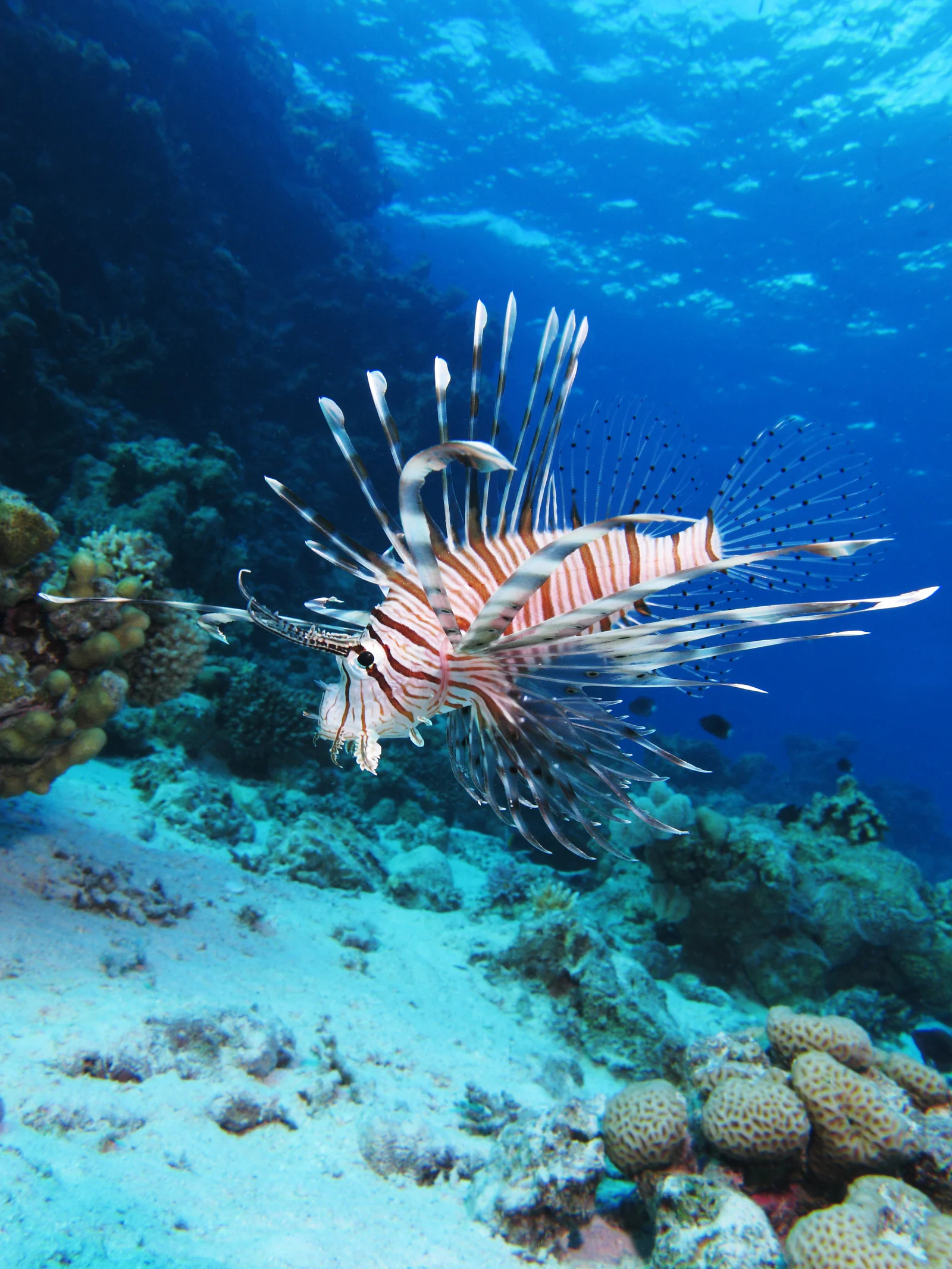
Red Lionfish
Pterois volitans
このサイトでの出現はまだ記録されていません
日付のある観察記録はありません。
Devil Scorpionfish
Scorpaenopsis diabolus
このサイトでの出現はまだ記録されていません
日付のある観察記録はありません。
Longface Emperor
Lethrinus olivaceus
このサイトでの出現はまだ記録されていません
日付のある観察記録はありません。
Highfin Rudderfish (Drummer)
Kyphosus cinerascens
このサイトでの出現はまだ記録されていません
日付のある観察記録はありません。
Stinging Hydroid
Aglaophenia cupressina
このサイトでの出現はまだ記録されていません
日付のある観察記録はありません。
危険と安全
このダイブサイトでの潜在的な危険に注意してください
Entanglement
深刻度: まだ記録されていませんEarlier listing reports entanglement. The specific condition and severity have not been corroborated in this source review; confirm the current briefing with the operator.
Overhead environment
深刻度: まだ記録されていませんEarlier listing reports overhead environment. The specific condition and severity have not been corroborated in this source review; confirm the current briefing with the operator.
Strong current
深刻度: まだ記録されていませんEarlier listing reports strong current. The specific condition and severity have not been corroborated in this source review; confirm the current briefing with the operator.
出典
- Action Divers
- Capt’n Gregg’s
- Casalay Boutique Villas & Dive Resort
- Marco Vincent Dive Resort
360°水中ビュー
このダイブサイトの没入型パノラマビュー
360°パノラマは近日公開
パノラマ画像がアップロードされると、没入型水中ビューが利用可能になります
レビュー
--
0 reviews
まだレビューはありません。あなたの体験を最初に共有しましょう!
関連ダイブサイト
このエリアの他のダイブサイトを発見
Advanced Technical
 BeginnerAdvanced
 Advanced
 AdvancedAdvancedTechnicalBeginnerAdvancedAdvancedAdvanced
水深プロファイル
最小水深
過去の情報 — 未確認
Earlier listing: 5 m; not verified for this route.
この過去の情報については、現地のダイビング事業者に確認してください。
このダイブサイトをご存じですか?修正を提案する最大水深
過去の情報 — 未確認
Earlier listing: 30 m; not verified for this route.
この過去の情報については、現地のダイビング事業者に確認してください。
このダイブサイトをご存じですか?修正を提案する最新情報を受け取る
ダイビングスポットの最新情報とヒントをメールでお届けします。
Hole in the Wallでダイビングしましたか?記録に残しましょう。
ログブックに追加し、目撃情報を共有して、0人のダイバーが次の潜水を計画するのを手伝いましょう。
最近のコミュニティ活動
これは役に立ちましたか?