Beginner
Wreck · Reef
Japanese Patrol Boat
Luzon
Open Water Certification RequiredBest Season: Nov – May
Difficulty
Beginner
Reported by one source · Mangos Dive Center
Difficulty level
Depth
56 ft
85 ft
Depth range
Access
Boat
Documented months
Nov
May
Visibility
7 ft
49 ft
Typical visibility
Current
Mild
Reported by one source · Mangos Dive Center
Good buoyancy control advised
Reported by one source · Mangos Dive Center
About This Dive Site
Unverified in places. Parts of this description could not be verified and may be inaccurate. Check with a local operator before you plan around it.
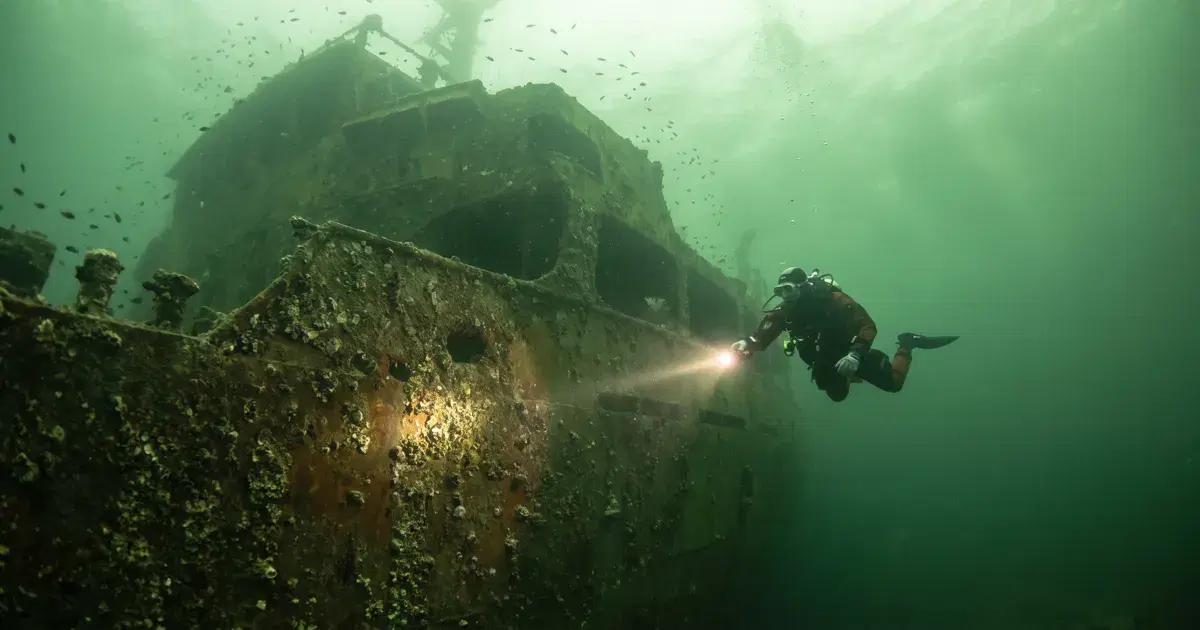
Know better? Tell usThe Japanese Patrol Boat wreck is a popular dive site in Subic Bay, Philippines, located in Triboa Bay near the end of the runway, close to the LCU wreck site. This 42-meter (120-foot) vessel, believed to be a converted deep-sea trawler or submarine chaser, was utilized by the Japanese Navy for patrolling Subic Bay during WWII. It is thought to have been sunk by US Navy dive bombers in 1944 or 1945, shortly before the liberation of Subic, with evidence of a significant blast on its starboard side near the bow. The wreck now rests upright on a sandy bottom, with its top at approximately 18 meters (60 feet) and the bottom at 24 to 26 meters (75 feet). While still largely structurally intact, recent earthquakes around 2015 have caused some internal damage, collapsing the galley and parts of the forward deck, making deep penetration no longer recommended. Despite this, features such as the port-side anchor, a large bow winch, and four of the six engine cylinders are still visible.
The Japanese Patrol Boat is considered one of the more pleasant dive sites in Subic Bay, attracting abundant marine life and often offering good visibility. The wreck is covered with hard and soft corals, transforming it into a thriving artificial reef. Divers can expect to see a variety of marine species, including vibrant soft corals, sponges, and crinoids, with Red Snapper, Sweetlips, and Batfish commonly sighted. Schools of juvenile fish often find shelter within its compartments, and stingrays can be found in the sand around the stern. Visibility at the site typically ranges from 7-13 meters (20-40 feet), but can vary with currents and tides, sometimes dropping to a few meters or extending to over 15 meters. Currents in the area are generally mild, but can occasionally appear and reduce visibility.
The dive is suitable for Open Water Divers, although some sources classify it as suitable for Advanced Open Water Divers due to its depth. Beginners are advised to be accompanied by an experienced Divemaster. The generally calm conditions and diverse marine life make it an appealing site for photographers and videographers. Subic Bay's water temperature typically ranges from 27-29°C (80-84°F) year-round, with the coolest temperatures between December and February. The best diving season in Subic Bay is during the dry season, from November to May, with optimal visibility usually occurring between February and May. During these months, lower winds and rainfall contribute to calmer ocean conditions. While diving is possible year-round, the rainy season from June to November can bring more variable visibility and a higher risk of cancellations due to potential typhoons.
Open Water
Current Conditions
Typical current strength at this dive site
Mild
Light current that is easy to swim against. Comfortable for most certified divers.
Strength Scale
None
Mild
Moderate
Strong
Reported by one source · Mangos Dive Center
Best Time to Visit
Monthly conditions and seasonal highlights — tap a month
SepGood
Shoulder season with generally good conditions. Some variability in weather and visibility.
BestGoodLess FavorablePeak
Hazards & Safety
Be aware of these potential hazards at this dive site
Sharp metal
MediumWreck penetration is not recommended due to structural collapse from earthquakes and heavy silt.
Silting
MediumThe engine room is not penetrable due to heavy silt and threat of imminent collapse. Silt can also reduce visibility.
Current
LowCurrents are not typically strong, but can appear at times and dramatically reduce visibility.
Certification Required
A minimum of Open Water certification is required to dive this site.
Sources
- Arizona Dive Shop
- Camayan Divers
- Dive3D.eu
- DiveJourney
- Divezone
- M/V MOKEN
- Mangos Dive Center
- Mangos Dive Center Subic Bay
- Scubago
- Subic.info (Oryoku Maru)
360° Underwater View
Immersive panoramic view of this dive site
360° panorama coming soon
Immersive underwater views will be available when panoramic imagery is uploaded
Reviews
--
0 reviews
No reviews yet. Be the first to share your experience!
Related Dive Sites
Discover other dive sites in the area
Beginner
Advanced
Advanced
 Advanced
Advanced
Beginner
Beginner
Advanced
Advanced
AdvancedAdvanced
Depth Profile
Vertical range at this site
Minimum Depth
56 ft
Shallowest point
Average Depth
72 ft
Typical dive depth
Maximum Depth
85 ft
Deepest point
Nearby services
View all dive shops →Stay Updated
Get dive site updates and tips in your inbox.
Dived Japanese Patrol Boat? Make it count.
Add it to your logbook, share your sightings, and help 0 divers plan their next descent.
Recent Community Activity
Was this helpful?