 Technical
Wreck · Drift · Swim-through
Okikawa Maru
Coron
Difficulty
Difficulty
Historical value — unverified
Earlier listing: advanced; not established as a settled value for this route.
Confirm this historical information with a local operator.
Know this? Tell usDifficulty level
Depth
Minimum depth
Historical value — unverified
Earlier listing: 10; not established as a settled value for this route.
Confirm this historical information with a local operator.
Know this? Tell usMaximum depthInformation under review
Recorded value
26 m maximum
Supported by: MDI Divers, Pirates Diving Resort, Sangat Island Dive Resort
Contrary evidence
25 m maximum
Pawikan lists 25 m.
Two Seasons Pawikan menu · 2026-10-04T05:29:37.811692+00:00
38 m maximum
Sangat table lists 38 m although its prose gives 10–26 m.
Sangat Island Dive Resort · 2026-10-04T05:29:37.812131+00:00
Same source as the recorded value
Depth range
Access
Documented months
Best season start
Historical value — unverified
Earlier listing: 11; not established as a settled value for this route.
Confirm this historical information with a local operator.
Know this? Tell usBest season end
Historical value — unverified
Earlier listing: 5; not established as a settled value for this route.
Confirm this historical information with a local operator.
Know this? Tell usVisibility
Minimum visibility
Historical value — unverified
Earlier listing: 5; not established as a settled value for this route.
Confirm this historical information with a local operator.
Know this? Tell usMaximum visibility
Historical value — unverified
Earlier listing: 15; not established as a settled value for this route.
Confirm this historical information with a local operator.
Know this? Tell usTypical visibility
Current
Current
Historical value — unverified
Earlier listing: variable; not established as a settled value for this route.
Confirm this historical information with a local operator.
Know this? Tell usGood buoyancy control advised
Temperature
Minimum water temperature
Historical value — unverified
Earlier listing: 27; not established as a settled value for this route.
Confirm this historical information with a local operator.
Know this? Tell usMaximum water temperature
Historical value — unverified
Earlier listing: 30; not established as a settled value for this route.
Confirm this historical information with a local operator.
Know this? Tell usWater temperature
About This Dive Site
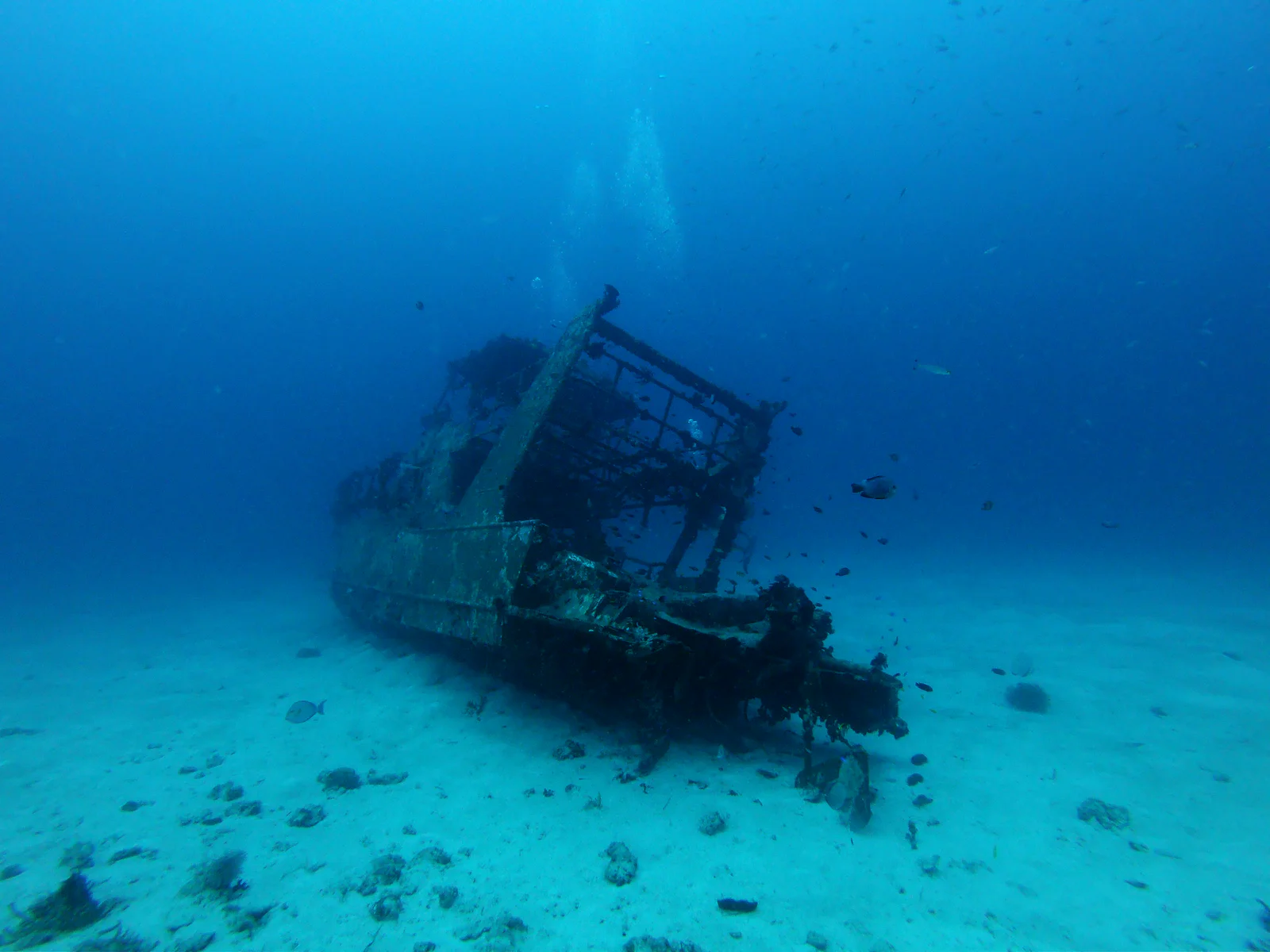
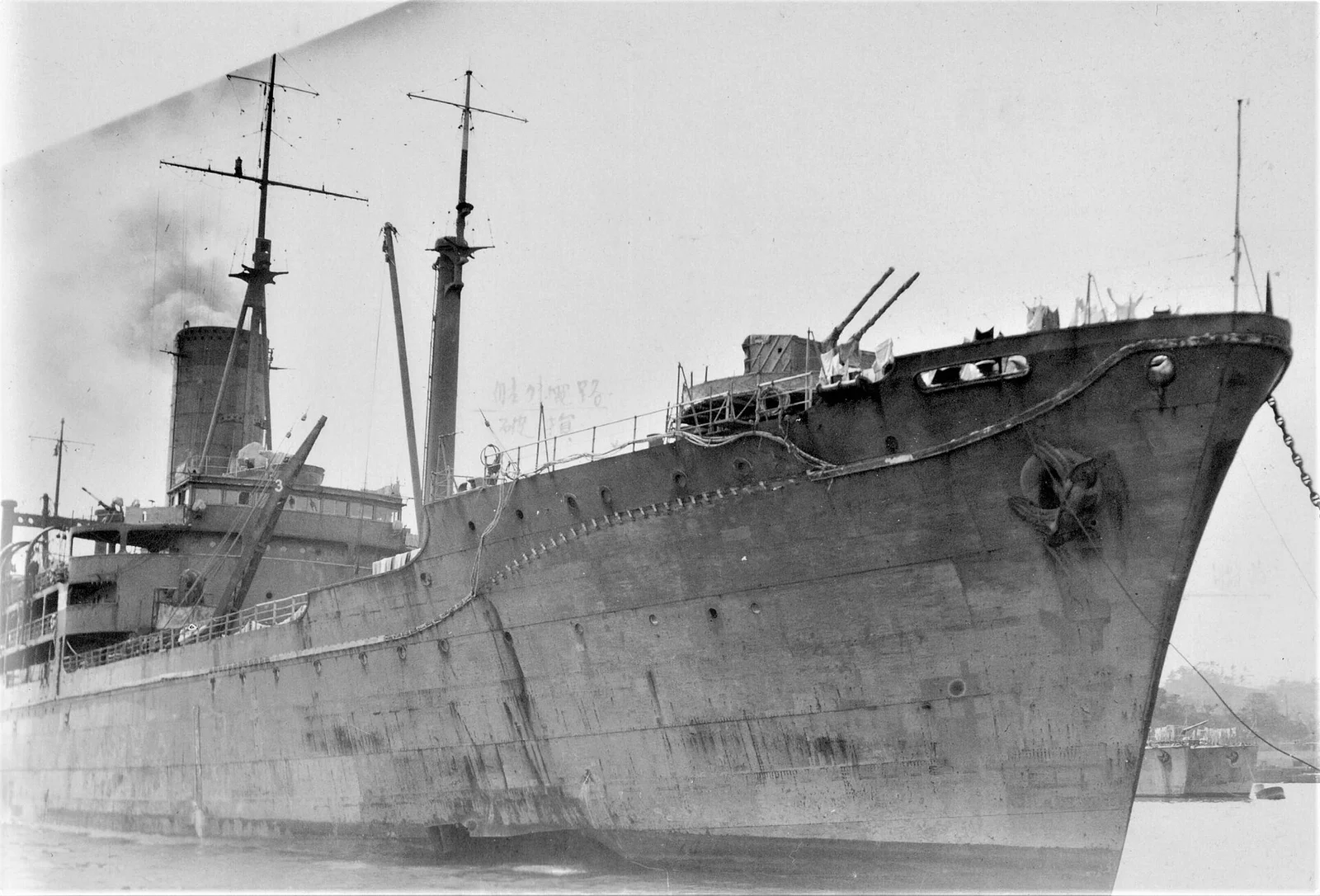
A tanker wreck with a complicated name history
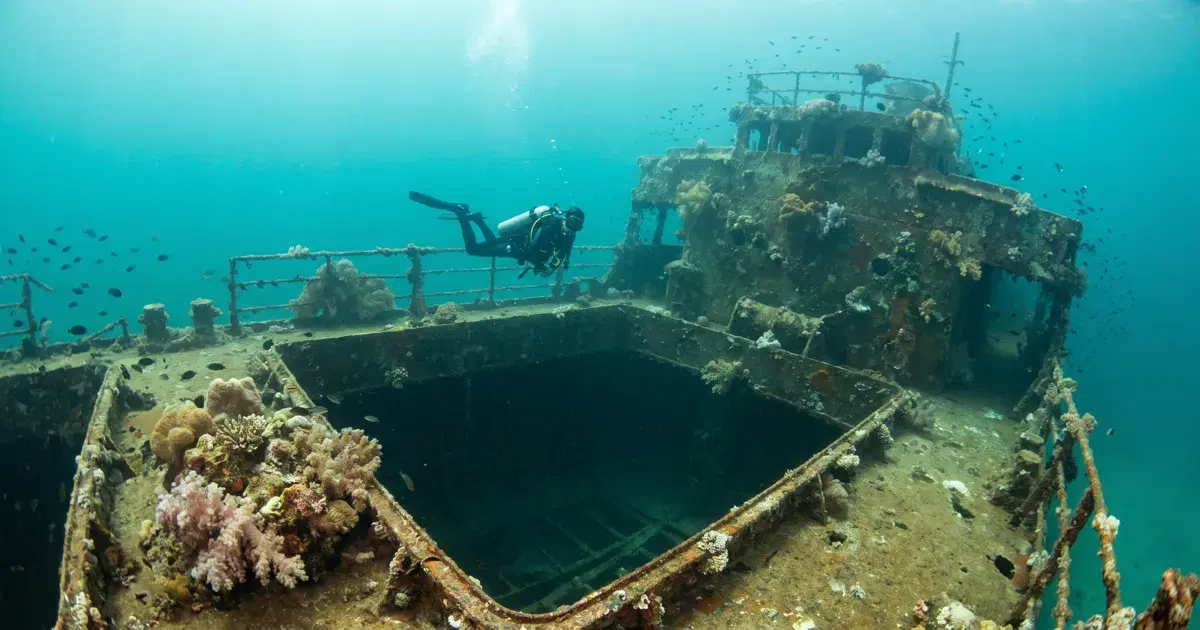
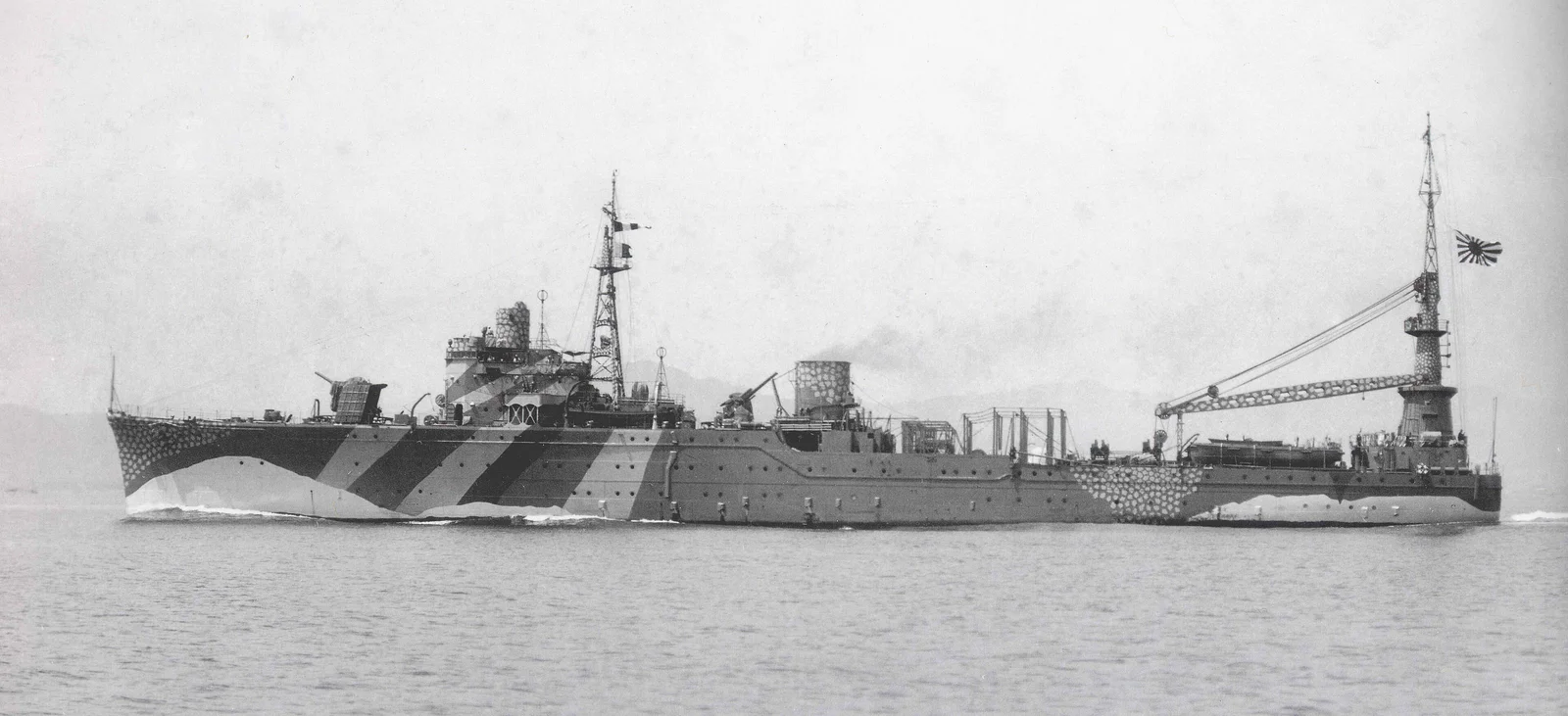
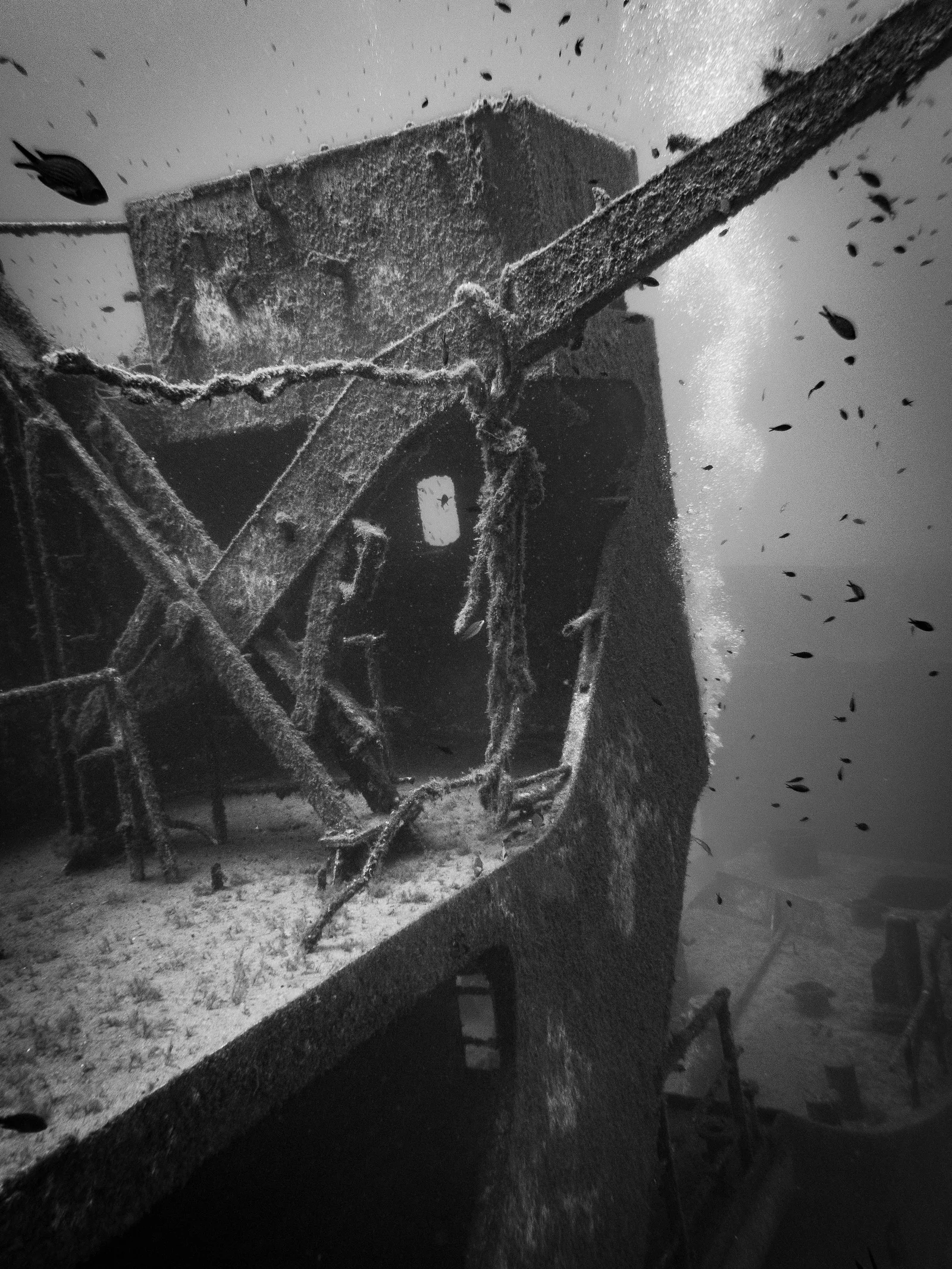
MDI Divers describes Okikawa Maru as a tanker wreck and notes earlier confusion with Taiei Maru. A historical misidentification is not the same as a confirmed alternate vessel identity, so the names should not be used to merge separate records automatically.
Conflicting maximum depths
MDI and Pirates Diving Resort give a 26 m maximum, while the Two Seasons Pawikan menu lists 25 m. Sangat Island Dive Resort contains an internal discrepancy: its prose gives a 10–26 m range, but its table lists a 38 m maximum. The maximum is marked disputed rather than silently selecting one number.
Deck level is not the whole wreck
Pirates describes the deck between 10 and 16 m and warns about tidal current. Confirm which part of the exterior the outing covers and how the operator will handle the day's conditions. A shallower deck does not establish easy conditions throughout the site.
What remains unverified
This partial guide does not establish present structural condition, predictable visibility or species encounter rates. Published propeller-shaft and compartment descriptions are not entry instructions. Ask about the planned profile and required experience; the source material does not provide a universal suitability rule.
Hull features and reported marine life
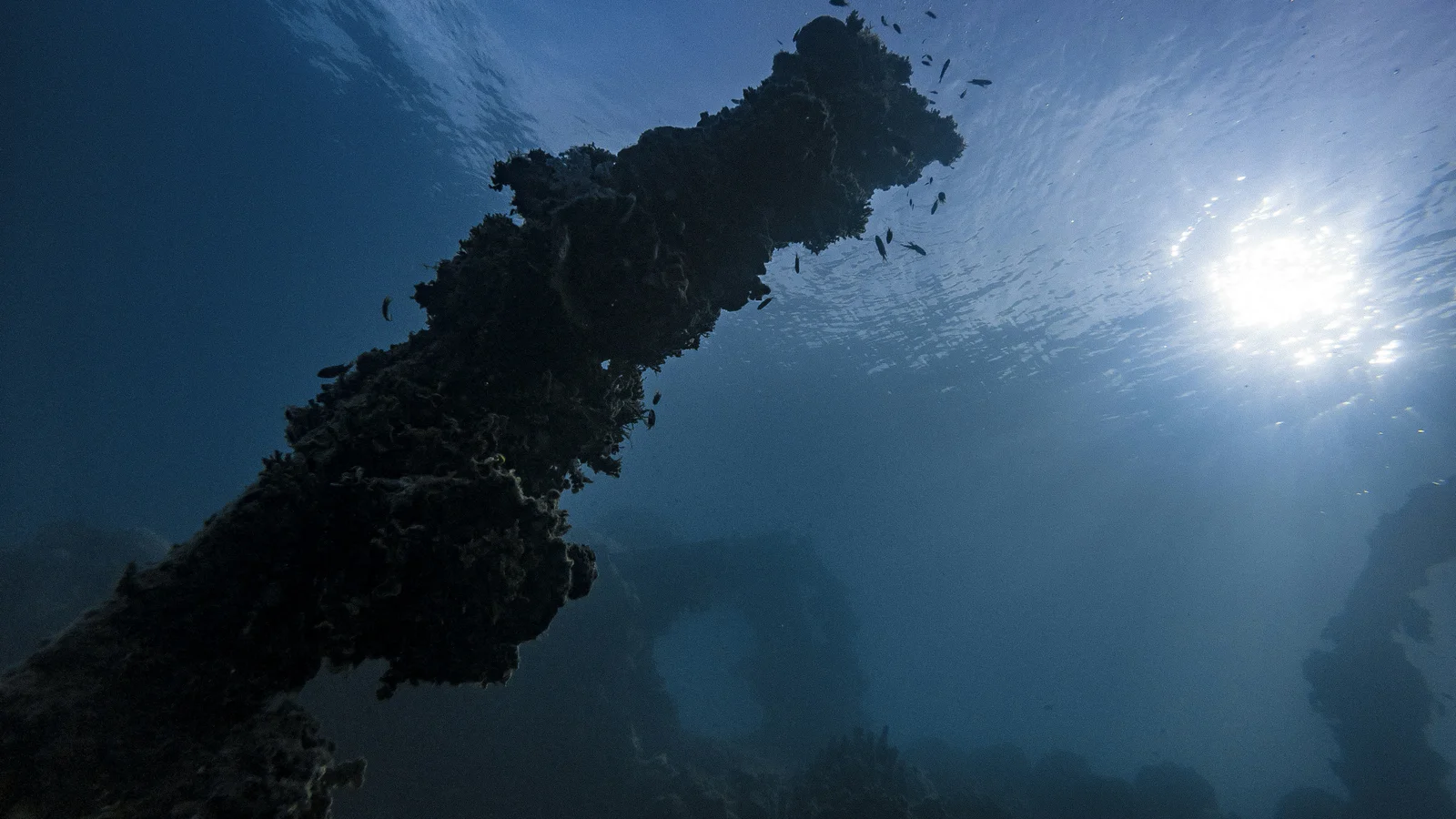
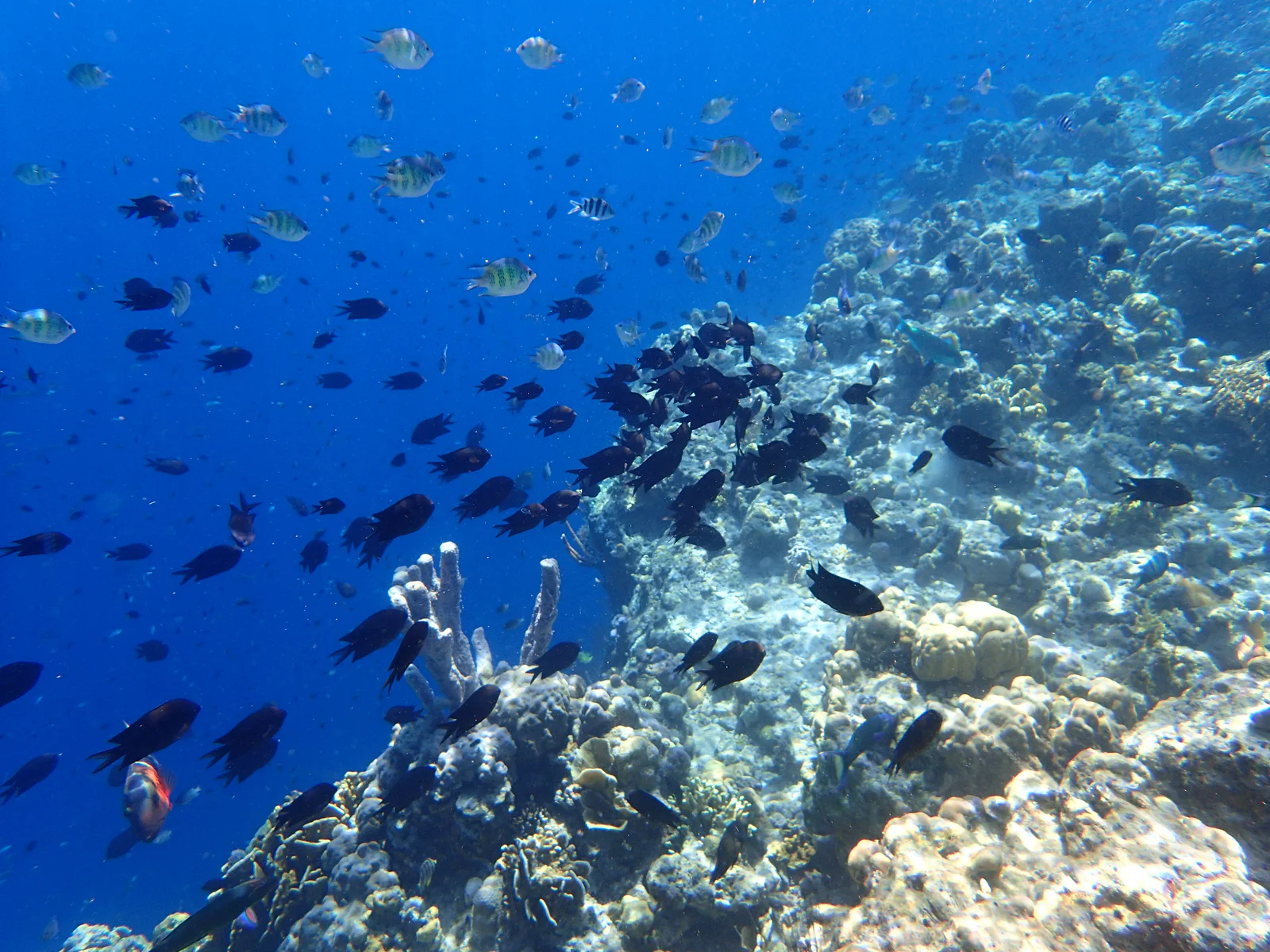
MDI describes coral and sponge growth around the hull, with groupers, sweetlips, lionfish and nudibranchs among its reported animals. That gives the exterior an interest of its own, separate from descriptions of internal spaces. The account's wildlife list is not a dated census, and its visibility examples are not measurements of a reliable seasonal range. Neither should be read as a guarantee for a booked dive.
A photographic model of a large wreck
Dive3D reports diving and scanning Okikawa in September 2025, when poor visibility made the work challenging. Its model page describes a badly damaged bow and gives model dimensions of 161 m long, 20 m wide and 17.5 m high. These are attributed model measurements, not a new independent survey commissioned for this guide. They help convey the scale of the hull without requiring the diver to enter it.
Even one source can give different depths
The same Dive3D page introduces a 10–26 m range but later describes the bottom as about 27 m. That internal difference is preserved alongside the earlier operator discrepancies. A model's reported height is a dimension of the wreck, not a water-depth reading. When comparing photographs, drawings and an itinerary, keep the hull's physical size separate from how deep the proposed part of the dive will be.
Locality in the Sangat account
Sangat Island Dive Resort places Okikawa approximately two kilometres from Concepcion Island. This named-island reference adds context when discussing a departure or identifying the intended wreck. It remains an operator's approximate location description, not a newly surveyed position or confirmation of present transport arrangements.
Not yet independently cross-checked. · Dive3D.eu · MDI Divers · Pirates Diving Resort · Sangat Island Dive Resort · Two Seasons Pawikan menu
Certification required
Historical value — unverified
Earlier listing: Open Water (deck), Wreck Specialty (penetration); not established as a settled value for this route.
Confirm this historical information with a local operator.
Know this? Tell usCurrent
Historical value — unverified
Earlier listing: variable; not established as a settled value for this route.
Confirm this historical information with a local operator.
Know this? Tell usMarine Life
5 species recorded at this site
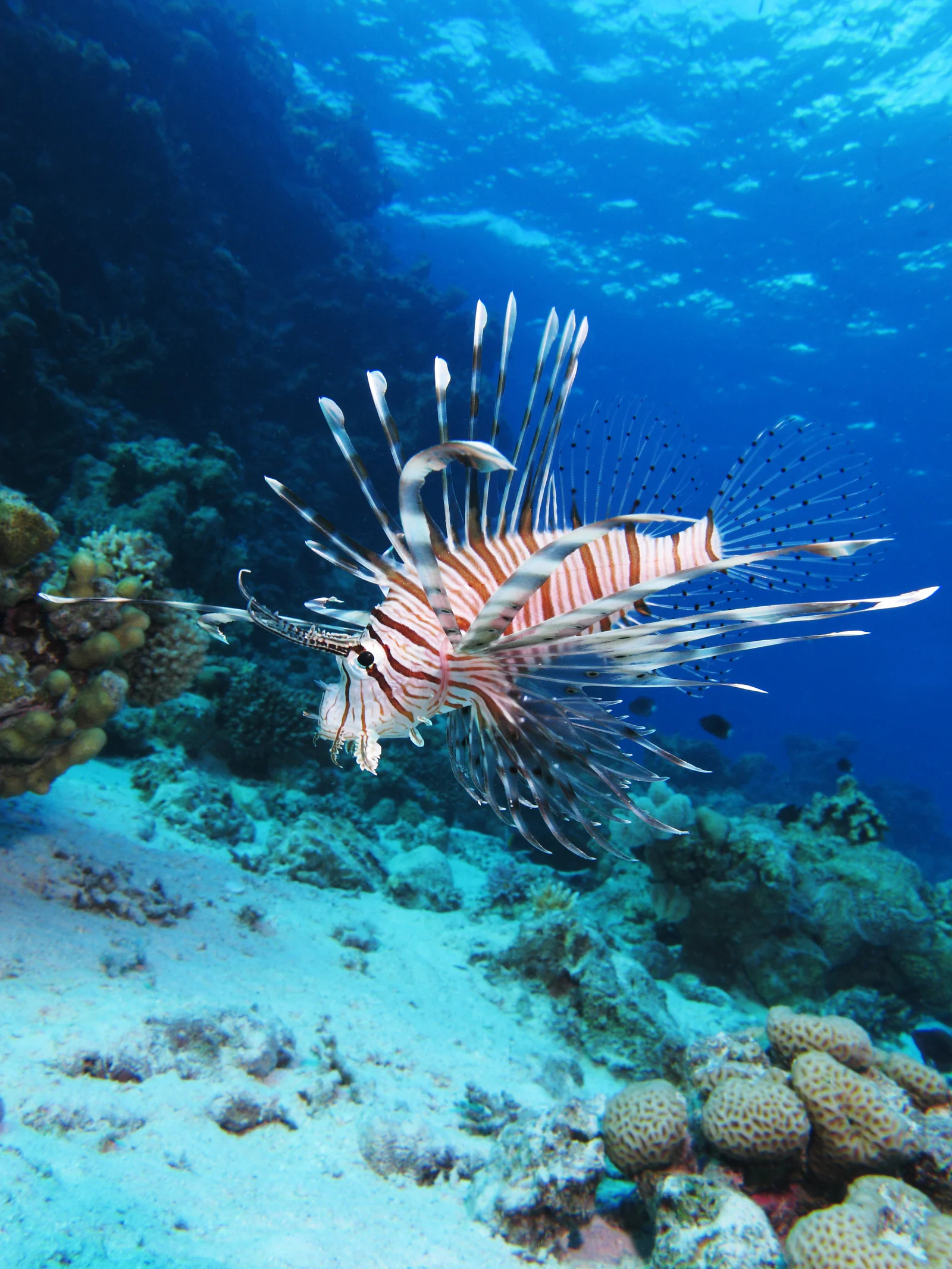
Red Lionfish
Pterois volitans
Site occurrence not yet documented
No dated observations available.
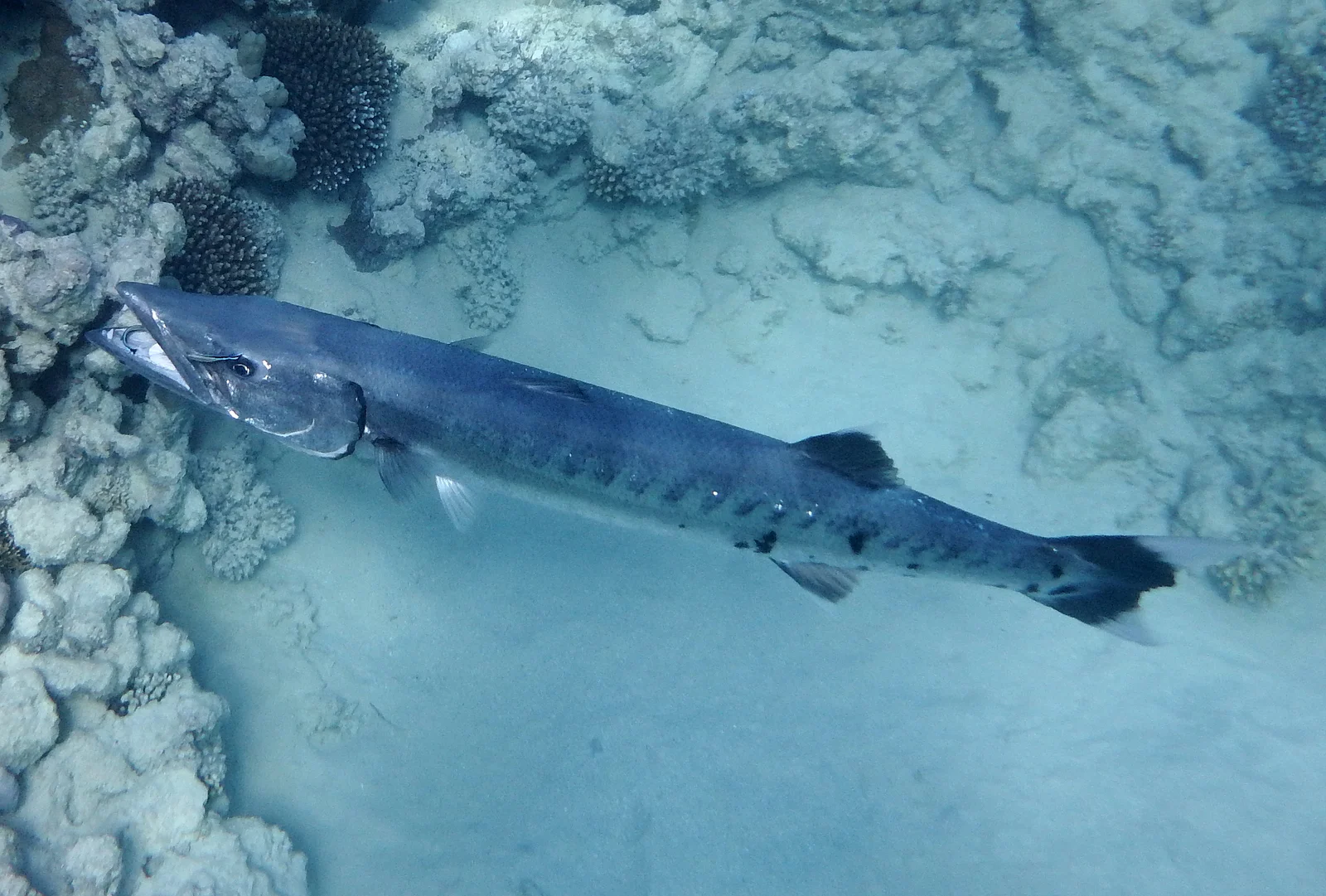
Great Barracuda
Sphyraena barracuda
Site occurrence not yet documented
No dated observations available.
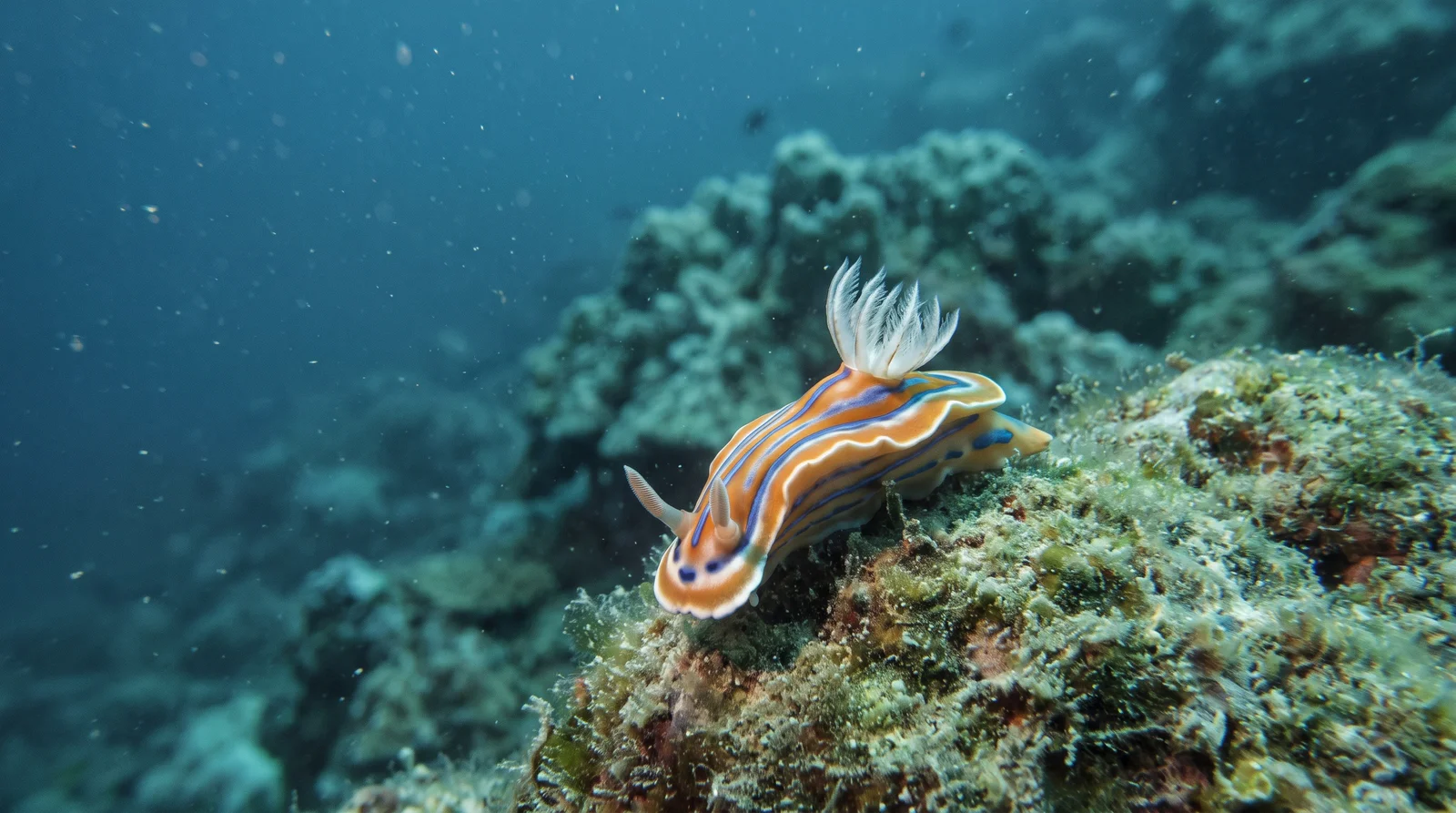
Nudibranch (assorted)
Nudibranchia spp.
Site occurrence not yet documented
No dated observations available.
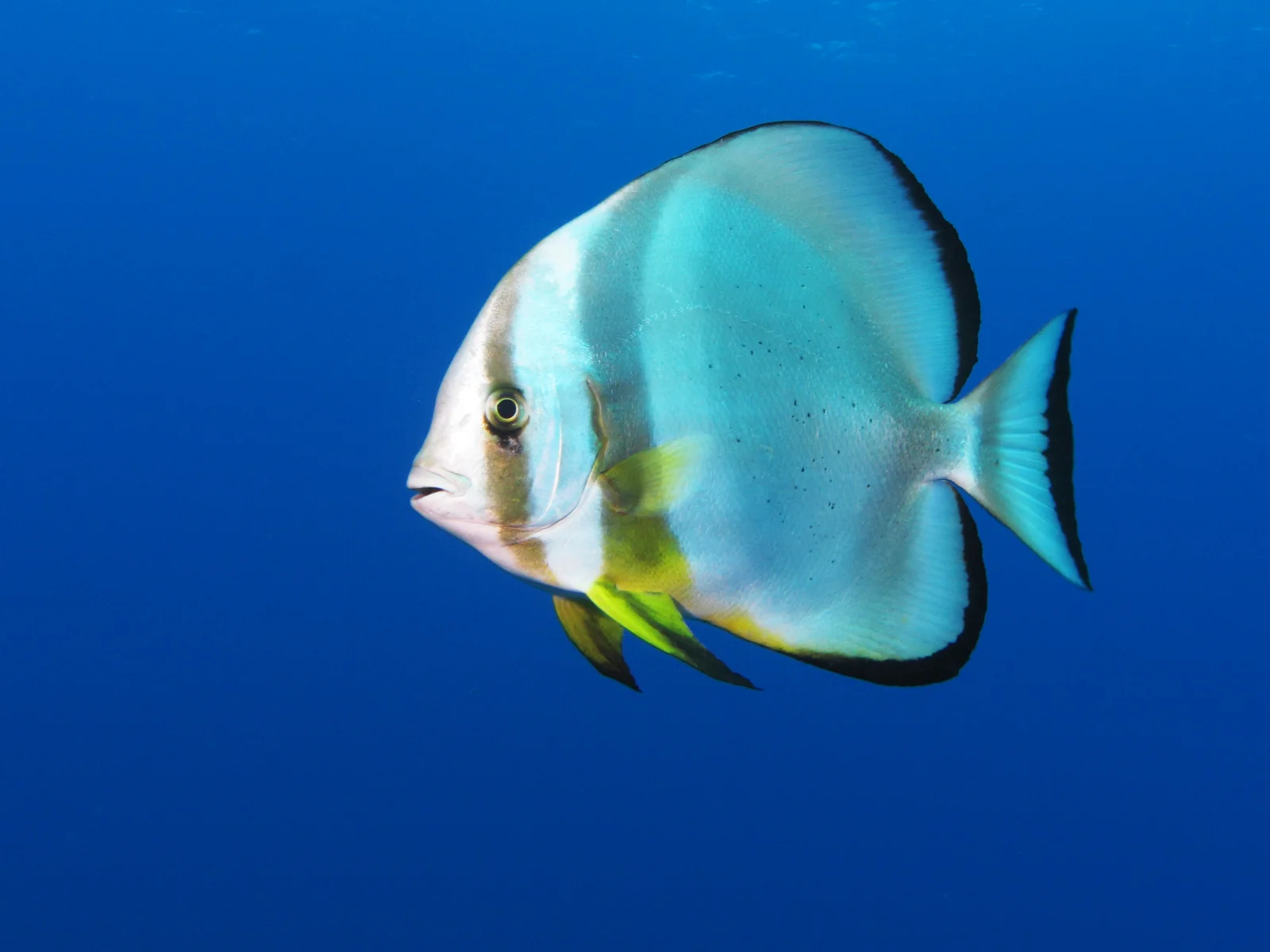
Longfin Batfish
Platax teira
Site occurrence not yet documented
No dated observations available.
Giant Grouper
Epinephelus lanceolatus
Site occurrence not yet documented
No dated observations available.
Hazards & Safety
Be aware of these potential hazards at this dive site
Overhead environment
Severity: Not yet documentedOperator accounts describe interior passages or compartments. These descriptions do not establish current access, structural condition or suitability for entry; confirm the planned environment and required experience with the operator.
Sharp metal
Severity: Not yet documentedEarlier listing reports sharp metal. The specific condition and severity have not been corroborated in this source review; confirm the current briefing with the operator.
Silting
Severity: Not yet documentedEarlier listing reports silting. The specific condition and severity have not been corroborated in this source review; confirm the current briefing with the operator.
Strong current
Severity: Not yet documentedPirates and Sangat report tidal current at this wreck. This is a source-reported consideration, not a forecast; confirm conditions and the intended route with the operator.
Sources
- Dive3D.eu
- MDI Divers
- Pirates Diving Resort
- Sangat Island Dive Resort
- Two Seasons Pawikan menu
360° Underwater View
Immersive panoramic view of this dive site
360° panorama coming soon
Immersive underwater views will be available when panoramic imagery is uploaded
Reviews
--
0 reviews
No reviews yet. Be the first to share your experience!
Related Dive Sites
Discover other dive sites in the area
Technical Beginner
 Beginner
 Intermediate
 Advanced
 TechnicalTechnicalBeginnerBeginnerIntermediateAdvancedTechnical
Depth Profile
Minimum Depth
Historical value — unverified
Earlier listing: 10; not established as a settled value for this route.
Confirm this historical information with a local operator.
Know this dive site? Suggest a correctionMaximum DepthInformation under review
Recorded value
26 m maximum
Supported by: MDI Divers, Pirates Diving Resort, Sangat Island Dive Resort
Contrary evidence
25 m maximum
Pawikan lists 25 m.
Two Seasons Pawikan menu · 2026-10-04T05:29:37.811692+00:00
38 m maximum
Sangat table lists 38 m although its prose gives 10–26 m.
Sangat Island Dive Resort · 2026-10-04T05:29:37.812131+00:00
Same source as the recorded value
Nearby services
Kiss Diving Center & Shop Corp.
Location sources disagree
Know better? Tell usStay Updated
Get dive site updates and tips in your inbox.
Dived Okikawa Maru? Make it count.
Add it to your logbook, share your sightings, and help 0 divers plan their next descent.
Recent Community Activity
Was this helpful?