Reef · Drift
Siete Pecados
Coron
About This Dive Site
A protected coastal ecosystem
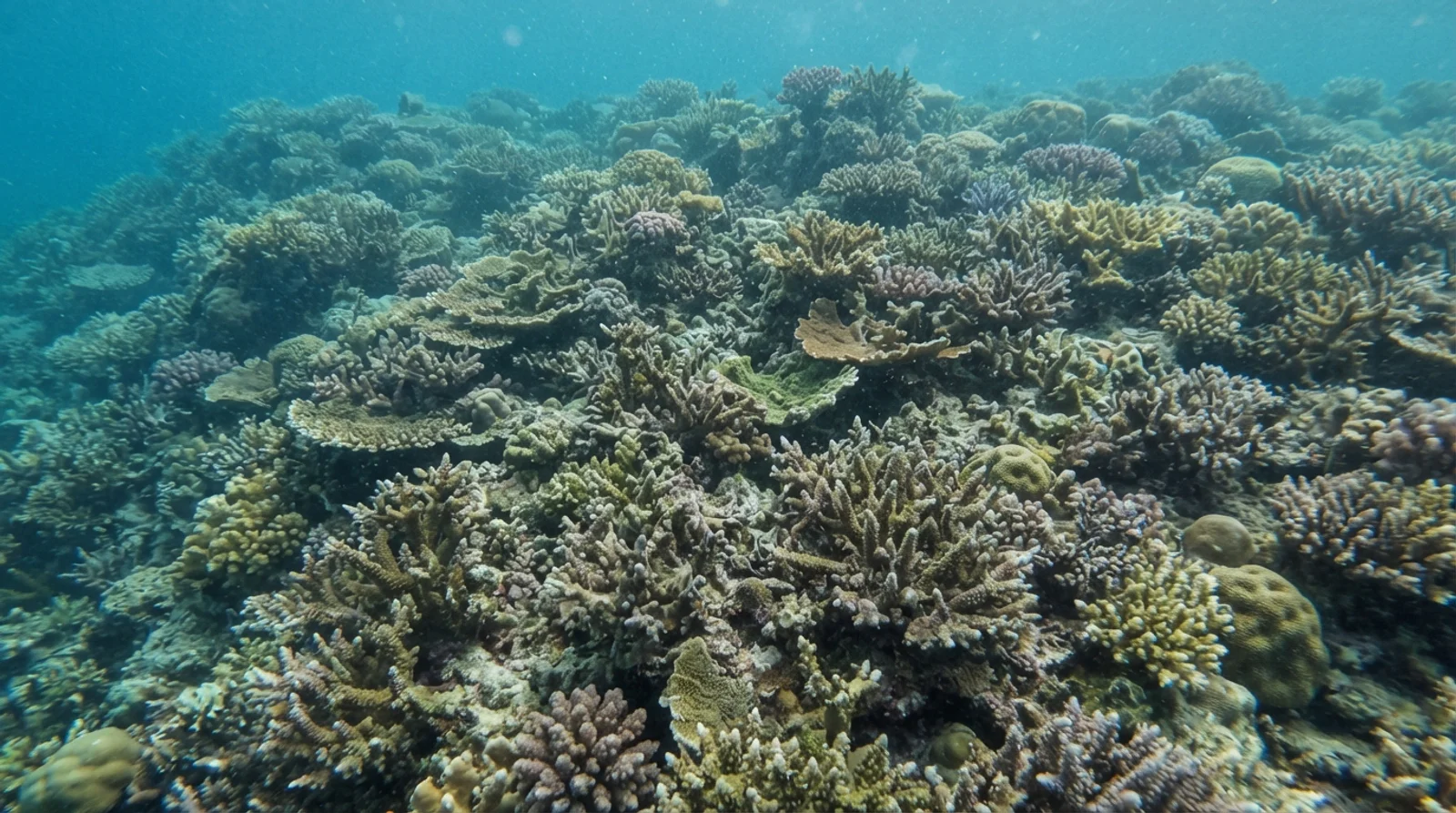
Marine Conservation Institute’s Siete Pecados profile records a Silver Blue Park award in 2024. It describes a 1.8 km² marine park protecting coral reefs, seagrass and mangroves within the Calamianes marine protected area network.
The Institute dates the park’s establishment to 2005 and describes the role of Barangay Tagumpay community members in its creation, monitoring and management. This provides documented conservation context for a visit, rather than an unsupported claim that every part of the reef is pristine.
What that evidence means for a diver
The conservation profile describes biodiversity across the protected area. It does not establish the animals on a particular dive route, a probability of seeing turtles or dugongs, or current water conditions. Park-wide habitat and species records should remain distinct from recent dive observations.
Planning your visit
Ask your operator which reef section the outing uses, whether the activity is scuba or snorkeling, and what access arrangements apply that day. This review has not established a dependable depth range, current category, visibility range or universal experience requirement for the intended route. Those gaps remain explicit rather than being filled from general Coron conditions.
Why protection was established
The Institute links the park's creation to earlier damage from illegal fishing and declining fish populations. Its profile reports improved coral cover since protection began, particularly in the no-take zone, and names the Coron Office of the Municipal Agriculturist as management. These are protected-area findings; they do not turn one survey result into a description of every present-day dive section.
A dated conservation award
The award announcement of 17 April 2024 records Siete Pecados among three marine protected areas recognized at the Our Ocean Conference in Athens. It explains that an international expert council assessed conservation effectiveness. The recognition concerns the protected area's conservation work, rather than certifying an individual dive operator, guide or visitor itinerary.
Monitoring visitor activity
A Marine Conservation Institute update dated 5 June 2026 describes the Siete Pecados team building a lifeguard tower that also serves as a monitoring facility. The stated purpose is to improve oversight of visitors and compliance with park rules. The article reports work in progress: it does not establish that the tower is complete, staffed today or providing a particular rescue service. Ask about current visitor arrangements locally.
Read park evidence at the right scale
Conservation outcomes, management activity and the conditions on a particular reef route answer different questions. The dated reports give a reason to understand the park's stewardship, while the practical depth, access and condition gaps above still require a current site briefing.
The Institute specifically names humphead wrasse and the coral Pectinia maxima among the protected area’s conservation subjects. These park-wide records add detail to its biodiversity value, not a checklist for an individual reef stop.
Not yet independently cross-checked. · Marine Conservation Institute · Marine Conservation Institute · Marine Conservation Institute · Marine Conservation Institute
Difficulty
Difficulty
Historical value — unverified
Earlier listing: intermediate; not established for the intended route by this source review.
Confirm this historical information with a local operator.
Know this? Tell usDifficulty level
Depth
Minimum depth
Historical value — unverified
Earlier listing: 2; not established for the intended route by this source review.
Confirm this historical information with a local operator.
Know this? Tell usMaximum depth
Historical value — unverified
Earlier listing: 25; not established for the intended route by this source review.
Confirm this historical information with a local operator.
Know this? Tell usDepth range
Access
Documented months
Best season start
Historical value — unverified
Earlier listing: 11; not established for the intended route by this source review.
Confirm this historical information with a local operator.
Know this? Tell usBest season end
Historical value — unverified
Earlier listing: 5; not established for the intended route by this source review.
Confirm this historical information with a local operator.
Know this? Tell usVisibility
Minimum visibility
Historical value — unverified
Earlier listing: 15; not established for the intended route by this source review.
Confirm this historical information with a local operator.
Know this? Tell usMaximum visibility
Historical value — unverified
Earlier listing: 30; not established for the intended route by this source review.
Confirm this historical information with a local operator.
Know this? Tell usTypical visibility
Current
Current
Historical value — unverified
Earlier listing: variable; not established for the intended route by this source review.
Confirm this historical information with a local operator.
Know this? Tell usGood buoyancy control advised
Temperature
Minimum water temperature
Historical value — unverified
Earlier listing: 28; not established for the intended route by this source review.
Confirm this historical information with a local operator.
Know this? Tell usMaximum water temperature
Historical value — unverified
Earlier listing: 30; not established for the intended route by this source review.
Confirm this historical information with a local operator.
Know this? Tell usWater temperature
Certification required
Historical value — unverified
Earlier listing: Snorkeler, Freediver, Open Water; not established for the intended route by this source review.
Confirm this historical information with a local operator.
Know this? Tell usCurrent
Historical value — unverified
Earlier listing: variable; not established for the intended route by this source review.
Confirm this historical information with a local operator.
Know this? Tell usMarine Life
5 species recorded at this site
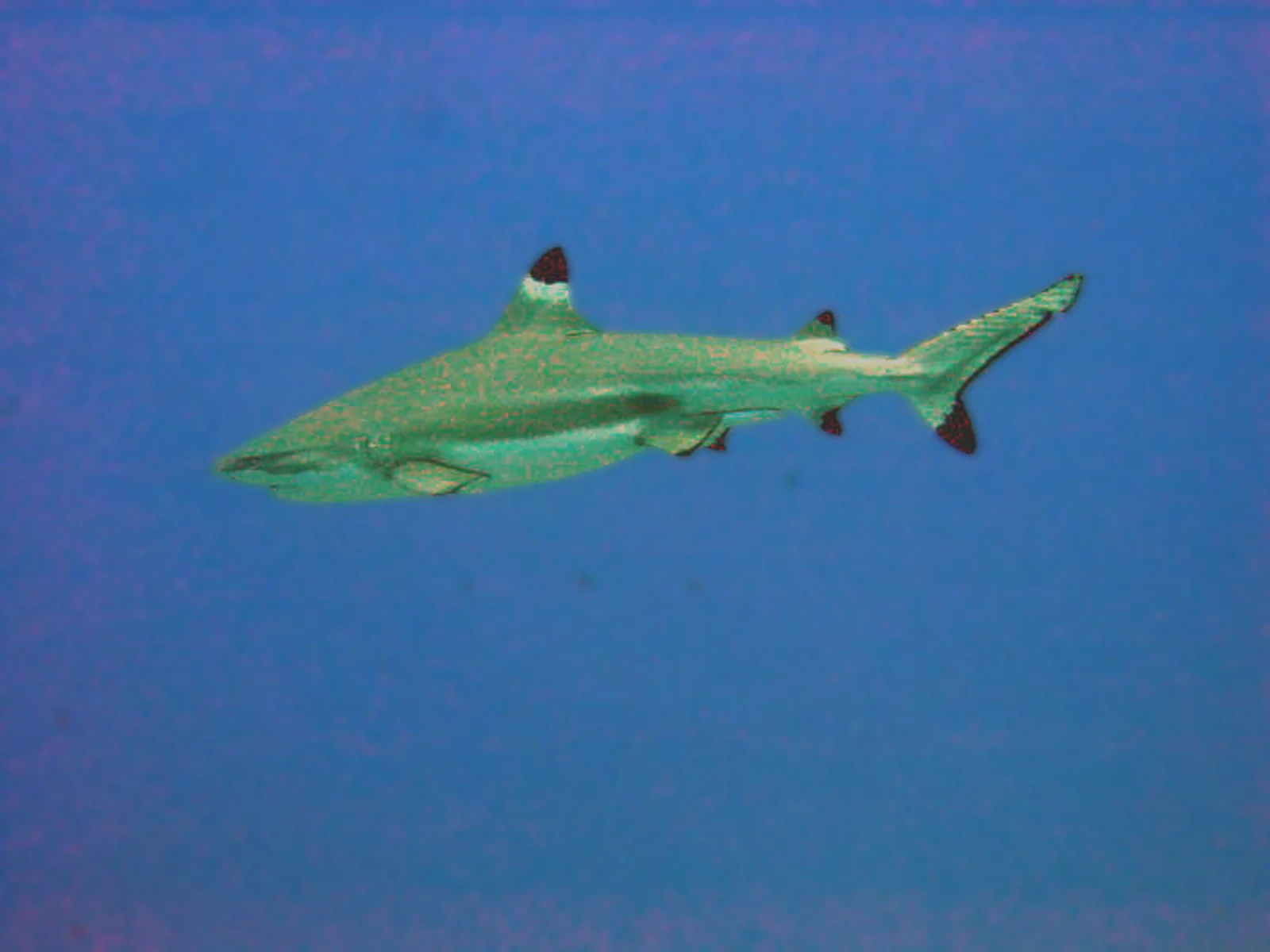
Blacktip Reef Shark
Carcharhinus melanopterus
Site occurrence not yet documented
No dated observations available.
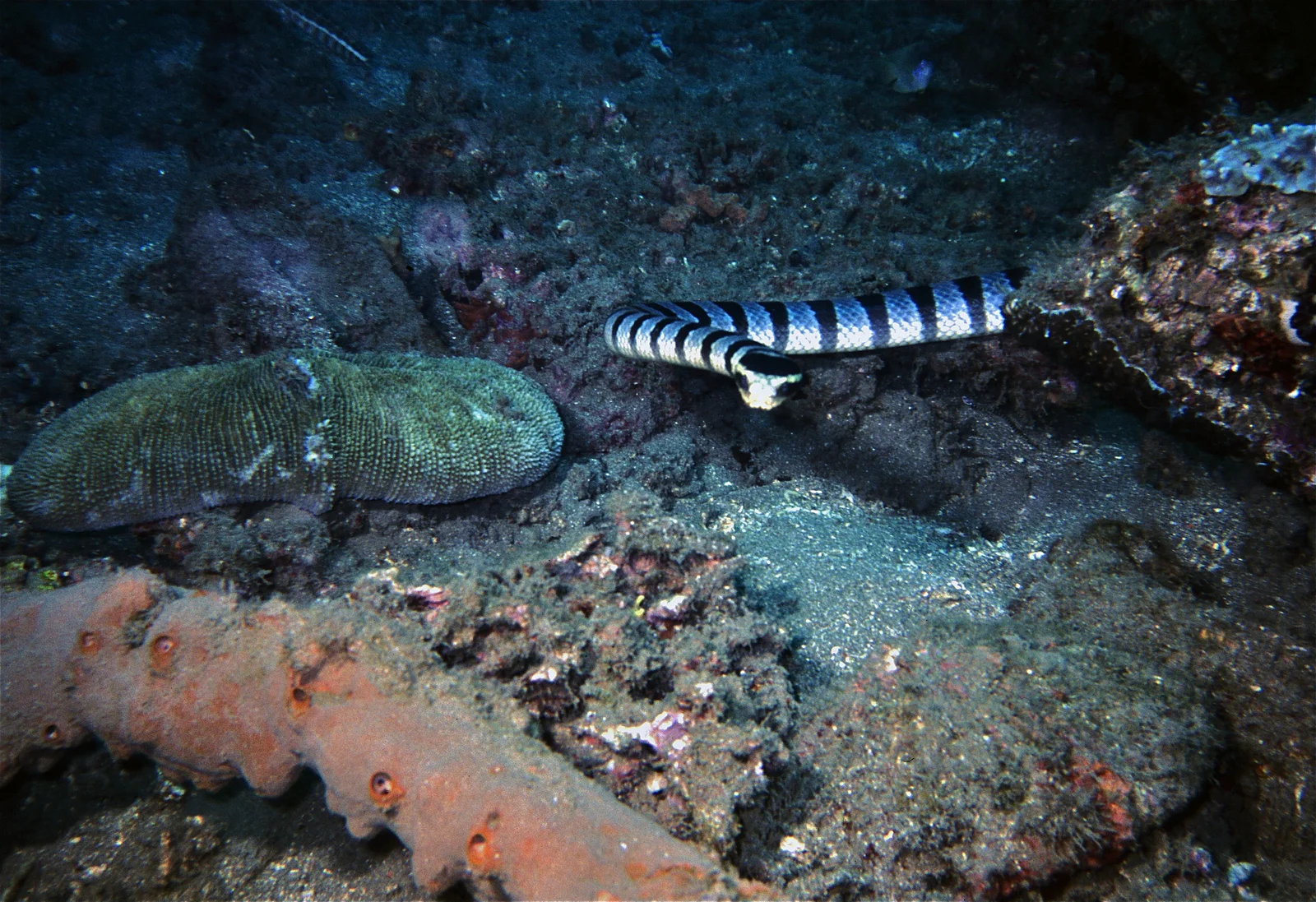
Banded Sea Krait
Laticauda colubrina
Site occurrence not yet documented
No dated observations available.
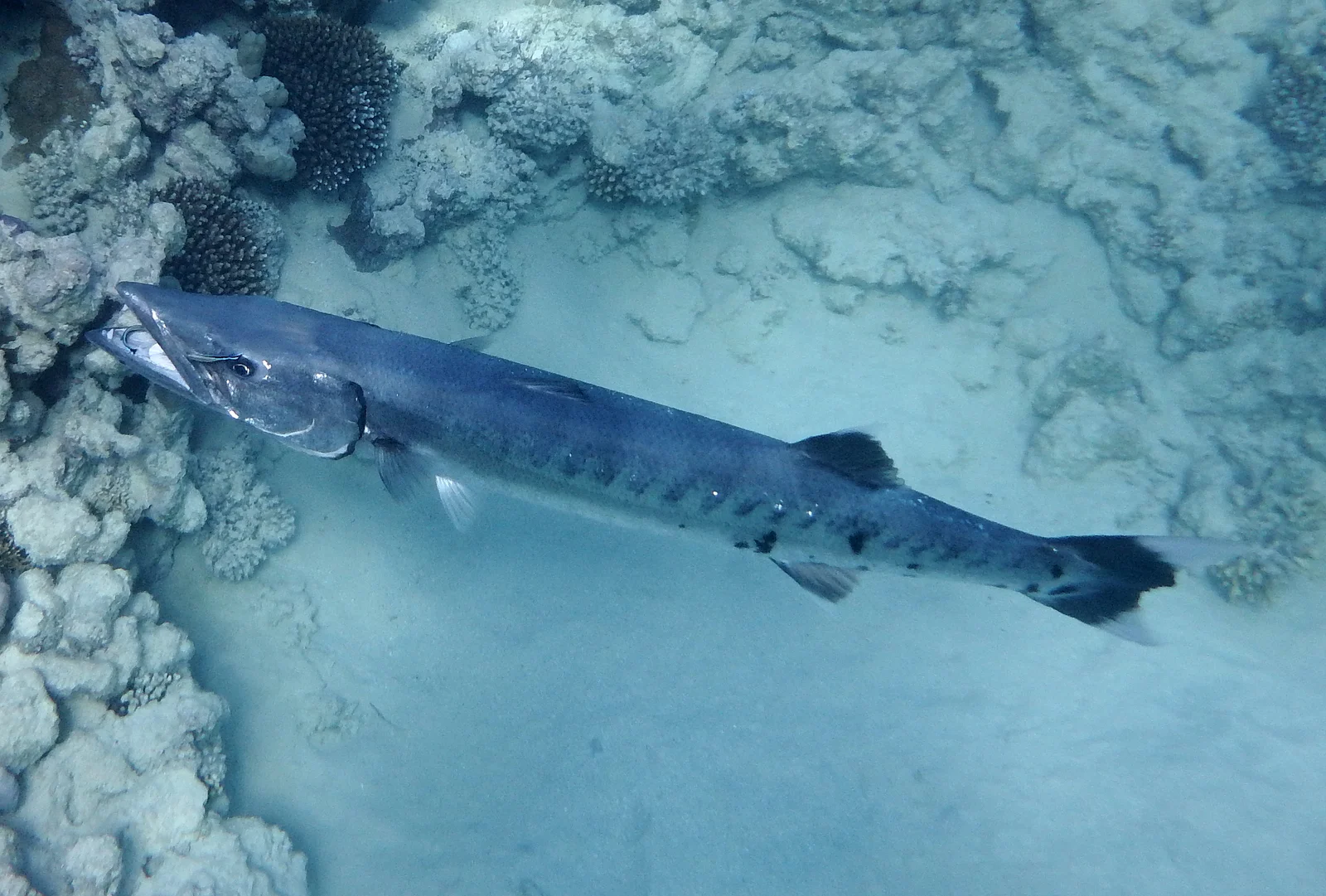
Great Barracuda
Sphyraena barracuda
Site occurrence not yet documented
No dated observations available.
Moorish Idol
Zanclus cornutus
Site occurrence not yet documented
No dated observations available.
Maroon Anemonefish
Premnas biaculeatus
Site occurrence not yet documented
No dated observations available.
Hazards & Safety
Be aware of these potential hazards at this dive site
Boat traffic
Severity: Not yet documentedEarlier listing reports boat traffic. The specific condition and severity have not been corroborated in this source review; confirm the current briefing with the operator.
Current
Severity: Not yet documentedEarlier listing reports current. The specific condition and severity have not been corroborated in this source review; confirm the current briefing with the operator.
Sources
360° Underwater View
Immersive panoramic view of this dive site
360° panorama coming soon
Immersive underwater views will be available when panoramic imagery is uploaded
Reviews
--
0 reviews
No reviews yet. Be the first to share your experience!
Related Dive Sites
Discover other dive sites in the area
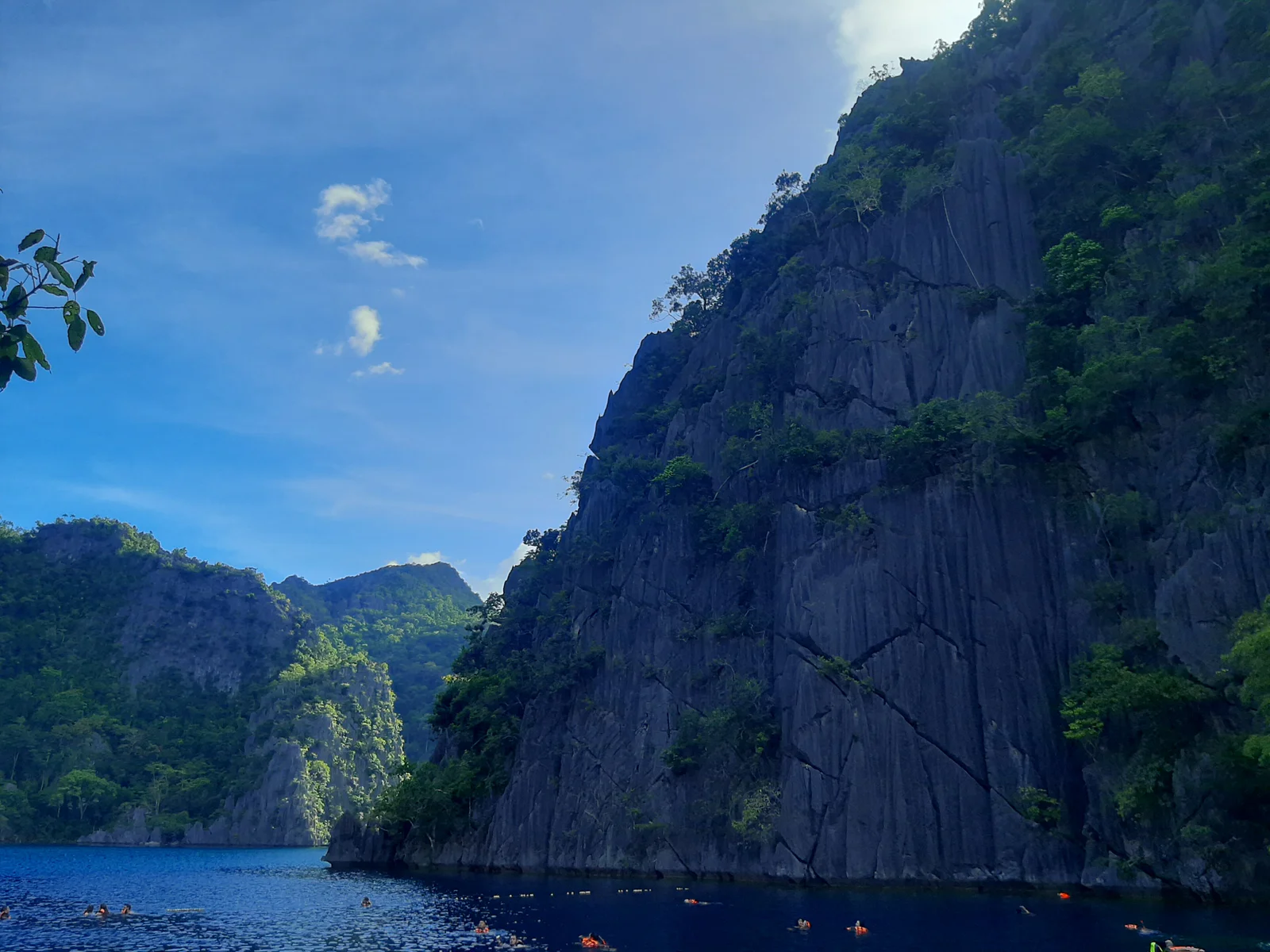 Intermediate
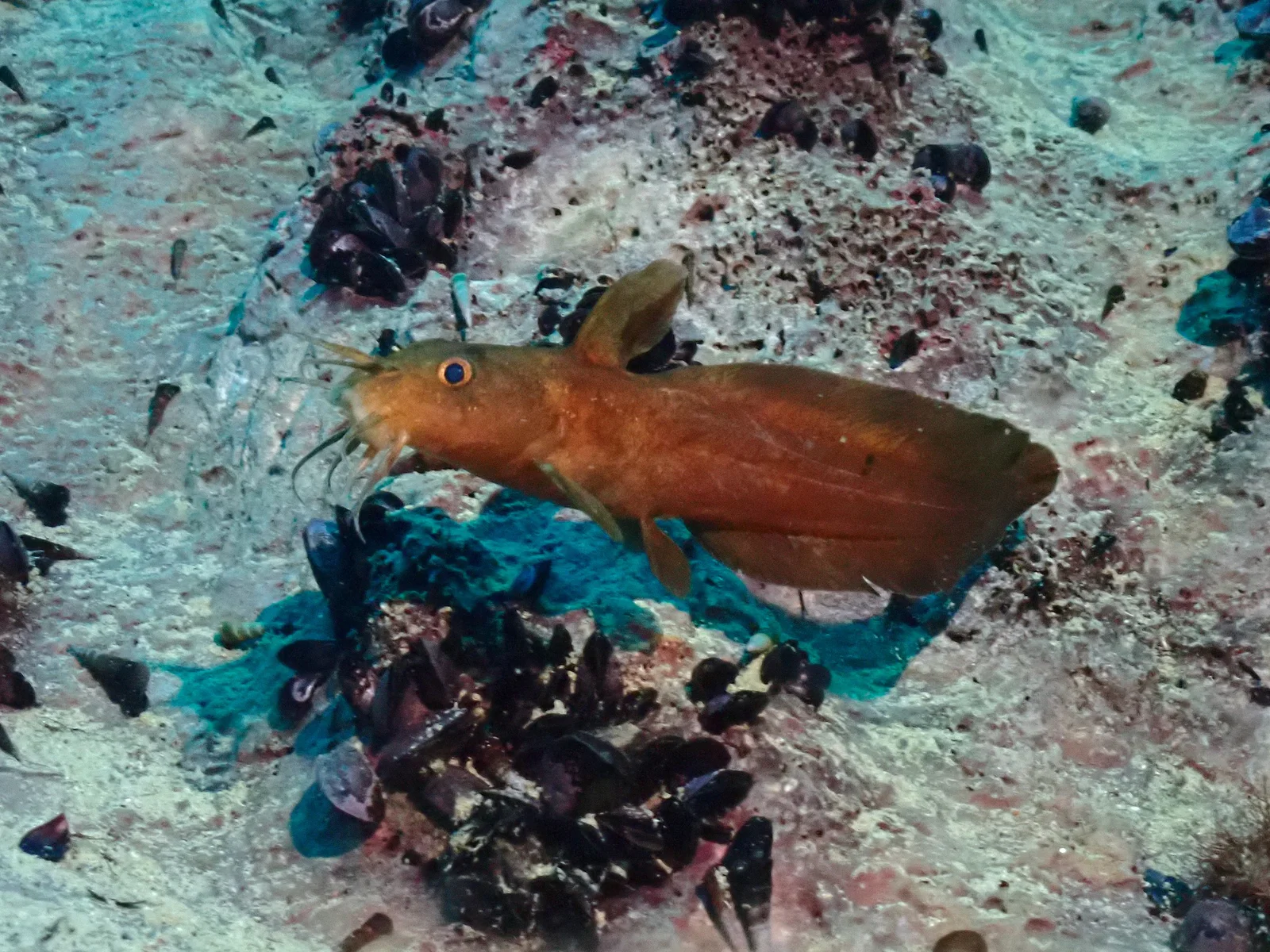 Beginner
 Beginner
 AdvancedIntermediateBeginnerBeginnerAdvanced
Depth Profile
Minimum Depth
Historical value — unverified
Earlier listing: 2; not established for the intended route by this source review.
Confirm this historical information with a local operator.
Know this dive site? Suggest a correctionMaximum Depth
Historical value — unverified
Earlier listing: 25; not established for the intended route by this source review.
Confirm this historical information with a local operator.
Know this dive site? Suggest a correctionNearby services
Kiss Diving Center & Shop Corp.
Location sources disagree
Know better? Tell usStay Updated
Get dive site updates and tips in your inbox.
Dived Siete Pecados? Make it count.
Add it to your logbook, share your sightings, and help 0 divers plan their next descent.
Recent Community Activity
Was this helpful?