 Beginner
Reef · Manta-cleaning-station
Manta Sandy
Dampier Strait
Open Water Certification RequiredBest Season: Oct – Apr
Difficulty
Intermediate
Difficulty level
Depth
16 ft79 ft
Depth range
Access
Access not yet documented
Documented months
Oct
Apr
Visibility
33 ft82 ft
Typical visibility
Current
Mild
Good buoyancy control advised
Temperature
81°F86°F
Water temperature
Verification status unavailable Some details may be incomplete or outdated. Confirm current conditions locally, and suggest a correction if you know this site.
Know this dive site? Suggest a correctionAbout This Dive Site
Manta Sandy (Dampier Strait)
Prepare for an unparalleled encounter with majestic manta rays at Manta Sandy, widely regarded as Raja Ampat's premier reef manta cleaning station and arguably one of the most reliable in the world. Located in the nutrient-rich Dampier Strait, this dive site offers divers an extraordinary opportunity to observe these gentle giants in their natural habitat, making it a signature experience for any visit to Raja Ampat.
Dive Site Overview
Manta Sandy is a shallow, sandy dive site characterized by small coral bommies that serve as vital cleaning stations for the resident manta rays. Divers will find themselves positioned on a sandy patch, patiently waiting for the mantas to glide in for their grooming sessions. The site is also accessible to snorkelers, given the shallow depth of the cleaning stations.
Diving at Manta Sandy
- Difficulty and Certification: This is an intermediate dive site, suitable for divers holding an Open Water certification. The generally mild current and shallow depth make it accessible, though we always recommend being comfortable with varying conditions.
- Depth and Conditions: Divers will explore depths typically ranging from 5 m to 18 m, with the primary observation area for manta cleaning activity often around 10 m to 16 m. The water temperature consistently hovers between 28°C and 30°C, ensuring comfortable diving conditions. While currents are generally mild, divers should be aware that they can occasionally be moderate.
- Manta Season: The best time to experience peak manta activity at Manta Sandy is during the plankton-rich season, which typically runs from October to April. During these months, especially from December to March, divers have a very high probability of encountering numerous manta rays.
- Site Management: To protect the delicate ecosystem and ensure respectful encounters, access to Manta Sandy is strictly managed. Divers are required to stay behind a designated rock or rope demarcation line, typically around 16 m. A ranger station enforces a diver cap, often limiting the number of divers to approximately 20 per session, and surface buoys mark a boat no-go zone. We encourage all divers to adhere to these protocols, maintaining a respectful distance, avoiding fin movements, and refraining from flash photography to allow for extended and natural manta interactions.
- Hazards: The primary hazard at this dive site is the current, which, while usually mild, can sometimes be stronger.
Marine Life Encounters
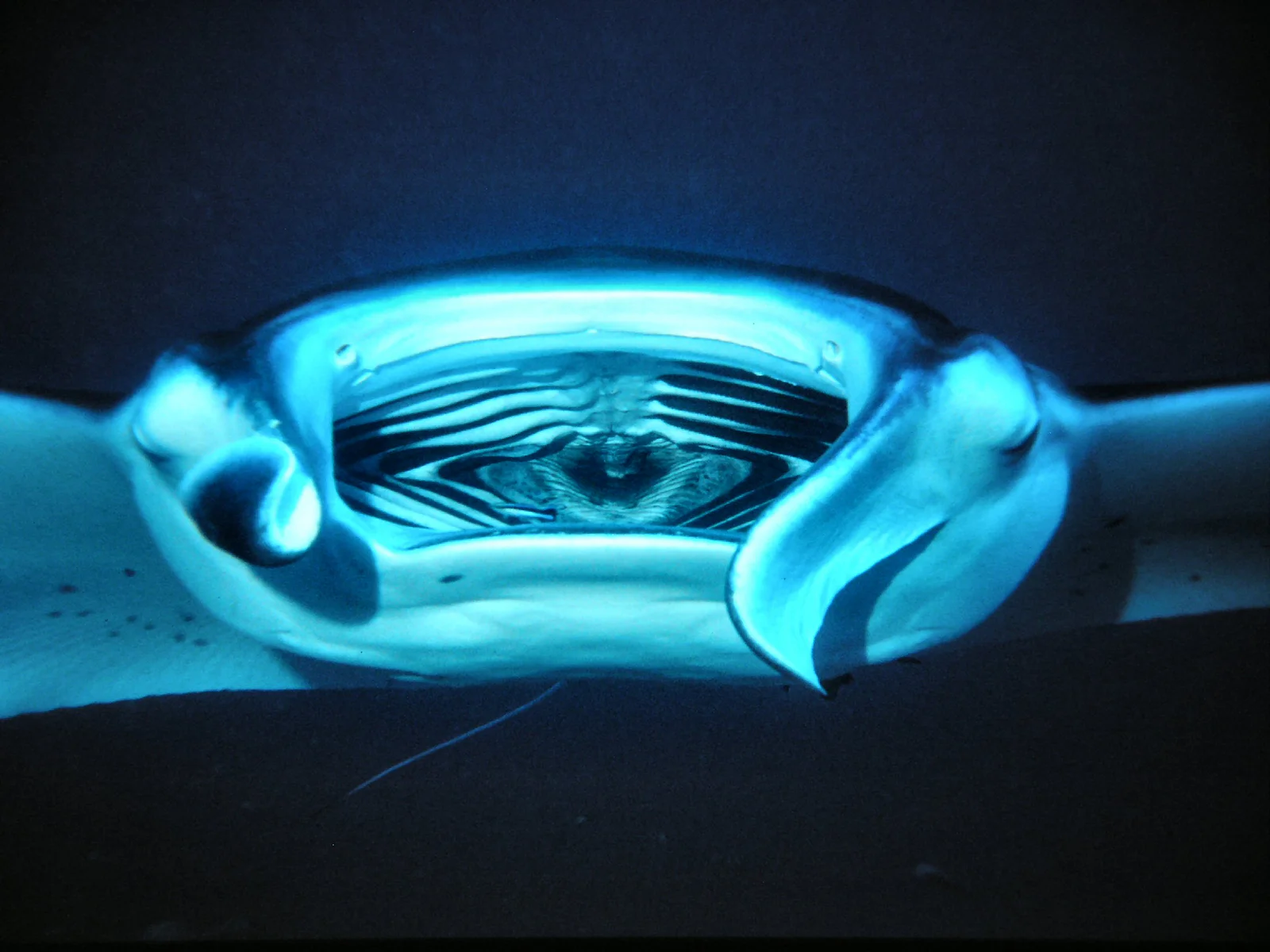
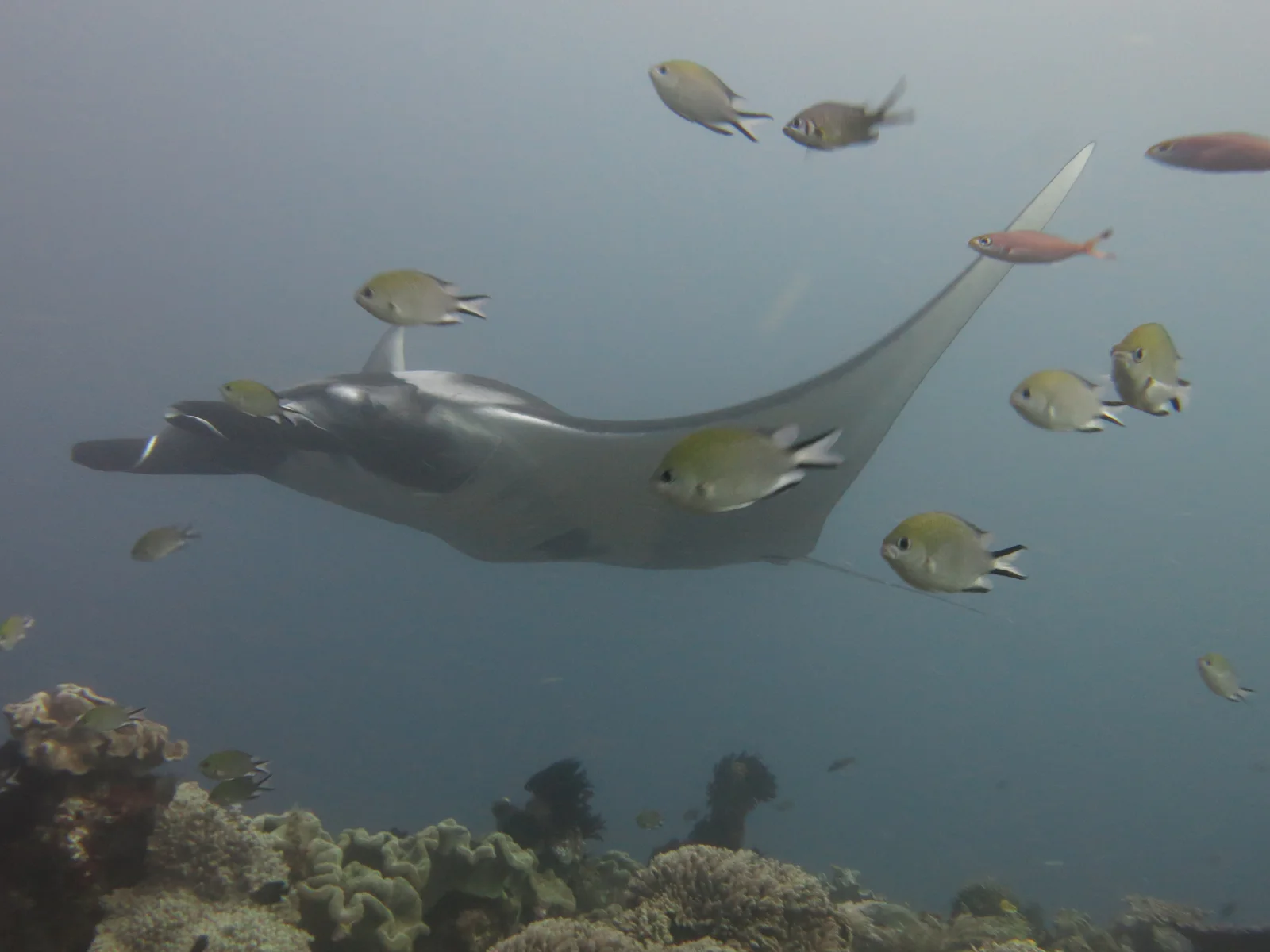
The undisputed stars of Manta Sandy are the magnificent Reef Manta Rays (Mobula alfredi), which regularly visit the cleaning stations to be groomed by diligent Bluestreak Cleaner Wrasse (Labroides dimidiatus). On a good day, you can encounter multiple mantas gracefully circling overhead, sometimes up to a dozen or more. While Reef Mantas are the main attraction, divers might also occasionally spot larger Oceanic Mantas (Mobula birostris).
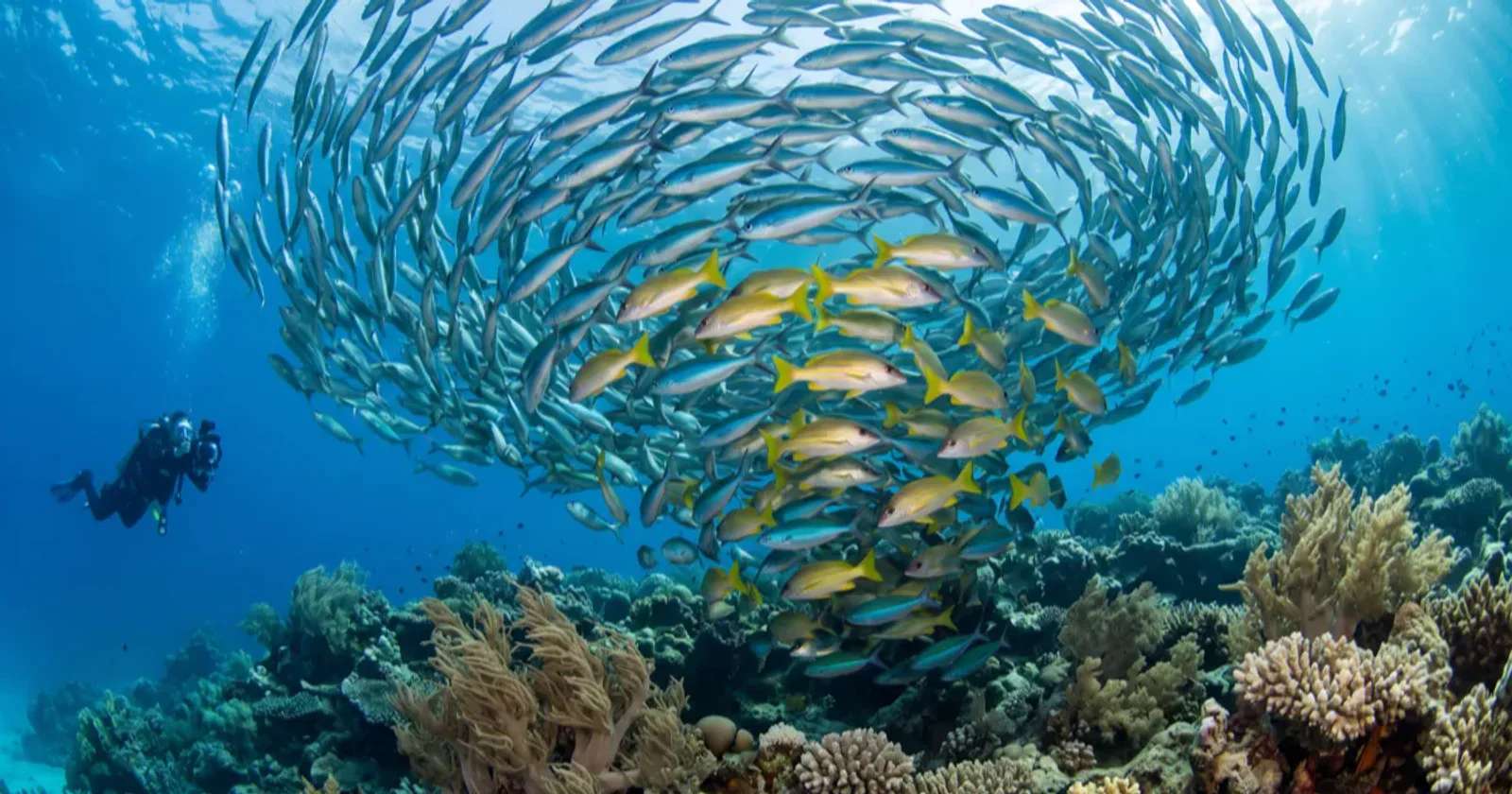
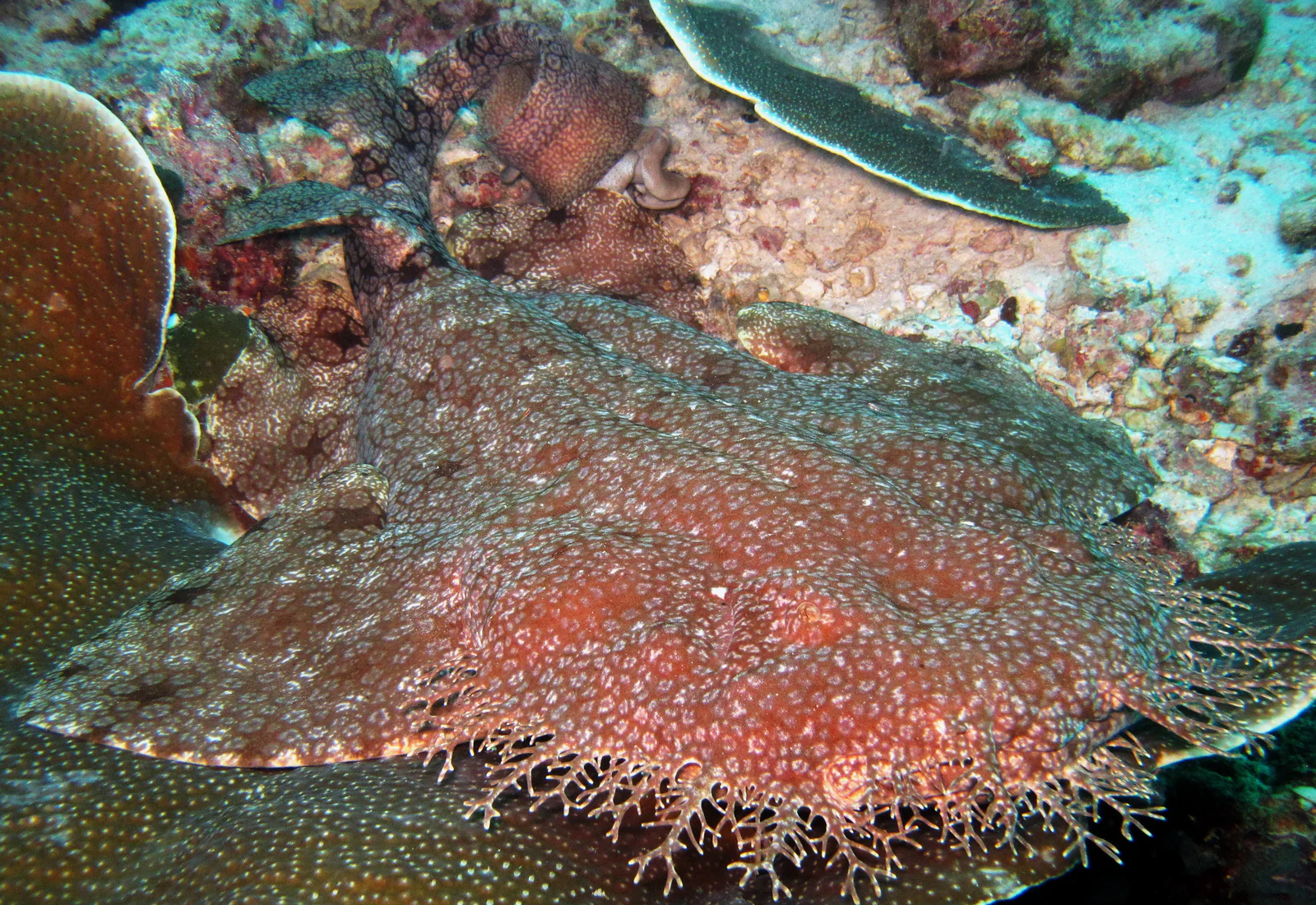
Beyond the mantas, the sandy bottom and nearby reef areas are home to a variety of fascinating marine life. Divers can also look for Oriental Sweetlips (Plectorhinchus vittatus), the well-camouflaged Tasselled Wobbegong (Eucrossorhinus dasypogon), Blue-spotted Ribbontail Rays (Taeniura lymma), and schools of Two-spot Snapper (Lutjanus biguttatus).
Open Water
Current Conditions
Typical current strength at this dive site
Mild
Light current that is easy to swim against. Comfortable for most certified divers.
Strength Scale
None
Mild
Moderate
Strong
Best Time to Visit
Monthly conditions and seasonal highlights — tap a month
OctBest
Peak diving season with optimal visibility, calm seas, and best marine life encounters. Notable sightings: Reef Manta Ray.
BestGoodLess FavorablePeak
Marine Life
6 species recorded at this site
Abundant · Unverified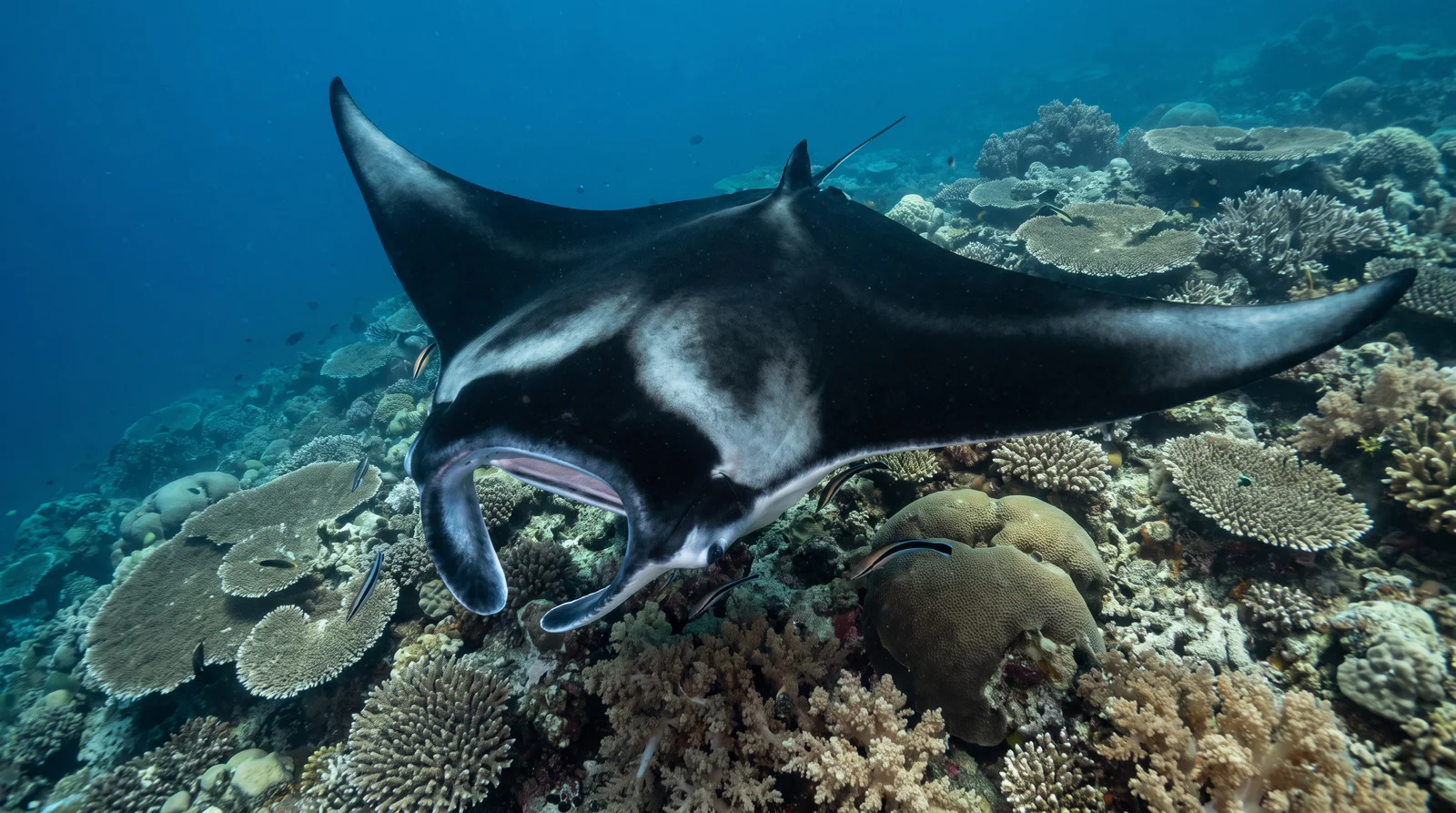
Reef Manta Ray
Mobula alfredi
Oct, Nov, Dec, Jan, Feb, Mar, Apr · Unverified
Site occurrence not yet documented
No dated observations available.
Common · Unverified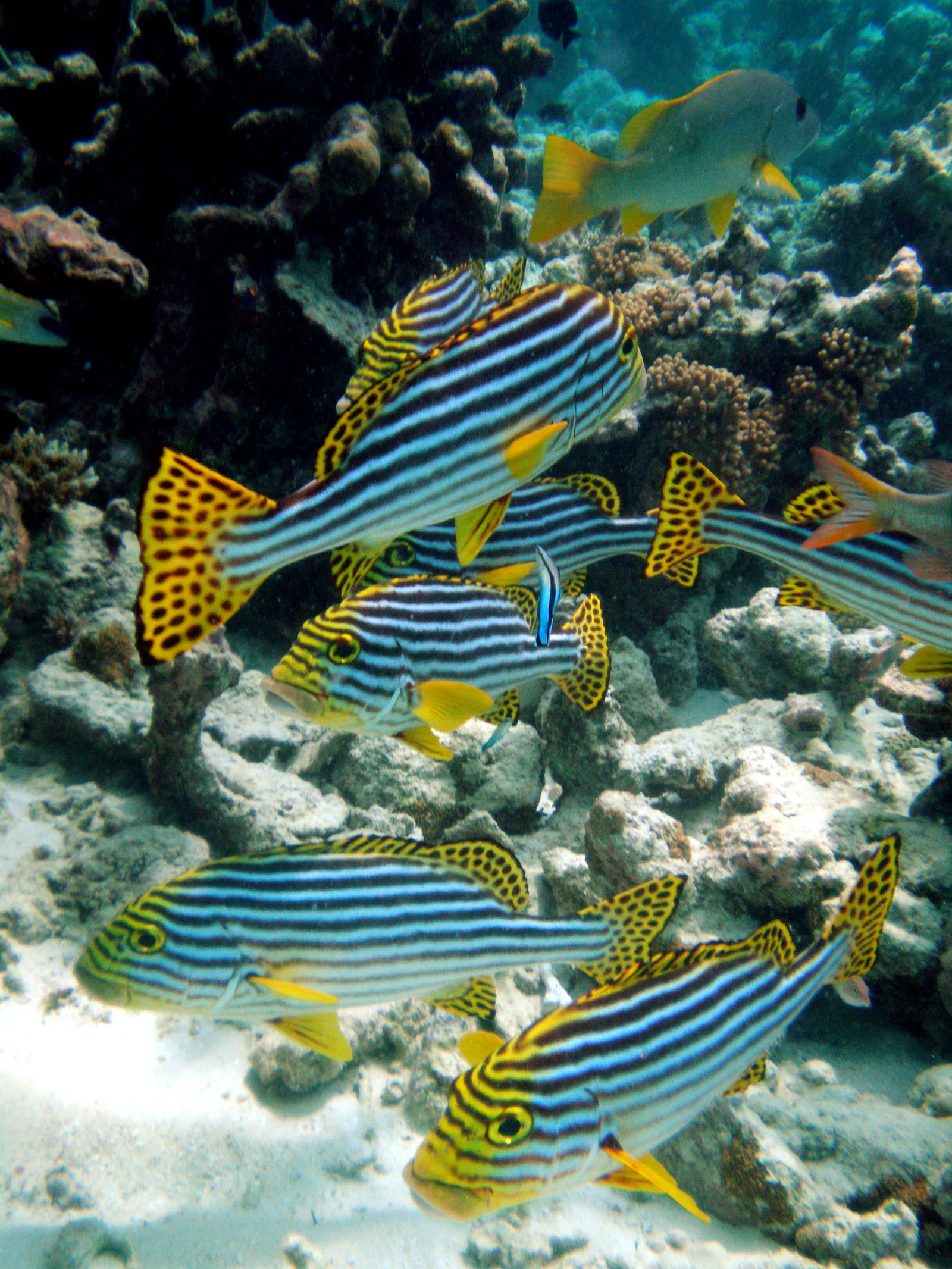
Oriental Sweetlips
Plectorhinchus vittatus
Site occurrence not yet documented
No dated observations available.
Occasional · Unverified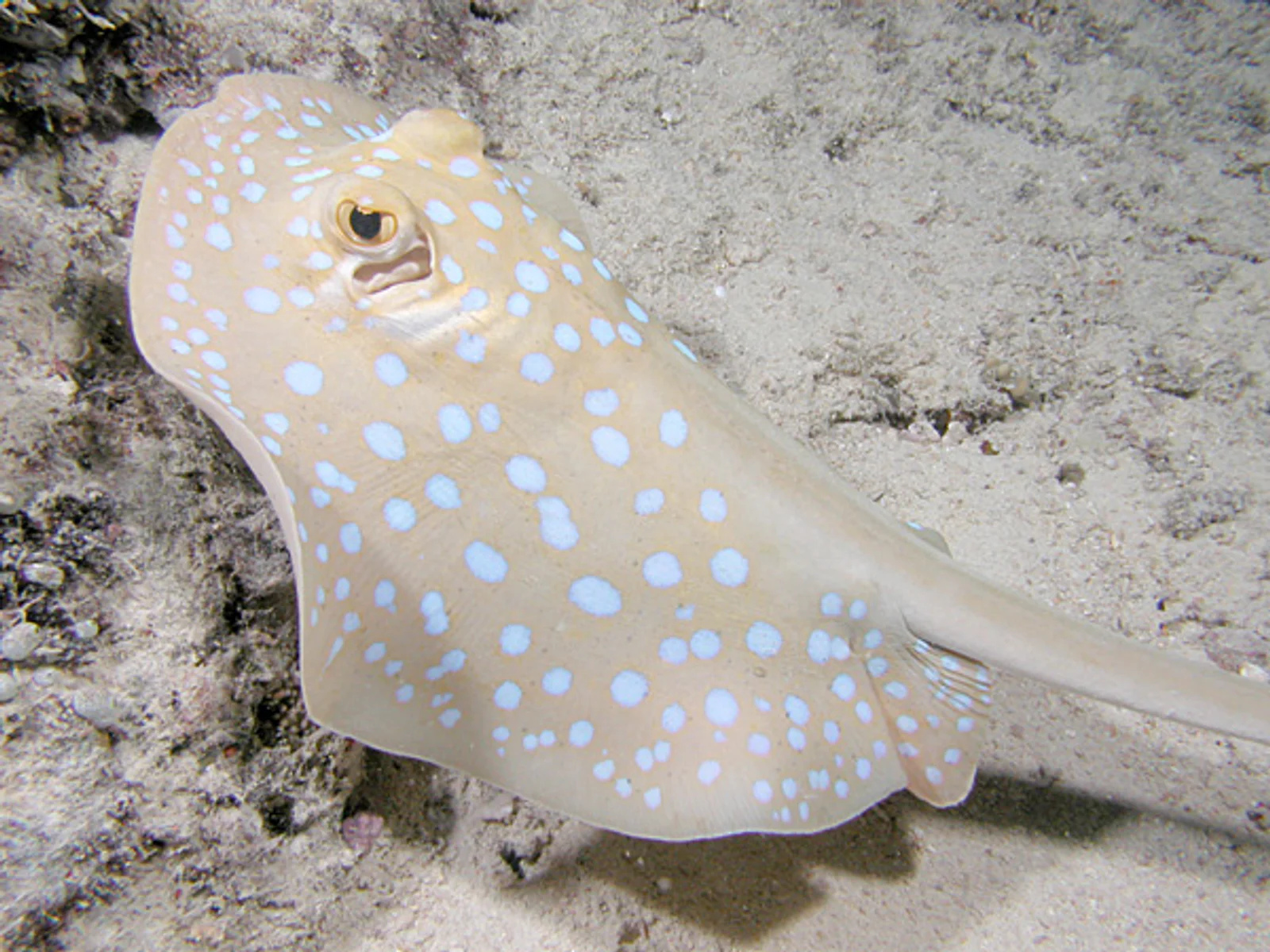
Blue-spotted Ribbontail Ray
Taeniura lymma
Site occurrence not yet documented
No dated observations available.
Abundant · Unverified
Bluestreak Cleaner Wrasse
Labroides dimidiatus
Site occurrence not yet documented
No dated observations available.
Occasional · Unverified
Tasselled Wobbegong
Eucrossorhinus dasypogon
Site occurrence not yet documented
No dated observations available.
Common · Unverified
Two-spot Snapper
Lutjanus biguttatus
Site occurrence not yet documented
No dated observations available.
Hazards & Safety
Be aware of these potential hazards at this dive site
Current
Severity: MediumGenerally mild current but can pick up near the demarcation line.
Certification Required
A minimum of Open Water certification is required to dive this site.
Sources
Sources not yet documented
Source references have not yet been added to this guide. Details may be incomplete or inaccurate; confirm conditions with a local dive operator.
Know this dive site? Suggest a correction360° Underwater View
Immersive panoramic view of this dive site
360° panorama coming soon
Immersive underwater views will be available when panoramic imagery is uploaded
Reviews
--
0 reviews
No reviews yet. Be the first to share your experience!
Related Dive Sites
Discover other dive sites in the area
Beginner Beginner
 Advanced
 Intermediate
 Advanced
 AdvancedBeginnerBeginnerAdvancedIntermediateAdvancedAdvanced
Depth Profile
Vertical range at this site
Minimum Depth
16 ft
Shallowest point
Average Depth
46 ft
Typical dive depth
Maximum Depth
79 ft
Deepest point
Stay Updated
Get dive site updates and tips in your inbox.
Dived Manta Sandy? Make it count.
Add it to your logbook, share your sightings, and help 0 divers plan their next descent.
Recent Community Activity
Was this helpful?