 Intermediate
Wall · Drift · Drop-off · Reef
Doljo Point
Visayas
Advanced Open Water Certification RequiredBest Season: Nov – May
Difficulty
Advanced
Difficulty level
Depth
16 ft
164 ft
Depth range
Access
Access not yet documented
Documented months
Nov
May
Visibility
49 ft
98 ft
Typical visibility
Current
Strong
Good buoyancy control advised
Temperature
79°F
86°F
Water temperature
About This Dive Site
Doljo Point: Panglao's Premier Drift Dive
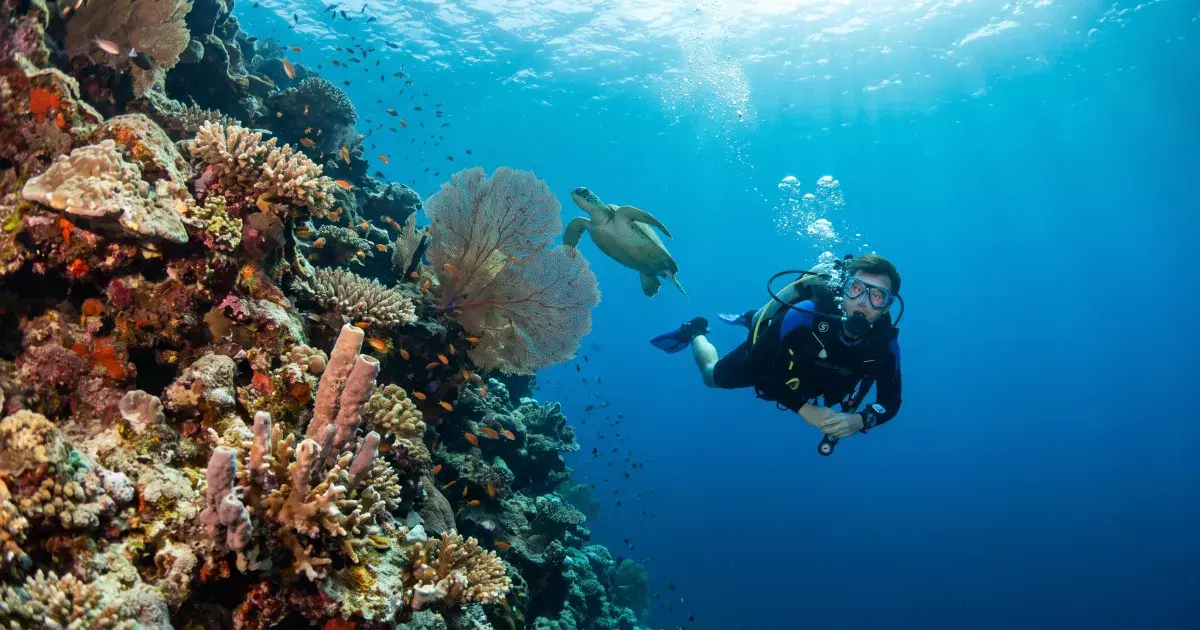
Located at the exposed northwest tip of Panglao, Doljo Point is renowned as the zone's signature drift dive, offering an exhilarating experience for advanced divers. Here, two stacked walls plunge dramatically into the open Bohol Sea, swept by nutrient-rich currents that fuel extraordinary marine growth. This dive site is a true spectacle, combining dramatic topography with an abundance of pelagic and macro life.
Diving Conditions and Topography
Doljo Point is an advanced dive site, and we require an Advanced Open Water certification to fully explore its depths. Divers will find a gently sloping reef that transitions into a steep, vertical wall, dropping to depths of 40 meters and beyond. The main drift typically takes us along this vertical face, where we can explore between roughly 18 and 30 meters. Currents here can range from moderate to strong, especially on big tides, making for an exciting drift dive that demands solid buoyancy control. The water temperature in Panglao typically ranges from 27°C to 30°C throughout the year, with an average of around 29°C in July. Visibility is often exceptional, frequently exceeding 30 meters, offering breathtaking views into the deep blue.
Marine Life Encounters
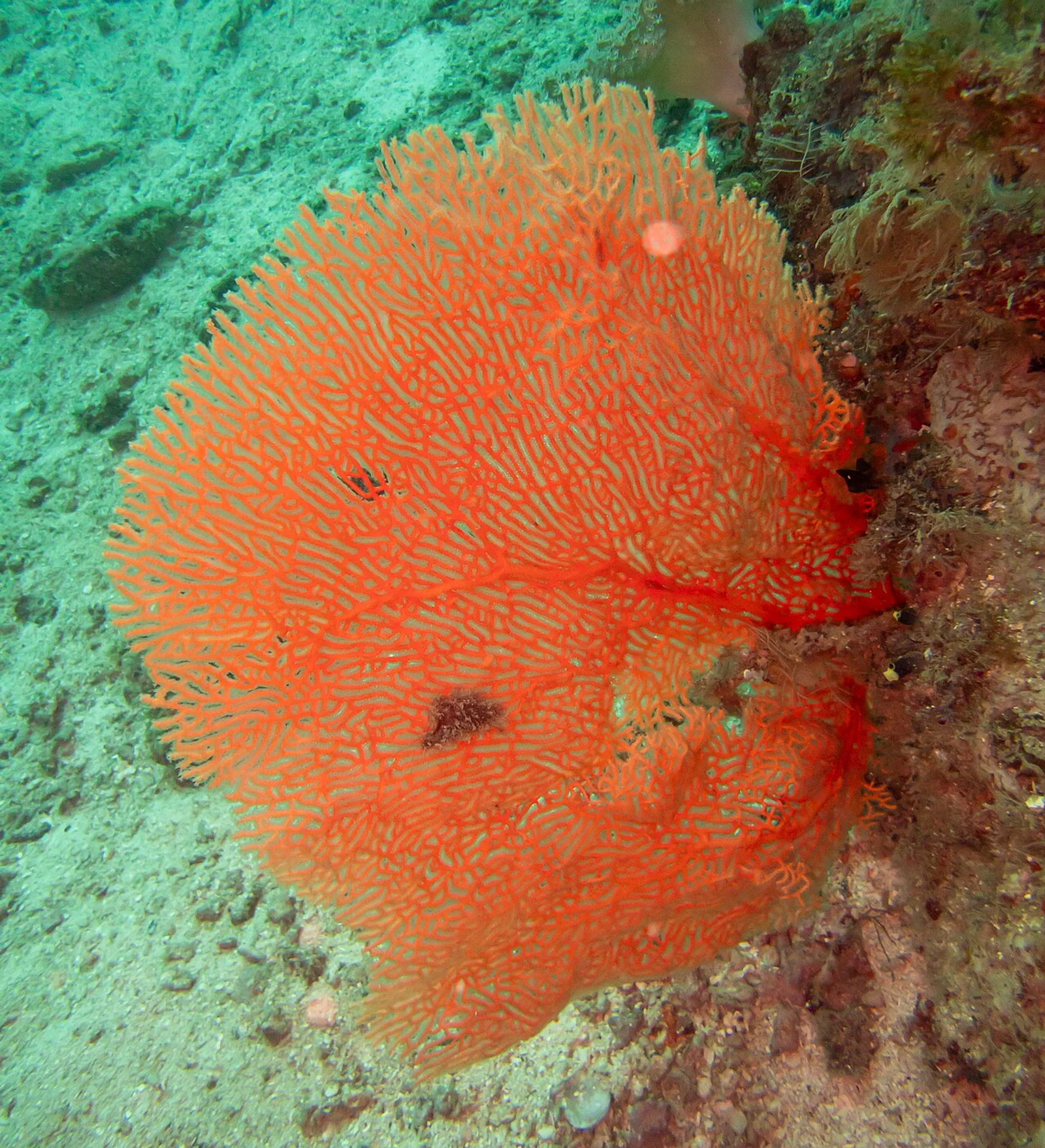
The walls of Doljo Point are a vibrant tapestry of coral and sponge life. Divers will be captivated by some of the largest Gorgonian Sea Fans (Annella mollis) in the Philippines, which glow in stunning shades of red, pink, and orange when illuminated by a dive torch. Alongside these, we encounter huge Barrel Sponges (Xestospongia testudinaria) and thickets of black coral.
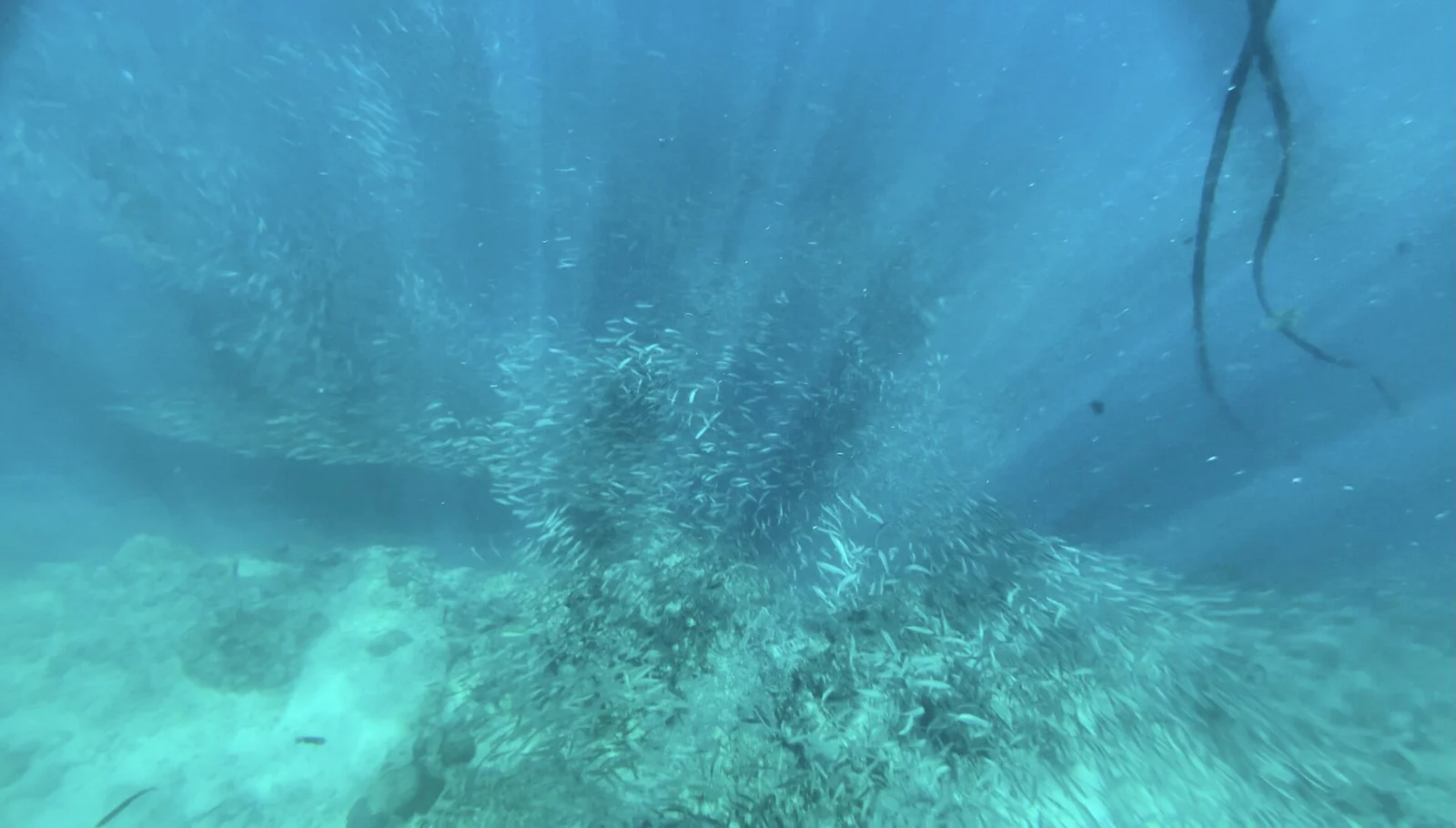
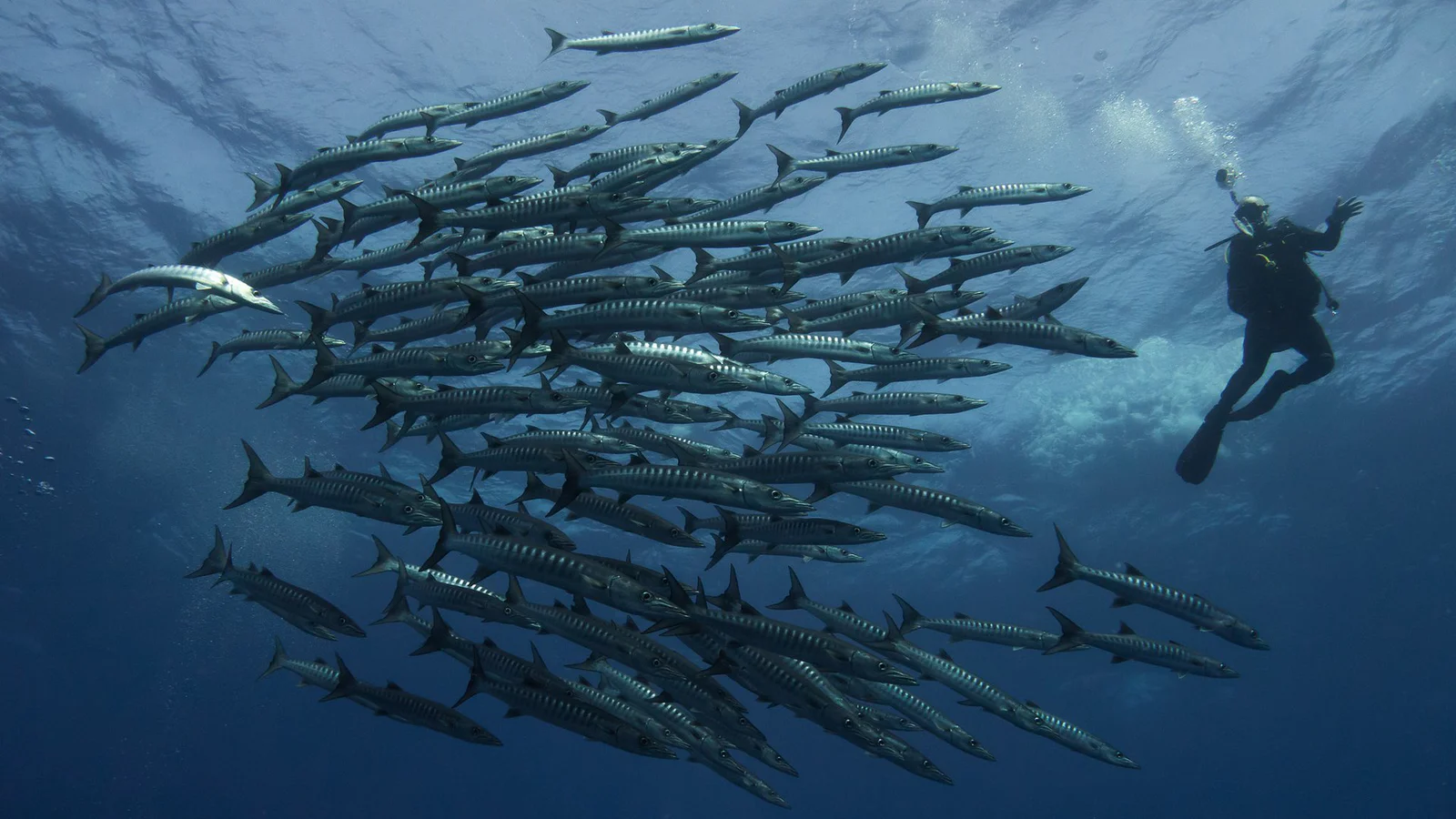
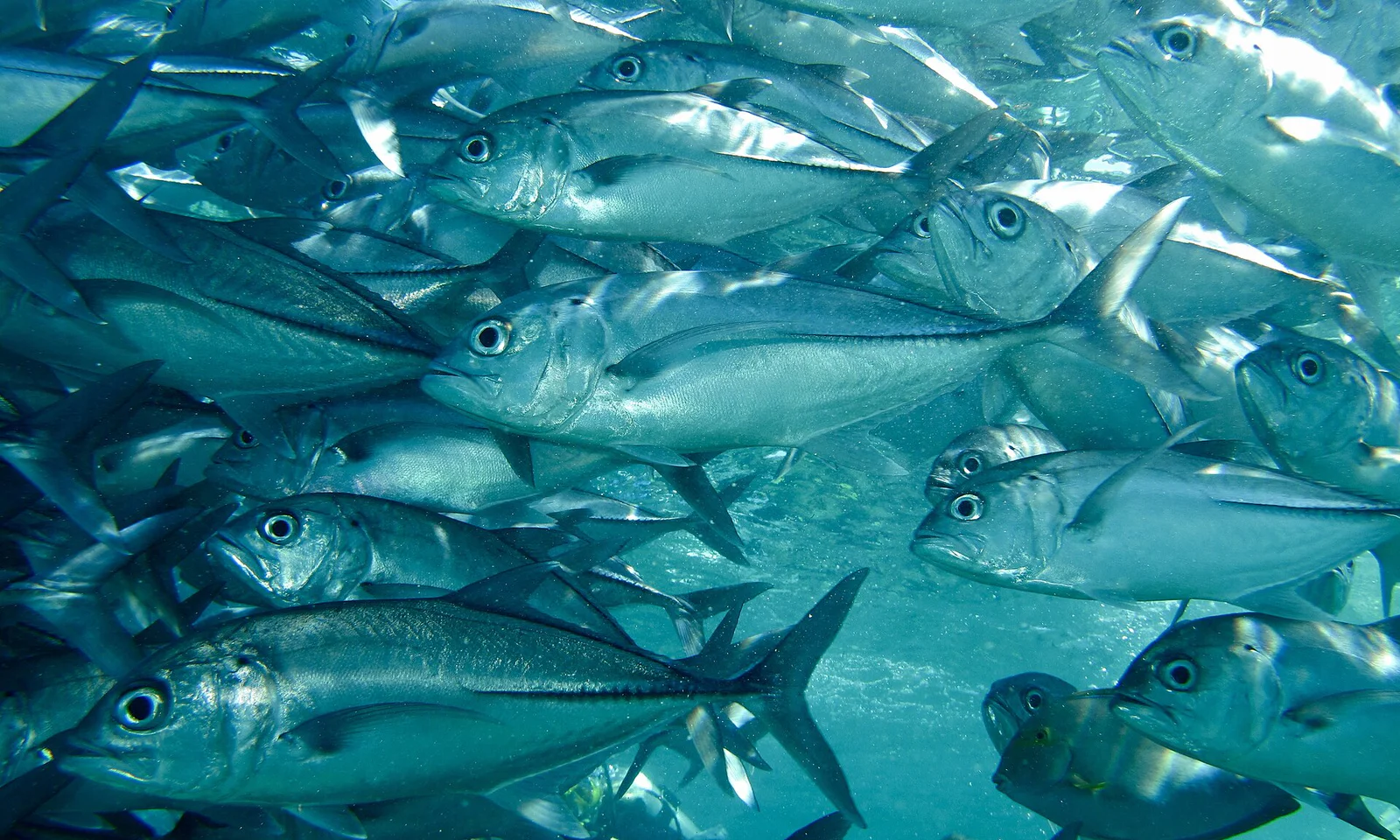
Keep your eyes peeled for an incredible array of marine inhabitants. In the blue, we often find schooling Chevron Barracuda (Sphyraena qenie), Bigeye Trevally (Caranx sexfasciatus), and Dogtooth Tuna (Gymnosarda unicolor) working the currents. Solitary Whitetip Reef Sharks (Triaenodon obesus) and the occasional graceful Spotted Eagle Ray (Aetobatus narinari) are also known to cruise past.
For those with a keen eye, the wall reveals fascinating macro life. We frequently spot various species of colorful Nudibranchs (Nudibranchia spp.), and divers can often find well-camouflaged frogfish hiding among the sponges. Ghost pipefish are also a rewarding find, often hovering near sea fans or feather stars. We may also encounter sea turtles and schools of jackfish and snapper along the reef.
Hazards and Recommendations
Due to the strong currents and significant depths, divers must be mindful of potential hazards such as depth and decompression obligation. We highly recommend excellent buoyancy control and experience with drift diving to fully enjoy this spectacular dive site safely. While the shallow plateau at the top of the reef (5 to 12 meters) can be suitable for less experienced divers, the main wall dive is best suited for those with advanced certification.
Advanced Open Water
Current Conditions
Typical current strength at this dive site
Strong
Powerful current. Advanced certification and drift dive experience required. Follow guide instructions.
Strength Scale
None
Mild
Moderate
Strong
Best Time to Visit
Monthly conditions and seasonal highlights — tap a month
SepGood
Shoulder season with generally good conditions. Some variability in weather and visibility.
BestGoodLess FavorablePeak
Marine Life
8 species recorded at this site
Abundant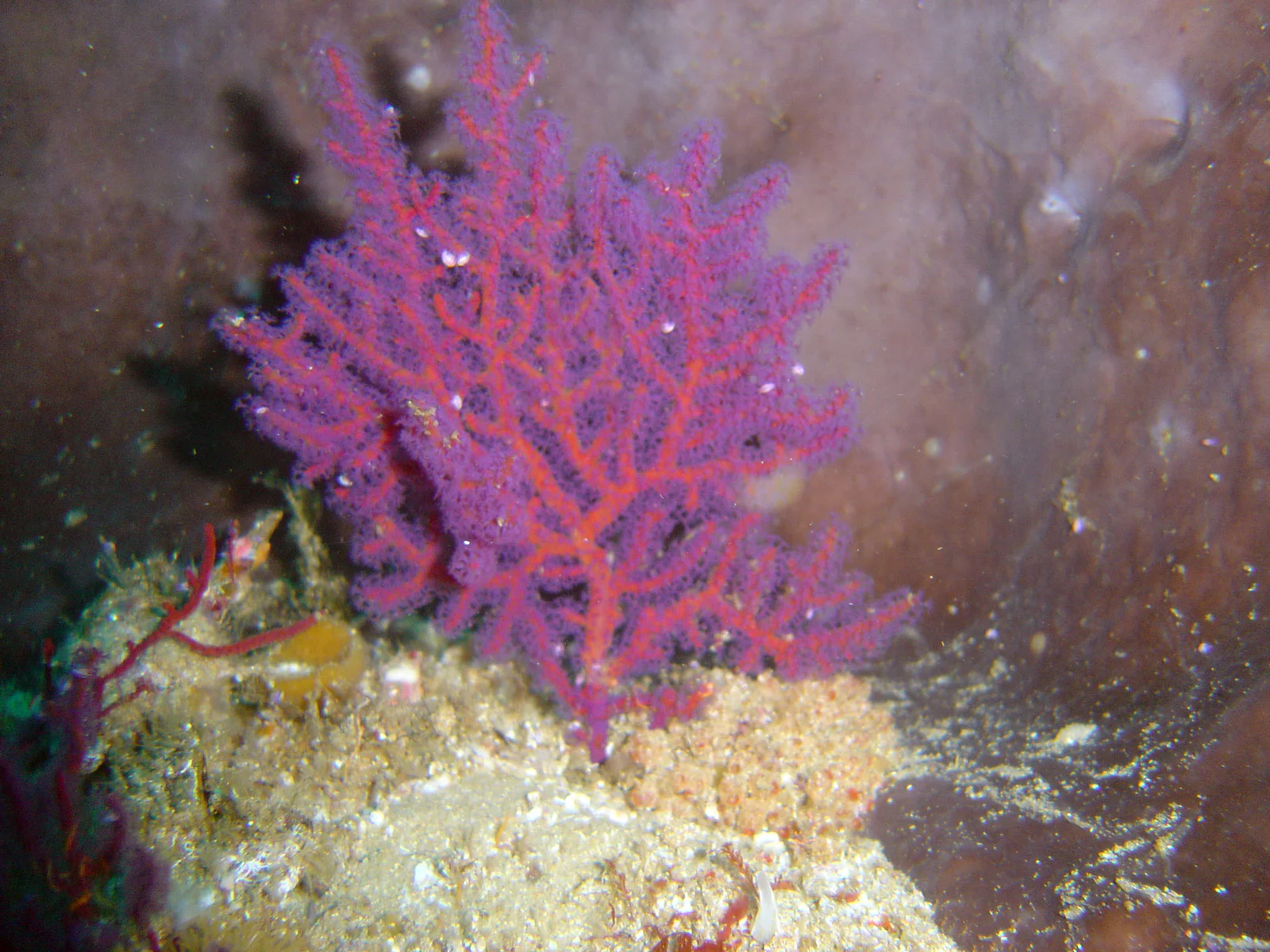
Gorgonian Sea Fan
Annella mollis
Site occurrence not yet documented
No dated observations available.
Common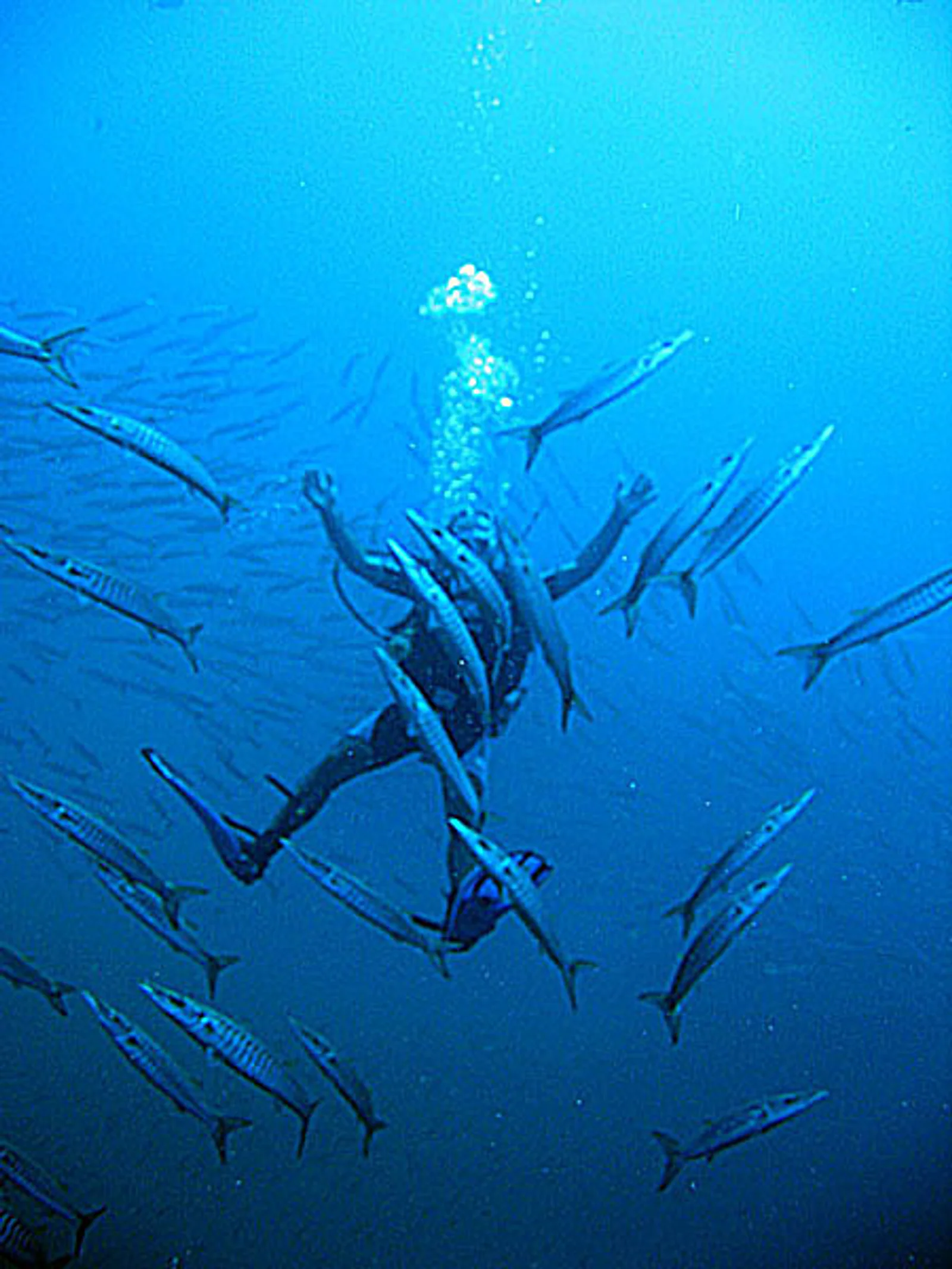
Chevron Barracuda
Sphyraena qenie
Nov, Dec, Jan, Feb, Mar, Apr, May
Site occurrence not yet documented
No dated observations available.
Common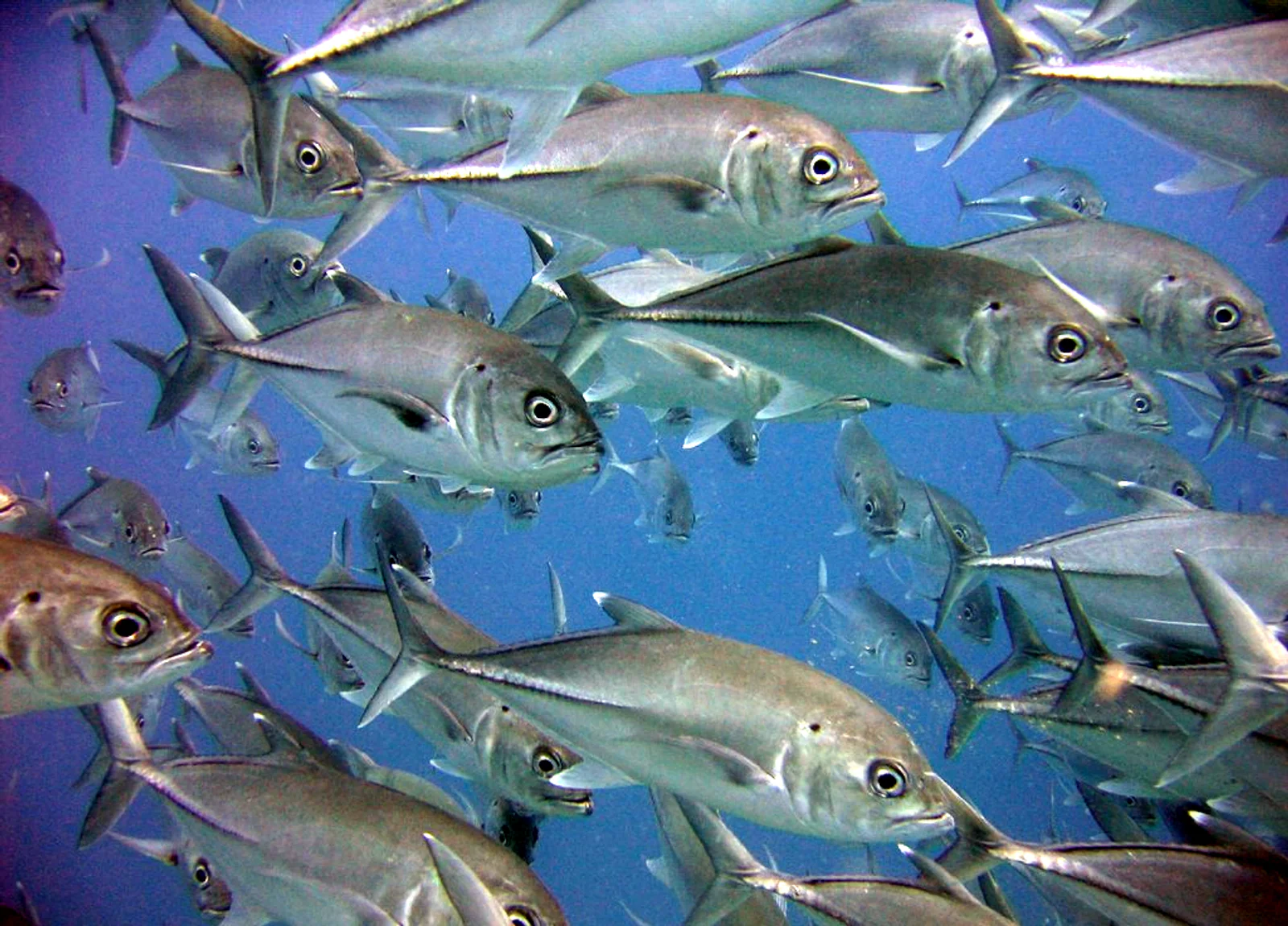
Bigeye Trevally
Caranx sexfasciatus
Nov, Dec, Jan, Feb, Mar, Apr, May
Site occurrence not yet documented
No dated observations available.
Occasional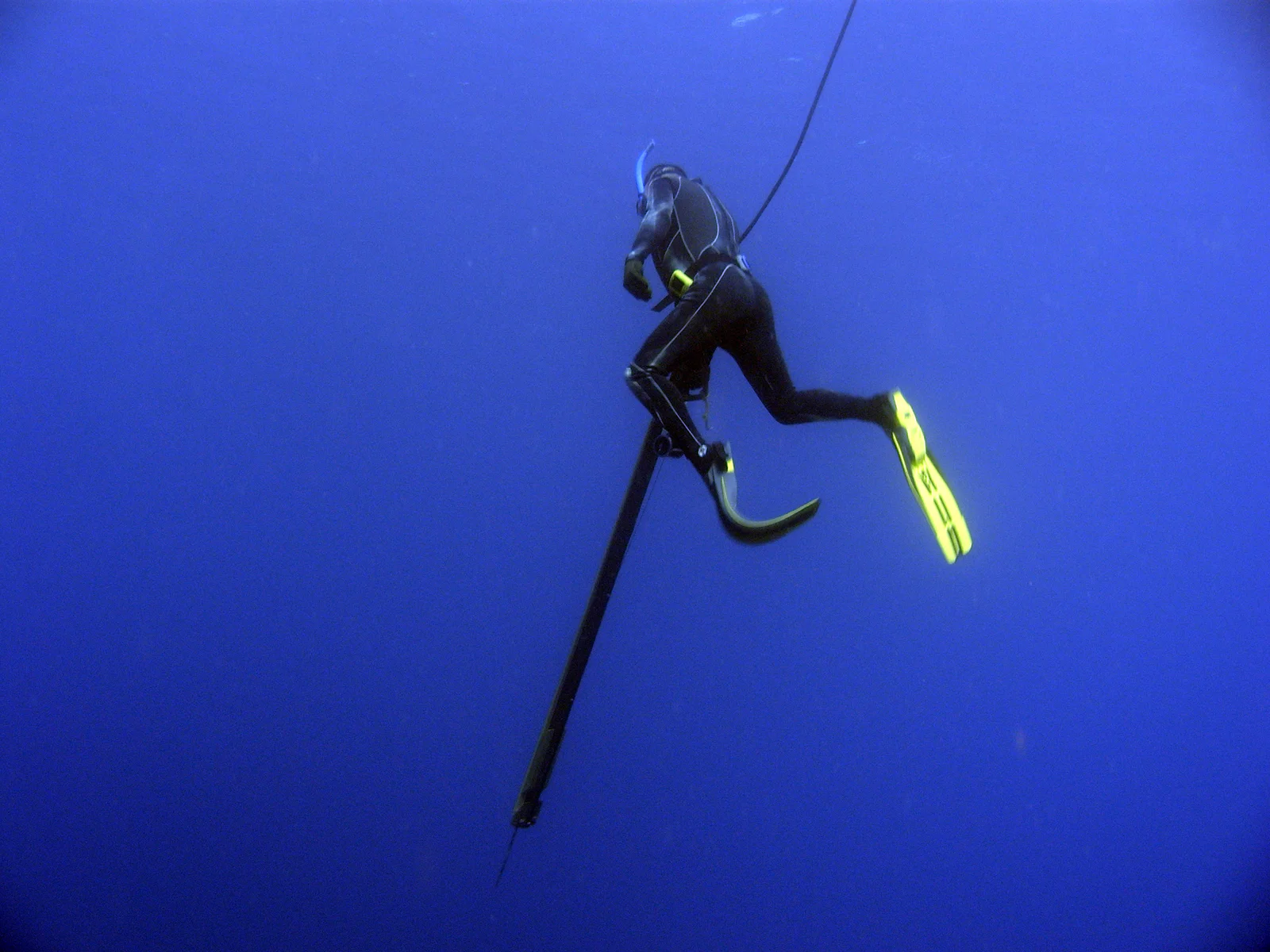
Dogtooth Tuna
Gymnosarda unicolor
Site occurrence not yet documented
No dated observations available.
Occasional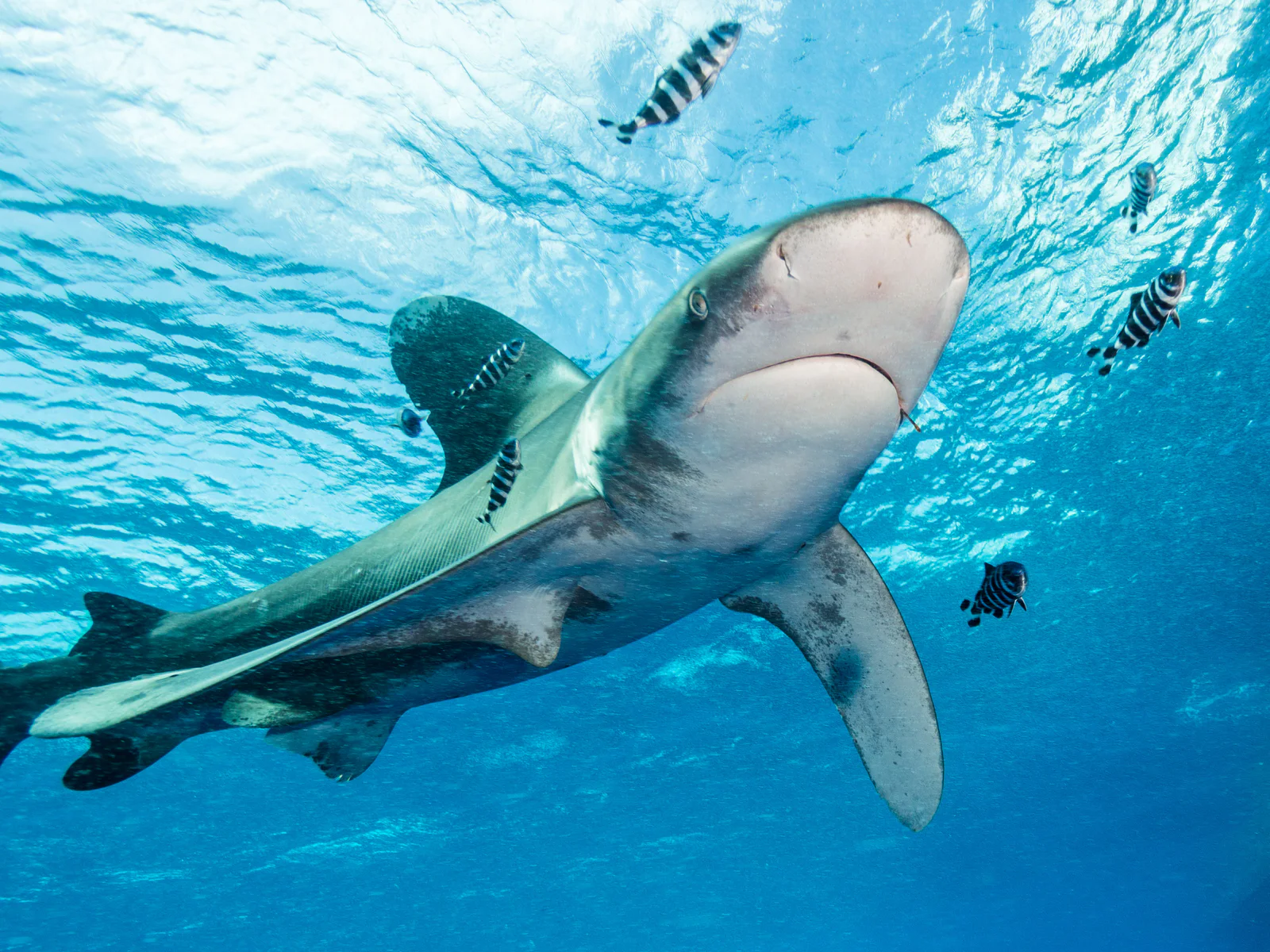
Whitetip Reef Shark
Triaenodon obesus
Site occurrence not yet documented
No dated observations available.
Rare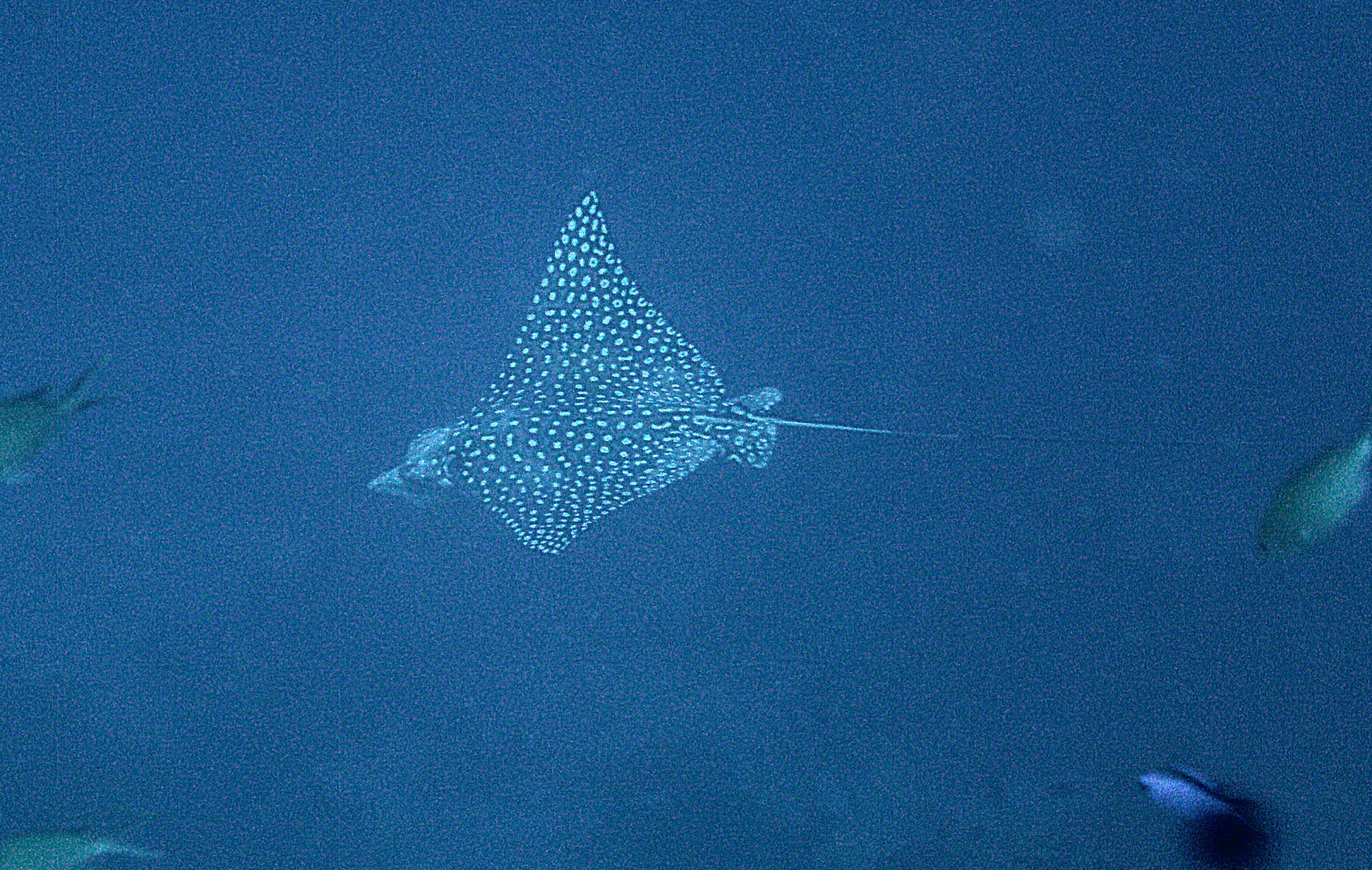
Spotted Eagle Ray
Aetobatus narinari
Nov, Dec, Jan, Feb, Mar, Apr, May
Site occurrence not yet documented
No dated observations available.
Common
Nudibranch (assorted)
Nudibranchia spp.
Site occurrence not yet documented
No dated observations available.
Common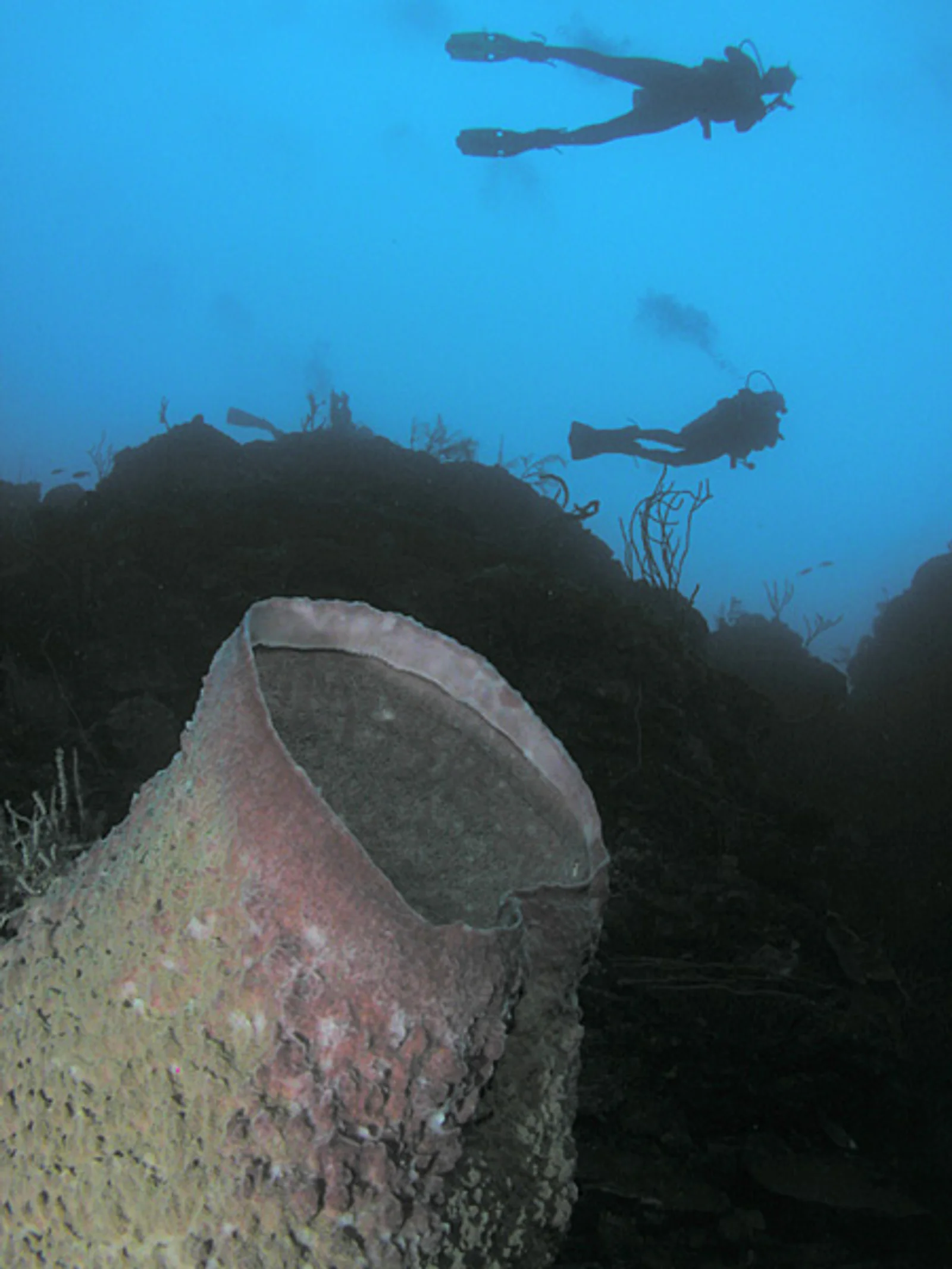
Barrel Sponge
Xestospongia testudinaria
Site occurrence not yet documented
No dated observations available.
Hazards & Safety
Be aware of these potential hazards at this dive site
Strong current
HighOpen Bohol Sea exposure; current can run strong to very strong on big tides — advanced buoyancy and drift skills required; abort dive if current exceeds comfort before descent
Depth
HighDouble wall drops past 50 m; the second tier is beyond recreational limits — plan max depth before entry and carry a computer
Decompression obligation
MediumNutrient-rich wall rewards slow exploration — divers linger and risk hitting deco stops; mandatory dive computer and conservative gas planning
Certification Required
A minimum of Advanced Open Water certification is required to dive this site.
360° Underwater View
Immersive panoramic view of this dive site
360° panorama coming soon
Immersive underwater views will be available when panoramic imagery is uploaded
Reviews
--
0 reviews
No reviews yet. Be the first to share your experience!
Related Dive Sites
Discover other dive sites in the area
Intermediate Beginner
 Beginner
 Advanced
 Advanced
 IntermediateIntermediateBeginnerBeginnerAdvancedAdvancedIntermediate
Depth Profile
Vertical range at this site
Minimum Depth
16 ft
Shallowest point
Average Depth
82 ft
Typical dive depth
Maximum Depth
164 ft
Deepest point
Nearby services
View all dive shops →Stay Updated
Get dive site updates and tips in your inbox.
Dived Doljo Point? Make it count.
Add it to your logbook, share your sightings, and help 0 divers plan their next descent.
Recent Community Activity
Was this helpful?