 Intermediate
Channel · Drift · Cave · Overhang · Swim-through · Drop-off · Wall
Fotteyo Kandu
Felidhoo (Vaavu East)
Advanced Open Water Certification RequiredBest Season: Dec – Apr
Difficulty
Advanced
Difficulty level
Depth
26 ft131 ft
Depth range
Access
Access not yet documented
Documented months
Dec
Apr
Visibility
49 ft131 ft
Typical visibility
Current
Strong
Good buoyancy control advised
Temperature
79°F86°F
Water temperature
Verification status unavailable Some details may be incomplete or outdated. Confirm current conditions locally, and suggest a correction if you know this site.
Know this dive site? Suggest a correctionAbout This Dive Site
Fotteyo Kandu: The Pinnacle of Maldivian Channel Diving
Prepare for an unparalleled underwater adventure at Fotteyo Kandu, widely celebrated as one of the most legendary dive sites in the Maldives and a true highlight of Vaavu Atoll. This dramatic channel dive site offers an adrenaline-pumping experience, renowned for its powerful currents that act as a natural highway for an incredible array of marine life. Divers consistently rank Fotteyo Kandu among the top dive sites globally, a testament to its vibrant ecosystem and thrilling drift diving opportunities.
Diving the Channel's Depths and Topography
Fotteyo Kandu is a North-facing channel, characterized by a unique topography that promises exploration at every turn. We typically begin our dive at the outer corner of the channel, often around 22 m. Divers will find a shallow plateau at 6-8 m, adorned with staghorn corals and bustling with anthias. From there, the reef narrows, leading us into a fascinating network of swim-throughs, small caves, and expansive overhangs.
The site's walls are a geological marvel, plunging dramatically from a shallow reef top into the deep blue. We can explore several notable caves, found at depths of 18 m, 24 m, and 30 m. The most famous of these is "The Cathedral," a spectacular 30-meter swim-through at 24 m, where sunlight often streams through natural skylights, creating breathtaking photographic opportunities. These overhead environments are richly decorated with soft corals in vibrant shades of yellow, pink, and green, alongside huge sea fans, creating what divers affectionately call "the fireworks."
Encounters with Pelagics and Reef Residents
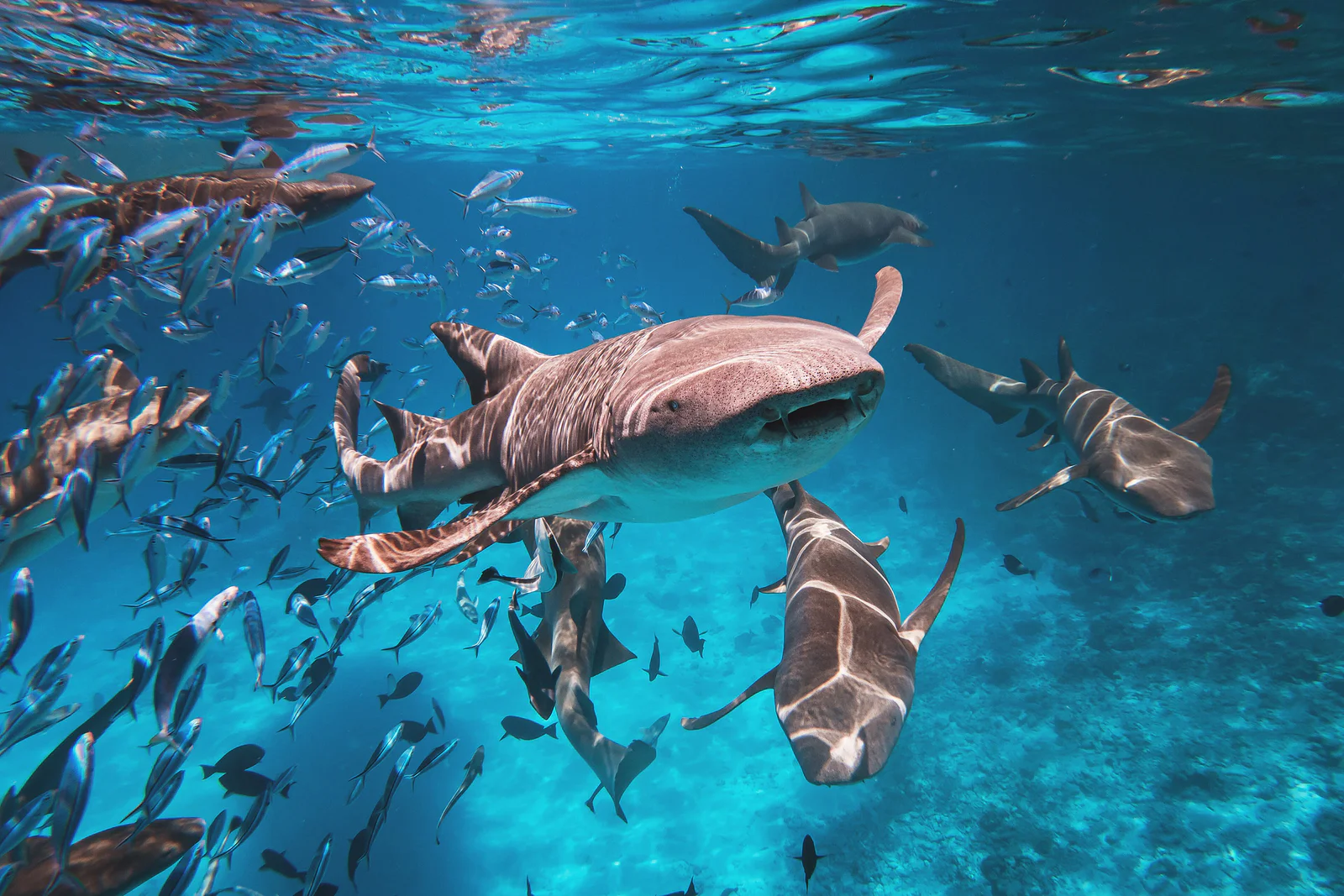
Fotteyo Kandu is a marine protected area, ensuring a dense and unafraid fish population. The strong incoming currents are a magnet for large pelagic species, making every dive an opportunity for incredible encounters. We often find impressive numbers of Grey Reef Sharks patrolling the channel mouth, sometimes in schools of 20-50 individuals. Keep an eye out for Whitetip Reef Sharks along the reef and the elusive Scalloped Hammerhead Shark, which can occasionally be spotted in the early mornings.
Beyond the sharks, divers can encounter schools of powerful Giant Trevally, often seen in spectacular feeding frenzies, and massive formations of Chevron Barracuda. We also frequently spot Dogtooth Tuna, squadrons of graceful Spotted Eagle Rays gliding over the sand, and the majestic Reef Manta Ray. Look for the distinctive Humphead Wrasse (Napoleon), often seen guarding the channel. Hawksbill Turtles are common, sometimes found wedged into crevices along the reef. Deeper within the caves, we might even find nurse sharks and moray eels.
Conditions, Challenges, and Certification
Fotteyo Kandu is classified as an advanced dive site, primarily due to its consistently strong current, which can exceed 3 knots. This makes it a thrilling drift dive, but also demands excellent buoyancy control and drift diving skills. Divers must be prepared for potential overhead environments within the caves and swim-throughs, as well as the inherent risks associated with depth and potential decompression obligation. We also need to be mindful of boat traffic, especially during ascents.
For these reasons, an Advanced Open Water certification is the minimum requirement to dive Fotteyo Kandu. Most operators prefer divers with 50+ logged dives and recent experience in strong currents. We strongly recommend carrying a reef hook and a surface marker buoy (SMB) for safety and efficient surface pickup.
The water temperature at Fotteyo Kandu typically ranges from a comfortable 26°C to 30°C year-round. Visibility is generally excellent, often between 15 m and 40 m, with the best conditions experienced during the northeast monsoon from December to April. While diveable year-round, the southwest monsoon (May-November) can bring even stronger, more dynamic currents, offering a challenging yet rewarding experience for seasoned divers.
Advanced Open Water
Current Conditions
Typical current strength at this dive site
Strong
Powerful current. Advanced certification and drift dive experience required. Follow guide instructions.
Strength Scale
None
Mild
Moderate
Strong
Best Time to Visit
Monthly conditions and seasonal highlights — tap a month
OctGood
Shoulder season with generally good conditions. Some variability in weather and visibility. Notable sightings: Reef Manta Ray.
BestGoodLess FavorablePeak
Marine Life
10 species recorded at this site
Rare · Unverified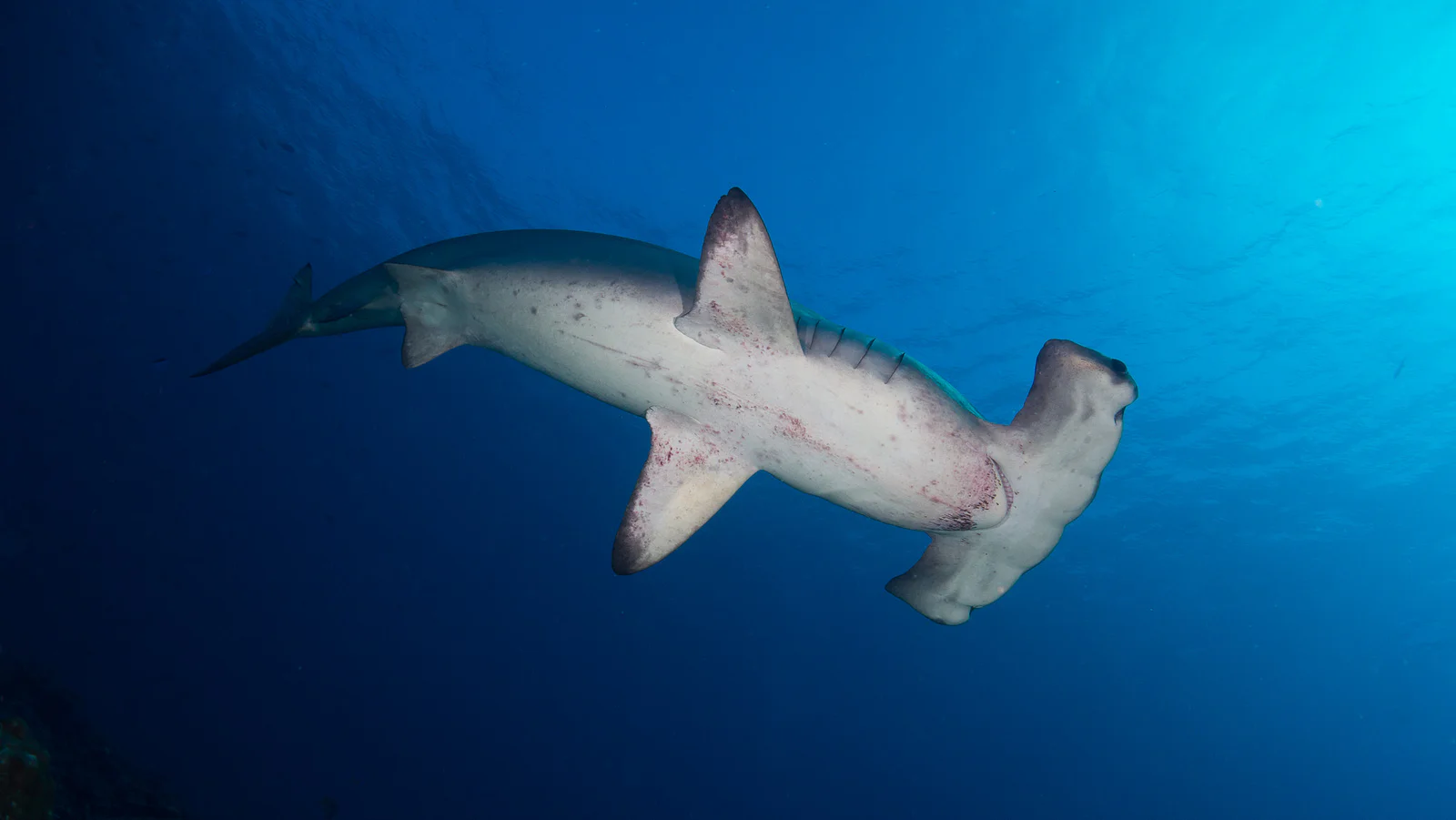
Scalloped Hammerhead Shark
Sphyrna lewini
Site occurrence not yet documented
No dated observations available.
Abundant · Unverified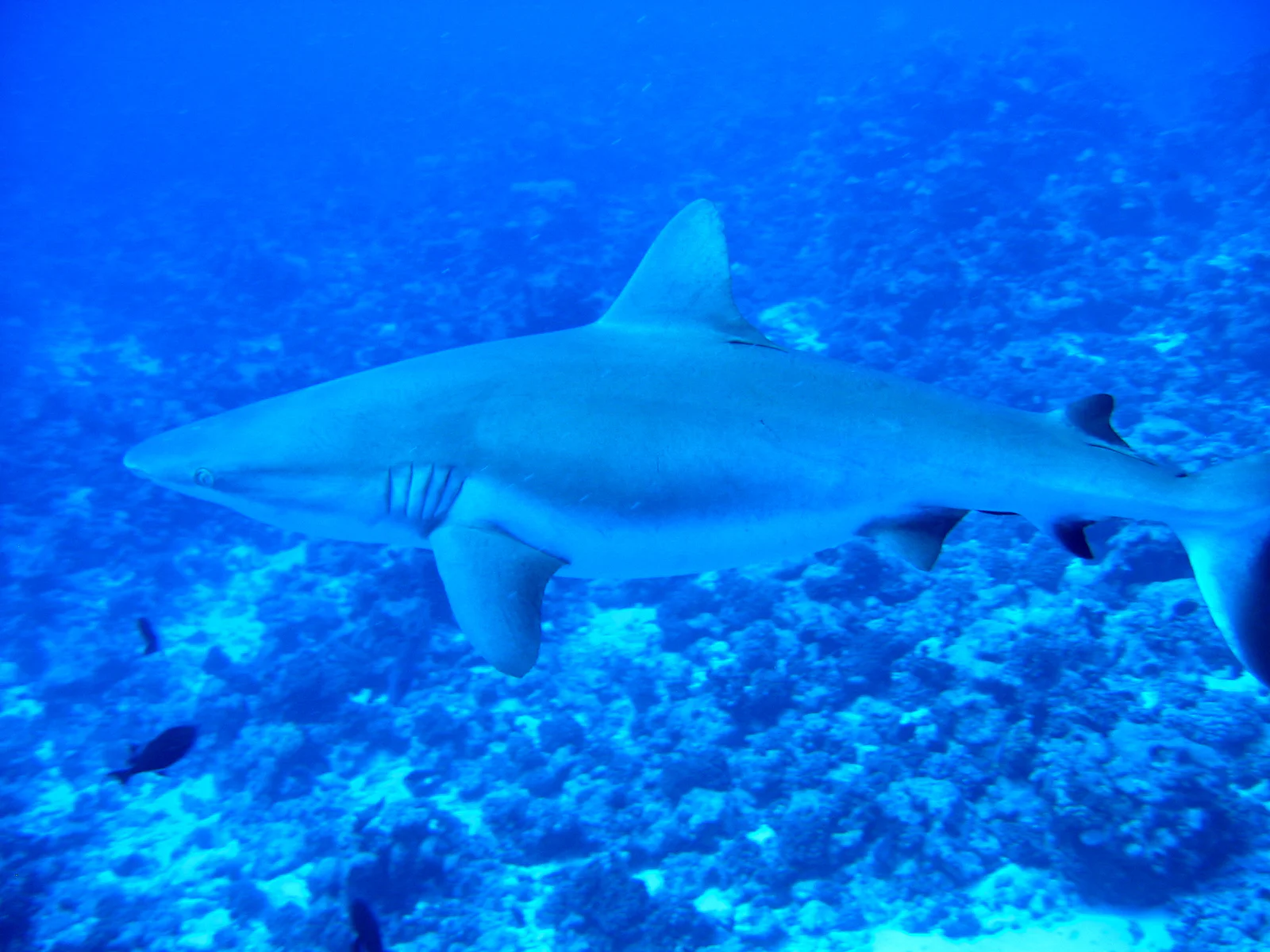
Grey Reef Shark
Carcharhinus amblyrhynchos
Dec, Jan, Feb, Mar, Apr · Unverified
Site occurrence not yet documented
No dated observations available.
Common · Unverified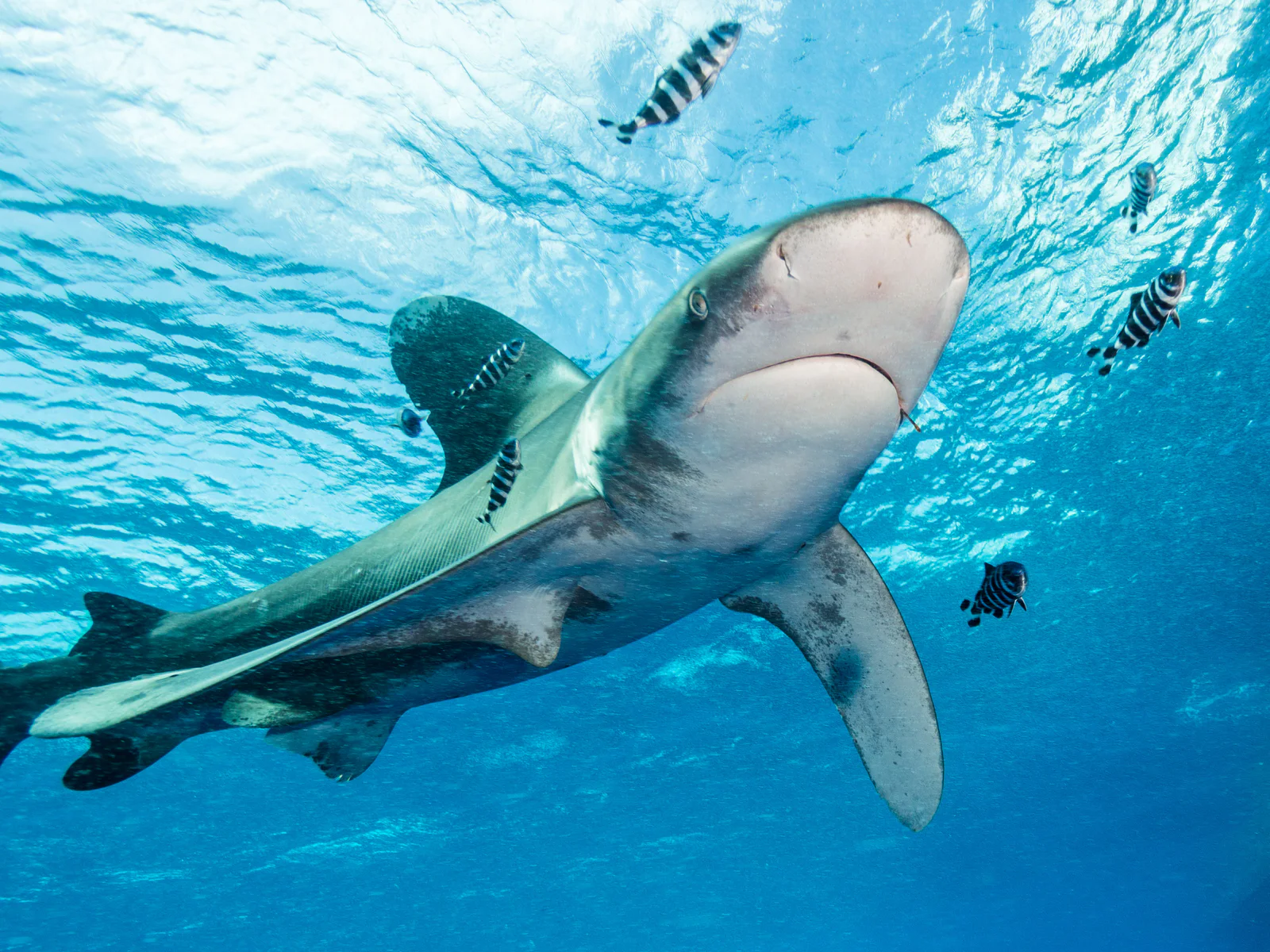
Whitetip Reef Shark
Triaenodon obesus
Site occurrence not yet documented
No dated observations available.
Occasional · Unverified
Reef Manta Ray
Mobula alfredi
May, Jun, Jul, Aug, Sep, Oct, Nov · Unverified
Site occurrence not yet documented
No dated observations available.
Occasional · Unverified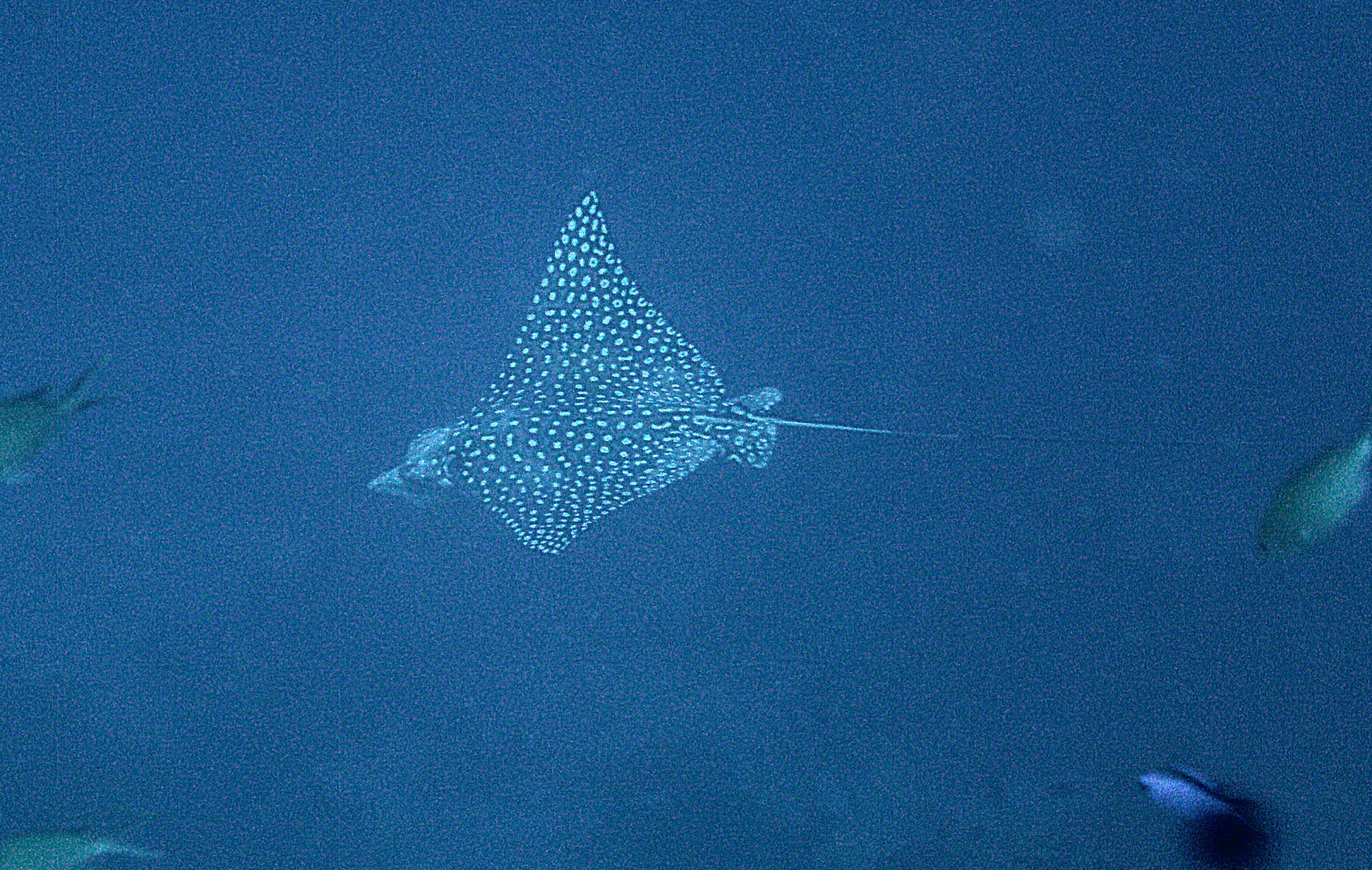
Spotted Eagle Ray
Aetobatus narinari
Site occurrence not yet documented
No dated observations available.
Occasional · Unverified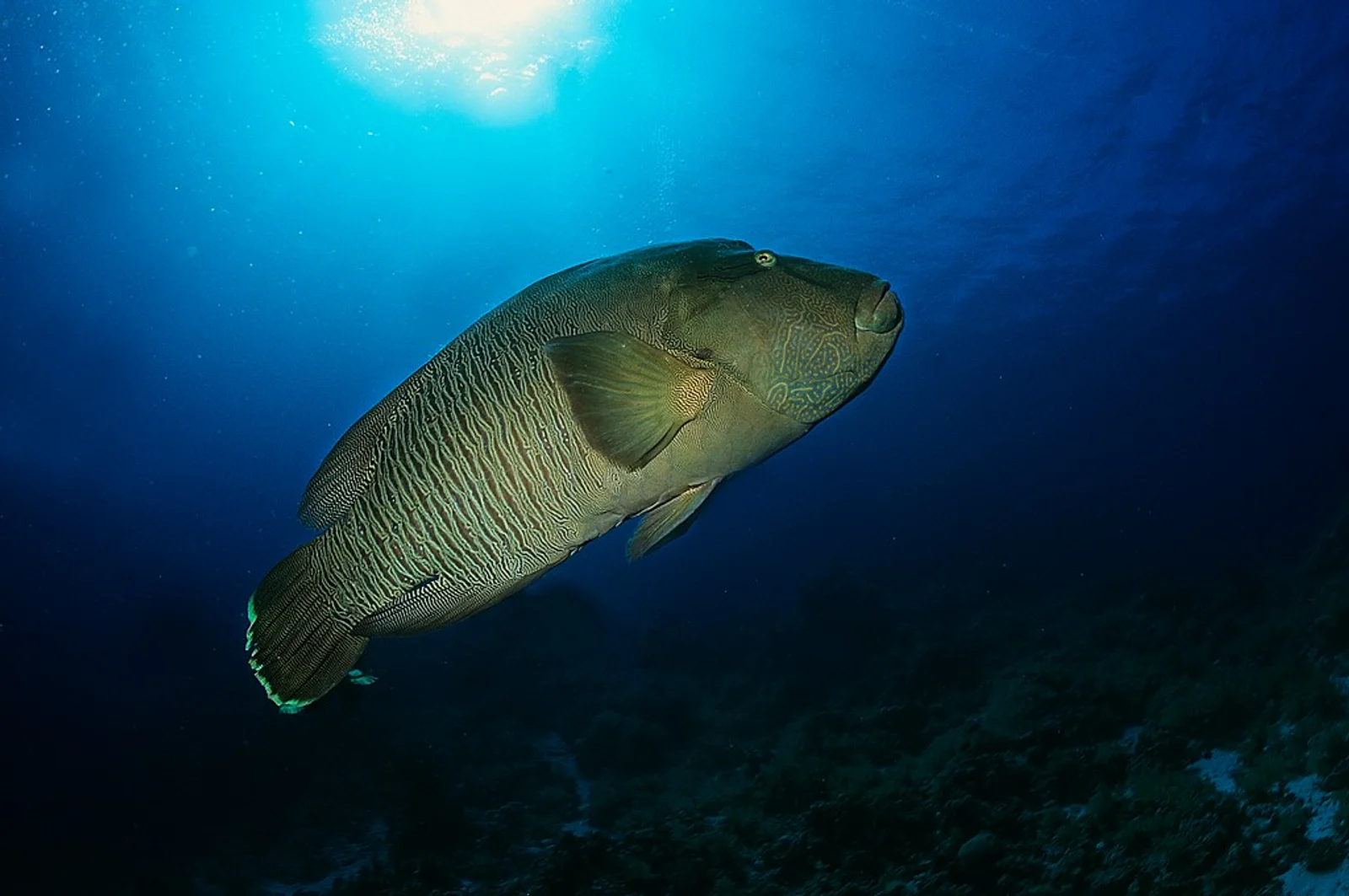
Humphead Wrasse (Napoleon)
Cheilinus undulatus
Site occurrence not yet documented
No dated observations available.
Occasional · Unverified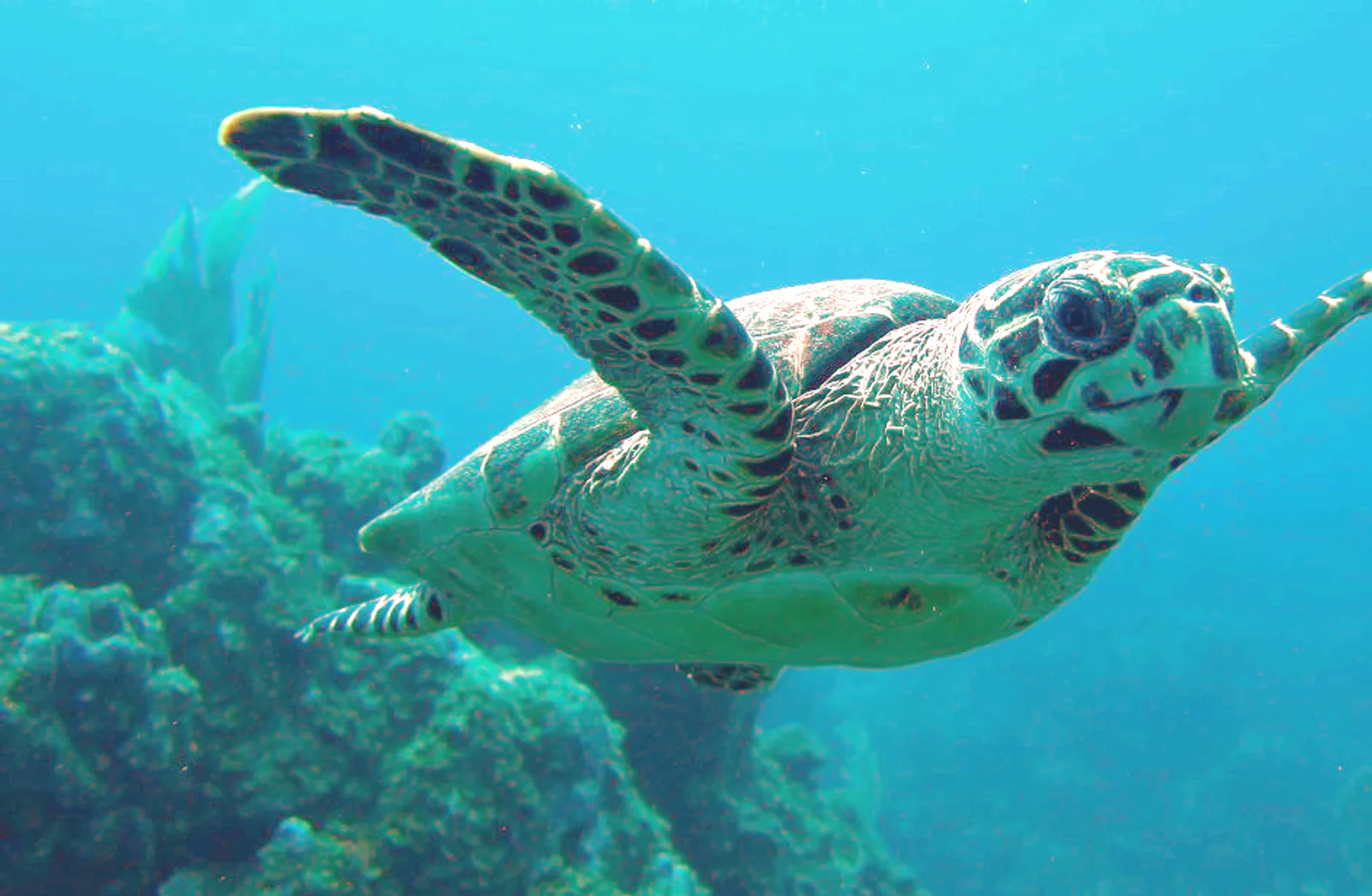
Hawksbill Turtle
Eretmochelys imbricata
Site occurrence not yet documented
No dated observations available.
Common · Unverified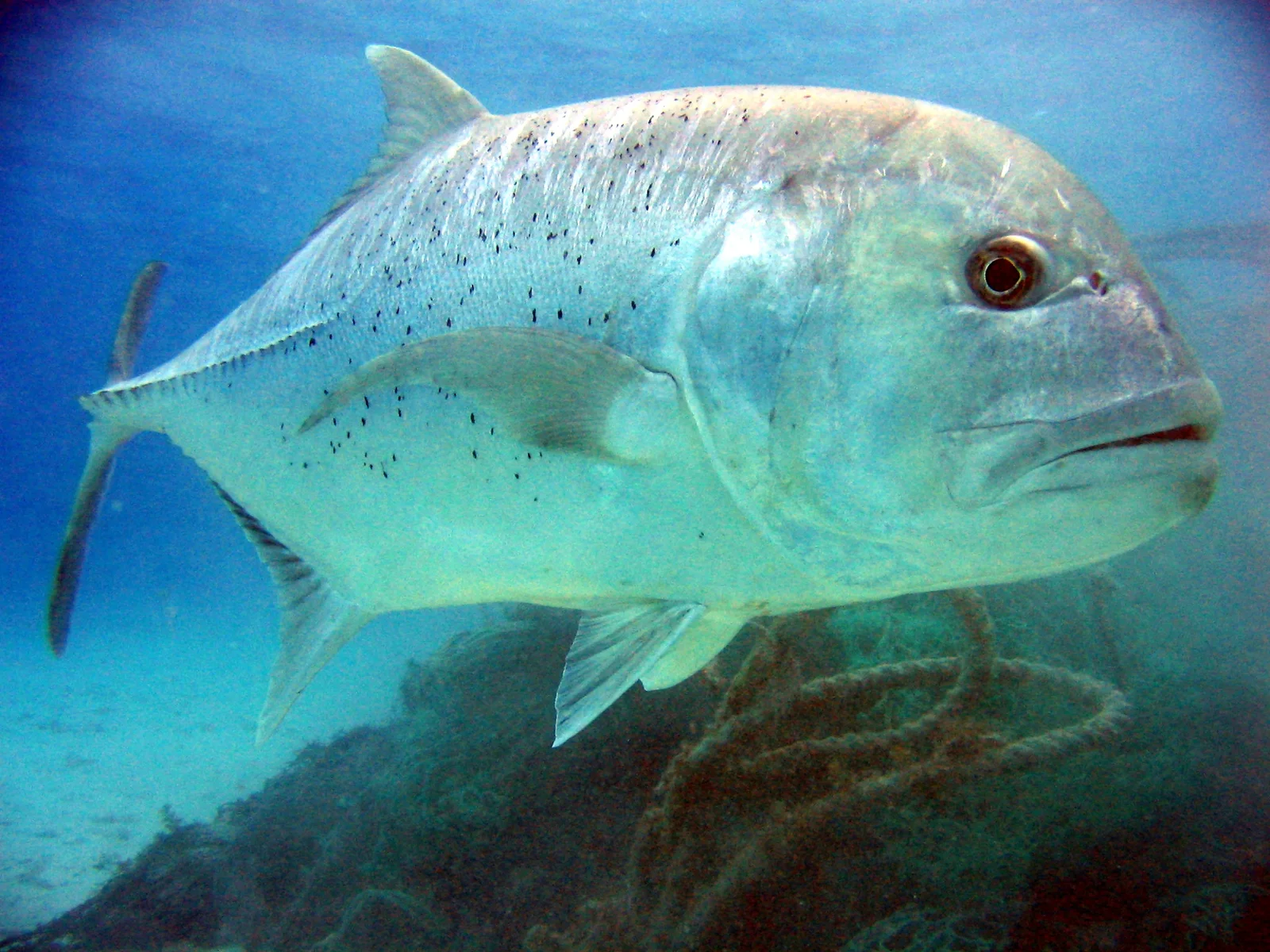
Giant Trevally
Caranx ignobilis
Site occurrence not yet documented
No dated observations available.
Occasional · Unverified
Dogtooth Tuna
Gymnosarda unicolor
Site occurrence not yet documented
No dated observations available.
Common · Unverified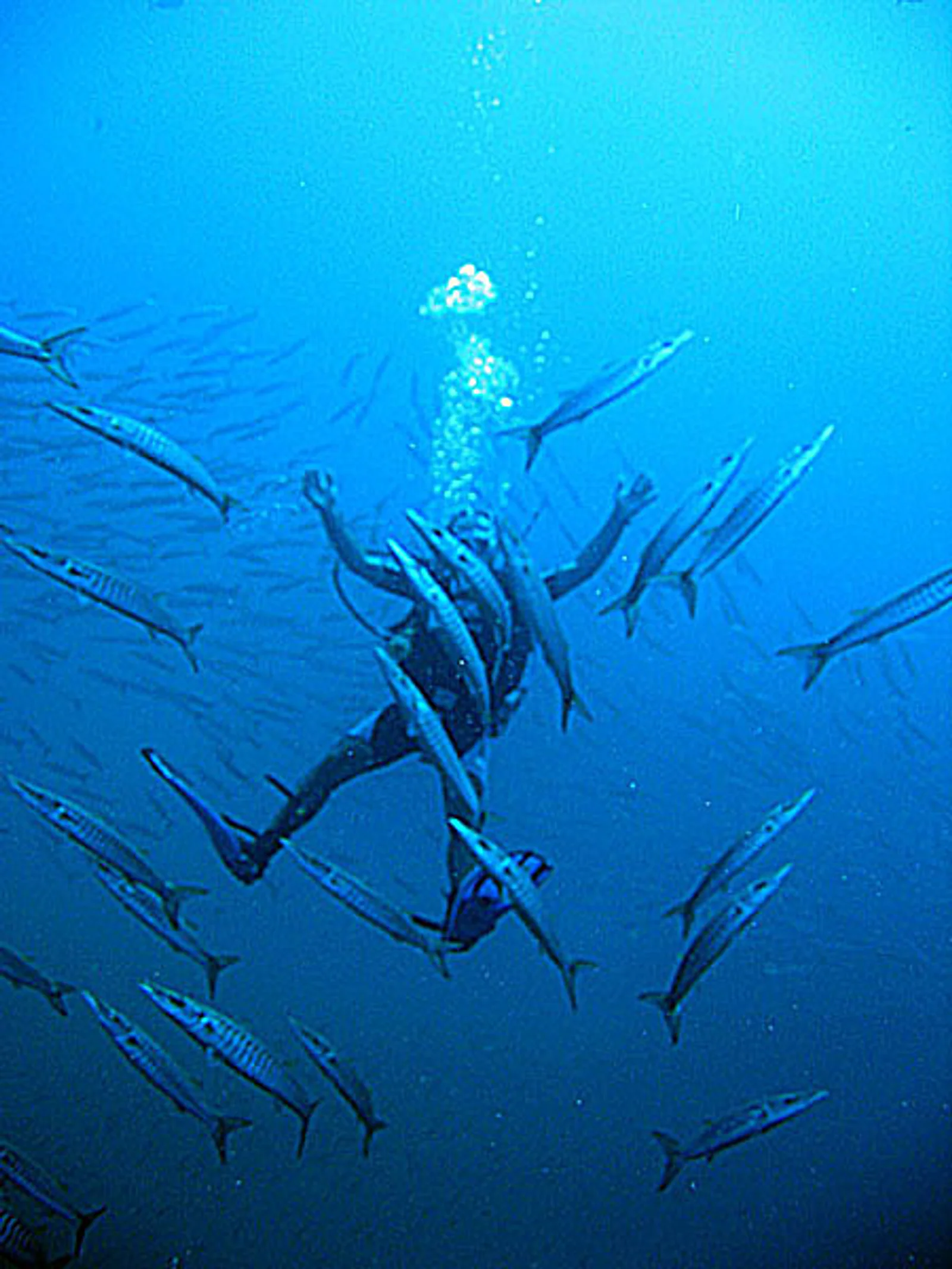
Chevron Barracuda
Sphyraena qenie
Site occurrence not yet documented
No dated observations available.
Hazards & Safety
Be aware of these potential hazards at this dive site
Strong current
Severity: HighCommonly 2-3+ kn, can exceed 3, with occasional down-currents
Current
Severity: HighDeceptively gentle at slack, then ripping
Overhead environment
Severity: HighCaves and large overhangs; a documented multi-fatality cave incident occurred in Vaavu, reinforcing overhead risk
Depth
Severity: MediumChannel/"deep blue" sections to 40 m+, caves deeper
Decompression obligation
Severity: MediumDepth plus overhead push no-stop limits
Boat traffic
Severity: MediumExposed channel mouth, drifting SMB exit
Certification Required
A minimum of Advanced Open Water certification is required to dive this site.
Sources
Sources not yet documented
Source references have not yet been added to this guide. Details may be incomplete or inaccurate; confirm conditions with a local dive operator.
Know this dive site? Suggest a correction360° Underwater View
Immersive panoramic view of this dive site
360° panorama coming soon
Immersive underwater views will be available when panoramic imagery is uploaded
Reviews
--
0 reviews
No reviews yet. Be the first to share your experience!
Related Dive Sites
Discover other dive sites in the area
IntermediateIntermediateDepth Profile
Vertical range at this site
Minimum Depth
26 ft
Shallowest point
Average Depth
98 ft
Typical dive depth
Maximum Depth
131 ft
Deepest point
Stay Updated
Get dive site updates and tips in your inbox.
Dived Fotteyo Kandu? Make it count.
Add it to your logbook, share your sightings, and help 0 divers plan their next descent.
Recent Community Activity
Was this helpful?