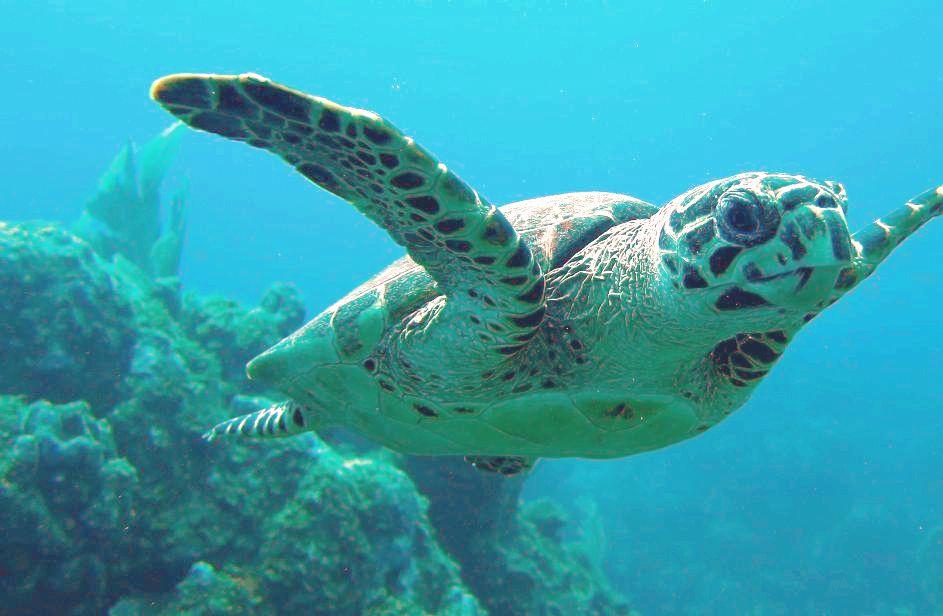
Hawksbill Turtle
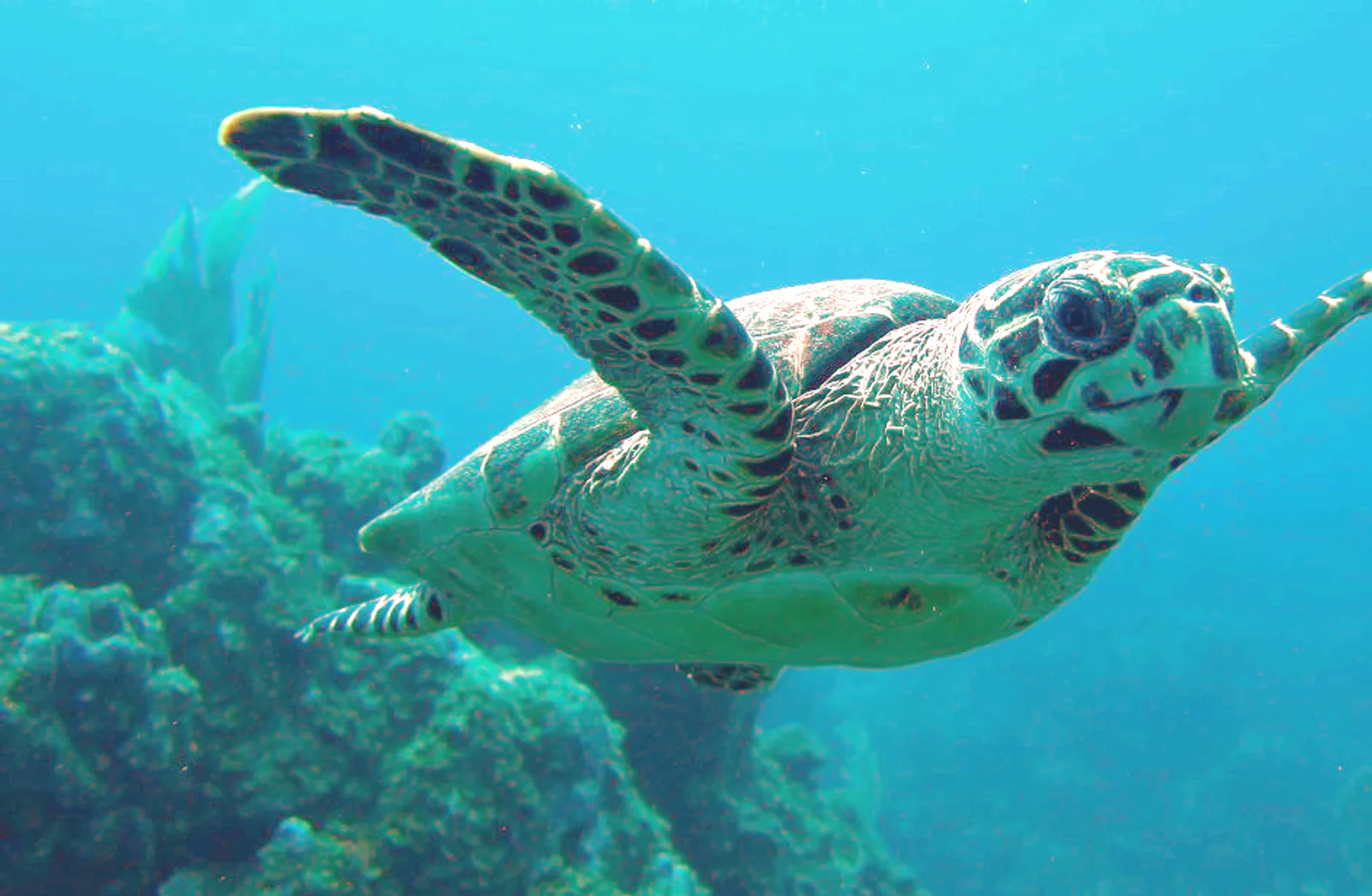
Eretmochelys imbricata
Hawksbill Turtleについて。
タイマイ (Eretmochelys imbricata) は、大西洋、太平洋、インド洋の温暖な熱帯および亜熱帯海域、通常は北緯30度から南緯30度の間に主に生息する高度に回遊性の種です。
この種は、そのライフサイクルを通じてさまざまな生息地を利用します。
- 初期のライフステージ: 孵化後の幼体は外洋で最初の数年間を過ごす遠洋性です。彼らはしばしば浮遊する藻類マットや漂流物の列に避難場所を求め、海流に乗って漂流します。
- 幼体および成体の生息地: 成熟するにつれて(長さ約20-25 cm)、タイマイは沿岸の採餌域に移動します。彼らは最も一般的に健全なサンゴ礁、岩場、および浅い沿岸域と関連しています。その他の重要な生息地には、ラグーン、河口、マングローブ湿地が含まれ、特に東太平洋では、大規模な個体群がマングローブの河口で採餌し、営巣します。彼らはまた、浅瀬、海草藻場、および海洋島周辺でも見られます。
タイマイは一般的に浅い水域で観察され、成体が20メートルを超える深さで採餌することはめったにありません。しかし、彼らは最大200メートルの深さまで潜ることができますが、彼らの日常活動のほとんどは2〜20メートルの浅い潜水を含みます。日中、彼らはしばしばサンゴ礁内の洞窟や岩棚の下で休んでいるのが見られ、夜な夜な同じ休息場所に戻ることがよくあります。
彼らの特徴的な細い頭とタカのような嘴は、サンゴ礁の隙間から主要な食料源である海綿動物を抽出するのに完全に適応しています。この特殊な食性は、サンゴ礁生態系の健全性にとって極めて重要です。彼らの採餌は、海綿動物が硬質サンゴと空間を奪い合うのを防ぎ、それによってサンゴ礁の生物多様性を促進するのに役立ちます。カリブ海では主に海綿食性ですが、インド太平洋の個体群は、他の無脊椎動物、藻類、さらにはマングローブの芽を含むより多様な食性を示します。
タイマイが一般的に観察される注目すべきダイビングサイトには、USAT Liberty Wreck、Batu Bolong、Tatawa Besar、Mawan、Siaba Besar、Pink Beach、Sombrero Island、Sardine Run Moalboalなどがあり、インド太平洋地域全体に広く生息していることを示しています。
生息地。
タイマイは熱帯および亜熱帯海域の真の生息者であり、大西洋、太平洋、インド洋にわたる環熱帯分布を誇っています。彼らはすべてのウミガメ種の中で最も熱帯性であると言え、主に沿岸の生息地を頻繁に訪れます。これには、活気あるサンゴ礁、岩場、広大なラグーン、浅い沿岸域など、さまざまな環境が含まれます。また、特に幼体期および成体期には、マングローブに縁取られた湾や河口でも見られます。
孵化後の幼体は、しばしば浮遊するサルガッスムマットの中に避難場所を求めながら、初期の数年間を外洋で過ごすかもしれませんが、幼体は通常、長さが約20〜25 cmに達すると、サンゴ礁を含む沿岸の採餌場に移動します。成体は一般的に、比較的浅い水域で生活のほとんどを過ごし、20メートル(65フィート)以下の深さを好み、より深い水域で観察されることはめったにありません。彼らの敏捷性と小さな体格は、複雑なフリンジリーフを航行することを可能にし、より大きなウミガメ種にはアクセスできない可能性のある食料源と避難場所へのアクセスを提供します。
行動について。
タイマイは主に雑食性ですが、多くの地域でその食性が主に海綿動物で構成されているため、専門的な捕食者として知られています。彼らの独特で細く鋭い嘴は、サンゴ礁の隙間から海綿動物を抽出するのに完全に適応しています。驚くべきことに、タイマイは多くの海綿動物に含まれる有毒化合物に対する自然な耐性を持っており、他の海洋動物には致命的となる種を摂取することができます。海綿動物以外にも、彼らの日和見的な食性には、海藻、サンゴ、軟体動物、ホヤ、甲殻類、ウニ、小魚、クラゲも含まれることがあります。幼体は、生息地に応じて、サルガッスム海藻やこれらの浮遊マットの中に見られる小さな無脊椎動物も摂取することがあります。
これらのウミガメは、採餌場と営巣地の間で長距離移動を行うことで知られています。回遊性であるにもかかわらず、適切な採餌場が確立されると、タイマイは場所への忠実性を示す傾向があり、競争の増加や食料の利用可能性の低下に直面しない限り、その場所に忠実であり続けます。彼らは一般的に単独行動の動物と考えられていますが、新たな研究では、以前考えられていたよりも複雑な社会的相互作用、例えば共有された採餌場での非攻撃的な追跡や嘴を触れ合うなどの身体的接触を行う可能性があることが示唆されています。多くの個体で観察される興味深い特徴は、夜な夜な同じサンゴや岩棚に戻って休息したり眠ったりする習慣です。
ダイバーにとって、タイマイはしばしば動きが遅く好奇心旺盛であると表現され、記憶に残る出会いをもたらします。彼らは通常、適切な距離を保ち、突然の動きを避け、ウミガメの進路、特に呼吸のために水面に向かう経路を決して妨げない、穏やかで敬意を払うダイバーによく反応します。これらの絶滅危惧種がストレスや逃避なしに自然に行動するのを観察することは、責任あるダイビングの実践の証です。メスは通常2〜3年ごとに営巣し、シーズンごとに複数のクラッチ(3〜5個以上)を産み、各巣には平均100〜180個の卵が含まれます。彼らはしばしば、小さく孤立した島々や時には本土の海岸を含む、人里離れた低エネルギーのビーチのビーチ植生に営巣することを好みます。
見られる場所。
philippinesの記録 · ダイブサイト26件
一般的な分布域は、特定のダイブサイトでの出現を示す証拠ではありません。
Apo Island Marine Sanctuary
Apo Island
このサイトでの出現はまだ記録されていません
シーズンはまだ記録されていません
日付のある観察記録はありません。
Balicasag Sanctuary (Rico's Wall)
Panglao
このサイトでの出現はまだ記録されていません
サイトで記録された季節性: Nov, Dec, Jan, Feb, Mar, Apr, May
日付のある観察記録はありません。
Black Forest (Balicasag Island)
Panglao
このサイトでの出現はまだ記録されていません
シーズンはまだ記録されていません
日付のある観察記録はありません。
Cabilao Shark Point (Lighthouse)
Cabilao Island
このサイトでの出現はまだ記録されていません
シーズンはまだ記録されていません
日付のある観察記録はありません。
Cathedral
Panglao
このサイトでの出現はまだ記録されていません
サイトで記録された季節性: Nov, Dec, Jan, Feb, Mar, Apr, May
日付のある観察記録はありません。
Diver's Heaven
Panglao
このサイトでの出現はまだ記録されていません
サイトで記録された季節性: Nov, Dec, Jan, Feb, Mar, Apr, May
日付のある観察記録はありません。
Entalula Wall
El Nido
このサイトでの出現はまだ記録されていません
シーズンはまだ記録されていません
日付のある観察記録はありません。
Ernie's Point
Puerto Galera
このサイトでの出現はまだ記録されていません
シーズンはまだ記録されていません
日付のある観察記録はありません。
Japanese Wreck
Puerto Galera
このサイトでの出現はまだ記録されていません
シーズンはまだ記録されていません
日付のある観察記録はありません。
Kogyo Maru
Coron
このサイトでの出現はまだ記録されていません
シーズンはまだ記録されていません
日付のある観察記録はありません。
La Laguna Point
Puerto Galera
このサイトでの出現はまだ記録されていません
シーズンはまだ記録されていません
日付のある観察記録はありません。
Ligpo Island
Anilao
このサイトでの出現はまだ記録されていません
シーズンはまだ記録されていません
日付のある観察記録はありません。
Mainit Bubbles
Anilao
このサイトでの出現はまだ記録されていません
シーズンはまだ記録されていません
日付のある観察記録はありません。
Monkey Wreck
Puerto Galera
このサイトでの出現はまだ記録されていません
シーズンはまだ記録されていません
日付のある観察記録はありません。
Nat-Nat
El Nido
このサイトでの出現はまだ記録されていません
シーズンはまだ記録されていません
日付のある観察記録はありません。
Pamilacan Sanctuary
Pamilacan Island
このサイトでの出現はまだ記録されていません
サイトで記録された季節性: Jan, Feb, Mar, Apr, May, Jun, Jul, Aug, Sep, Oct, Nov, Dec
日付のある観察記録はありません。
Pescador Island (The Cathedral)
Moalboal
このサイトでの出現はまだ記録されていません
シーズンはまだ記録されていません
日付のある観察記録はありません。
Royal Garden
Panglao
このサイトでの出現はまだ記録されていません
サイトで記録された季節性: Nov, Dec, Jan, Feb, Mar, Apr, May
日付のある観察記録はありません。
Rudy's Rock
Panglao
このサイトでの出現はまだ記録されていません
サイトで記録された季節性: Nov, Dec, Jan, Feb, Mar, Apr, May
日付のある観察記録はありません。
Sardine Run
Moalboal
このサイトでの出現はまだ記録されていません
シーズンはまだ記録されていません
日付のある観察記録はありません。
ギャラリー。