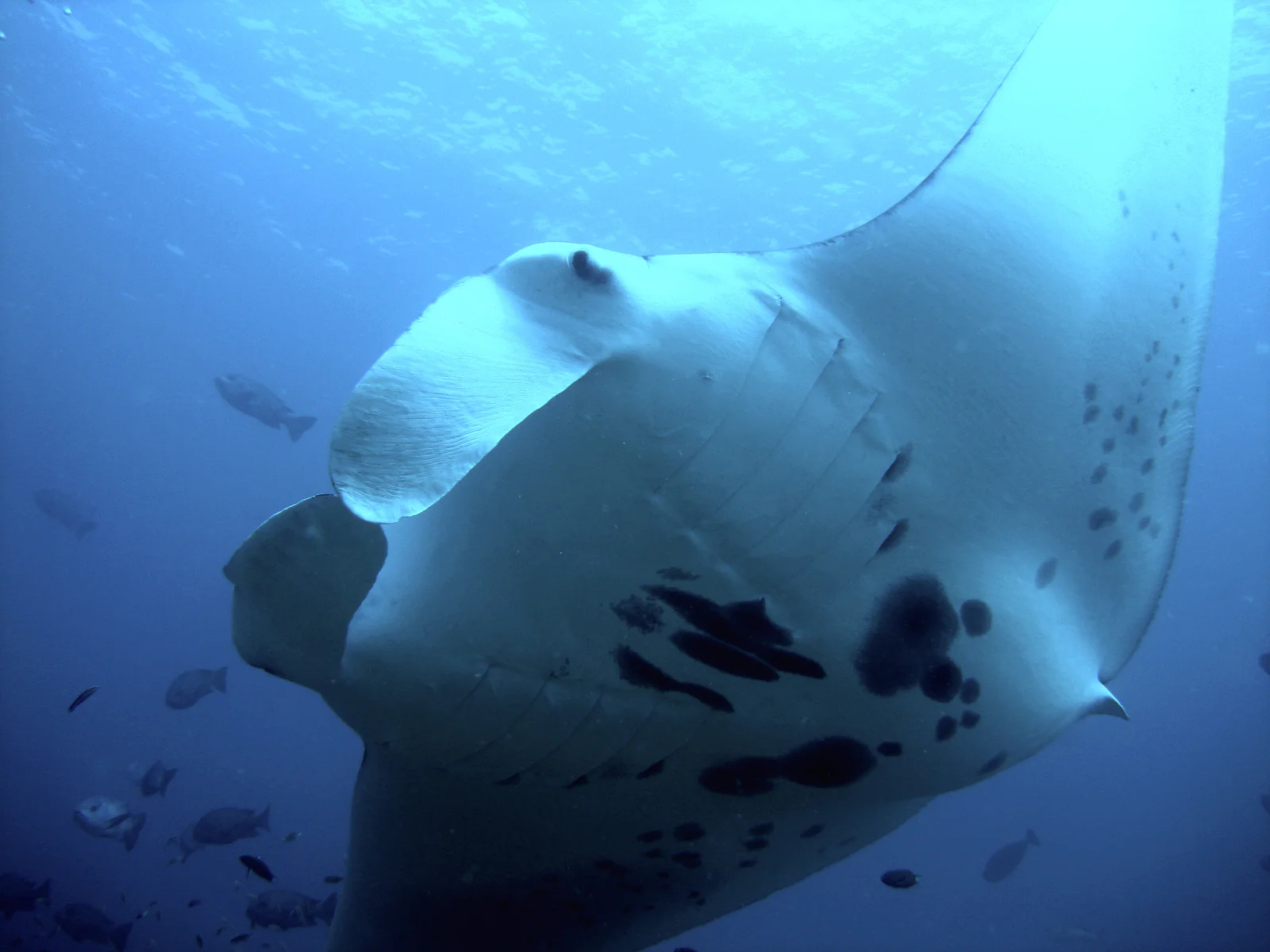
 Intermediate
Lankan Manta Point
Maldives > North Malé Atoll > North Malé East Rim
New
manta-cleaning-stationreefdrift+1
Reef · Overhang · Cave · Drop-off
Verification status unavailable Some details may be incomplete or outdated. Confirm current conditions locally, and suggest a correction if you know this site.
Know this dive site? Suggest a correctionPrepare for an unforgettable underwater adventure at Banana Reef, one of the Maldives' most celebrated and historically significant dive sites. Located on the eastern rim of the North Malé Atoll (Kaafu Atoll), this dive site was among the very first explored in the Maldives during the early 1970s and proudly holds the distinction of being the country's first protected marine area, declared in 1989. Its crescent shape, visible from above, is what gives this remarkable reef its iconic name.
Banana Reef's prime location in the North Malé Atoll, approximately 7 to 9 kilometers from the capital city of Malé, makes it exceptionally accessible for divers. Most divers reach this vibrant dive site via speedboat, whether departing from Malé itself or from one of the many surrounding resorts in North Malé Atoll.
For those staying at nearby resorts, day trips to Banana Reef are a popular and convenient option, often departing around 8:30 AM. The speedboat journey from Malé or these resorts typically takes a swift 15 to 25 minutes, allowing for more time underwater. While public ferries connect local islands, they are generally not recommended for reaching dive sites or resorts due to their slower speeds and less frequent schedules.
Alternatively, many liveaboard itineraries in the Maldives include Banana Reef, offering divers the opportunity for multiple dives per day, including early morning and night dives, and the chance to explore a wider range of dive sites across different atolls. Whether you opt for a day trip or a liveaboard, Banana Reef is a cornerstone of Maldivian diving that is easily integrated into any diving holiday.
Divers will find Banana Reef to be an intermediate-level dive, though its varied conditions can accommodate a range of experience levels. The water temperature here is consistently warm, typically ranging between 26°C and 30°C, offering comfortable diving year-round. Depths at this remarkable dive site span from a shallow 5 m down to a maximum depth of 30 m, providing ample opportunities for exploration. Currents are variable and can range from mild to strong, so we recommend always following your instructor's guidance.
Named for its distinctive curved "banana" shape, this reef stretches approximately 300 m and boasts dramatic topography that will captivate every diver. You'll navigate steep drop-offs that plunge from 3 m to beyond 30 m, explore deep overhangs, and discover fascinating caves and canyons, particularly riddling the northeast face and eastern side of the reef. These intricate formations are cloaked in vibrant hard and soft corals, sea fans, and sponges, creating a breathtaking underwater landscape for photographers and enthusiasts alike.
The reef's unique structure offers diverse diving experiences. The northern tip, with its dramatic overhangs and potentially strong currents, is often best suited for more experienced divers. The eastern wall features steep drop-offs adorned with caves and swim-throughs, while the central section boasts extensive coral gardens. Towards the southern end, divers will find a gentler slope with an abundance of reef fish, making it suitable for those with less experience. The interior of the curve also features a shallower reef area, perfect for extended safety stops or even snorkeling on calm days.
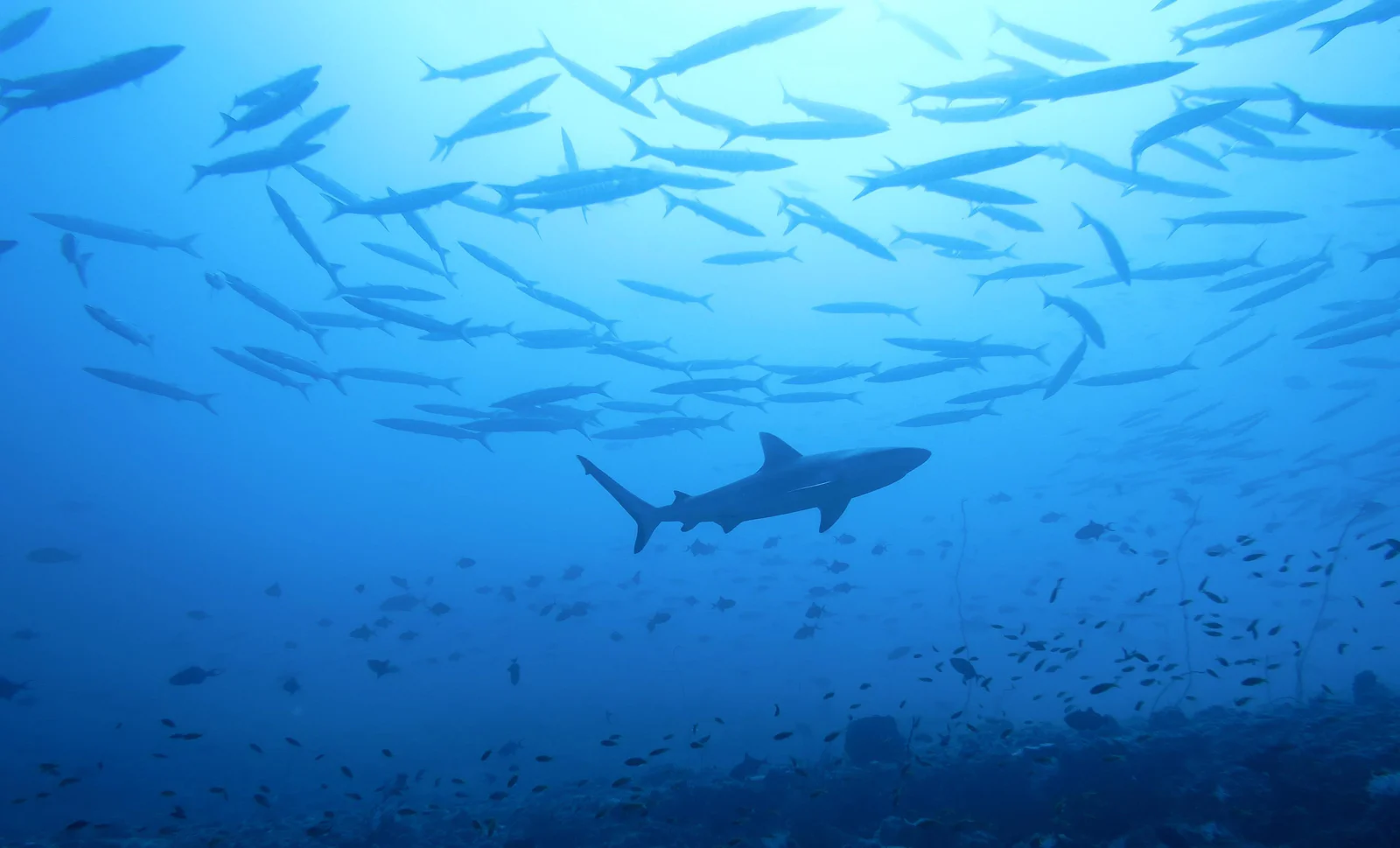
Banana Reef is a vibrant hub of marine biodiversity. Divers can expect thrilling encounters with "big predator" action, including majestic Grey Reef Sharks (Carcharhinus amblyrhynchos) patrolling the deeper sections and stealthy Whitetip Reef Sharks (Triaenodon obesus) often found resting on sandy patches between coral formations.
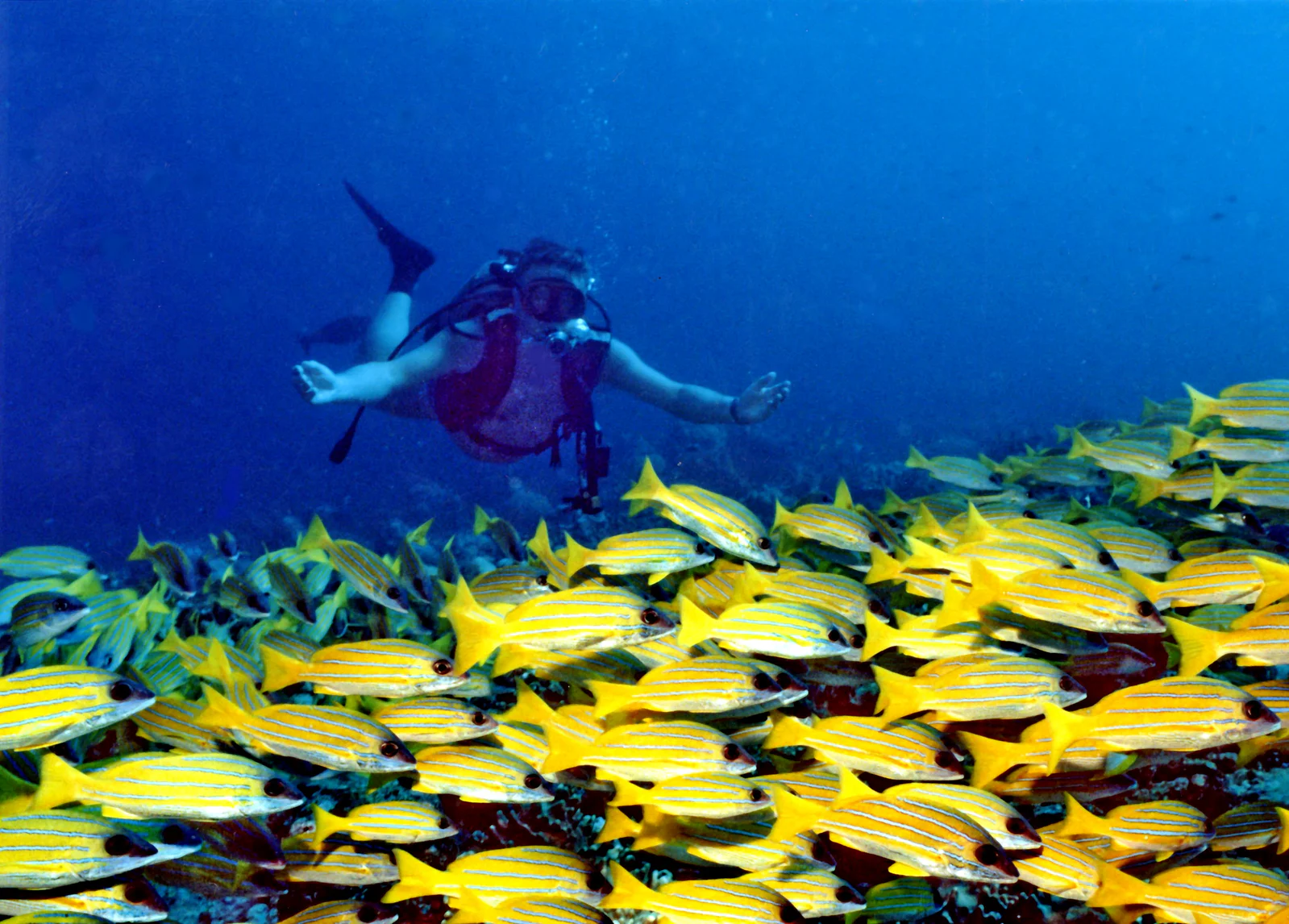
Keep an eye out for impressive schools of Bluestripe Snapper (Lutjanus kasmira) and elegant Oriental Sweetlips (Plectorhinchus vittatus), which often mass within the reef's caverns, attracting larger hunters like Giant Trevally (Caranx ignobilis) and barracudas. Schools of bannerfish (Heniochus acuminatus) frequently hang motionless in the current, adding to the visual spectacle.
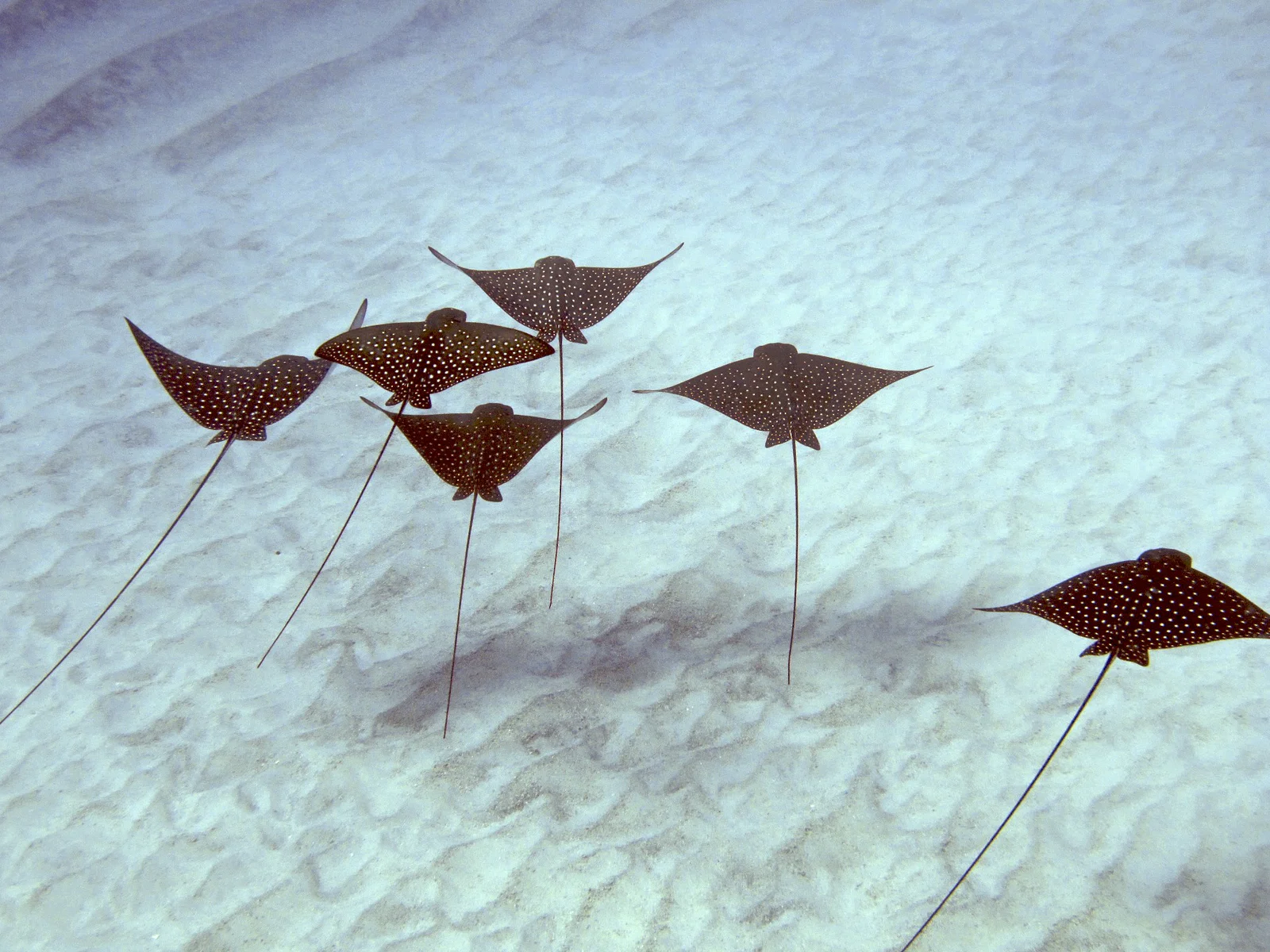
As you glide along the reef, you are very likely to spot the impressive Humphead Wrasse (Cheilinus undulatus), also known as Napoleon Wrasse, cruising the shallows, often approaching divers with curiosity due to their bold nature. Look into the crevices and under ledges to find formidable Giant Morays (Gymnothorax javanicus) peering out, and perhaps even lionfish hovering patiently. We also frequently encounter graceful Hawksbill Turtles (Eretmochelys imbricata) resting on ledges and the uniquely patterned Spotted Eagle Rays (Aetobatus narinari) gliding through the blue along the outer wall.
Other reef inhabitants contributing to the rich tapestry of life at this incredible dive site include groupers, angelfish, parrotfish, squirrelfish, soldierfish, and giant clams.
An Open Water certification is required to dive Banana Reef. While generally accessible, divers should be mindful of the variable currents, which can sometimes be strong, and the presence of overhead environments within the caves and overhangs. Additionally, as with any popular dive site, boat traffic can be a factor, so always pay attention to your dive guide.
For optimal diving conditions, we recommend planning your dive during the dry season, which runs from November to April. This period, coinciding with the northeast monsoon, typically offers the calmest seas, best visibility (often exceeding 30 m), and moderate currents, creating ideal conditions for exploring the reef. While diving is excellent year-round, the southwest monsoon from May to November can bring stronger currents and occasional rain. For the most active marine life and clearest waters, consider an early morning dive, ideally around 9:00 AM, to avoid afternoon currents and crowds.
Typical current strength at this dive site
Current strength changes with tides and conditions. Check local conditions before diving.
Strength Scale
None
Mild
Moderate
Strong
Monthly conditions and seasonal highlights — tap a month
Shoulder season with generally good conditions. Some variability in weather and visibility.
9 species recorded at this site
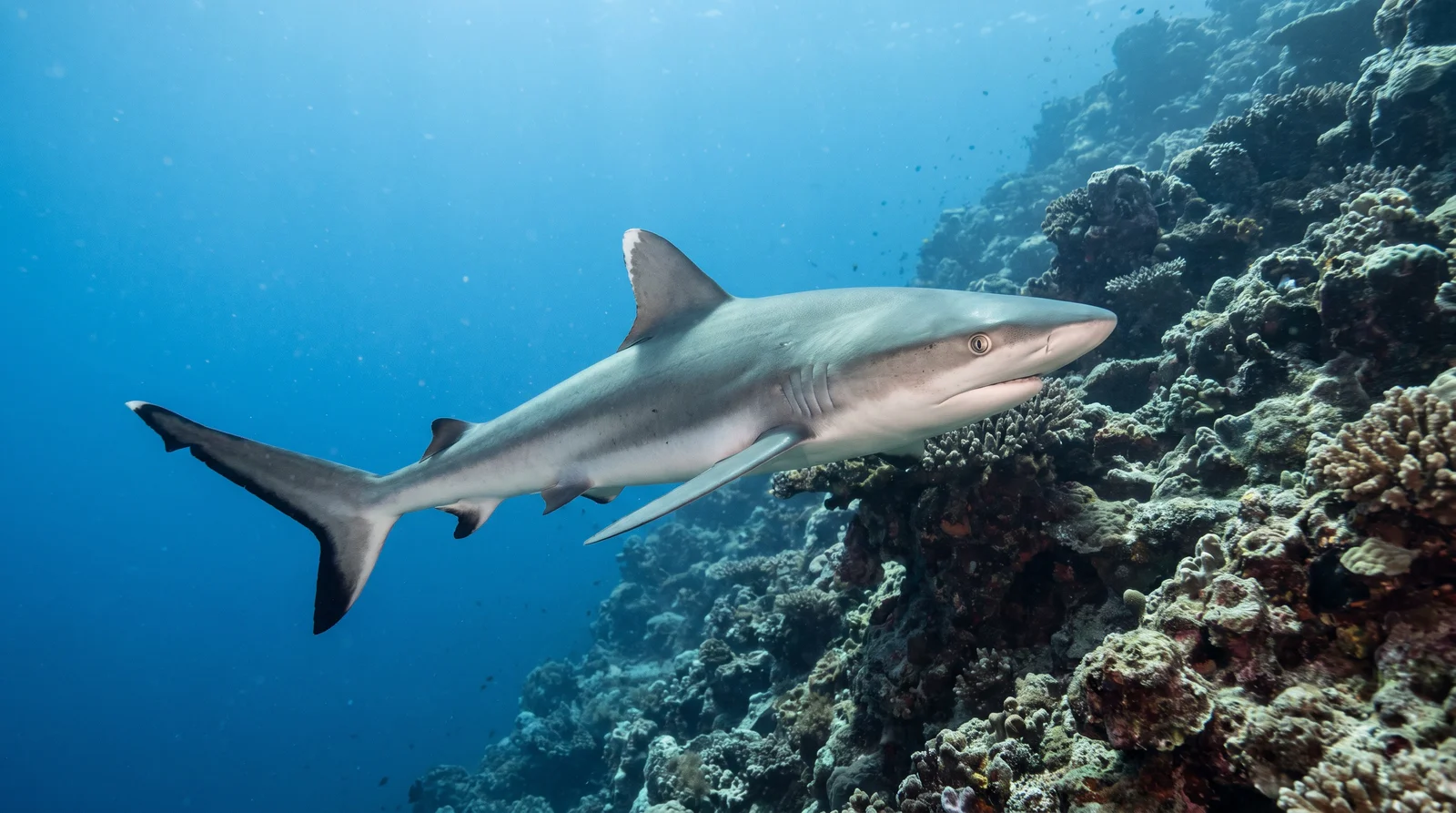
Grey Reef Shark
Carcharhinus amblyrhynchos
Site occurrence not yet documented
No dated observations available.
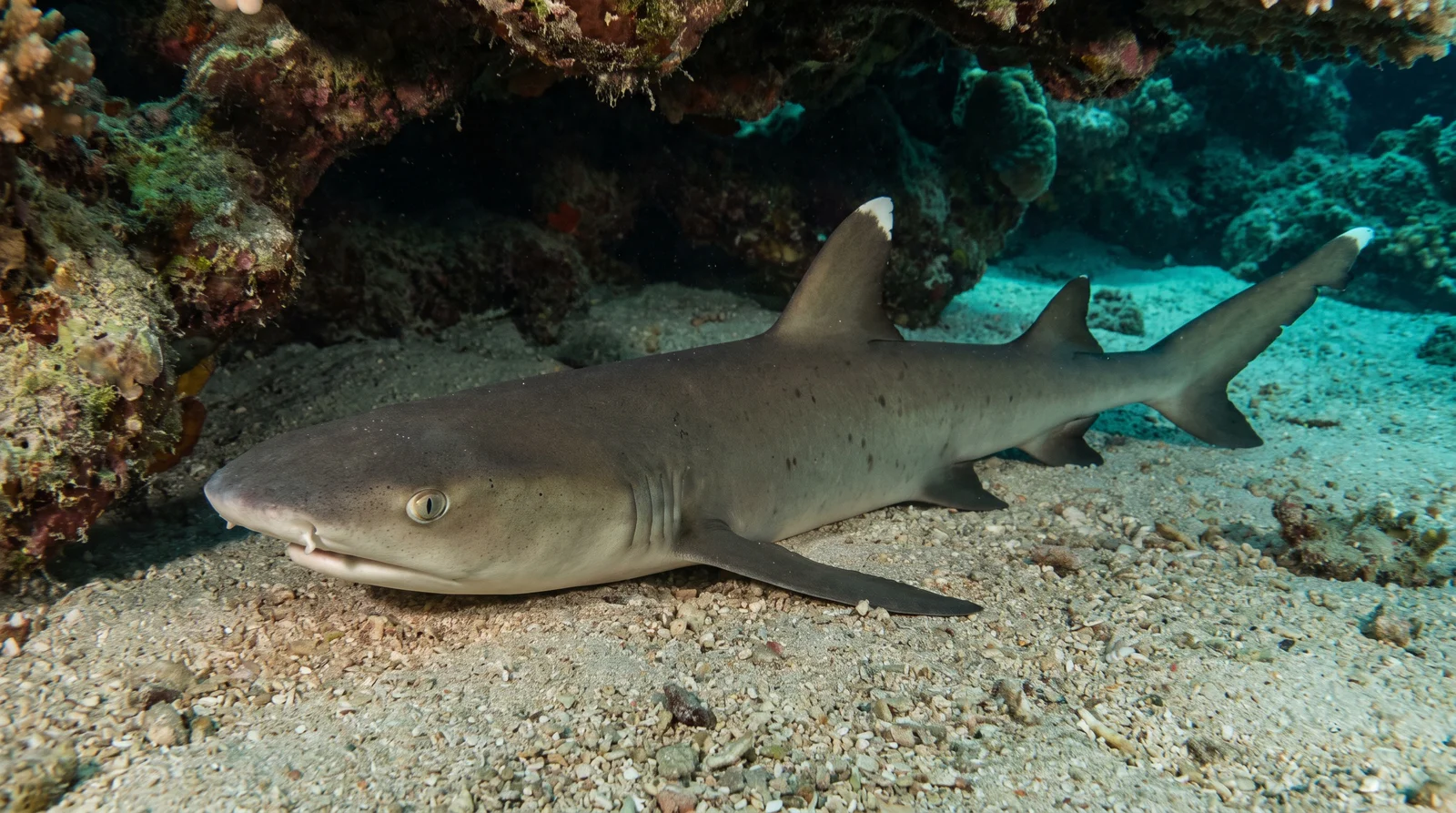
Whitetip Reef Shark
Triaenodon obesus
Site occurrence not yet documented
No dated observations available.
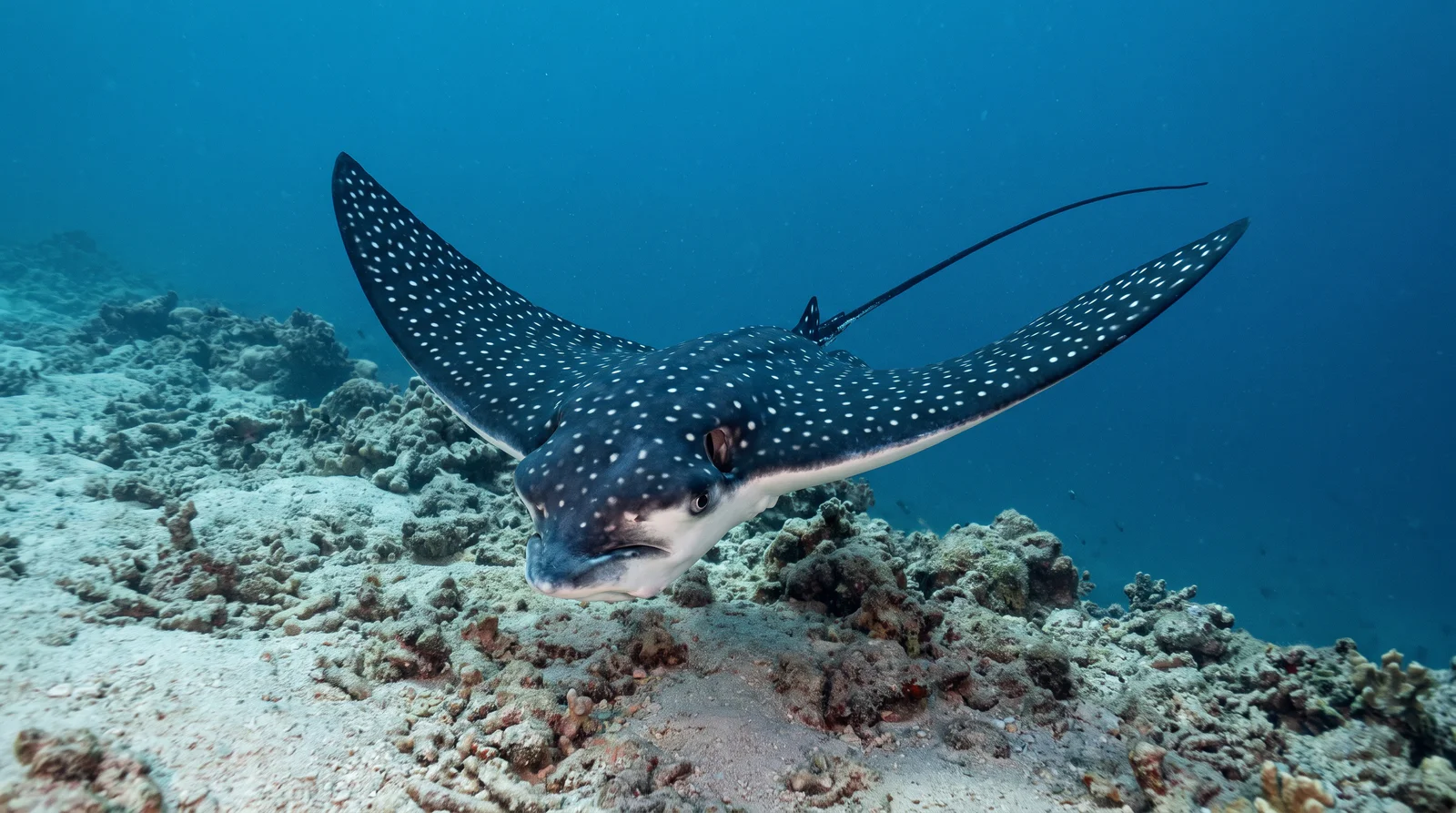
Spotted Eagle Ray
Aetobatus narinari
Site occurrence not yet documented
No dated observations available.
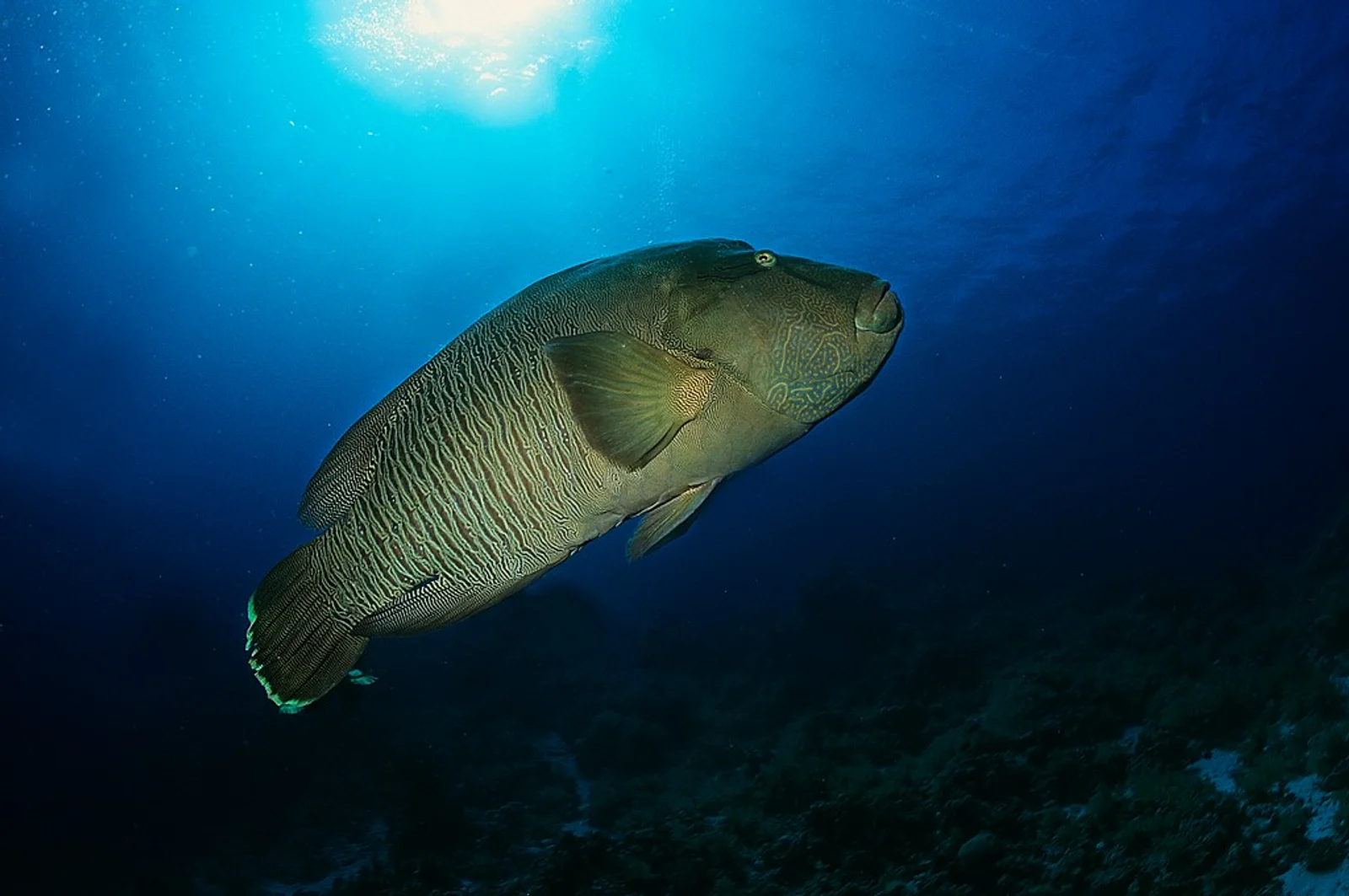
Humphead Wrasse (Napoleon)
Cheilinus undulatus
Site occurrence not yet documented
No dated observations available.
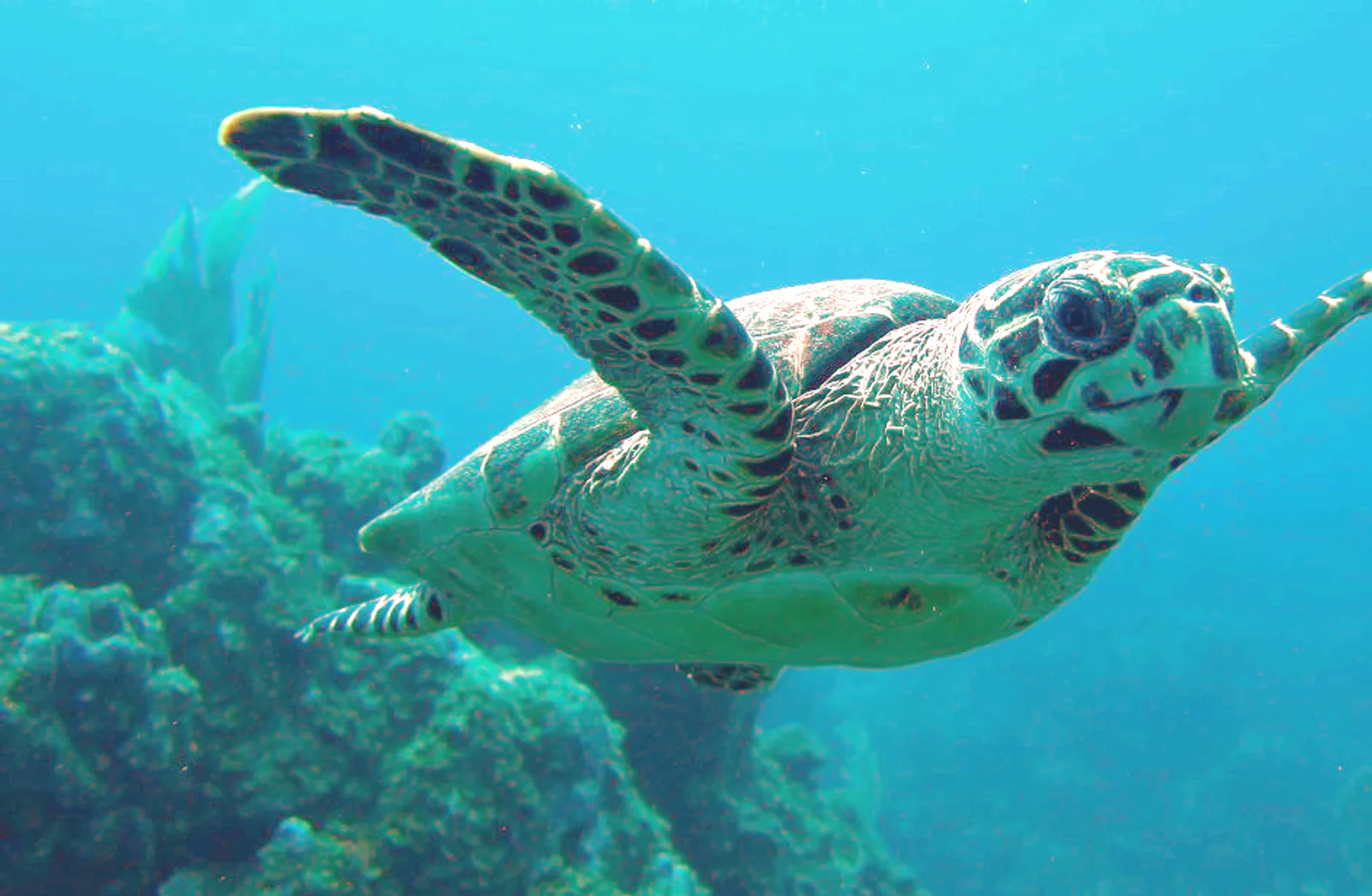
Hawksbill Turtle
Eretmochelys imbricata
Site occurrence not yet documented
No dated observations available.
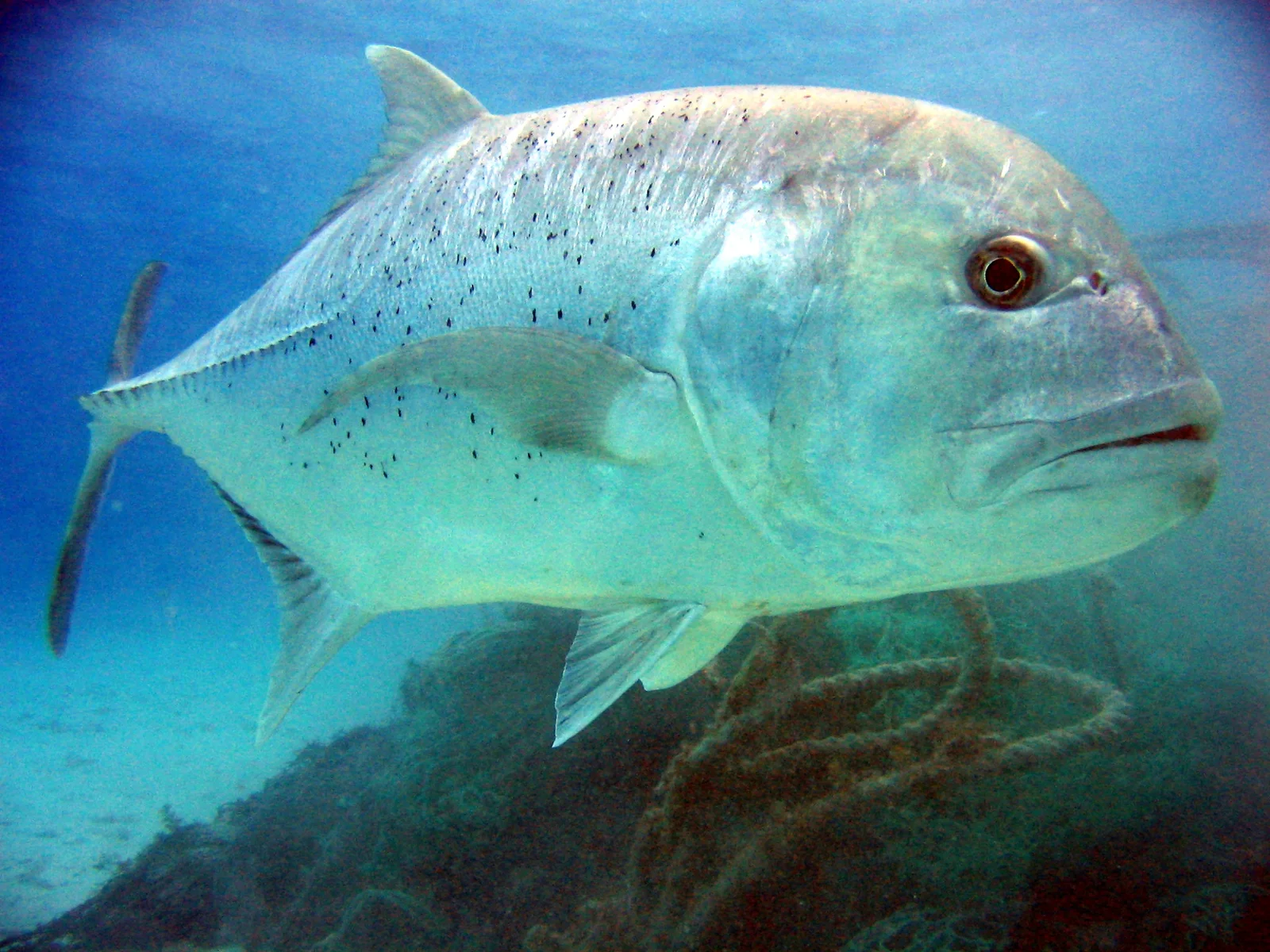
Giant Trevally
Caranx ignobilis
Site occurrence not yet documented
No dated observations available.
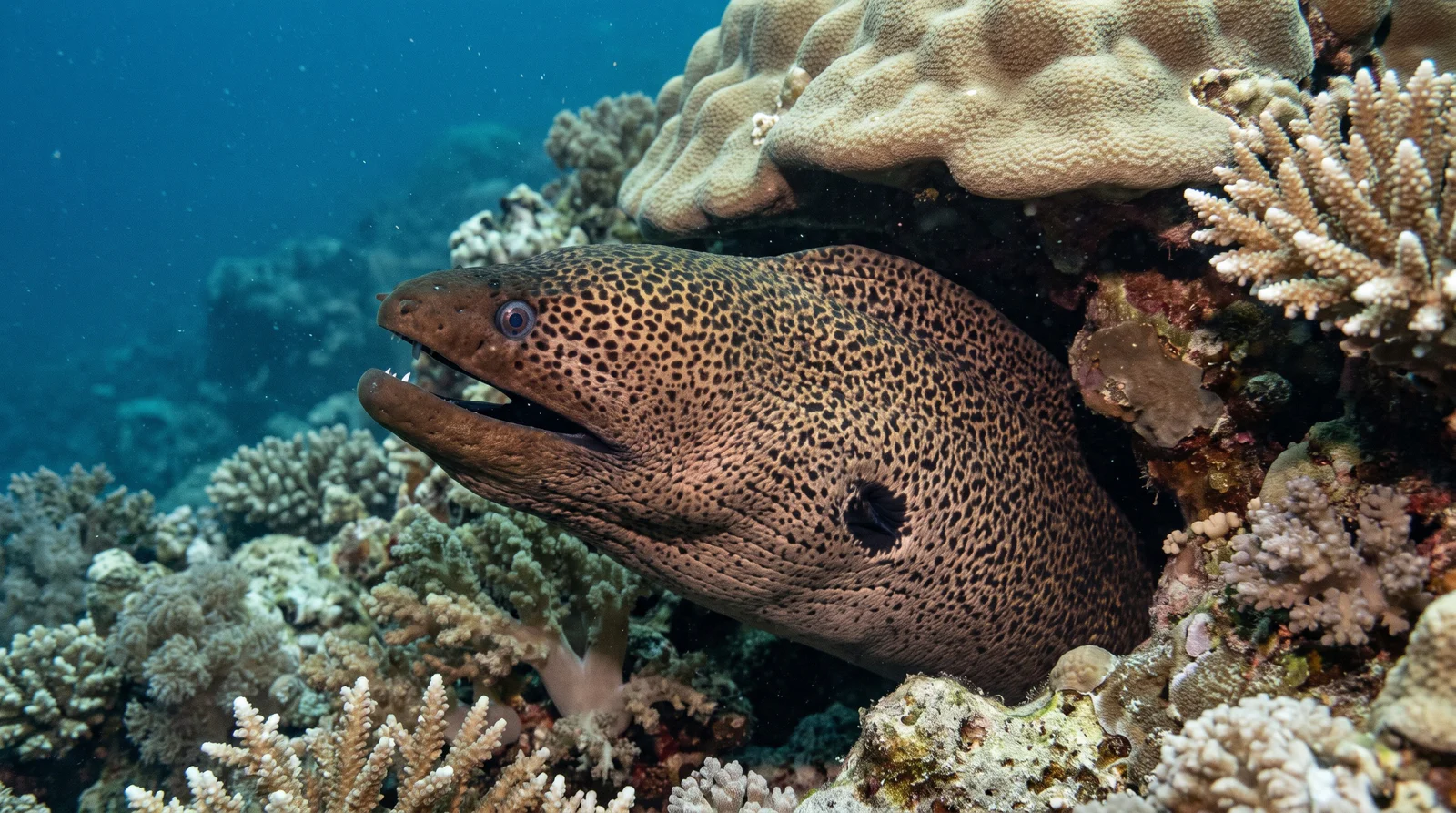
Giant Moray
Gymnothorax javanicus
Site occurrence not yet documented
No dated observations available.
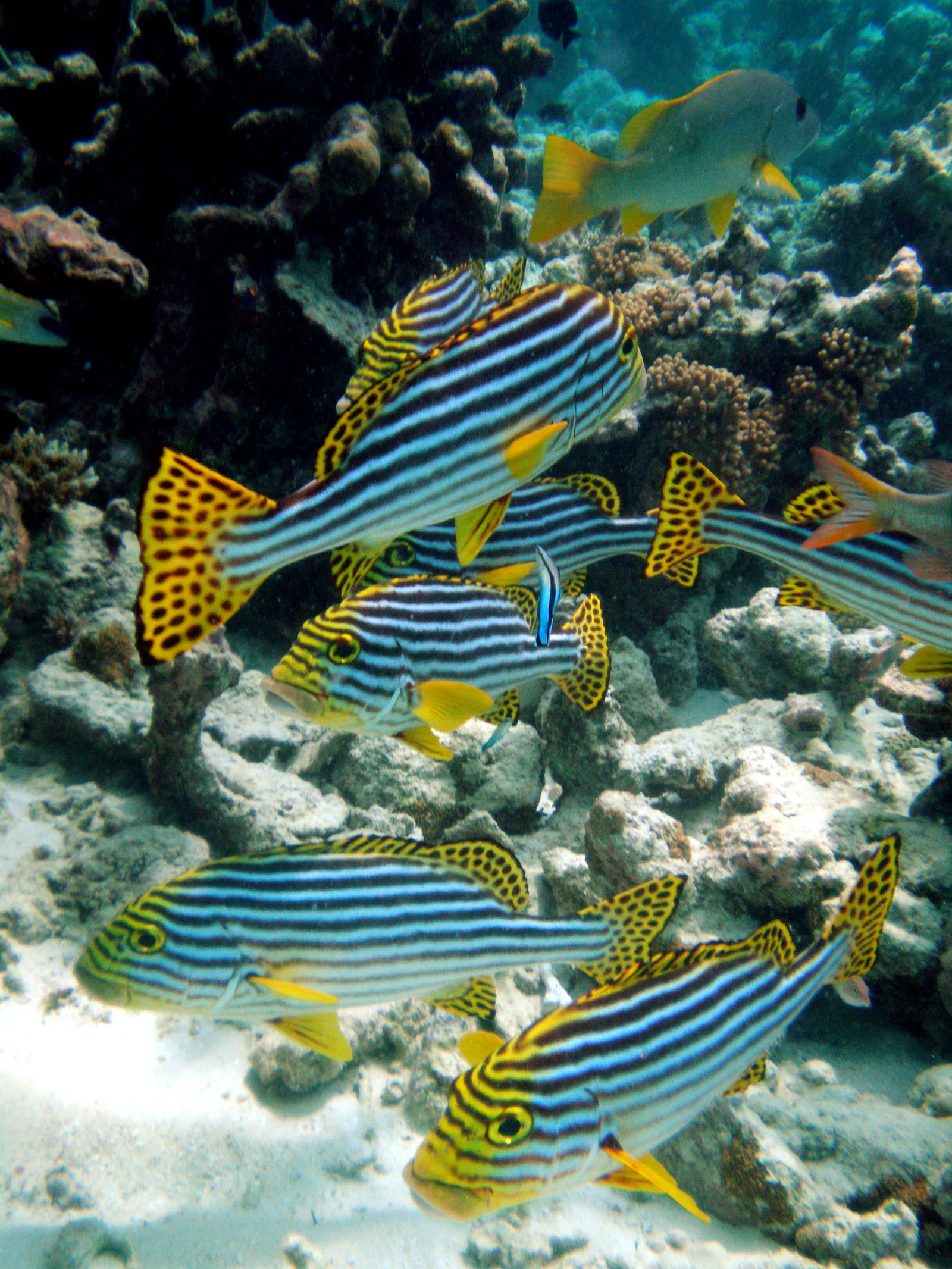
Oriental Sweetlips
Plectorhinchus vittatus
Site occurrence not yet documented
No dated observations available.
Bluestripe Snapper
Lutjanus kasmira
Site occurrence not yet documented
No dated observations available.
Be aware of these potential hazards at this dive site
Current
Severity: MediumModerate-to-strong and unpredictable near the channel corner
Overhead environment
Severity: MediumCaves/overhangs demand buoyancy and training
Boat traffic
Severity: MediumBusy central-atoll site
Depth
Severity: LowDeeper sections of the site reach past comfortable recreational limits
Certification Required
A minimum of Open Water certification is required to dive this site.
Sources not yet documented
Source references have not yet been added to this guide. Details may be incomplete or inaccurate; confirm conditions with a local dive operator.
Know this dive site? Suggest a correctionImmersive panoramic view of this dive site
360° panorama coming soon
Immersive underwater views will be available when panoramic imagery is uploaded
--
0 reviews
No reviews yet. Be the first to share your experience!
Discover other dive sites in the area
IntermediateMaldives > North Malé Atoll > North Malé East Rim
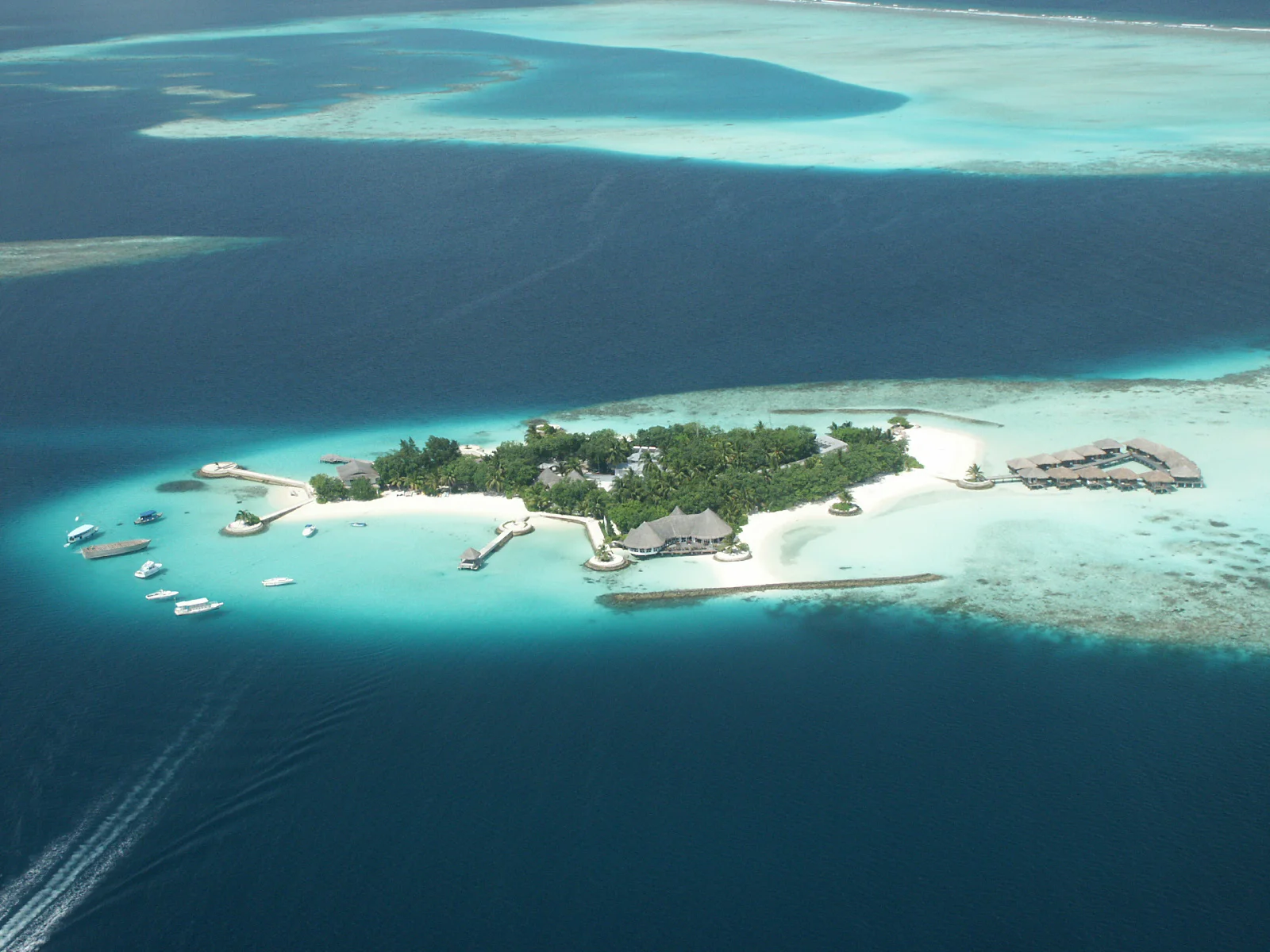 Advanced
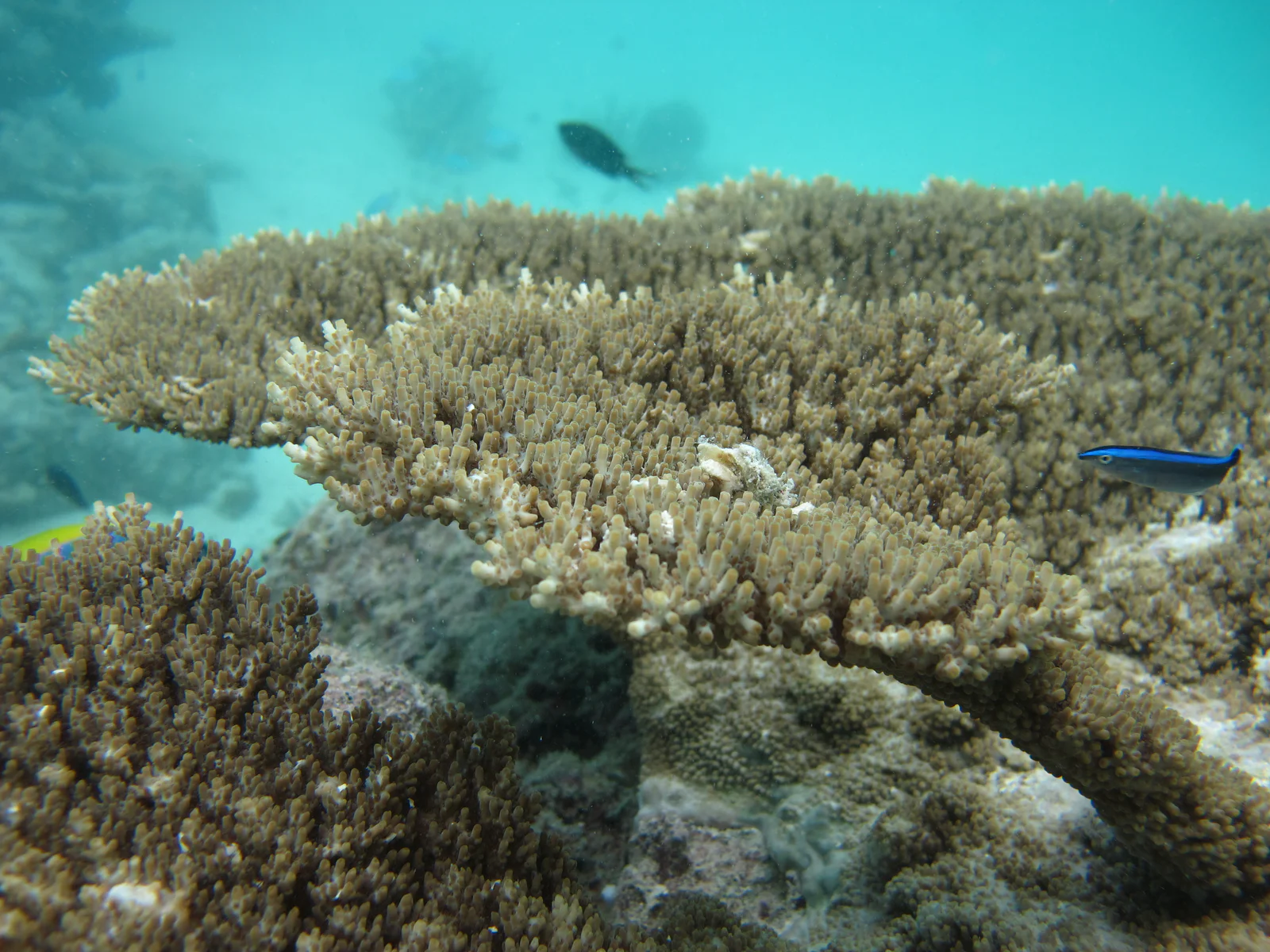 Advanced
 Advanced
 Advanced
 IntermediateIntermediate
Maldives > North Malé Atoll > North Malé East Rim
AdvancedAdvancedAdvancedAdvancedIntermediateVertical range at this site
Minimum Depth
16 ft
Shallowest point
Average Depth
59 ft
Typical dive depth
Maximum Depth
98 ft
Deepest point
Get dive site updates and tips in your inbox.
Add it to your logbook, share your sightings, and help 0 divers plan their next descent.
Was this helpful?