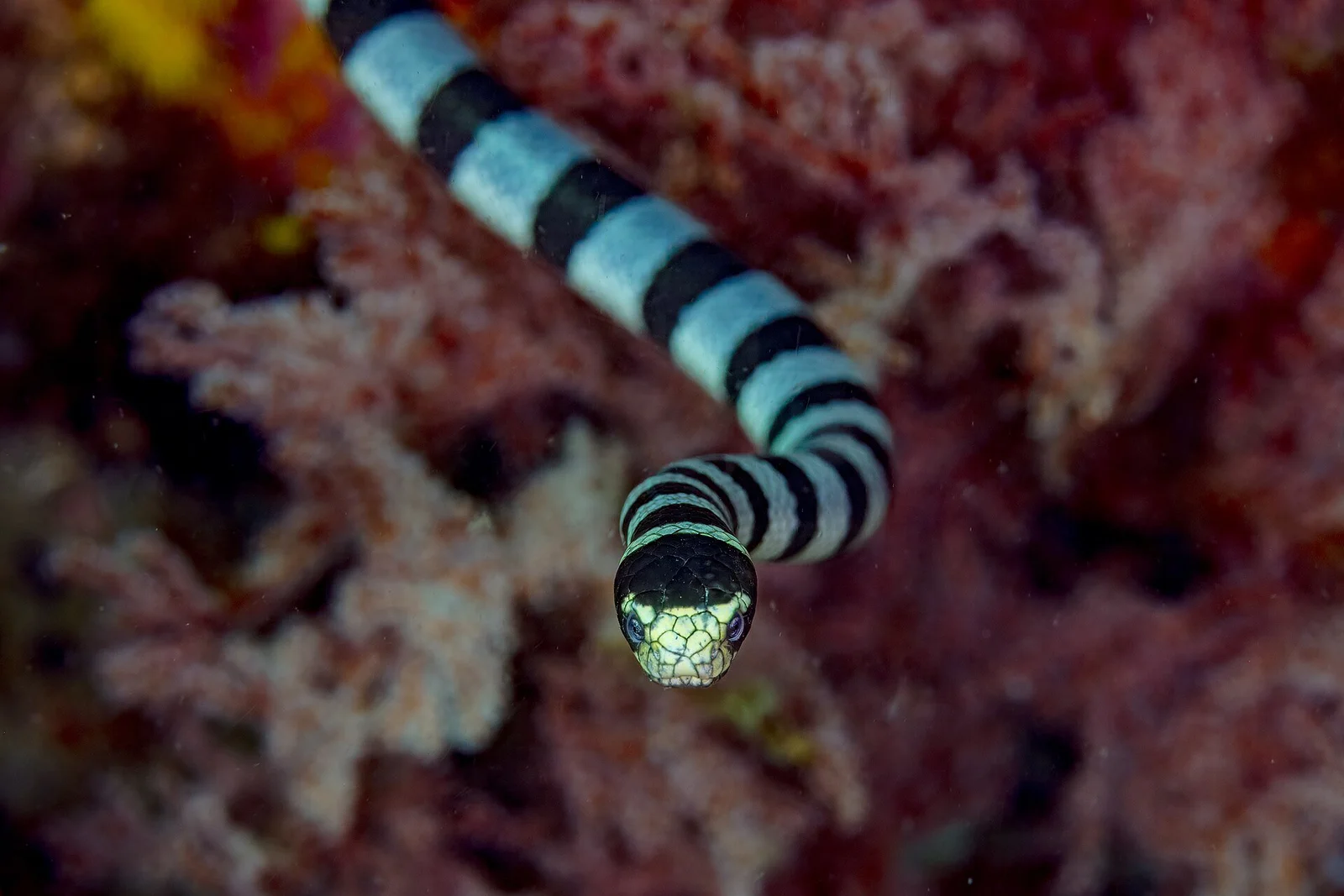
 Advanced
Wall · Reef · Drop-off · Drift · Coral-garden
Pamilacan Sanctuary
Visayas
Advanced Open Water Certification RequiredBest Season: Nov – May
Difficulty
Intermediate
Difficulty level
Depth
16 ft
115 ft
Depth range
Access
Access not yet documented
Documented months
Nov
May
Visibility
33 ft
98 ft
Typical visibility
Current
Moderate
Good buoyancy control advised
Temperature
77°F
86°F
Water temperature
About This Dive Site
Pamilacan Sanctuary, Pamilacan Island
Nestled in the heart of the Bohol Sea, Pamilacan Sanctuary offers an exceptional diving experience, renowned for its vibrant marine biodiversity and stunning underwater topography. This protected dive site, located off Pamilacan Island, is a jewel for divers seeking a blend of rich coral ecosystems and the thrill of encountering larger pelagic life. Just a short boat ride from Panglao, Pamilacan presents a more intimate and often less crowded alternative to other popular spots in the region.
Diving at Pamilacan Sanctuary
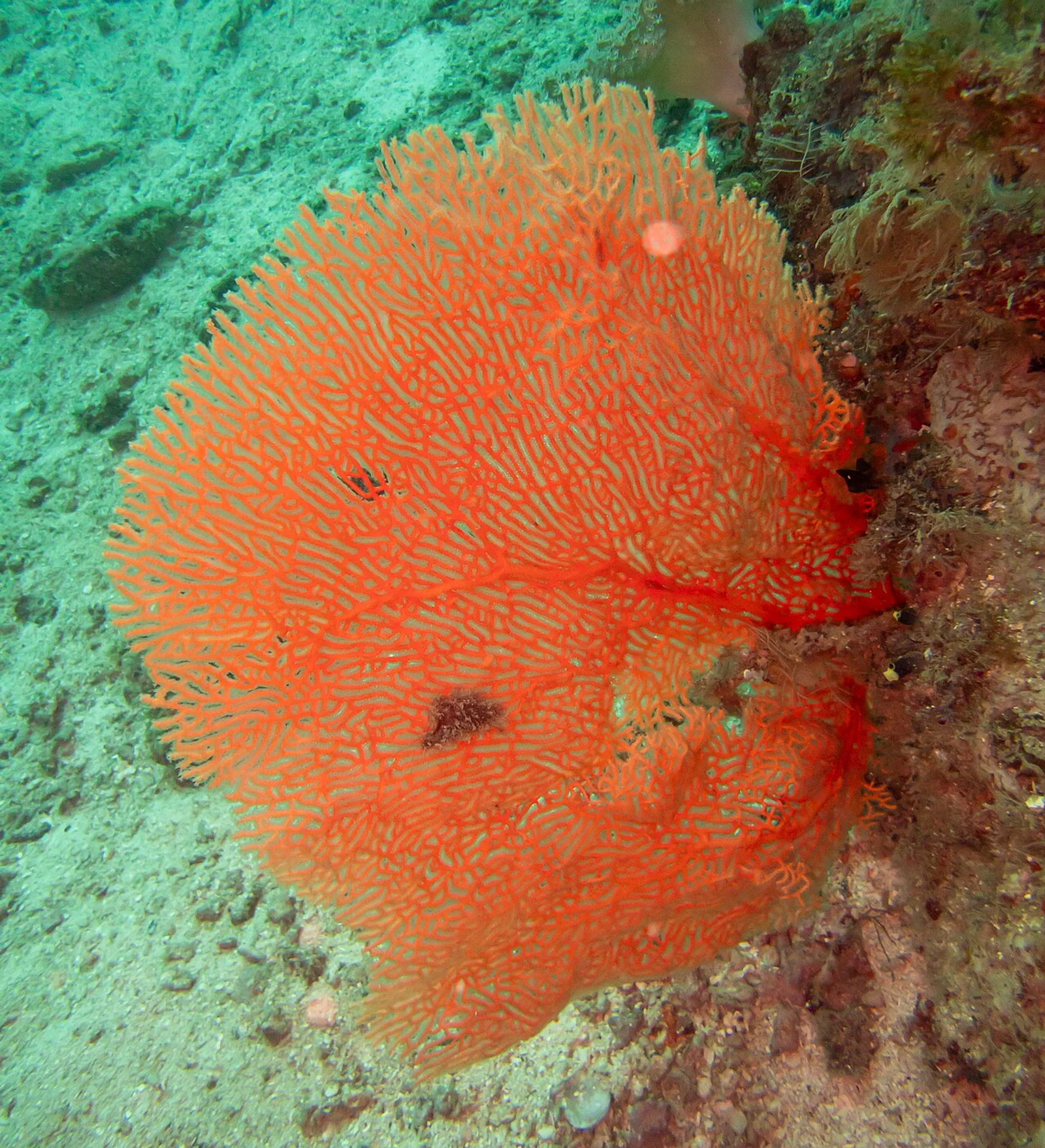
At Pamilacan Sanctuary, divers will find a diverse underwater landscape, primarily characterized by a fringing coral garden that transitions into a dramatic wall and steep drop-off. The wall typically begins around 5 meters and plunges past 30 meters, with some areas extending beyond 40 meters into the blue. This impressive wall is adorned with a spectacular array of hard and soft corals, sponges, and magnificent gorgonian sea fans (Annella mollis). As you explore, you can discover numerous cracks, small swim-throughs, and grottoes that offer hiding spots for various marine creatures.
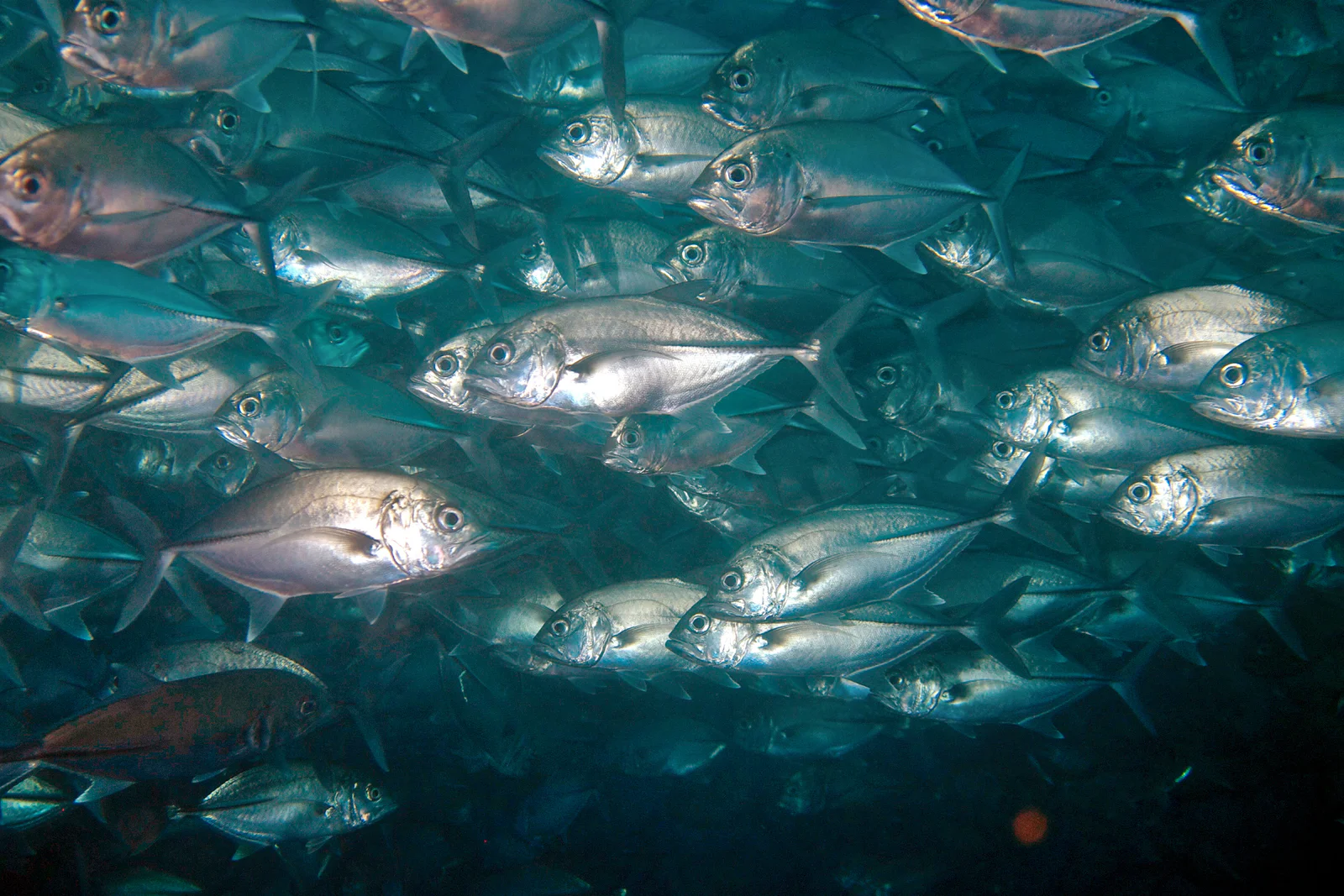
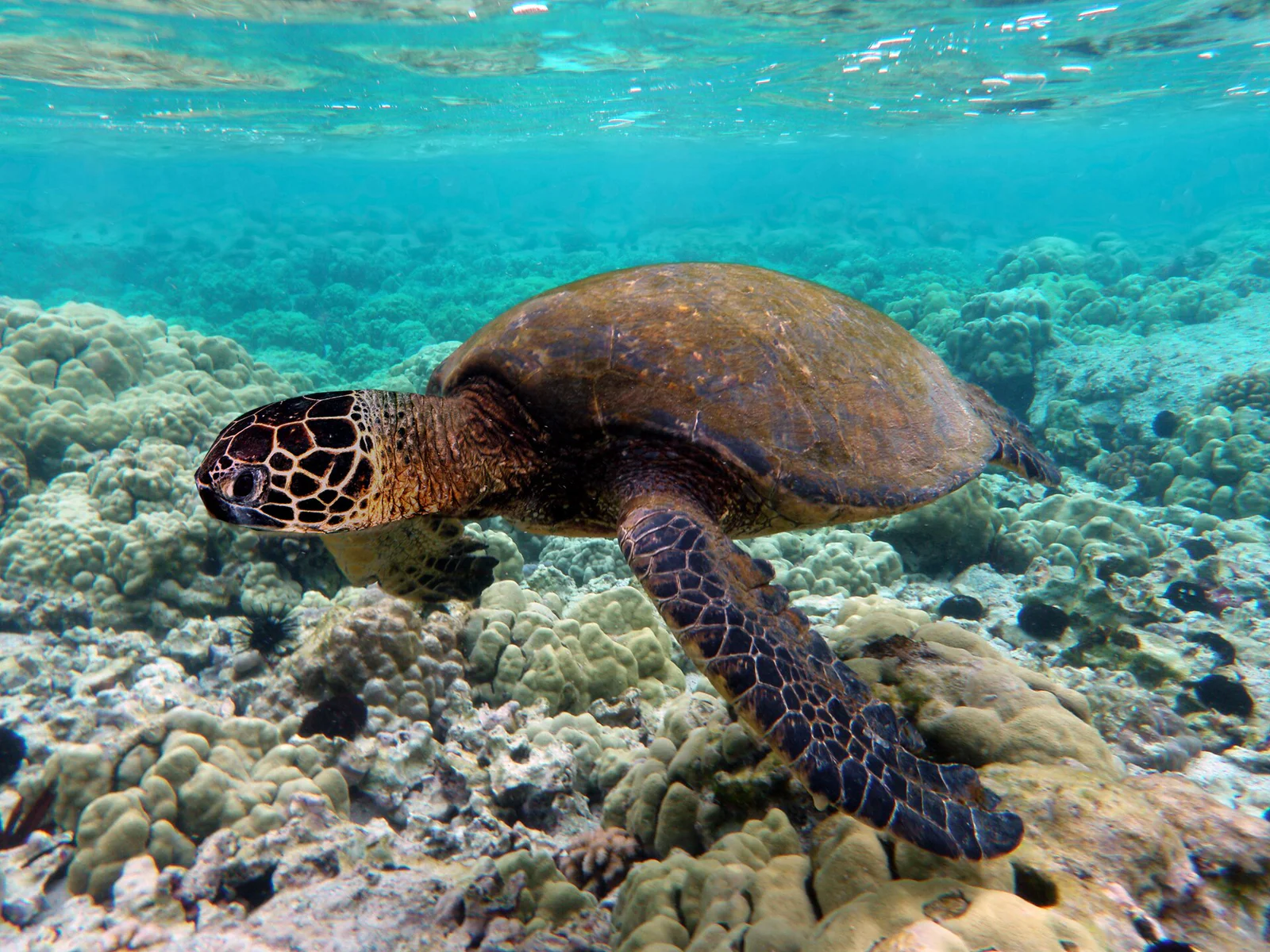
The marine life here is abundant and varied. Divers are almost guaranteed sightings of graceful Green Sea Turtles (Chelonia mydas) and Hawksbill Turtles (Eretmochelys imbricata), often found resting on ledges or grazing in the shallower coral gardens. Schools of Bigeye Trevally (Caranx sexfasciatus), Great Barracuda (Sphyraena barracuda), and Narrow-barred Spanish Mackerel (Scomberomorus commerson) frequently patrol the reef edge and open water. Keep an eye out for impressive schools of fusiliers, snappers, and jacks. For those with a keen eye for macro life, the sanctuary is a haven for unique critters such as Ornate Ghost Pipefish (Solenostomus paradoxus), mandarinfish, cuttlefish, robust pipefish, nudibranchs (including the distinctive Pikachu nudibranch), frogfish, garden eels, moray eels, and various butterflyfish and trumpetfish. Lucky divers may also encounter larger pelagics like manta rays, eagle rays, and even reef sharks (whitetip and blacktip) cruising in the currents. The boat journey to Pamilacan Island itself often provides a magical start to the day, with frequent sightings of playful spinner and bottlenose dolphins swimming alongside the boats.
Conditions and Certification
Pamilacan Sanctuary is rated as an intermediate dive site. Divers should be prepared for moderate currents, which can sometimes be strong, making it an exciting drift dive. We recommend an Advanced Open Water certification to fully appreciate the depths and conditions of this dive site. Water temperatures are consistently warm, typically ranging from 26°C to 30°C year-round, ensuring comfortable diving. Visibility is generally excellent, often reaching 20 to 30 meters.
To preserve this precious marine ecosystem, strict regulations are in place. Anchoring is strictly prohibited, and dive boats must use designated moorings. Divers are also required to stay outside the core sanctuary buoys, which demarcate a no-diving zone to protect the most sensitive areas. The best time to dive Pamilacan Sanctuary is during the dry season, from November to May, when the seas are calmer and visibility is at its clearest, though good diving is possible year-round on calm days.
Advanced Open Water
Current Conditions
Typical current strength at this dive site
Moderate
Noticeable current requiring some effort to swim against. Good buoyancy control recommended.
Strength Scale
None
Mild
Moderate
Strong
Best Time to Visit
Monthly conditions and seasonal highlights — tap a month
SepGood
Shoulder season with generally good conditions. Some variability in weather and visibility. Notable sightings: Green Sea Turtle, Hawksbill Turtle, Ornate Ghost Pipefish.
BestGoodLess FavorablePeak
Marine Life
7 species recorded at this site
Common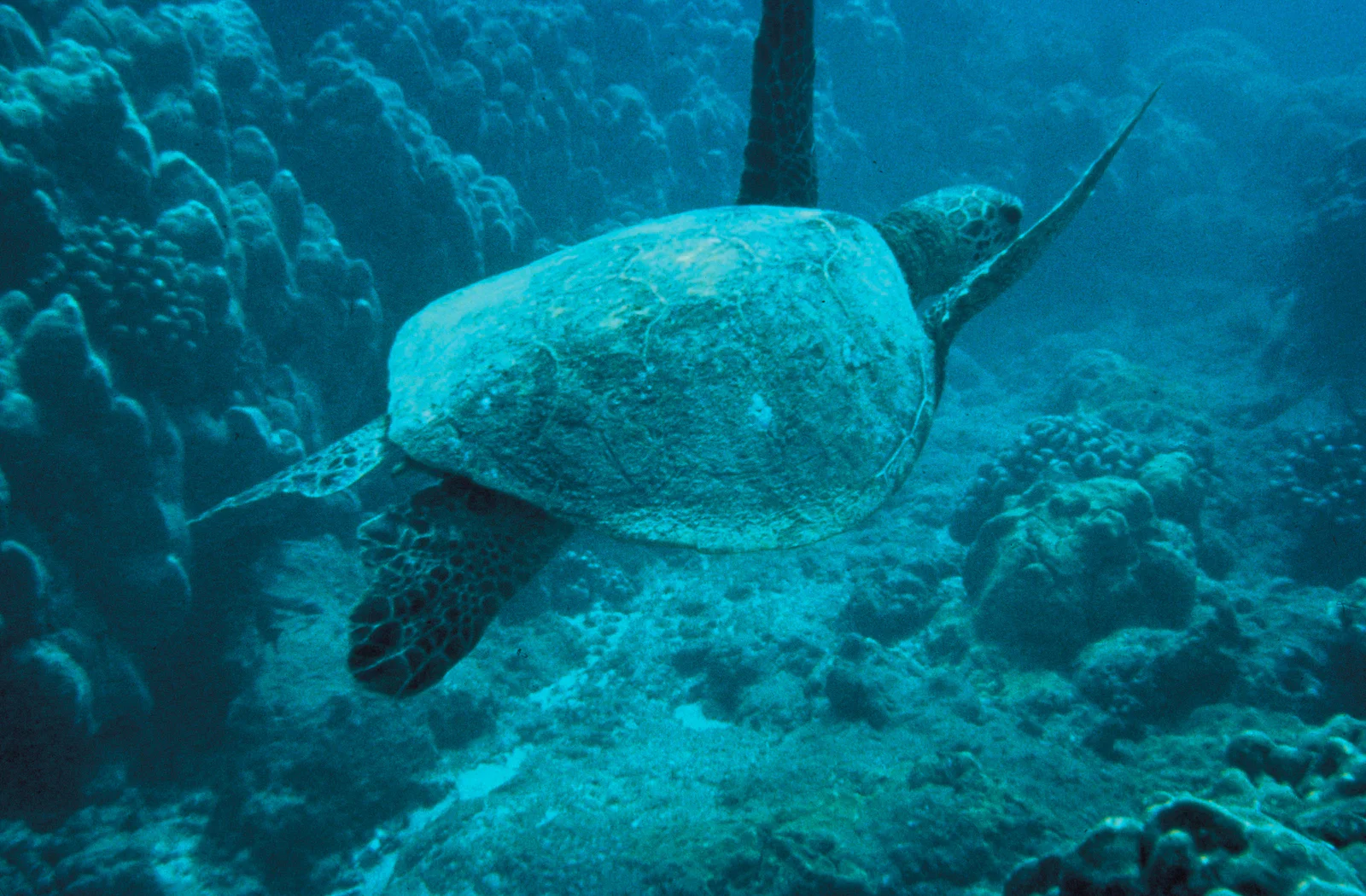
Green Sea Turtle
Chelonia mydas
Jan, Feb, Mar, Apr, May, Jun, Jul, Aug, Sep, Oct, Nov, Dec
Site occurrence not yet documented
No dated observations available.
Common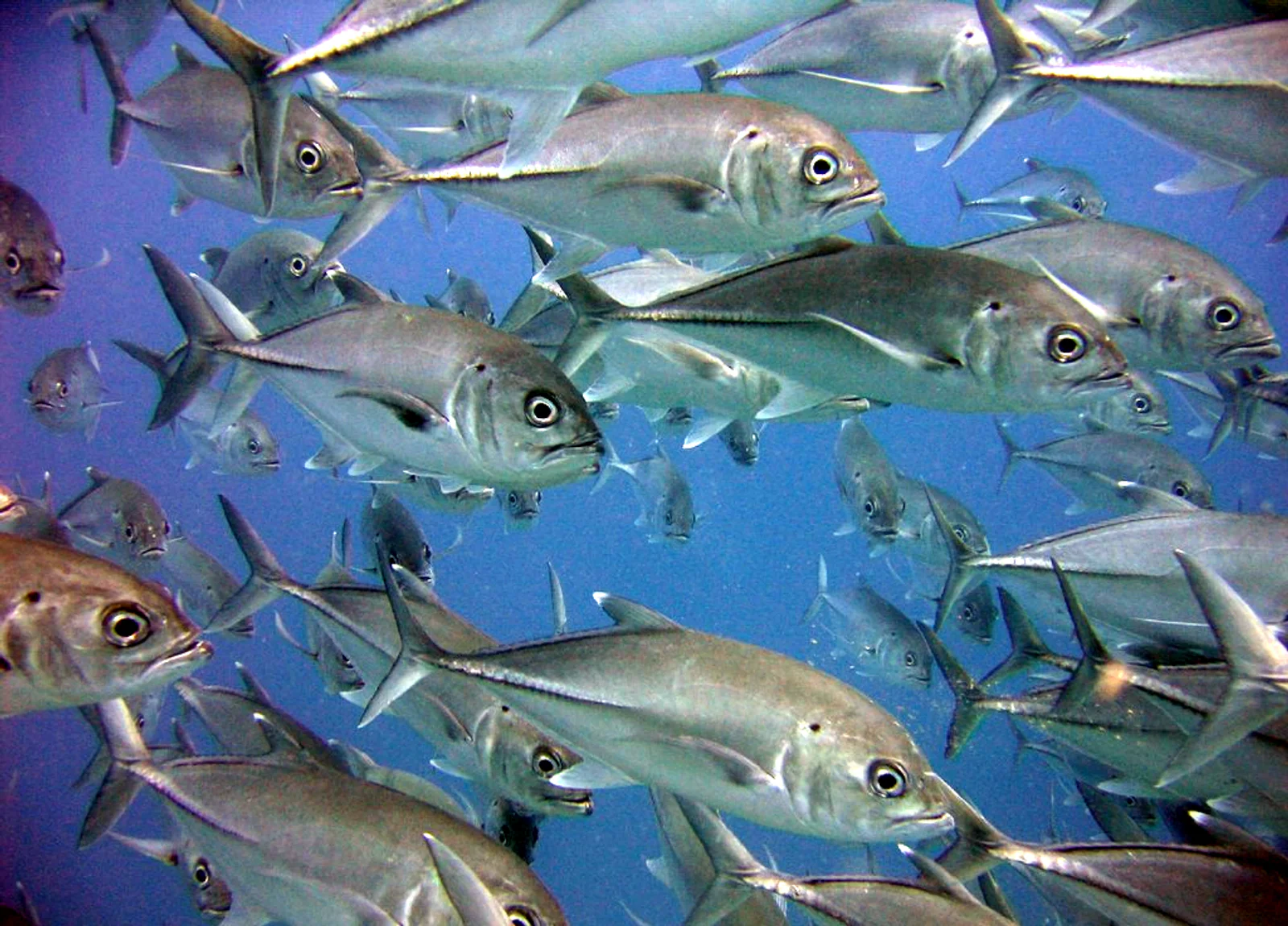
Bigeye Trevally
Caranx sexfasciatus
Nov, Dec, Jan, Feb, Mar, Apr, May
Site occurrence not yet documented
No dated observations available.
Common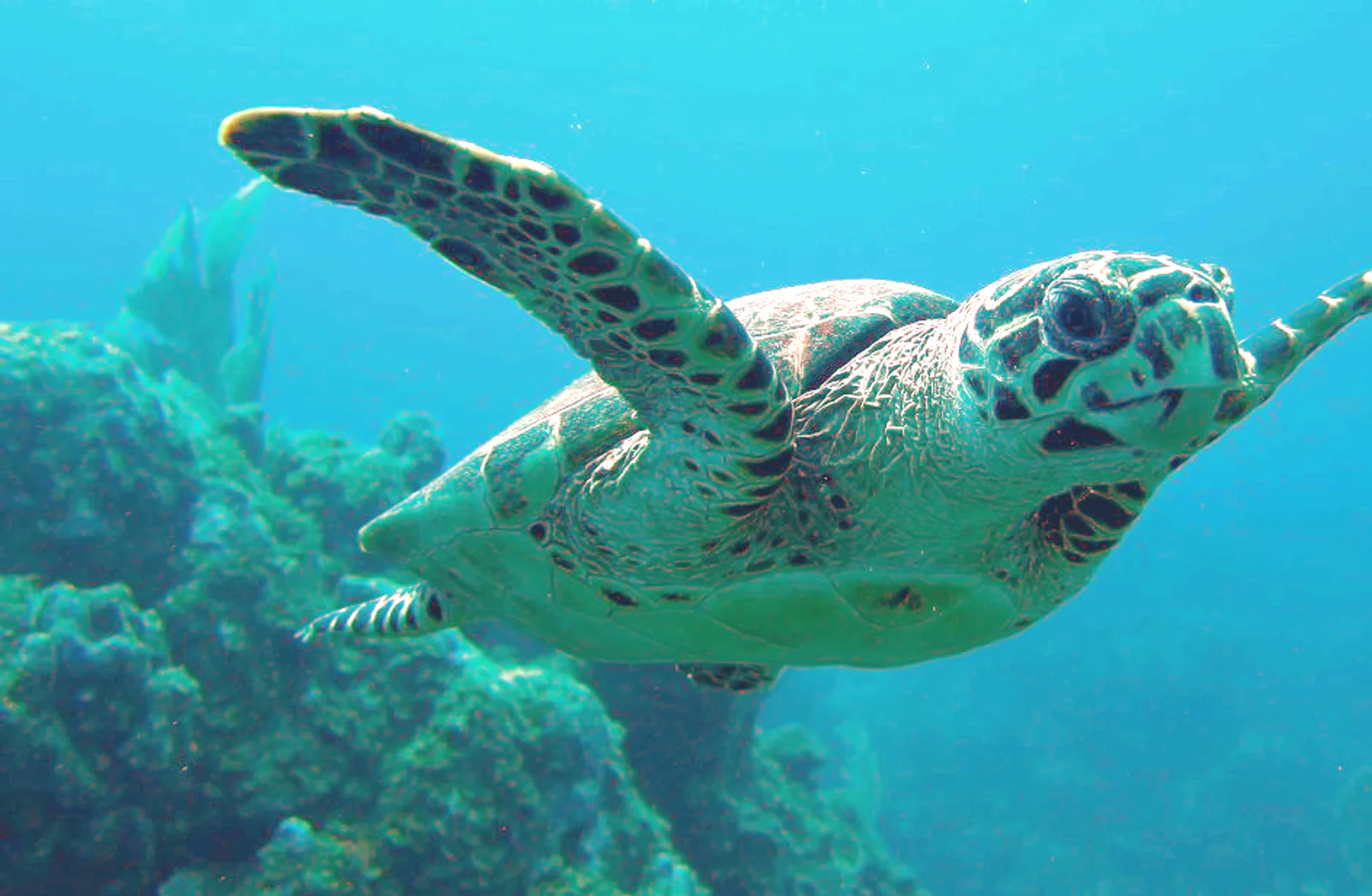
Hawksbill Turtle
Eretmochelys imbricata
Jan, Feb, Mar, Apr, May, Jun, Jul, Aug, Sep, Oct, Nov, Dec
Site occurrence not yet documented
No dated observations available.
Occasional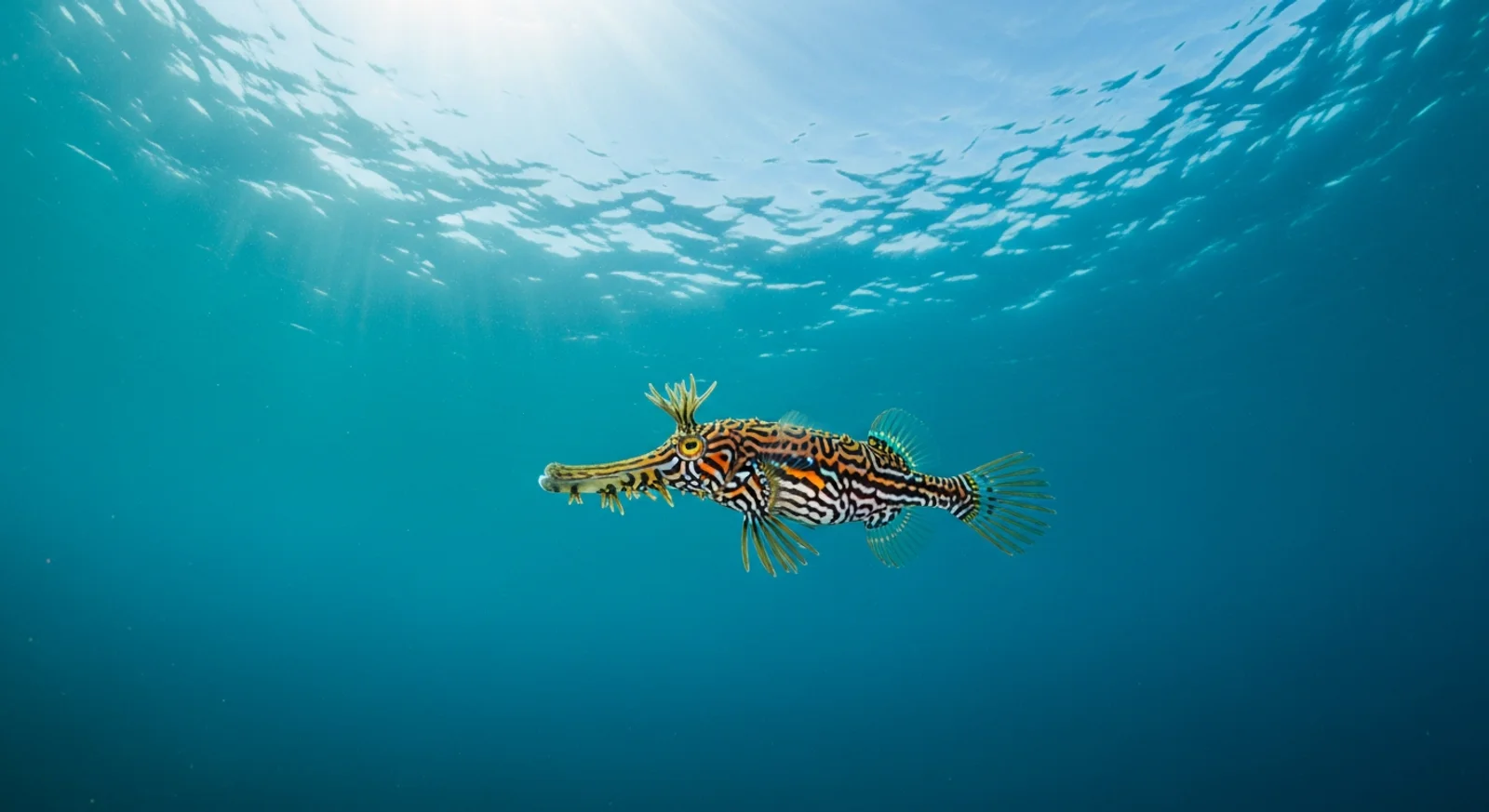
Ornate Ghost Pipefish
Solenostomus paradoxus
Jan, Feb, Mar, Apr, May, Jun, Jul, Aug, Sep, Oct, Nov, Dec
Site occurrence not yet documented
No dated observations available.
Occasional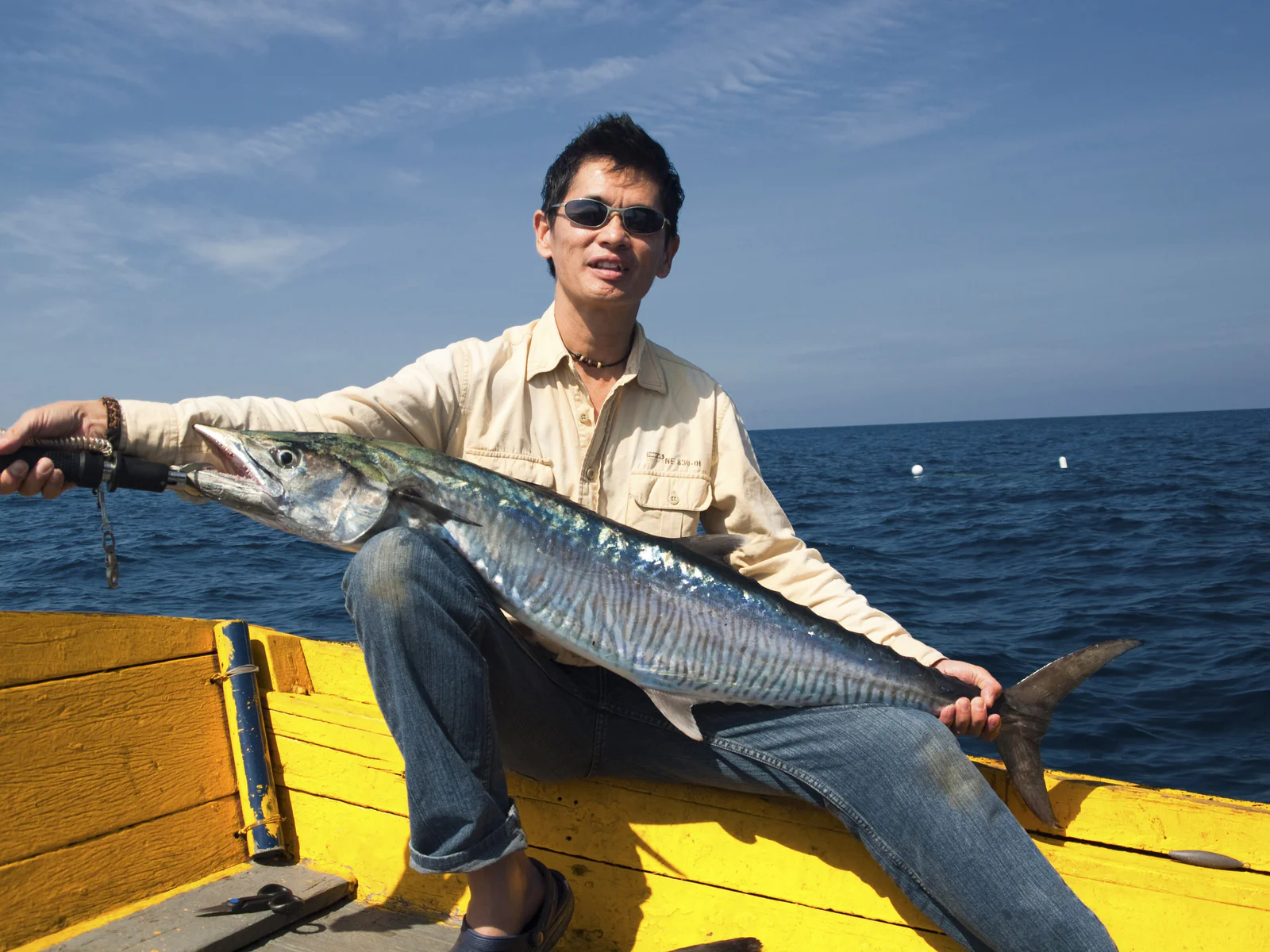
Narrow-barred Spanish Mackerel
Scomberomorus commerson
Nov, Dec, Jan, Feb, Mar, Apr, May
Site occurrence not yet documented
No dated observations available.
Occasional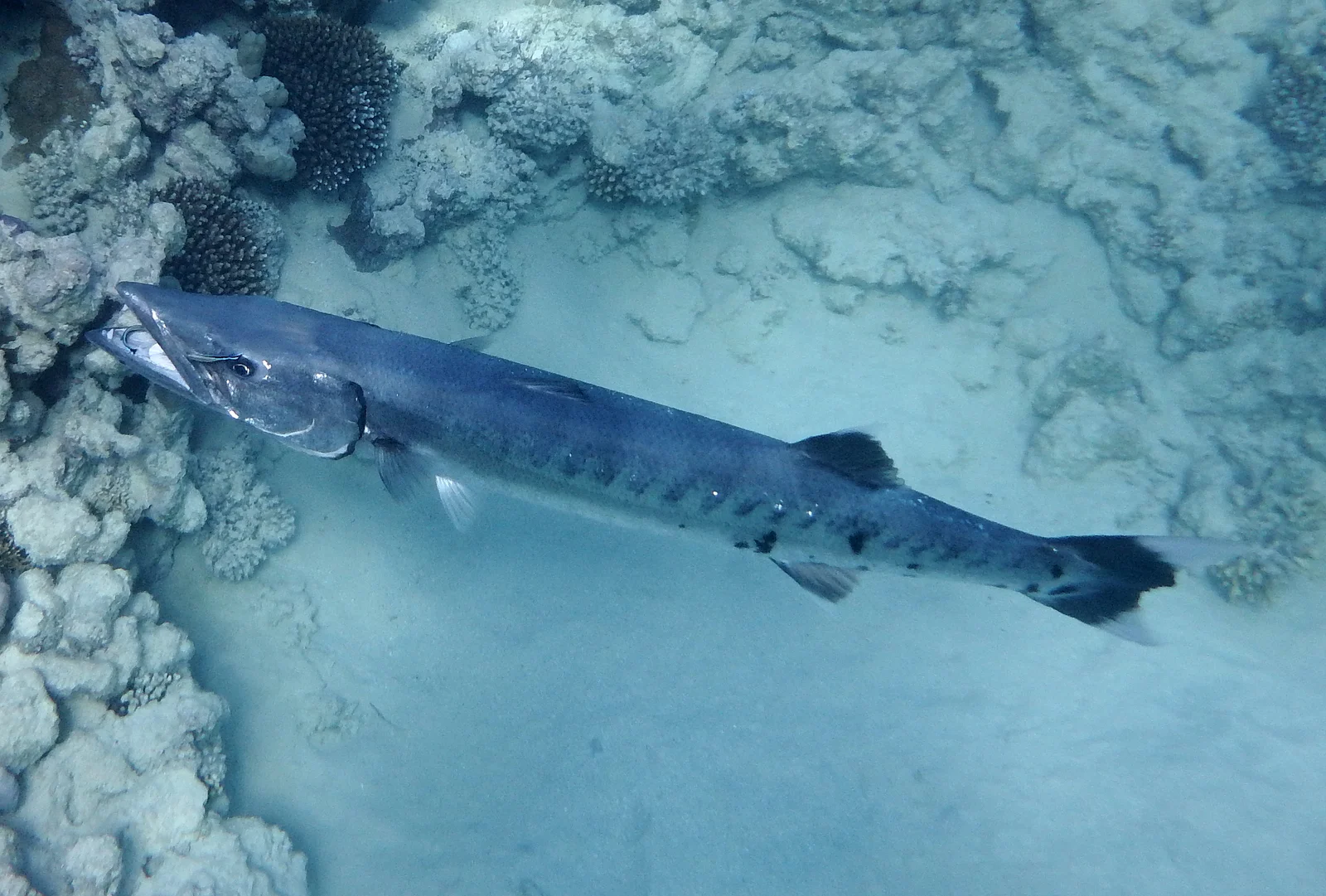
Great Barracuda
Sphyraena barracuda
Nov, Dec, Jan, Feb, Mar, Apr, May
Site occurrence not yet documented
No dated observations available.
Common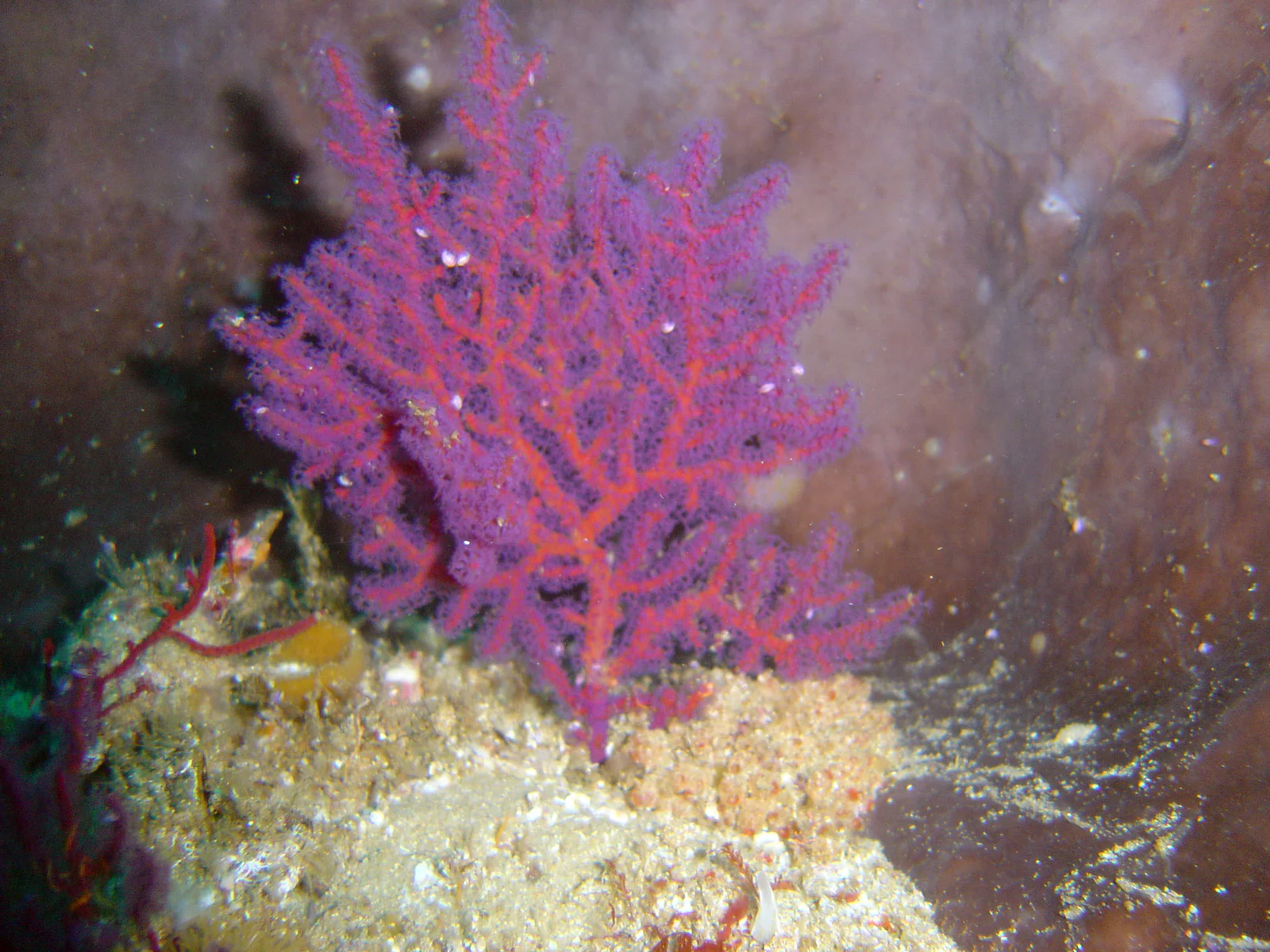
Gorgonian Sea Fan
Annella mollis
Jan, Feb, Mar, Apr, May, Jun, Jul, Aug, Sep, Oct, Nov, Dec
Site occurrence not yet documented
No dated observations available.
Hazards & Safety
Be aware of these potential hazards at this dive site
Current
MediumOpen-ocean exposure; current can run moderate on the wall — coordinate entry with the guide and keep bangka in sight
Depth
MediumDrop-off falls past 35 m; the clear Pamilacan water makes depth deceptive — check your computer on every descent
Boat traffic
MediumDay-trip bangkas from Alona converge on Pamilacan; mooring is mandatory, anchoring banned — ascend with SMB inside mooring buoys
Certification Required
A minimum of Advanced Open Water certification is required to dive this site.
360° Underwater View
Immersive panoramic view of this dive site
360° panorama coming soon
Immersive underwater views will be available when panoramic imagery is uploaded
Reviews
--
0 reviews
No reviews yet. Be the first to share your experience!
Related Dive Sites
Discover other dive sites in the area
Advanced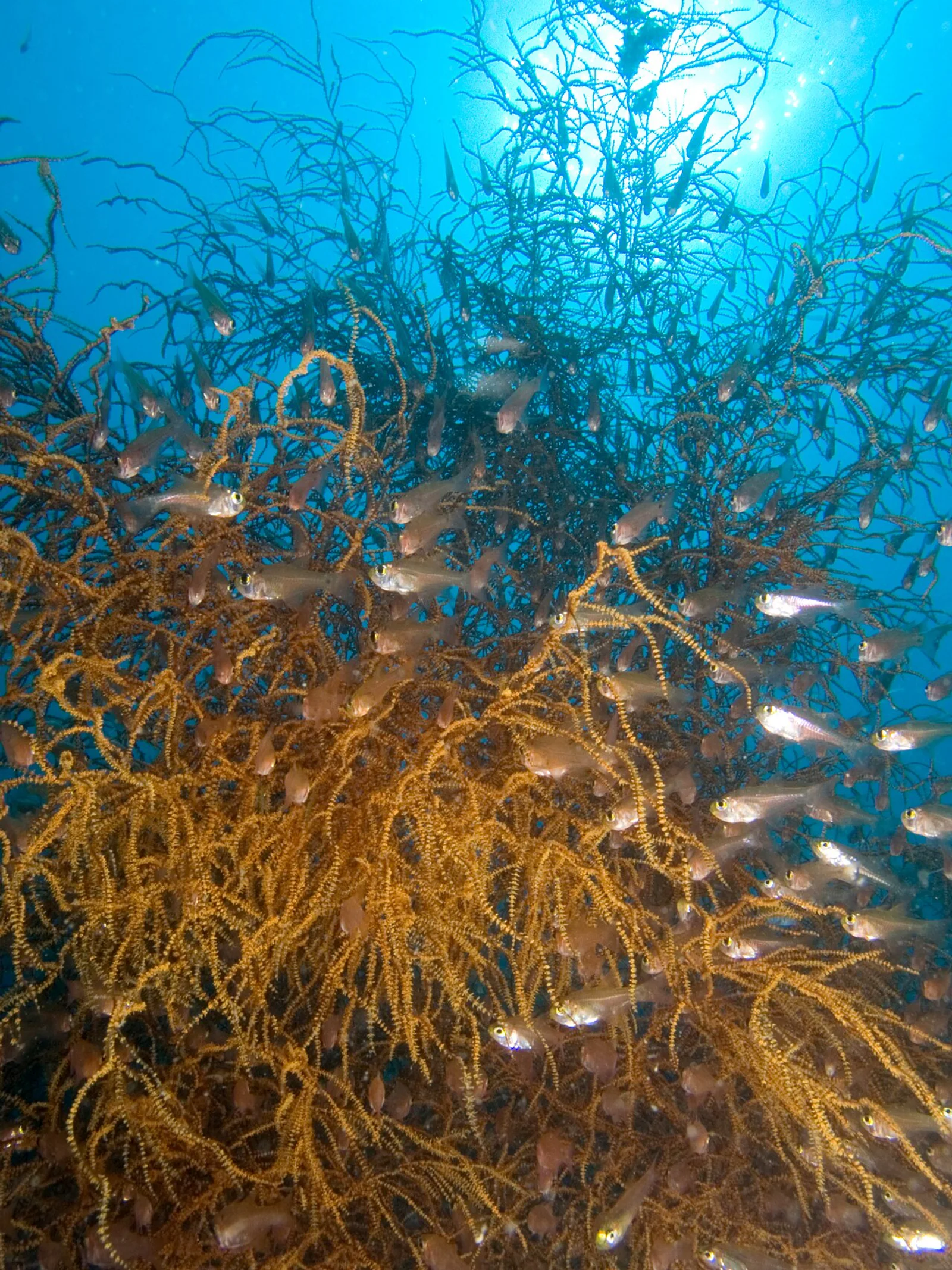 Beginner
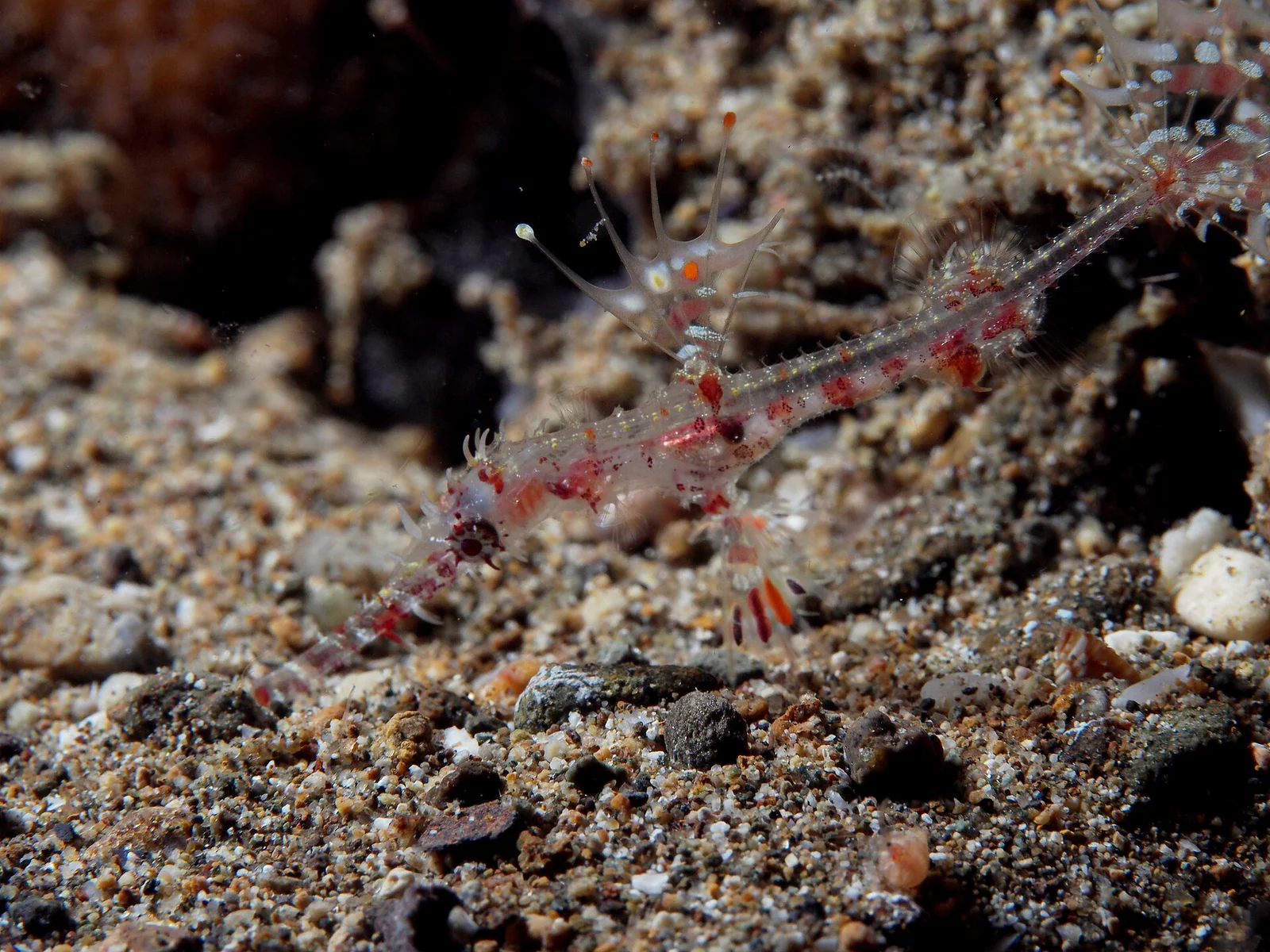 Beginner
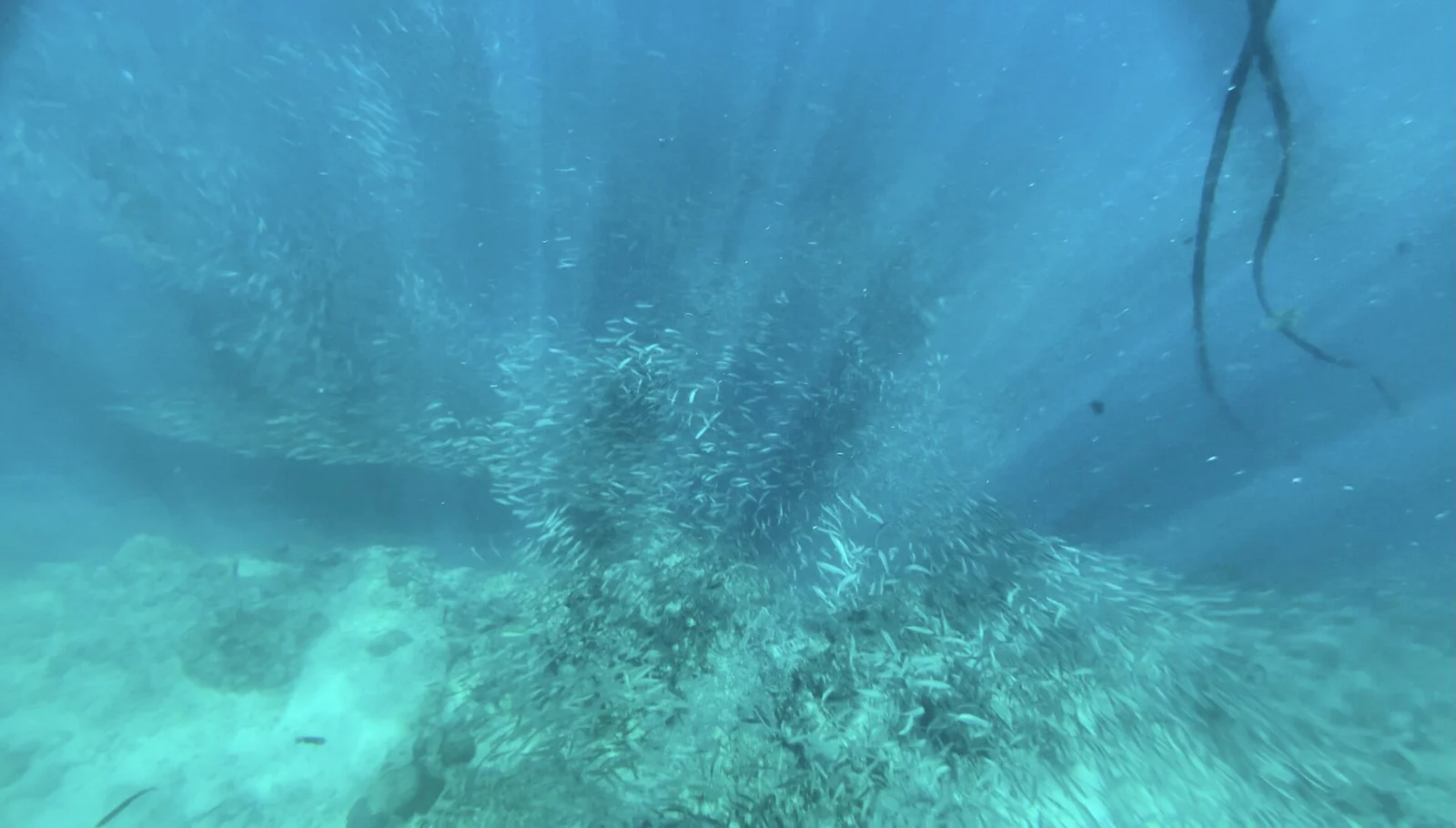 Intermediate
 Advanced
 BeginnerAdvancedBeginnerBeginnerIntermediateAdvancedBeginner
Depth Profile
Vertical range at this site
Minimum Depth
16 ft
Shallowest point
Average Depth
59 ft
Typical dive depth
Maximum Depth
115 ft
Deepest point
Nearby services
View all dive shops →Stay Updated
Get dive site updates and tips in your inbox.
Dived Pamilacan Sanctuary? Make it count.
Add it to your logbook, share your sightings, and help 0 divers plan their next descent.
Recent Community Activity
Was this helpful?